United Kingdom · England
Where to Stay in Reading, England
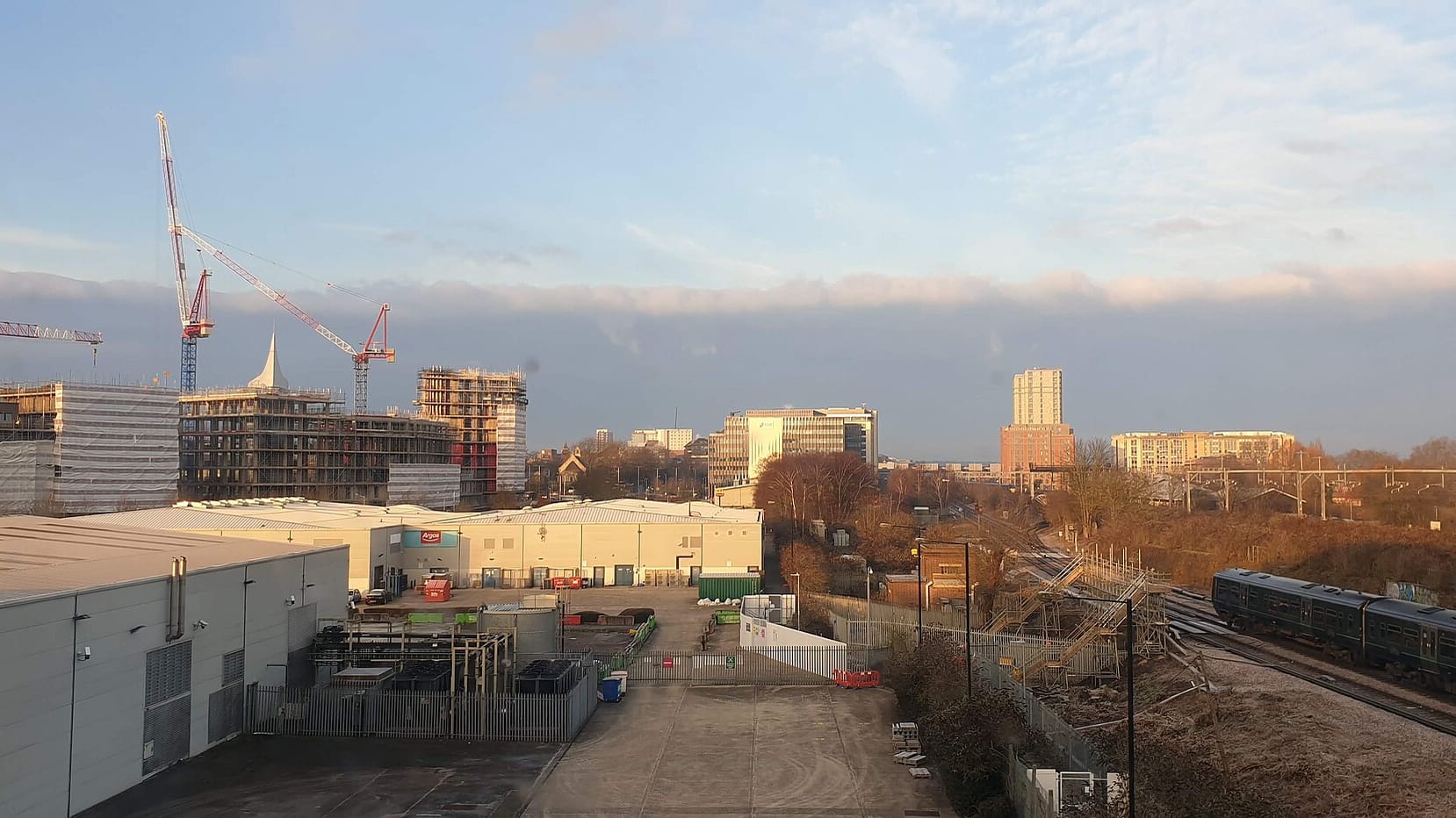
Reading is a riverside town of England, its old core marked by Reading Minster and a cluster of university museums.
Hotel links are affiliate links: booking through them may earn us a commission, at no extra cost to you. It never affects how places are ranked. How this works


Where to stay in Reading
Where you base yourself shapes the visit — here's the character of each area.

 ReadingUnited Kingdom
Lower Caversham
Lower Caversham is the low-lying part of Caversham east of its centre, close to the River Thames and inside Reading, Berkshire.Where to stay →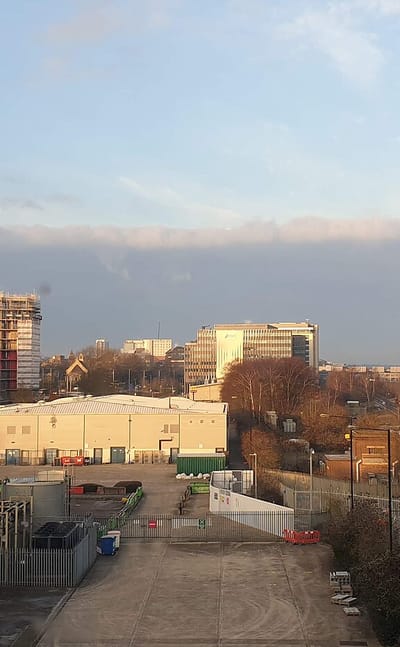 ReadingUnited Kingdom
Emmer Green
Emmer Green is a suburb of Reading whose record is full of named houses, from Old Grove House to Hill House, alongside three churches.Where to stay → ReadingUnited Kingdom
Whitley Wood
Whitley Wood is a district of Reading, entered on the record with St Agnes, St Paul's Church and Christ the King among its named buildings.Where to stay →Hotel links are affiliate links: booking through them may earn us a commission, at no extra cost to you. It never affects how places are ranked. How this works
Find hotels in Reading
Direct booking searches for these neighbourhoods.
Town centre
the streets around Reading Minster and the Reading Museum, with the market and the trains close byFind hotels in Town centrea base by the waterThe riverside
the old wharves toward the Riverside Museum at Blake's Lock, where the locks and towpaths line the river. Lodging is scarce in this area; reserve in advance.Find hotels in The riversidea quieter stay across the river in CavershamCaversham
the calmer streets north of the water around St Peter's Church, Caversham, away from the town centre bustle. Beds are limited here, so book early.Find hotels in Cavershamlarger rooms near parklandColey Park
the western edge by Coley Park House, with bigger houses and green space beyond the crowded centre. Lodging is scarce in this area; reserve in advance.Find hotels in Coley ParkHotel links are affiliate links: booking through them may earn us a commission, at no extra cost to you. It never affects how places are ranked. How this works
Things to do in Reading
Ranked by global recognition; descriptions from Wikidata (CC0).
Churches & Religious Sites
8- Reading Minster Heritage
- St James's Church, Reading Heritage
- St Laurence's Church, Reading Heritage
- Greyfriars Church, Reading Heritage
- St Giles' Church, Reading Heritage
Show 3 more →
- St Mary's Church, Castle Street, Reading Heritage
- Church of the Holy Trinity Heritage
- Sacred Heart Church, Reading Heritage
Castles & Historic Sites
1- Simeon Monument Heritage
Stadiums & Sports
1- Sol Joel Park
Landmarks & Notable Places
7- Old Grove House Heritage
- Holybrook House Heritage
- Coley Park House Heritage
- 17, Craven Road Heritage
- Caversham Grove (Now Highdown School, Emmer Green) Highdown School Heritage
Show 2 more →
- Fir Tree House Heritage
- Hill House Heritage
worth knowingacross 4 categories in Reading
About Reading
What is Reading known for?
Reading is a busy river town of England, long a crossing and market place on the water. Reading Minster stands at the medieval heart of the town, one of its oldest churches. Learning fills the place too.
The Museum of English Rural Life keeps the farming past of the country, the Ure Museum of Greek Archaeology and the Cole Museum of Zoology hold the university's collections, and the Reading Museum gathers the town's own story near the market square.
What are the main landmarks in Reading?
Reading's landmarks run from old churches to university museums. Reading Minster anchors the medieval town, and St Laurence's Church stands near the market square among the oldest of its parishes. Museums fill much of the rest.
The Museum of English Rural Life, the Ure Museum of Greek Archaeology and the Cole Museum of Zoology hold the university's collections, while the Reading Museum keeps the town's own past. The Riverside Museum at Blake's Lock guards the waterway, the Simeon Monument marks the market place, and Greyfriars Church survives as one of the town's medieval friary churches.
What is the history of Reading?
Reading grew as a river crossing and market town in the south of England, settled well before the Norman Conquest and recorded from the ninth century. The waterways made it. Trade moved by river and road through the town, and a great abbey once dominated the medieval place, leaving Reading Minster among the churches that survived around its precinct while the market thrived nearby.
Milling, malting and trade carried the town for centuries. The wharves along the river handled grain and goods, the locks at places like Blake's Lock controlled the water, and the town's older churches, among them St Laurence's Church and Greyfriars Church, kept the medieval street plan around the market square. Learning came later.
The university gathered its collections into the Museum of English Rural Life, the Ure Museum of Greek Archaeology and the Cole Museum of Zoology, giving the old trading town a new scholarly weight.
Where is Reading?
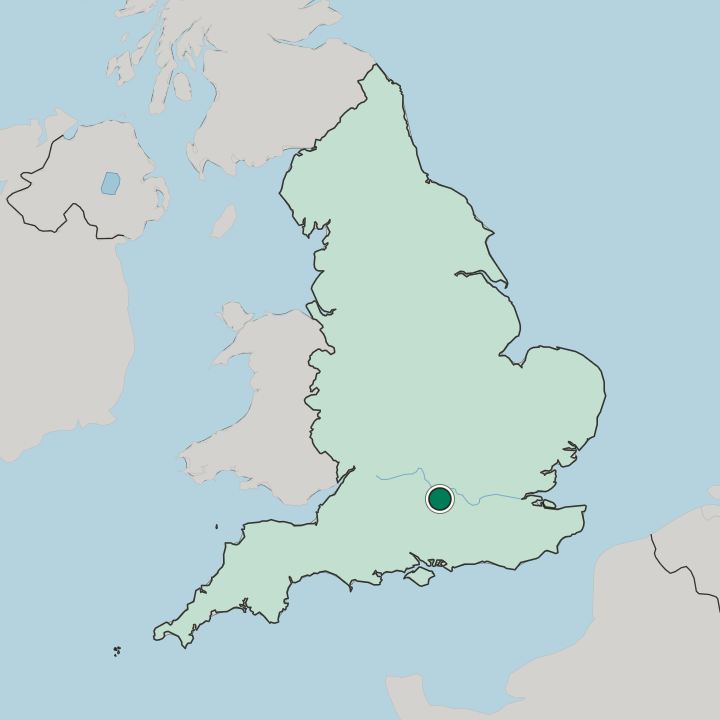
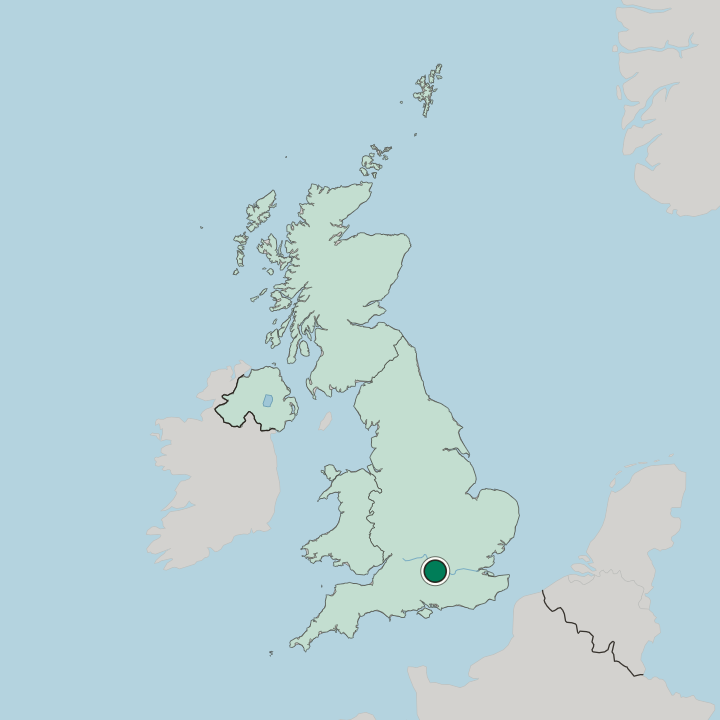
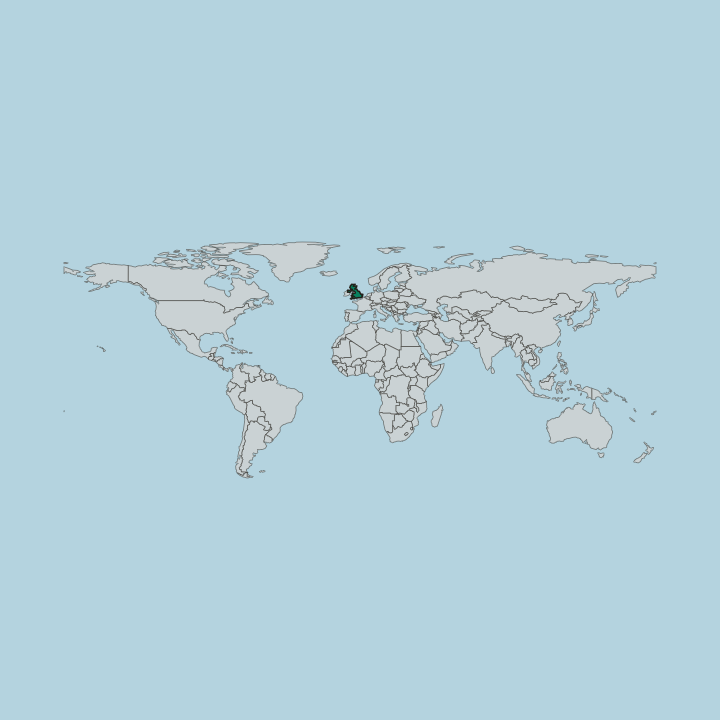
Reading sits on the river in the south of England, a town grown up around a crossing of the water. The old core gathers near Reading Minster and the market square on the southern bank, with the river curling round the northern edge toward Caversham. Water runs through the town.
The Riverside Museum at Blake's Lock marks the old wharves and locks, and the built-up streets spread outward from the centre to Coley Park and the parkland on the western side.
What is the climate of Reading?
Reading has the mild, changeable climate common to the south of England. Held inland along the river valley, the town runs a little drier than the western hills, with grey Atlantic weather crossing the country through much of the year. Winters are cool rather than harsh.
Summers stay warm without much heat, rain falls in every season, and morning mist gathers along the river through the colder months before it lifts.
How do you get to Reading?
Reading sits on the main line between London and the west of England. Fast trains reach the town's large station in well under an hour from the capital, and the motorway runs close by to link it with London and the western country. Most visitors arrive by train.
The station is one of the busiest outside the capital, and from it the streets lead a short walk down to Reading Minster and the market square at the centre of the old town.
Common questions
What is the best area to stay in Reading?
Town centre: walking to the shops and stations. The riverside: a base by the water. Caversham: a quieter stay across the river in Caversham. Coley Park: larger rooms near parkland.
Good for
More cities in England
Updated October 2026