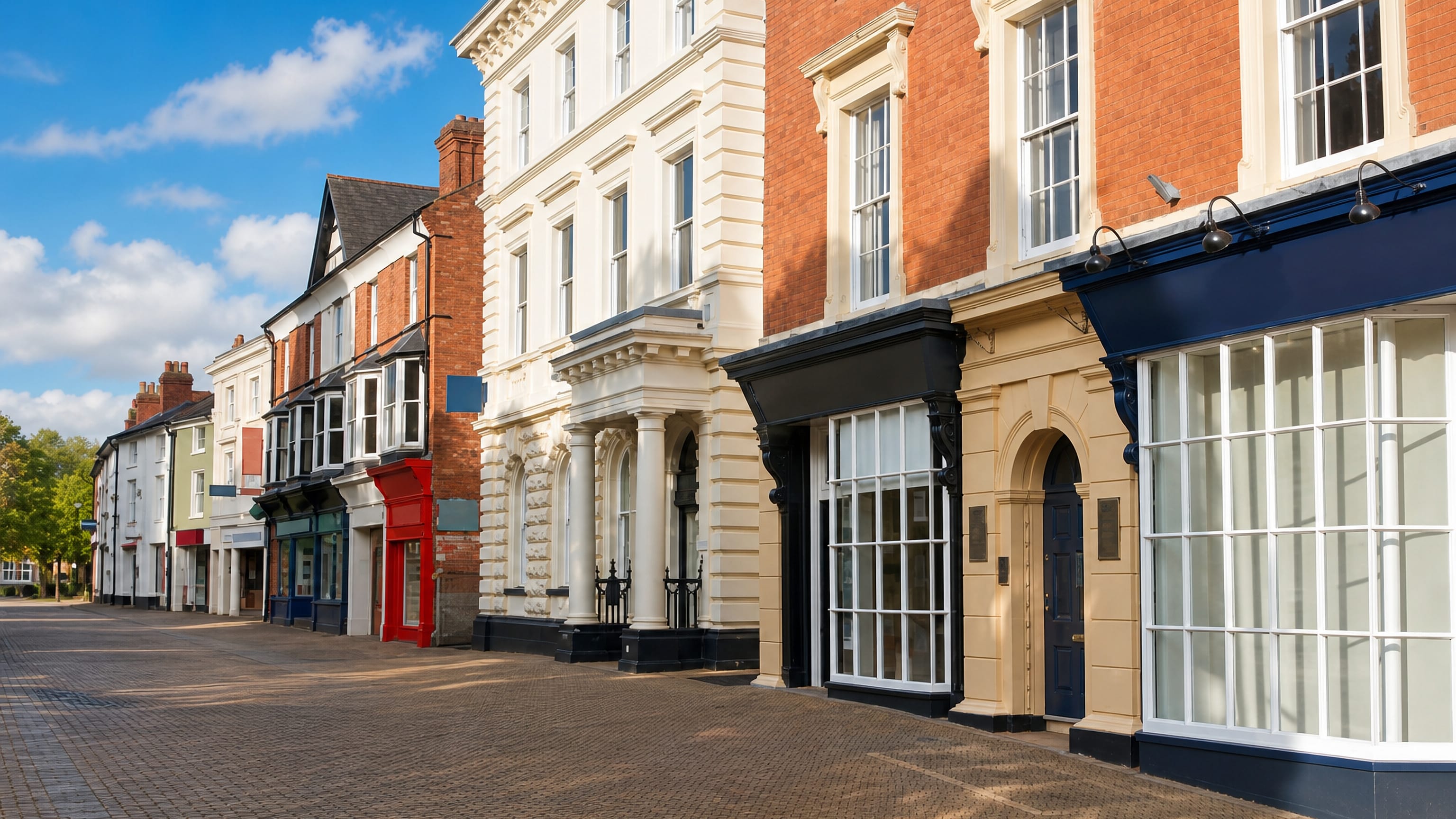
United Kingdom · England
Where to Stay in Redditch, England
Redditch is a Worcestershire town that once made most of the world's needles, a trade kept at the Forge Mill Needle Museum.
Hotel links are affiliate links: booking through them may earn us a commission, at no extra cost to you. It never affects how places are ranked. How this works


Where to stay in Redditch
Each area has its own feel; here's who each one suits.

 RedditchUnited Kingdom
Webheath
Webheath is a semi-rural suburb of Redditch in Worcestershire, sitting against Batchley, Headless Cross and the village of Callow Hill.Where to stay →RedditchUnited KingdomChurch Hill
Church Hill is a district of Redditch in England, close to Beoley, where the Church of St Leonard and its war memorial stand.Where to stay →RedditchUnited KingdomMatchborough
Matchborough is a district of Redditch, the Worcestershire town whose street signs name the district as well as the road.Where to stay →Hotel links are affiliate links: booking through them may earn us a commission, at no extra cost to you. It never affects how places are ranked. How this works
Find hotels in Redditch
Direct booking searches for these neighbourhoods.
Redditch town centre
The Redditch Local History Museum and the listed frontages of Wellbrook House and The Red House all fall inside the planned centre.Find hotels in Redditch town centrea residential quarter around its war memorialHeadless Cross
Headless Cross War Memorial marks a district that held on to its own name as Redditch grew past it. Rooms are few around here — worth securing early.Find hotels in Headless CrossWorcestershire countryside instead of a town centreBeoley
The Church of St Leonard and Beoley War Memorial stand clear of the built-up area, with very few beds around them. Rooms are few around here — worth securing early.Find hotels in BeoleyHotel links are affiliate links: booking through them may earn us a commission, at no extra cost to you. It never affects how places are ranked. How this works
Things to do in Redditch
Ranked by global recognition; descriptions from Wikidata (CC0).
Museums & Galleries
1- Redditch Local History Museum
Churches & Religious Sites
7- Church of Our Lady of Mount Carmel (Roman Catholic) Heritage
- Church of St Leonard Heritage
- Church of St Peter Heritage
- Church of St Stephen Heritage
- Church of St Philip Heritage
Show 2 more →
- Church of St George Heritage
- Church of St Luke Heritage
Castles & Historic Sites
1- Beoley
Landmarks & Notable Places
6- Lower House Heritage
- Mill Farmhouse The Old Mill House Heritage
- The Hall House Heritage
- The Hollies The Mill House Heritage
- The Red House Heritage
Show 1 more →
- Wellbrook House Heritage
worth knowingacross 4 categories in Redditch
About Redditch
Needles made this town.
What is Redditch known for?
By the end of the nineteenth century the mills of Redditch and the country around them turned out something like nine-tenths of the world's needles, with fishing tackle running alongside as a second staple. Forge Mill Needle Museum keeps the machinery. The Redditch Local History Museum covers the rest, and the trade still shows in the mill houses scattered through the borough.
What are the main landmarks in Redditch?
Forge Mill Needle Museum is the reason most people come. The Redditch Local History Museum sits alongside it, and the listed houses at Wellbrook House, The Hall House and The Red House give the borough its older grain. Beoley stands apart.
Its Church of St Leonard and war memorial lie outside the built-up area, while Headless Cross War Memorial, the Church of Our Lady of Mount Carmel and the Church of St Peter belong to the town itself.
What is the history of Redditch?
Needles came first. Mills turned Redditch into the centre of needle making, and by the close of the nineteenth century something close to nine-tenths of the world's needles came from the town and the parishes around it. Fishing tackle grew out of the same skills.
Forge Mill Needle Museum holds what the trade left behind, and Mill Farmhouse, The Old Mill House and The Hollies survive as its domestic side. Parish churches map the older villages: the Church of St Leonard at Beoley, the Church of St Peter, and further churches at St Stephen, St George, St Luke and St Philip, with the Church of Our Lady of Mount Carmel serving the Roman Catholic congregation. Older houses survive alongside them.
Wellbrook House, The Hall House and The Red House stand as reminders that a good deal of Redditch predates the plan that reshaped it. Two war memorials carry the twentieth century, one at Headless Cross and one at Beoley beside St Leonard's churchyard. The record dates the modern town to 1964, long after the needle mills had made their name, so the founding year marks a remaking rather than a beginning.
The Redditch Local History Museum tells that part.
Where is Redditch?
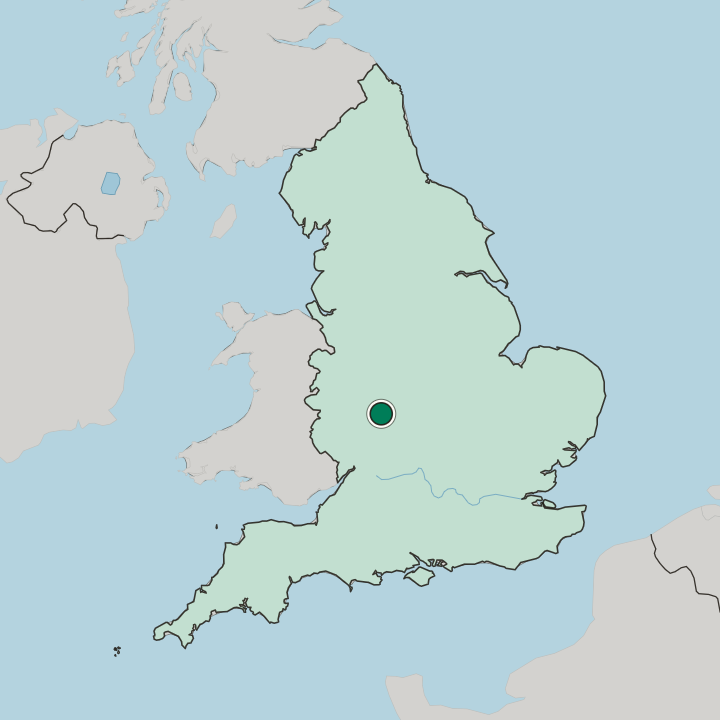
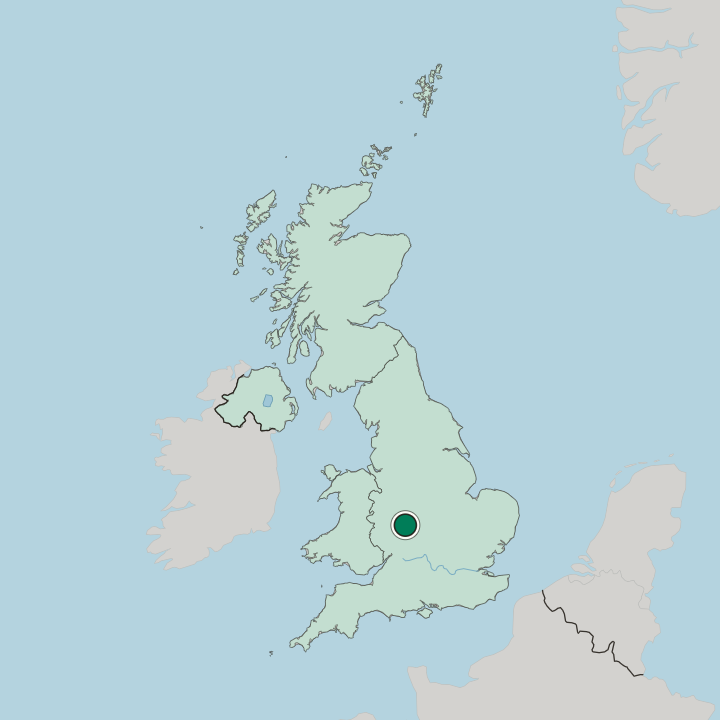
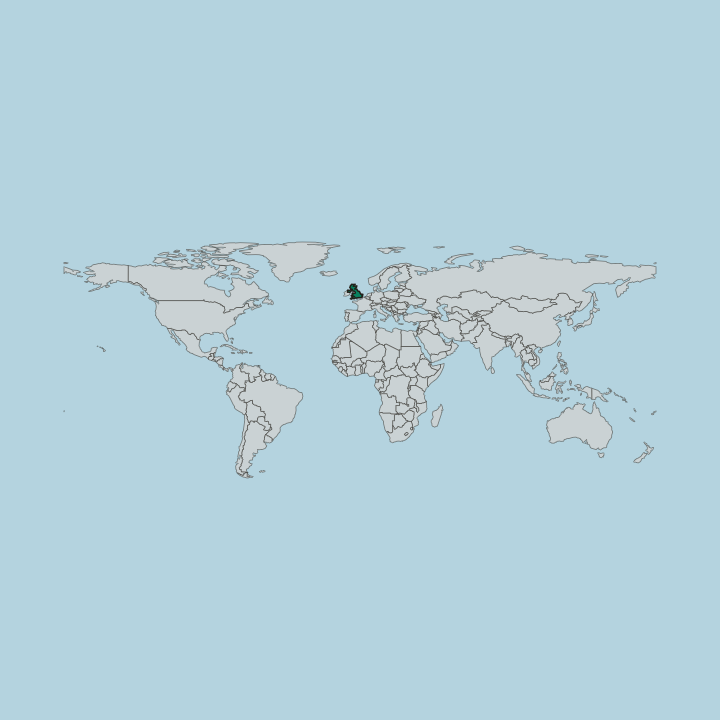
Worcestershire countryside surrounds the borough, and the built-up area has the spread-out plan of a town that grew by design rather than around a harbour or a river crossing. Redditch is firmly inland. Beoley, with its Church of St Leonard and its war memorial, stayed a separate place at the edge of the borough, while Headless Cross ended up inside the built-up area.
What is the climate of Redditch?
No coast softens this. Summers warm more than they would nearer the sea and winter nights drop further, the ordinary temperate pattern for a northern-hemisphere town set well back from any shoreline. Rain spreads thinly across the whole year.
Forge Mill Needle Museum and the Redditch Local History Museum absorb the wet afternoons.
How do you get to Redditch?
Redditch is an inland arrival, reached by road across Worcestershire from every direction rather than by water. The borough is small enough that the Forge Mill Needle Museum, the Redditch Local History Museum and the town centre stand minutes apart, and the outlying parts, Headless Cross inside the built-up area and Beoley beyond it, need little more than a short local hop. Distances inside Redditch stay small.
The spread-out plan means a car earns its keep more than it would in an older town.
Common questions
What is the best area to stay in Redditch?
Redditch town centre: walking reach of Forge Mill Needle Museum. Headless Cross: a residential quarter around its war memorial. Beoley: Worcestershire countryside instead of a town centre.
Good for
More cities in England
Updated September 2026