United Kingdom · England
Where to Stay in Romford, England
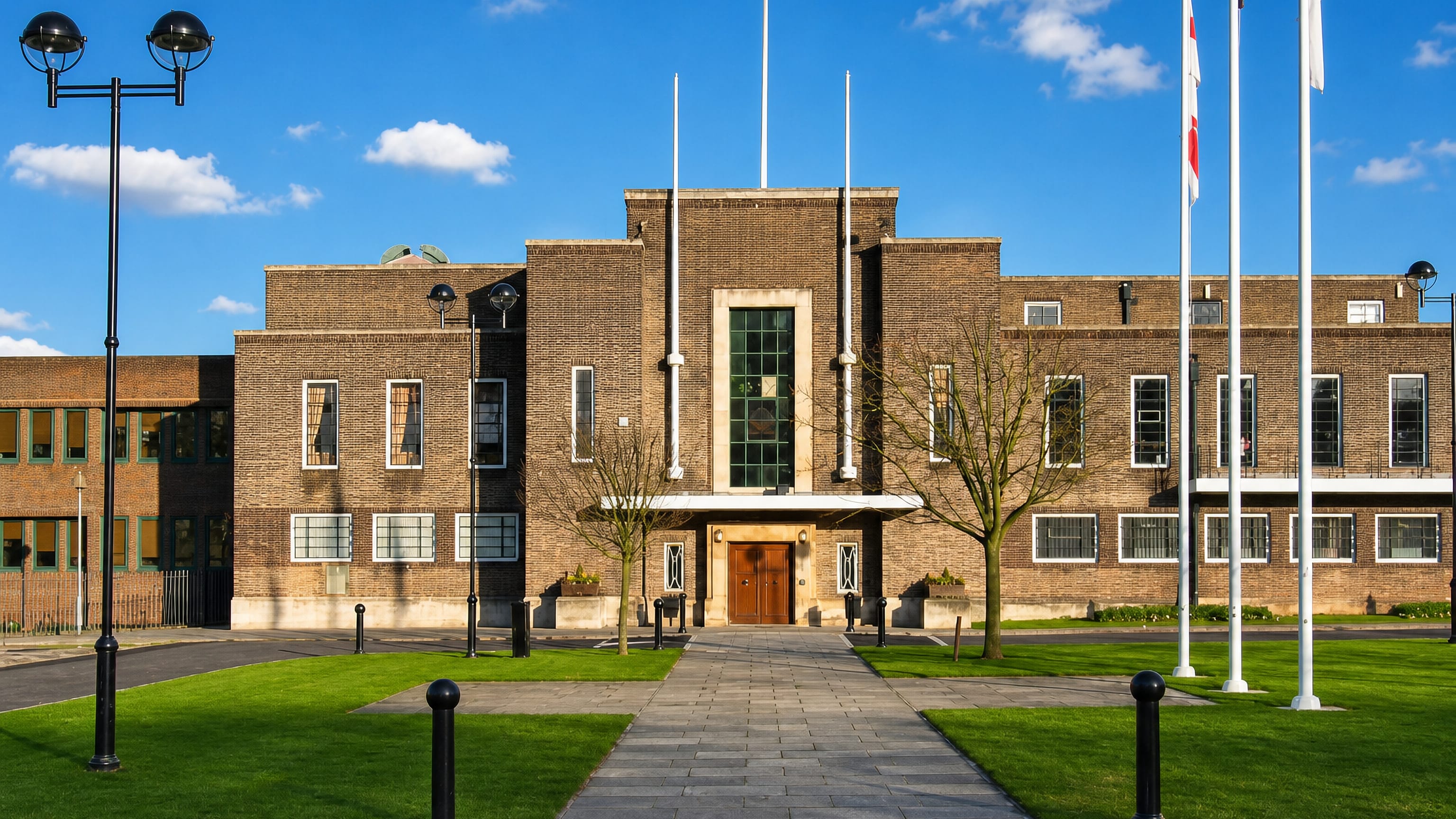
Romford is a large town in east London, a metropolitan centre of the London Borough of Havering around the Parish Church of St Edward the Confessor.
Hotel links are affiliate links: booking through them may earn us a commission, at no extra cost to you. It never affects how places are ranked. How this works


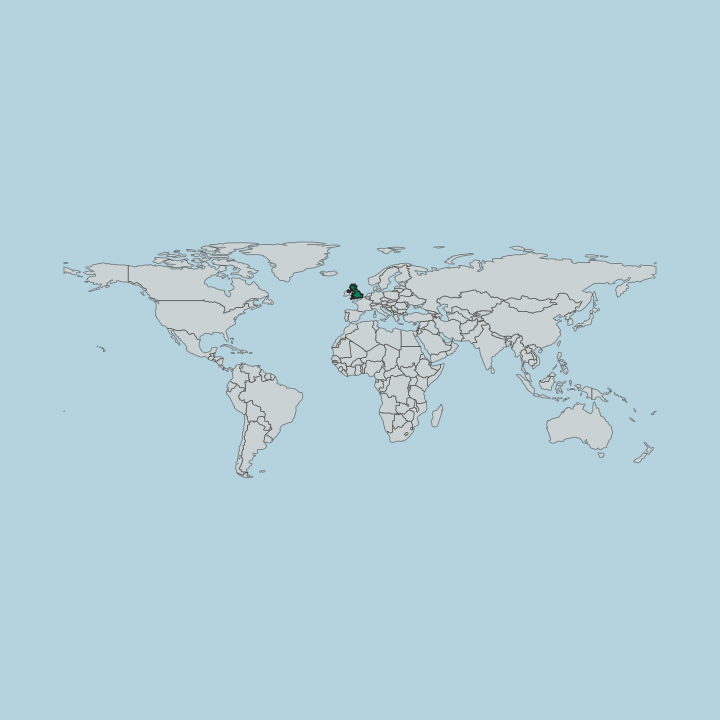
Where to stay in Romford
Where you base yourself shapes the visit — here's the character of each area.

 RomfordUnited Kingdomthe Sports Ground and a Roman road on the golf course
Gidea Park
St Michael and All Angels Church and the Gidea Park Sports Ground make this the green flank of Romford.Gidea Park →RomfordUnited KingdomChase Cross
Chase Cross is a district of the London Borough of Havering, named for a crossroads in the old Hainault Forest chase north of Romford.Where to stay →Hotel links are affiliate links: booking through them may earn us a commission, at no extra cost to you. It never affects how places are ranked. How this works
Find hotels in Romford
Direct booking searches for these neighbourhoods.
Romford centre
The Parish Church of St Edward the Confessor and the Dolphin Centre stand a few minutes apart.Find hotels in Romford centreSt Andrew's Church and Langton ParkHornchurch
St Andrew's Church and Langton Park give Hornchurch a centre of its own inside Havering. Few places to stay nearby — book ahead.Find hotels in HornchurchBower House and a car-first baseMarks Warren
Bower House and the Marks Warren Quarry mark the open edge of the London Borough of Havering. Lodging is scarce in this area; reserve in advance.Find hotels in Marks WarrenHotel links are affiliate links: booking through them may earn us a commission, at no extra cost to you. It never affects how places are ranked. How this works
Things to do in Romford
Ranked by global recognition; descriptions from Wikidata (CC0).
Churches & Religious Sites
4- Parish Church of St Edward the Confessor Heritage
- St Andrew's Church, Hornchurch Heritage
- Church of St John the Evangelist, Havering-atte-Bower Heritage
- Church of St Andrew Heritage
Castles & Historic Sites
1- Section of Roman road on Gidea Park golf course Heritage
Stadiums & Sports
3- Romford Greyhound Stadium
- Dolphin Centre
- Romford Ice Arena
Landmarks & Notable Places
5- Langtons Heritage
- Bower House Heritage
- The Round House Heritage
- Church House Heritage
- Well Tower At Tower Lodge Heritage
worth knowingacross 4 categories in Romford
About Romford
Shopping and sport do the pulling.
What is Romford known for?
Romford counts as one of the major metropolitan centres of Greater London named in the London Plan, and the Dolphin Centre, Romford Ice Arena and Romford Greyhound Stadium give the town a leisure trade few outer suburbs match. Havering Museum handles the past. The Parish Church of St Edward the Confessor still holds the middle of it, with Langtons and Bower House standing for the older estates.
What are the main landmarks in Romford?
The Parish Church of St Edward the Confessor is the fixed point. Havering Museum covers the borough, Valence House Museum does the same job further out, and Romford Greyhound Stadium and Romford Ice Arena carry the sporting side of the town. Older houses survive.
Bower House, Langtons, Bell House, Church House and The White House stand from before the shops arrived, and Langton Park keeps the ground around one of them open. A section of Roman road runs across the Gidea Park golf course.
What is the history of Romford?
Rome left the first mark. A section of Roman road still runs across the Gidea Park golf course, which is the oldest thing the area can point to. The parish came next.
The Parish Church of St Edward the Confessor gave Romford its centre, and the market town around it served the country east of London long before the capital reached out this far. Estates held the land. Bower House, Langtons, Bentry Heath House and The White House belong to that landed period, when Hornchurch and Gidea Park were separate places rather than parts of one built-up town, and St Andrew's Church and the Church of St Mary served them.
Well Tower At Tower Lodge and Church House survive from the same middle stretch. London eventually reached it. Romford was drawn into Greater London, the London Borough of Havering took shape around it, and the London Plan later named the town one of the capital's major metropolitan centres.
The Dolphin Centre, Romford Ice Arena and Romford Greyhound Stadium date from that later town. Havering Museum and Valence House Museum hold what is left of the older one.
Where is Romford?
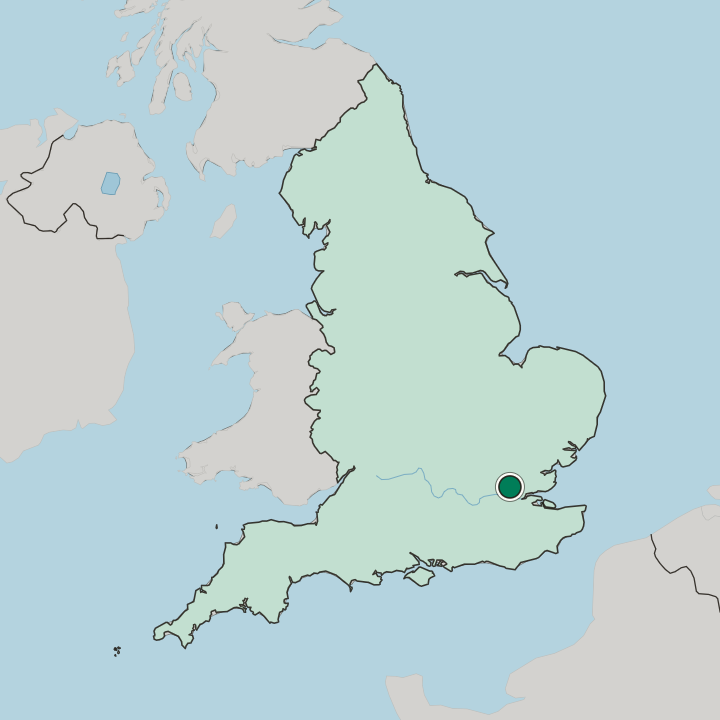
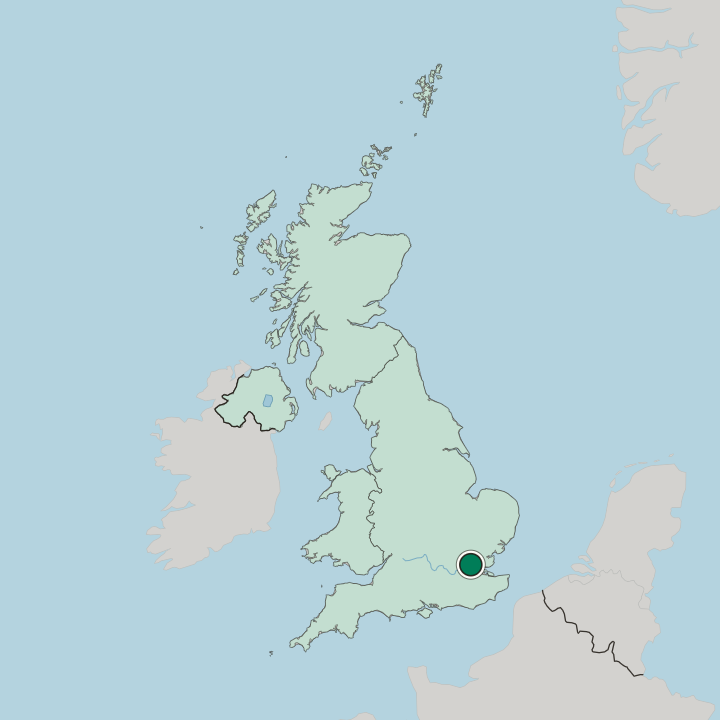
Havering sits at the edge of the capital. Romford lies 14 miles northeast of Charing Cross, in the outer eastern part of London north of the River Thames, which puts it at the outer edge of the built-up area rather than in the middle. Gidea Park is on one flank.
Hornchurch lies on another, and the Marks Warren Quarry marks where the ground has been dug rather than built on.
What is the climate of Romford?
London does the warming. The mass of the capital holds heat overnight, so Romford runs a shade milder than the open country beyond the London Borough of Havering, and the River Thames to the south keeps the eastern side of the city from extremes. Rain is unremarkable.
Romford Ice Arena, the Dolphin Centre and Havering Museum are the wet-day options, and the Gidea Park Sports Ground wants a dry afternoon.
How do you get to Romford?
Charing Cross is the yardstick. Romford lies 14 miles northeast of it, well inside Greater London, so arrival is a matter of crossing the city rather than travelling to it. The London Plan says the rest.
A town listed among the capital's major metropolitan centres has the connections to match, and Gidea Park and Hornchurch are both short hops from the middle of the London Borough of Havering.
Common questions
What is the best area to stay in Romford?
Romford centre: the Dolphin Centre and St Edward the Confessor on foot. Gidea Park: the Sports Ground and a Roman road on the golf course. Hornchurch: St Andrew's Church and Langton Park. Marks Warren: Bower House and a car-first base.
Good for
More cities in England
Updated October 2026