United Kingdom · England
Where to Stay in Salford, England
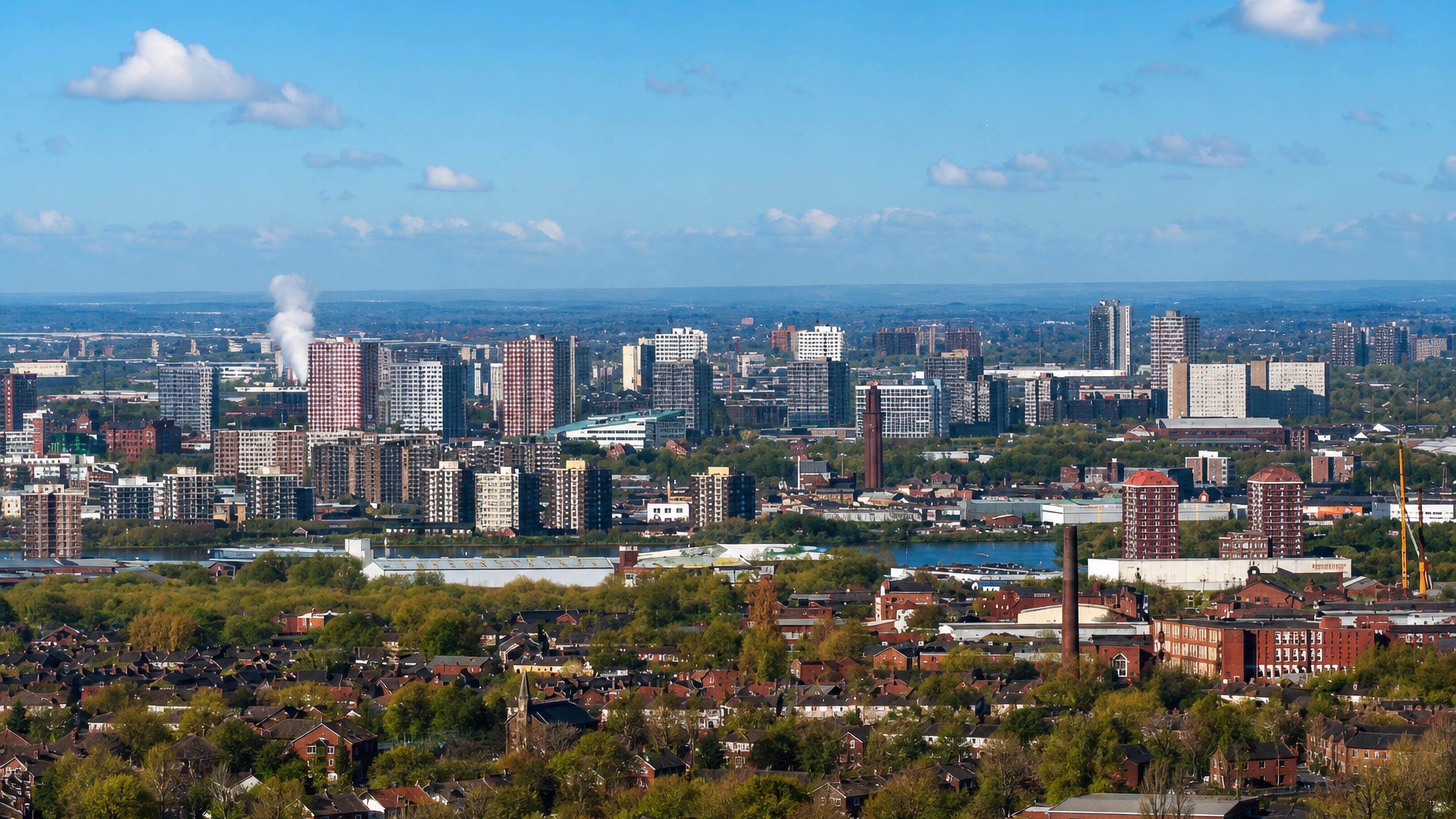
Salford is a city on the western bank of the River Irwell, facing Manchester across the water, with The Lowry and the Quays at its riverside end.
Hotel links are affiliate links: booking through them may earn us a commission, at no extra cost to you. It never affects how places are ranked. How this works


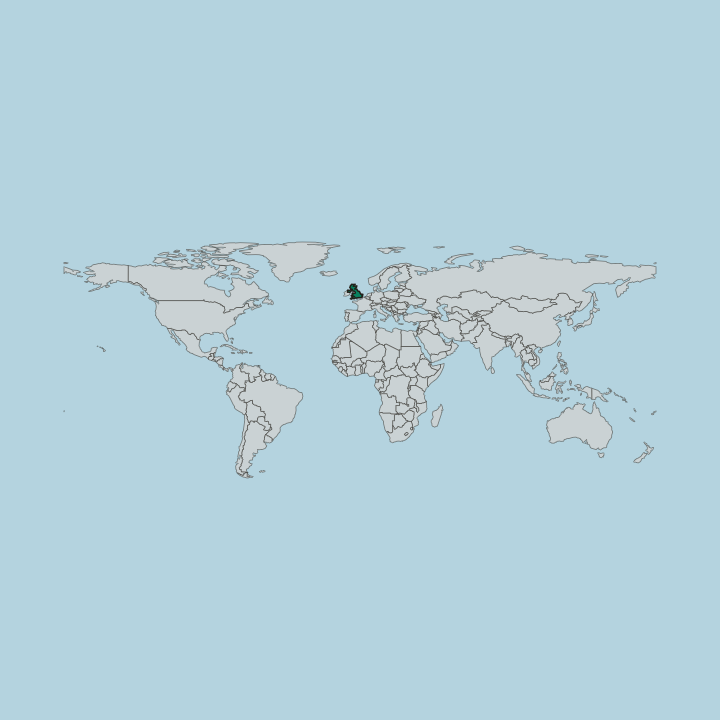
Where to stay in Salford
Not every neighbourhood fits every trip — here's what each one is good for.

 SalfordUnited Kingdom
Ordsall
Ordsall is an inner-city district of Salford, held between the River Irwell, Salford Quays and the Manchester Ship Canal.Where to stay → SalfordUnited Kingdom
Irlams o' th' Height
Irlams o' th' Height is a Salford suburb on high ground over the Irwell Valley, named for the Irlam family of the Pack Horse Inn.Where to stay → SalfordUnited Kingdom
Deans
Deans is a district recorded under Salford, in England, and the file behind it holds a name and a parent city.Where to stay →Hotel links are affiliate links: booking through them may earn us a commission, at no extra cost to you. It never affects how places are ranked. How this works
Find hotels in Salford
Direct booking searches for these neighbourhoods.
The Quays
The waterside end of the city, with the galleries and the water itself at the doorFind hotels in The QuaysWalking into Manchester city centre over the Irwell bridgesThe riverside by Salford Cathedral
Blocks between Salford Cathedral, St Philip's Church and the Church of the Sacred TrinityFind hotels in The riverside by Salford CathedralQuiet nights near the Church of St Mary the Virgin, EcclesPendleton, Pendlebury and Eccles
The old township centres, with Agecroft Hall and St Thomas' Church, Pendleton on the same side. Few places to stay nearby — book ahead.Find hotels in Pendleton, Pendlebury and EcclesHotel links are affiliate links: booking through them may earn us a commission, at no extra cost to you. It never affects how places are ranked. How this works
Things to do in Salford
Ranked by global recognition; descriptions from Wikidata (CC0).
Museums & Galleries
3- Salford Museum and Art Gallery Heritage
- National Football Museum
- The Lowry
Churches & Religious Sites
8- Church of St Mary the Virgin, Eccles Heritage
- St Philip's Church, Salford Heritage
- St Luke's Church, Salford Heritage
- St Thomas' Church, Pendleton Heritage
- St. Augustine's Church, Pendlebury Heritage
Show 3 more →
- St Clement's Church, Ordsall Heritage
- Church of the Sacred Trinity Heritage
- Church of St Andrew Heritage
Castles & Historic Sites
1- Agecroft Hall
Stadiums & Sports
1- Manchester Tennis And Racquet Club Heritage
Landmarks & Notable Places
2- Joule House Heritage
- Buile Hill Heritage
worth knowingacross 5 categories in Salford
About Salford
The Irwell divides two cities.
What is Salford known for?
Salford is a city in its own right within Greater Manchester, separated from Manchester city centre by a loop of the River Irwell, and the Quays at its far end carry The Lowry and the Imperial War Museum North. Salford Cathedral, St Philip's Church and Salford Lads' Club stand among the landmarks of the older city. People here are Salfordians.
What are the main landmarks in Salford?
The Quays hold the big draws. The Lowry and the Imperial War Museum North stand at the waterside, while St Philip's Church, Salford Cathedral and Salford Lads' Club carry the city's older name-checks. Churches are scattered wide: the Church of the Sacred Trinity, St Luke's Church, Salford, the Church of St Andrew, and the Church of St Mary the Virgin, Eccles among the townships.
Agecroft Hall survives too.
What is the history of Salford?
Two towns grew on one river. Mamucium and Manchester Castle carry the oldest layers of the pair, while the Church of the Sacred Trinity and Chetham's Library date the centuries when the Irwell divided two smaller places. Growth filled both banks.
St Philip's Church, Salford and St Luke's Church, Salford served the new streets, Agecroft Hall stood on the older ground, and the Church of St Mary the Virgin, Eccles, St Thomas' Church, Pendleton and St Augustine's Church, Pendlebury marked the townships drawn into the city. The Quays made the modern face of it. The Lowry and the Imperial War Museum North stand there, and the waterside rebuilding turned the city's biggest attraction out of ground that once worked for a living.
Museums crowd the reach across the Irwell. The Science and Industry Museum, the People's History Museum, the National Football Museum with its English Football Hall of Fame, Manchester Art Gallery, the Manchester Jewish Museum and Chetham's Library all sit within walking reach of the boundary, with St Ann's Church, Manchester and Urbis among the buildings between. Monuments mark the record too: the Statue of Friedrich Engels, the Queen Victoria Monument, Salford Lads' Club and the former town hall, with Salford Cathedral and the Manchester Tennis And Racquet Club among the rest.
The Church of St Andrew keeps its own corner.
Where is Salford?
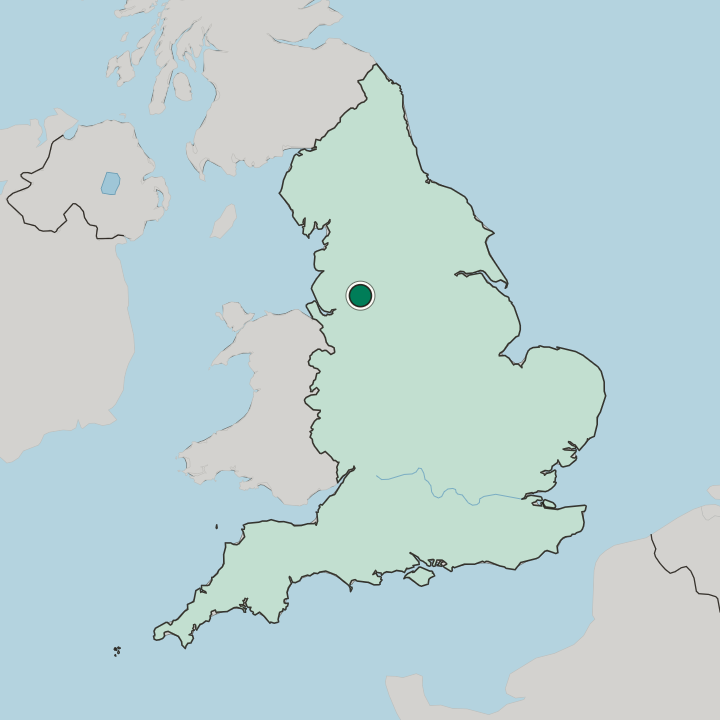
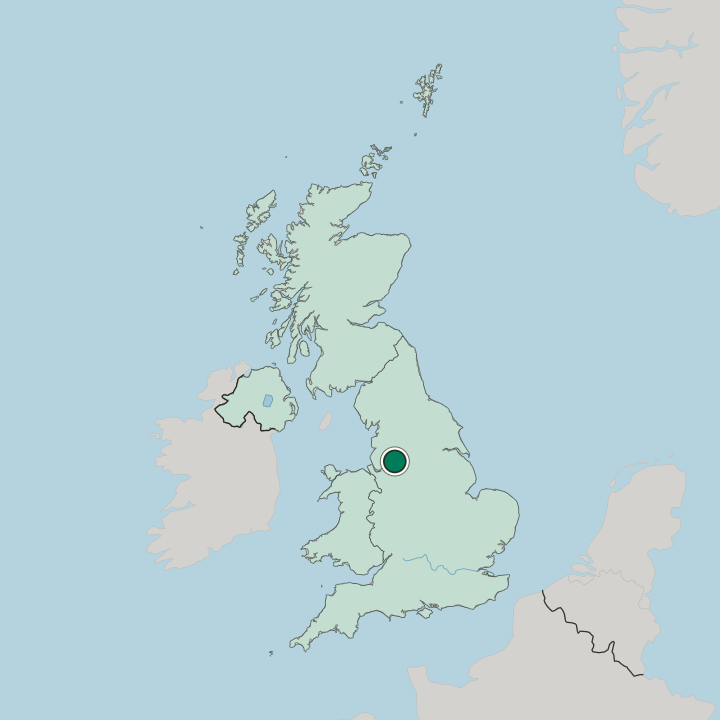
A river loop draws the line. Salford lies on the western bank of the River Irwell, which forms its boundary with Manchester city centre, and the city runs out through Pendleton, Pendlebury and Eccles towards the Quays. Greater Manchester surrounds it.
Within its bounds sit Eccles with the Church of St Mary the Virgin, Pendlebury with St Augustine's Church and Pendleton with St Thomas' Church, all long since joined into one urban area.
What is the climate of Salford?
Rain gear pays for itself in Salford. Damp westerlies reach the Irwell valley without much to stop them, so Salford runs to mild wet winters, cool grey summers and rain that arrives in short bursts through the year. Snow turns to slush.
The long evenings of midsummer bring people onto the Quays and the riverside walks along the Irwell.
How do you get to Salford?
Manchester is the doorstep. The River Irwell is the only thing between Salford and Manchester city centre, so arrivals into the city serve both, and the Quays sit a short run out along the waterside. Roads run out through Pendleton, Pendlebury and Eccles into the rest of Greater Manchester.
Crossings are many.
Common questions
What is the best area to stay in Salford?
The Quays: Visits built around The Lowry and the Imperial War Museum North. The riverside by Salford Cathedral: Walking into Manchester city centre over the Irwell bridges. Pendleton, Pendlebury and Eccles: Quiet nights near the Church of St Mary the Virgin, Eccles.
Good for
More cities in England
Updated October 2026