United Kingdom · England
Where to Stay in Sittingbourne, England
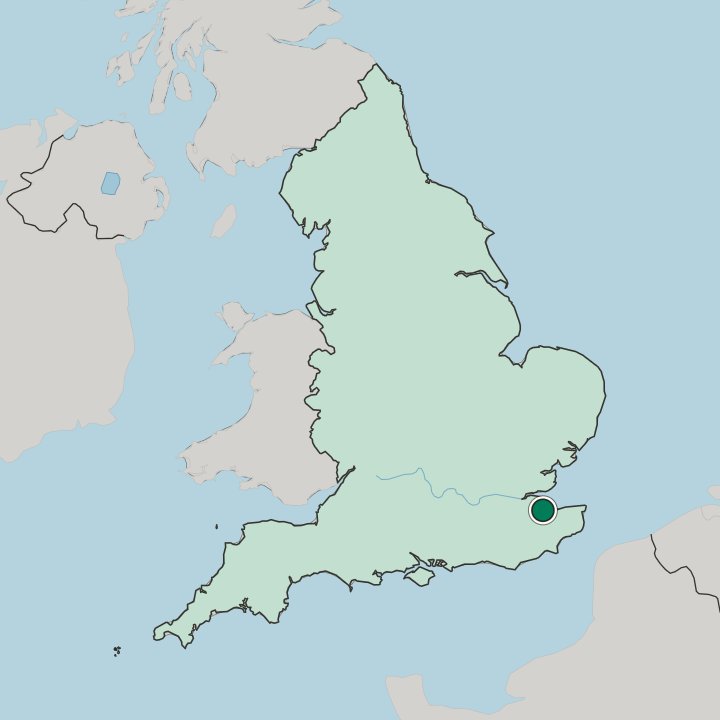
Watling Street runs through it. Sittingbourne is an industrial town in the Swale district of Kent, on the Roman road between London and Canterbury.
Hotel links are affiliate links: booking through them may earn us a commission, at no extra cost to you. It never affects how places are ranked. How this works



Where to stay in Sittingbourne
One neighbourhood here has its own guide — here's what it is best for.
 SittingbourneUnited KingdomVisitors riding the Sittingbourne and Kemsley Light Railway rather than working the town centre
Kemsley
Kemsley supplies the second half of the light railway's name and marks the far end of that line from Sittingbourne. Few places to stay nearby — book ahead.Kemsley →Hotel links are affiliate links: booking through them may earn us a commission, at no extra cost to you. It never affects how places are ranked. How this works
Find hotels in Sittingbourne
Direct booking searches for these neighbourhoods.
Watling Street centre
The centre is laid out along Watling Street, the Roman line the Anglo-Saxons went on using, and the town's shops and Holy Trinity church sit within that one stripFind hotels in Watling Street centreQuieter nights beside the Church of All Saints, Murston and Murston HouseMurston
Murston holds its own parish church and Murston House on the older worked edge of Sittingbourne, away from the traffic that follows Watling Street. Few places to stay nearby — book ahead.Find hotels in MurstonDrivers wanting Swale lanes with the Church of St Bartholomew, Bobbing within reachBobbing and Borden
Bobbing and Borden stand outside the built-up town, one keeping its Bartholomew church and the other Borden Hall, and both put a car between the bed and the shops. Lodging is scarce in this area; reserve in advance.Find hotels in Bobbing and BordenHotel links are affiliate links: booking through them may earn us a commission, at no extra cost to you. It never affects how places are ranked. How this works
Things to do in Sittingbourne
Ranked by global recognition; descriptions from Wikidata (CC0).
Museums & Galleries
2- Court Hall Museum
- Sittingbourne Heritage Museum
Churches & Religious Sites
8- Church of All Saints, Murston Heritage
- Church of St Peter and St Paul Heritage
- Church of St Michael Heritage
- Church of St Nicholas Heritage
- Church of St John the Baptist Heritage
Show 3 more →
- Church of St Lawrence Heritage
- Parish Church of the Holy Trinity Heritage
- Church of St Giles Heritage
Castles & Historic Sites
3- `Castle Rough' Medieval moated site Heritage
- Bayford Court
- Castle Rough
Stadiums & Sports
1- Gore Court
Landmarks & Notable Places
8- Claxfield House Heritage
- East Hall Heritage
- Backs House Heritage
- Borden Hall Heritage
- Brenchley House Heritage
Show 3 more →
- Chalkwell House Heritage
- Hinds House Heritage
- Jay's House Heritage
worth knowingacross 5 categories in Sittingbourne
About Sittingbourne
Three things carry the name.
What is Sittingbourne known for?
The Sittingbourne and Kemsley Light Railway ties the town to Kemsley, Watling Street sets the line the built-up ground follows, and the parish churches of the district mark the villages that stood along it before the works arrived. Local memory is housed in a pair of museums. Court Hall Museum and Sittingbourne Heritage Museum hold what Swale has gathered of its own past.
Roman ground lies close at Bax Farm Roman villa.
What are the main landmarks in Sittingbourne?
Churches outnumber everything. Sittingbourne and the parishes around it keep the Church of St Michael, the Church of St Lawrence, the Church of St Giles and the Church of St Bartholomew, Bobbing, with the Parish Church of the Holy Trinity in the town itself. Roman and medieval ground endures as well.
Castle Rough, a medieval moated site, and the Bax Farm Roman villa record the two layers beneath the modern street plan, while Gore Court, Chalkwell House and The High House stand among the catalogued houses of Swale. Court Hall Museum holds the rest.
What is the history of Sittingbourne?
The road came first. Watling Street was an ancient trackway before the Romans made a road of it, and the Anglo-Saxons went on using the same line, which is why Sittingbourne stands where it does rather than on a coast or a river mouth. Roman building followed the route.
Bax Farm Roman villa lies among the fields of the district, and the medieval centuries added Castle Rough, a moated site catalogued in its own right. Parishes formed around their churches. The Church of St Michael, the Church of St Lawrence, the Church of St Giles, the Church of St Nicholas and the Church of St Peter and St Paul each served a settlement in what became the Swale district of Kent.
Its place on the road did the rest. Sittingbourne sits 45 miles from London and 17 from Canterbury on the old road, which made it a stopping place long before it became an industrial town, and the money that passed along that line shows in the houses the district kept. Gore Court, Bayford Court, Claxfield House, East Hall, Brenchley House and Chalkwell House survive as that built record.
Rail came late and stayed small. The Sittingbourne and Kemsley Light Railway links the town with Kemsley, and Court Hall Museum together with Sittingbourne Heritage Museum now holds what the parishes and the works left behind.
Where is Sittingbourne?
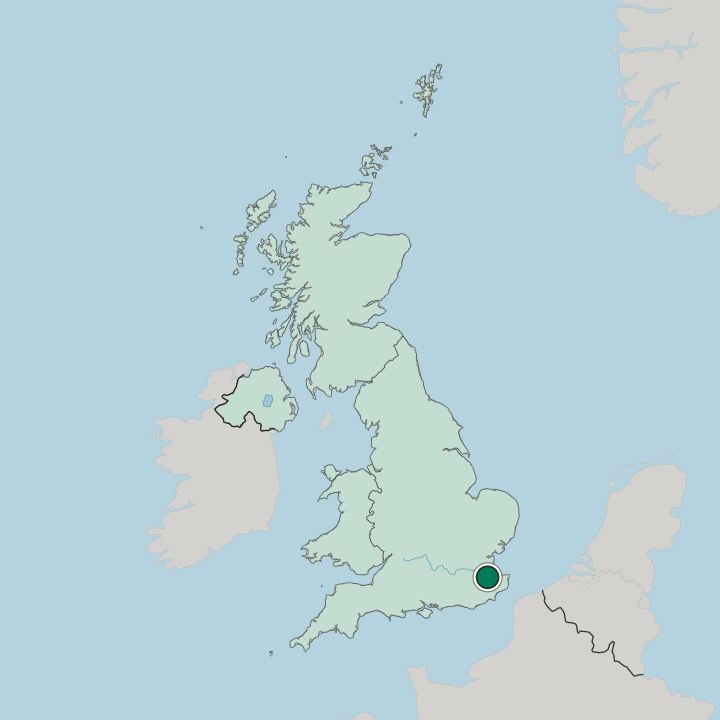
Lowland Kent, on the road. Sittingbourne belongs to the Swale district, and its ground is ordered less by hills or water than by Watling Street, the line that ties the town to Canterbury one way and London the other. Villages ring the built edge.
Murston, Bobbing, Borden and Kemsley each keep a name and a church of their own, and the temperate northern band the whole district sits in gives Kent the mild, unforced seasons that let those parishes be farmed continuously.
What is the climate of Sittingbourne?
The temperate band does the work. Sittingbourne lies well inside it on the northern side of the world, so the year turns on a long mild middle instead of a sharp break, and daylight marks the change of season more plainly than the thermometer ever does. Kent supplies no extremes.
Weather here spreads across the calendar rather than gathering into one part of it, which leaves timing a matter of preference for a visitor working between Canterbury and the Swale parishes.
How do you get to Sittingbourne?
Watling Street does the work. Arrivals follow the Roman line that holds Sittingbourne 45 miles from London and 17 from Canterbury, the same corridor the Anglo-Saxons kept in use once the legions had gone. Kemsley is the local ride.
The Sittingbourne and Kemsley Light Railway runs between the town and Kemsley as a heritage service rather than a way into the district, while drivers reach Murston, Bobbing and Borden on the ordinary lanes of Swale.
Common questions
What is the best area to stay in Sittingbourne?
Watling Street centre: First-timers who want the Parish Church of the Holy Trinity and the Sittingbourne shops on foot. Murston: Quieter nights beside the Church of All Saints, Murston and Murston House. Kemsley: Visitors riding the Sittingbourne and Kemsley Light Railway rather than working the town centre. Bobbing and Borden: Drivers wanting Swale lanes with the Church of St Bartholomew, Bobbing within reach.
Good for
More cities in England
Updated September 2026