United Kingdom · England
Where to Stay in St Helens, England
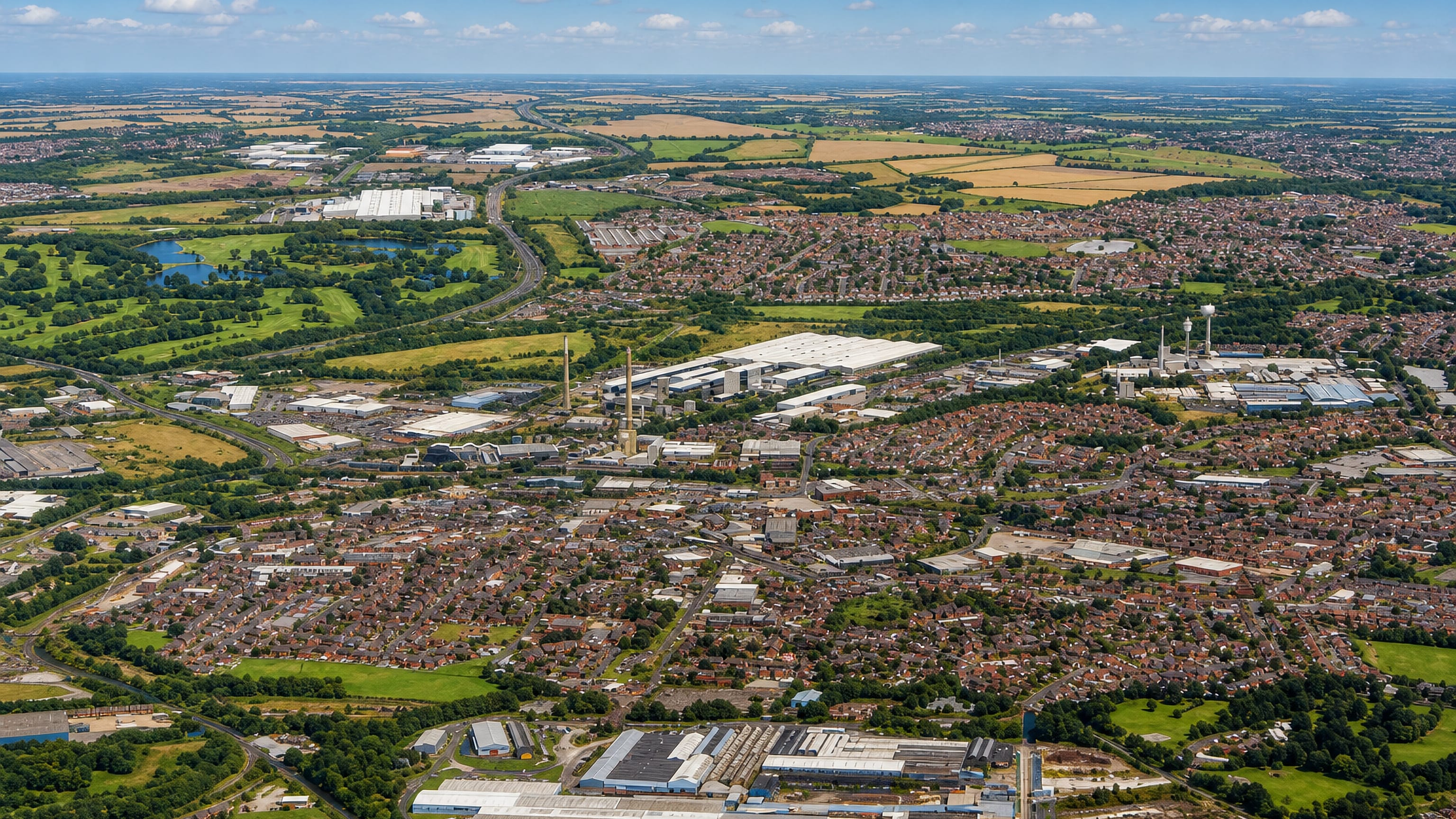
St Helens is an industrial town in Merseyside, north-east of Liverpool, and the administrative centre of its own metropolitan borough.
Hotel links are affiliate links: booking through them may earn us a commission, at no extra cost to you. It never affects how places are ranked. How this works



Where to stay in St Helens
One neighbourhood here has its own guide — here's what it is best for.

 St HelensUnited Kingdom
Eccleston Park
Eccleston Park is a civil parish in the Metropolitan Borough of St Helens, with Valerie Park and Prescot Museum among its nearby entries.Where to stay →Hotel links are affiliate links: booking through them may earn us a commission, at no extra cost to you. It never affects how places are ranked. How this works
Find hotels in St Helens
Direct booking searches for these neighbourhoods.
St Helens town centre
The World of Glass and the St Helens Museum And Art Gallery both stand in the middleFind hotels in St Helens town centreQuieter nights near Eccleston Hall with a carEccleston
Eccleston Hall and Nutgrove Hall stand on this calmer side of the boroughFind hotels in EcclestonDrivers basing themselves in the outer quartersParr and Ravenhead
St Peter's Church at Parr and St John the Evangelist at Ravenhead mark these twoFind hotels in Parr and RavenheadHotel links are affiliate links: booking through them may earn us a commission, at no extra cost to you. It never affects how places are ranked. How this works
Things to do in St Helens
Ranked by global recognition; descriptions from Wikidata (CC0).
Museums & Galleries
2- World of Glass
- St Helens Museum And Art Gallery
Churches & Religious Sites
8- Church of St Mary, Lowe House Heritage
- Holy Cross Church, St Helens Heritage
- St Helen's Church, St Helens Heritage
- St Peter's Church, Parr Heritage
- St Nicholas' Church, St Helens Heritage
Show 3 more →
- All Saints' Church, St Helens Heritage
- St John the Evangelist, Ravenhead Heritage
- Holy Trinity Church, Fingerpost Heritage
Castles & Historic Sites
1- Anderton Monument, St Helens Heritage
Landmarks & Notable Places
8- Eccleston Hall Heritage
- 11 High Street, Prescot Heritage
- Cockpit House Heritage
- 17 Atherton Street, Prescot Heritage
- 9 Market Place, Prescot Heritage
Show 3 more →
- Nutgrove Hall Heritage
- Scholes House Heritage
- The Mansion House Heritage
worth knowingacross 4 categories in St Helens
About St Helens
Industry set the pattern.
What is St Helens known for?
St Helens heads the Metropolitan Borough of St Helens in Merseyside, and the visitor list runs from the World of Glass and the St Helens Museum And Art Gallery to the North West Museum of Road Transport and the Smithy Heritage Centre. The Workers' Memorial stands for the rest. Parr, Ravenhead, Eccleston, and Fingerpost name the places around it.
What are the main landmarks in St Helens?
The World of Glass heads the list. St Helens Museum And Art Gallery, the North West Museum of Road Transport, and the Smithy Heritage Centre make up the rest of the museums, while The Workers' Memorial and the Anderton Monument are its monuments. Halls survive as well.
Eccleston Hall, Nutgrove Hall, Scholes House, and The Mansion House carry the older names, while St Helen's Church, All Saints' Church, Holy Cross Church, and the Church of St Mary at Lowe House carry the parish ones.
What is the history of St Helens?
Work built this town. The Workers' Memorial stands in St Helens as the plainest statement of that, and the World of Glass, the Smithy Heritage Centre, and the North West Museum of Road Transport each keep a piece of the industrial record. Lancashire held it first.
The town belonged to the historic county until 1974, when it became a separate metropolitan borough within Merseyside, and it has been the administrative centre of that borough since. Parishes mark the older ground. St Helen's Church shares the town's name, and All Saints' Church, Holy Cross Church, St Nicholas' Church, Christ Church, and the Church of St Mary Immaculate spread across the streets, with St Peter's Church at Parr, St John the Evangelist at Ravenhead, and Holy Trinity Church at Fingerpost serving the areas beyond.
Older houses survive too. Eccleston Hall, Nutgrove Hall, Scholes House, and The Mansion House stand among the town's older buildings, and the Church of St Mary at Lowe House and the Anderton Monument belong to the same record. The St Helens Museum And Art Gallery gathers what the rest leaves out.
Where is St Helens?
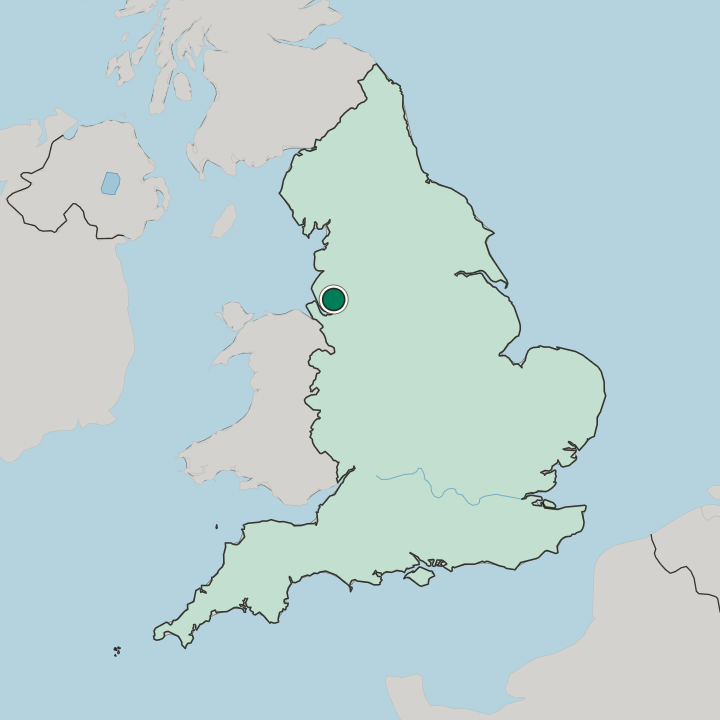
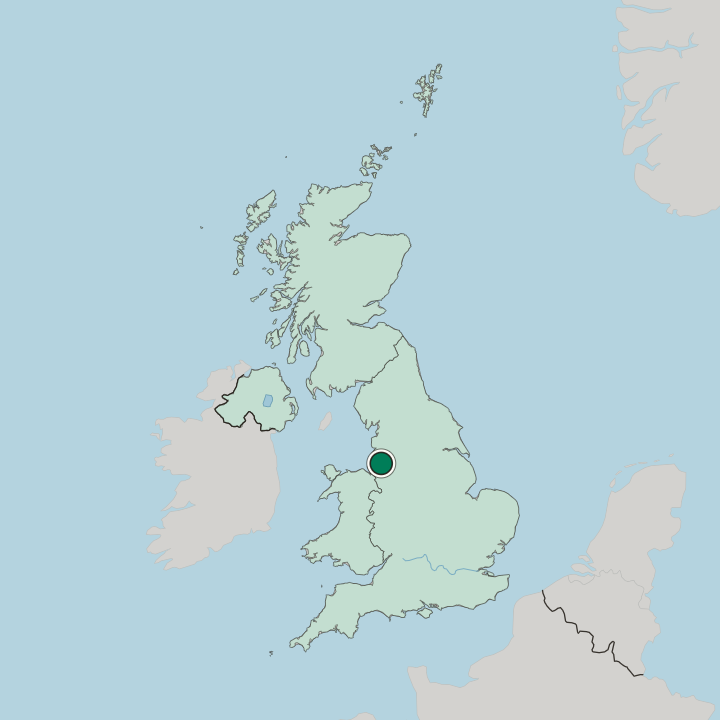
Merseyside contains the town, though the older county was Lancashire. St Helens lies north-east of Liverpool, and the metropolitan borough it heads covers a good deal more ground than the town itself. Parr and Ravenhead sit inside it.
Eccleston, Nutgrove, Scholes, and Fingerpost fill out the local map, each attached to a hall, a house, or a church that carries its name.
What is the climate of St Helens?
Grey and mild describes most of the year. Winters stay cool without settling into hard frost, summers warm without reaching extremes, and rain turns up across all the seasons in a temperate pattern shared with the rest of Merseyside. Cloud is the default.
Wind and drizzle do more of the work than snow ever does.
How do you get to St Helens?
Liverpool lies south-west of the town. St Helens sits north-east of the city, close enough that the run in from Liverpool is short, and the borough roads reach Parr, Ravenhead, Eccleston, and Nutgrove from the centre. Merseyside surrounds it.
The North West Museum of Road Transport keeps that side of the town's story.
Common questions
What is the best area to stay in St Helens?
St Helens town centre: Short stays walking to the World of Glass and the museums. Eccleston: Quieter nights near Eccleston Hall with a car. Parr and Ravenhead: Drivers basing themselves in the outer quarters.
Good for
More cities in England
Updated September 2026