United Kingdom · England
Where to Stay in Stourbridge, England
Stourbridge is a West Midlands market town on the River Stour, a glass-making centre marked by the Red House Glass Cone at the Black Country's edge.
Hotel links are affiliate links: booking through them may earn us a commission, at no extra cost to you. It never affects how places are ranked. How this works




Where to stay in Stourbridge
Where the beds are, and what that means for the visit.
St Thomas' Church, Stourbridge marks the useful part of town. Rooms sit within reach of it, along with The Castle, Osborne House and Holland House, while the Lace Guild Museum is close enough to fill an hour on the way past. Minutes cover the ground between them.
Oldswinford is the next step out, gathered round the Parish Church of St Mary, Oldswinford, and it swaps the shops for something more settled without putting real distance between a stay and the middle of Stourbridge. Wordsley is worth it for the glass. The Red House Glass Cone stands on that side, with Wordsley Hall and Dennis Hall nearby, so a base there keeps the cone and the River Stour within a short walk of one another.
Canal ground is quieter still. The pair of houses at Stewponey Lock on the Staffordshire and Worcestershire Canal, together with the Lock Keeper's House, mark an outer edge where beds all but disappear and a car stops being optional. Quarry Bank offers its Peace Memorial and Garden and not a great deal else, so anyone wanting a real choice of hotels books in Birmingham, 11 miles east, and comes out for the day.
Find hotels in Stourbridge
Direct booking searches for these neighbourhoods.
Stourbridge centre
The working middle of the town, holding The Castle, Osborne House, Holland House and the Lace Guild Museum.Find hotels in Stourbridge centrea settled stay by the Parish Church of St MaryOldswinford
Streets gathered round the Parish Church of St Mary, Oldswinford, one step out from the shops and no further. Lodging is scarce in this area; reserve in advance.Find hotels in Oldswinfordwaking up beside the Red House Glass ConeWordsley
The glass-making side of Stourbridge, with the Red House Glass Cone, Wordsley Hall and Dennis Hall together. Few places to stay nearby — book ahead.Find hotels in Wordsleycanal quiet at the lockStewponey
The Staffordshire and Worcestershire Canal at Stewponey Lock, where the Lock Keeper's House and its pair of cottages are most of the settlement. Beds are limited here, so book early.Find hotels in StewponeyHotel links are affiliate links: booking through them may earn us a commission, at no extra cost to you. It never affects how places are ranked. How this works
Things to do in Stourbridge
Ranked by global recognition; descriptions from Wikidata (CC0).
Museums & Galleries
2- Red House Glass Cone Heritage
- Lace Guild Museum
Churches & Religious Sites
8- St Thomas' Church, Stourbridge Heritage
- Church of St Michael Heritage
- Church of St John the Evangelist Heritage
- Parish Church of St Mary, Oldswinford Heritage
- Parish Church of St Peter Heritage
Show 3 more →
- Church of St James Heritage
- Church of St John Heritage
- Holy Trinity Church Heritage
Stadiums & Sports
1- War Memorial Athletic Ground
Landmarks & Notable Places
8- Dennis Hall Heritage
- Holland House Heritage
- Lock Keeper's House Heritage
- Osborne House Heritage
- Staffordshire and Worcestershire Canal Pair Of Houses At Stewponey Lock Heritage
Show 3 more →
- Stourhurst House Heritage
- The Castle Heritage
- Wordsley Hall Heritage
worth knowingacross 4 categories in Stourbridge
About Stourbridge
Glass made this town.
What is Stourbridge known for?
Stourbridge was the centre of British glass making through the Industrial Revolution, and the Red House Glass Cone survives as the most visible piece of that trade left standing. The Lace Guild Museum covers another craft. St Thomas' Church, Stourbridge and the Parish Church of St Mary, Oldswinford anchor the older parishes on either side of the River Stour.
What are the main landmarks in Stourbridge?
Glass leaves the biggest mark, at the Red House Glass Cone. Nothing else in Stourbridge carries that weight, though the Lace Guild Museum keeps a craft collection of its own and the War Memorial Athletic Ground and the Quarry Bank Peace Memorial and Garden serve as the town's open-air fixtures. Parish churches make up the balance.
St Thomas' Church, Christ Church, Holy Trinity Church, the Parish Church of St Peter, the Church of St James and the Roman Catholic Church of Our Lady and All Saints are joined by houses like Stourhurst House, Osborne House, Holland House and The Castle.
What is the history of Stourbridge?
Worcestershire held Stourbridge for most of its history. The market town on the River Stour belonged to that county long before the West Midlands existed as an administrative idea, and the Parish Church of St Mary, Oldswinford carries the parish record from those centuries. Glass changed the scale of everything.
Through the Industrial Revolution the town became the centre of British glass making, and the Red House Glass Cone is the single structure that still shows how the trade was carried on. Water and coal did the rest. The Staffordshire and Worcestershire Canal brought the traffic that the furnaces needed, and the pair of houses at Stewponey Lock together with the Lock Keeper's House survive from the working canal that resulted.
Halls and villas followed the money. Dennis Hall and Wordsley Hall stand on the glass-making side, while Stourhurst House, Osborne House, Holland House and The Castle belong to the town itself. Congregations multiplied alongside: St Thomas' Church, Stourbridge, Christ Church, Holy Trinity Church, the Church of St Michael, the Church of St John, the Church of St John the Evangelist, the Parish Church of St Peter and the Roman Catholic Church of Our Lady and All Saints all serve the ground the Metropolitan Borough of Dudley now administers.
Two memorials close the account. The War Memorial Athletic Ground and the Quarry Bank Peace Memorial and Garden record the wars that the Black Country came through.
Where is Stourbridge?
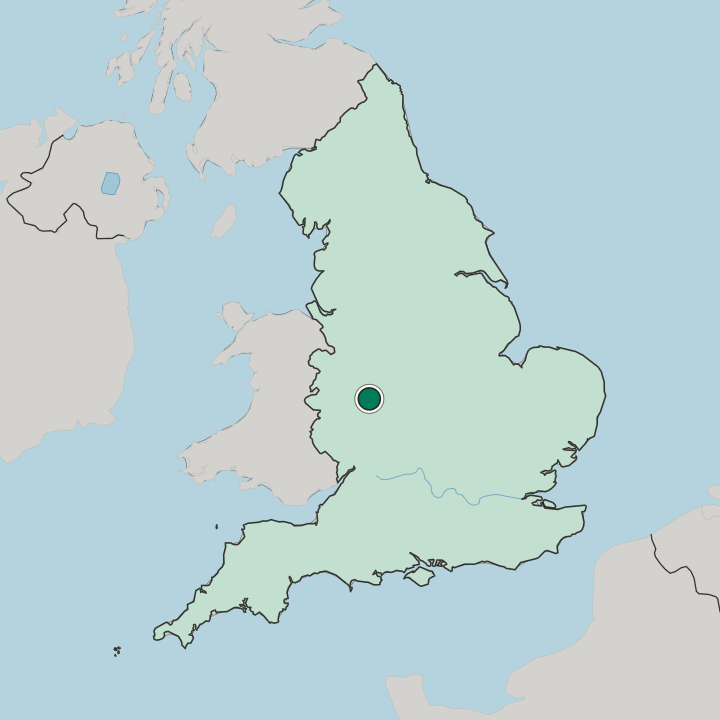
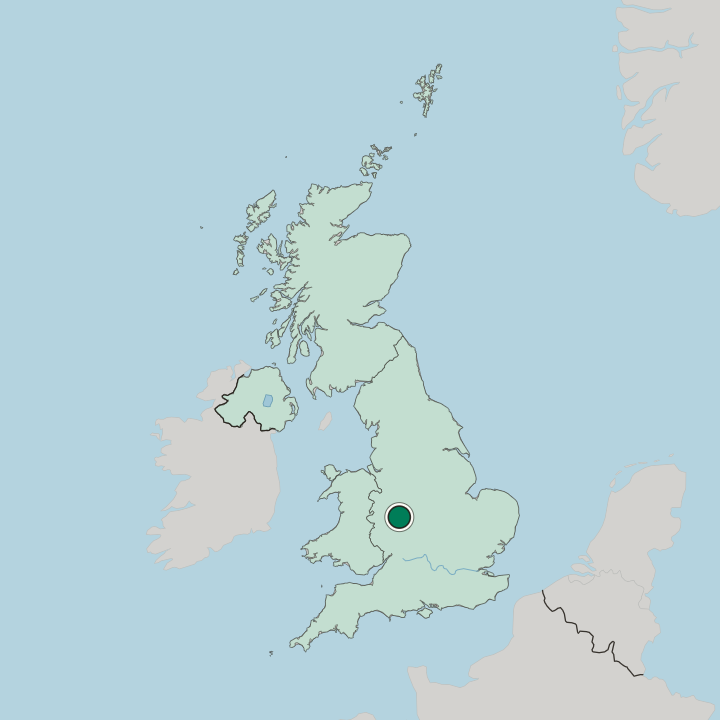
The River Stour gives the town its name and its line. Stourbridge lies at the south-western edge of the Black Country conurbation, so built-up ground runs away on one side while open Worcestershire country begins on the other. Birmingham is 11 miles east.
Wordsley, Oldswinford and Quarry Bank fill in the ground between, and the Staffordshire and Worcestershire Canal passes Stewponey Lock at the outer limit of the Metropolitan Borough of Dudley.
What is the climate of Stourbridge?
The Stour valley collects the damp. Cold air drains down to the river on still winter nights and the low ground below Stourbridge holds it there, while the built-up Black Country behind the town stays a shade warmer through the same hours. Rain comes in every month.
The Red House Glass Cone, the Lace Guild Museum and the churches at Oldswinford give a wet afternoon somewhere to go.
How do you get to Stourbridge?
Birmingham lies 11 miles east. Most arrivals come from that direction, because Stourbridge sits at the south-western edge of the Black Country conurbation inside the Metropolitan Borough of Dudley rather than standing off on its own. Inside the town, nothing takes long to reach.
Wordsley, Oldswinford and Quarry Bank are minutes from the centre, while the Staffordshire and Worcestershire Canal reaches Stewponey Lock and the Lock Keeper's House further out.
Common questions
What is the best area to stay in Stourbridge?
Stourbridge centre: rooms within reach of St Thomas' Church. Oldswinford: a settled stay by the Parish Church of St Mary. Wordsley: waking up beside the Red House Glass Cone. Stewponey: canal quiet at the lock.
Good for
More cities in England
Updated September 2026