United Kingdom · England
Where to Stay in Tottenham, England
Tottenham is a district of the London Borough of Haringey, north-northeast of Charing Cross, known for Bruce Castle and All Hallows' Church.
Hotel links are affiliate links: booking through them may earn us a commission, at no extra cost to you. It never affects how places are ranked. How this works


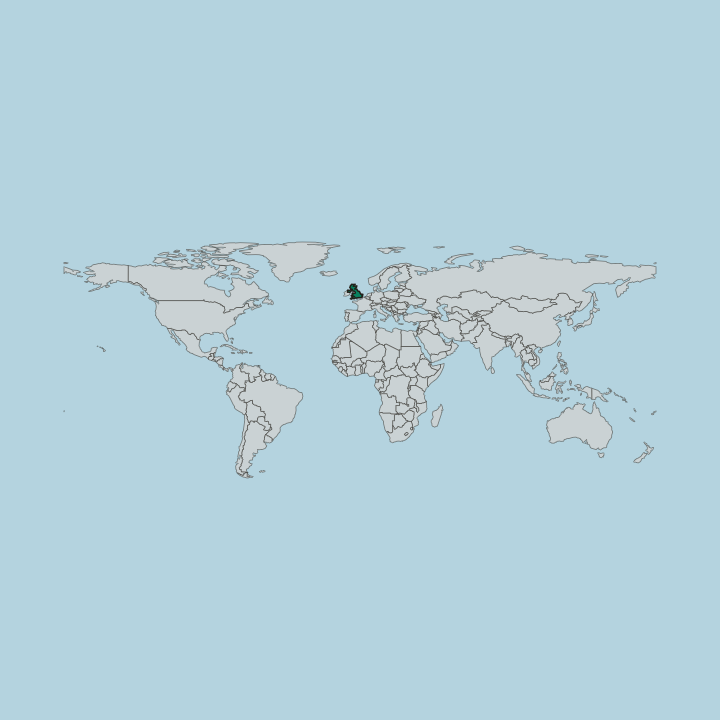
Where to stay in Tottenham
Each area has its own feel; here's who each one suits.

 TottenhamUnited Kingdom
Northumberland Park
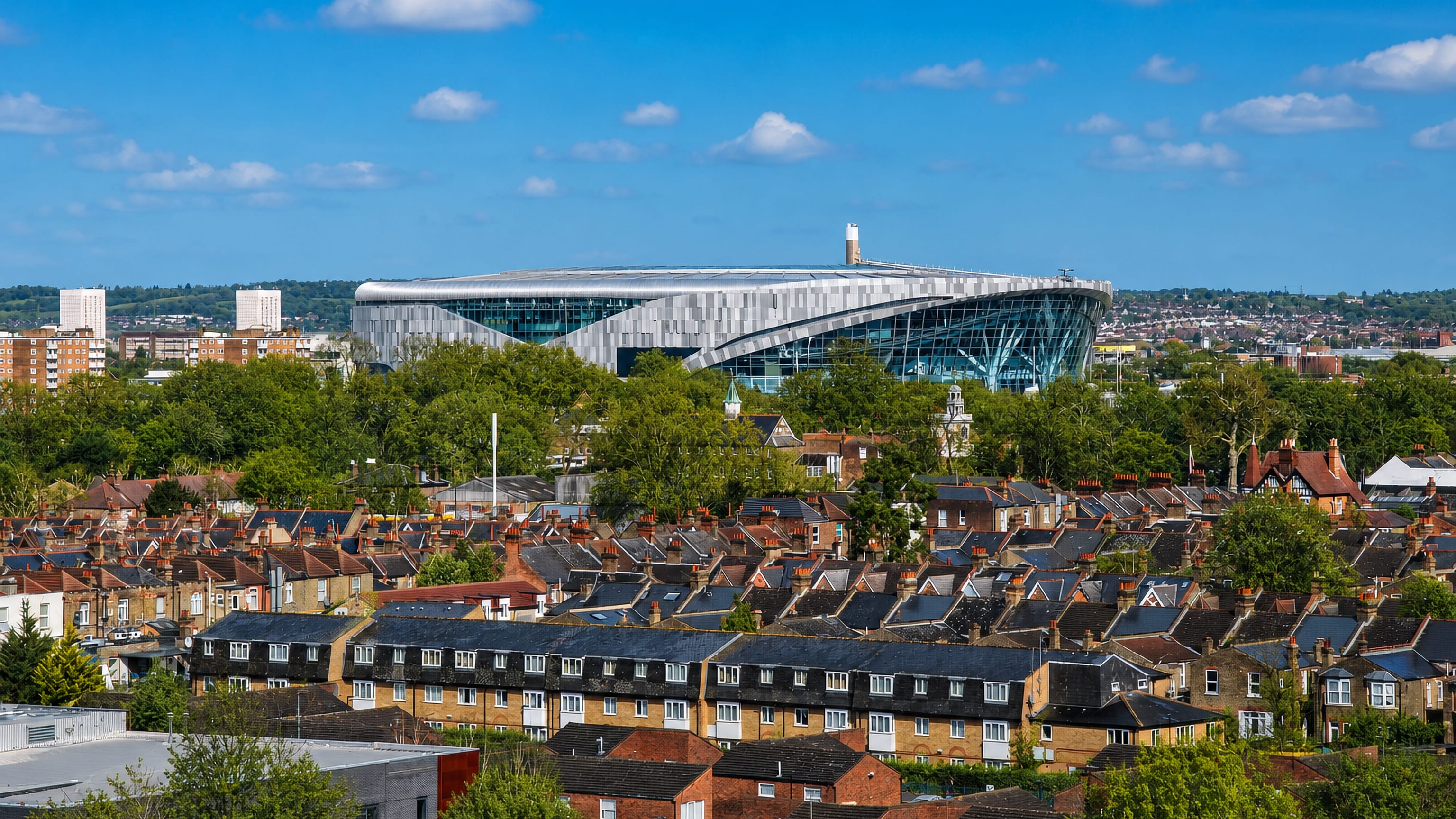
Tottenham Hotspur Stadium stands among the houses and flats of this Tottenham ward, on land the Northumberland family once owned.Where to stay → TottenhamUnited Kingdom
Tottenham Hale
Tottenham Hale is a district of the London Borough of Haringey, bounded by the River Lea and lying south-east of Tottenham proper.Where to stay → TottenhamUnited Kingdom
Seven Sisters
This corner of Tottenham sits at the eastern end of Seven Sisters Road, where the route back from Holloway reaches Tottenham High Road.Where to stay →TottenhamUnited KingdomStroud Green
Stroud Green straddles the Haringey and Islington boundary in north London, with Stroud Green Road marking the line along its south-western side.Where to stay →Hotel links are affiliate links: booking through them may earn us a commission, at no extra cost to you. It never affects how places are ranked. How this works
Find hotels in Tottenham
Direct booking searches for these neighbourhoods.
Around Bruce Castle
The older Tottenham streets that Bruce Castle stands inFind hotels in Around Bruce CastleShort London stays wanting the newest Tottenham building workThe Northumberland Development Project side
Closest to the Northumberland Development Project groundFind hotels in The Northumberland Development Project sideMuseum days at the William Morris Gallery and the Pump HouseWalthamstow across the Lea
The east bank of the River Lea facing TottenhamFind hotels in Walthamstow across the LeaHotel links are affiliate links: booking through them may earn us a commission, at no extra cost to you. It never affects how places are ranked. How this works
Things to do in Tottenham
Ranked by global recognition; descriptions from Wikidata (CC0).
Museums & Galleries
1- Markfield Beam Engine and Museum Heritage
Churches & Religious Sites
8- All Hallows' Church, Tottenham Heritage
- Church of St Michael and All Angels Heritage
- St Ann's Church Heritage
- St Benet Fink Church, Tottenham Heritage
- New Testament Church of God Cathedral of Praise Heritage
Show 3 more →
- Church of St Mary the Virgin Heritage
- Church of Holy Innocents Heritage
- Church of St John The Baptist (greek Orthodox) Heritage
Stadiums & Sports
2- Northumberland Development Project
- Tee-To-Tum
Landmarks & Notable Places
4- Tower to south west of Bruce Castle Heritage
- Dial House Heritage
- Percy House Heritage
- Stapleton Hall Heritage
worth knowingacross 4 categories in Tottenham
About Tottenham
Bruce Castle anchors the place.
What is Tottenham known for?
All Hallows' Church, St Ann's Church, and the Former Ark Of The Covenant carry the older fabric of the London Borough of Haringey here, while the Northumberland Development Project stands for the newer building. The River Lea runs on the east. Markfield Beam Engine and Museum stands among the district's museums, and Walthamstow lies across the Lea with the William Morris Gallery and Walthamstow Pump House Museum beyond.
What are the main landmarks in Tottenham?
The named sites run largely to churches. All Hallows' Church, St Ann's Church, and the Church of St Mary the Virgin carry the parish names, while St Mary's Greek Orthodox Church and the New Testament Church of God Cathedral of Praise show how varied the congregations became. Bruce Castle is not one of them.
Markfield Beam Engine and Museum, the William Morris Gallery, and the Walthamstow Pump House Museum sit on and beyond the River Lea. Walthamstow Stadium, Abney Park Chapel, Truro House, Millfield House, and Brookscroft fill out the rest.
What is the history of Tottenham?
Bruce Castle carries the oldest name. The house and All Hallows' Church belong to the older Tottenham, and the parish dedications around them, St Ann, St Mary the Virgin, St Benet Fink, St Michael and All Angels, mark the settlement that grew before Greater London reached it. Industry arrived by the Lea.
Markfield Beam Engine and Museum keeps the machinery of that period, and the Walthamstow Pump House Museum across the River Lea holds the same kind of record on the far bank. London absorbed the district. Tottenham became part of the London Borough of Haringey within the ceremonial county of Greater London, centred six miles north-northeast of Charing Cross, with Edmonton, Walthamstow, Stamford Hill, Wood Green, and Harringay pressing on every border.
Congregations multiplied with the people. St Mary's Greek Orthodox Church, the New Testament Church of God Cathedral of Praise, and the Former Ark Of The Covenant joined the older parishes, and Abney Park Chapel stands among them. The newest layer has a project name.
The Northumberland Development Project names the newer building work in the district, and Walthamstow Stadium and the William Morris Gallery sit east of the River Lea.
Where is Tottenham?
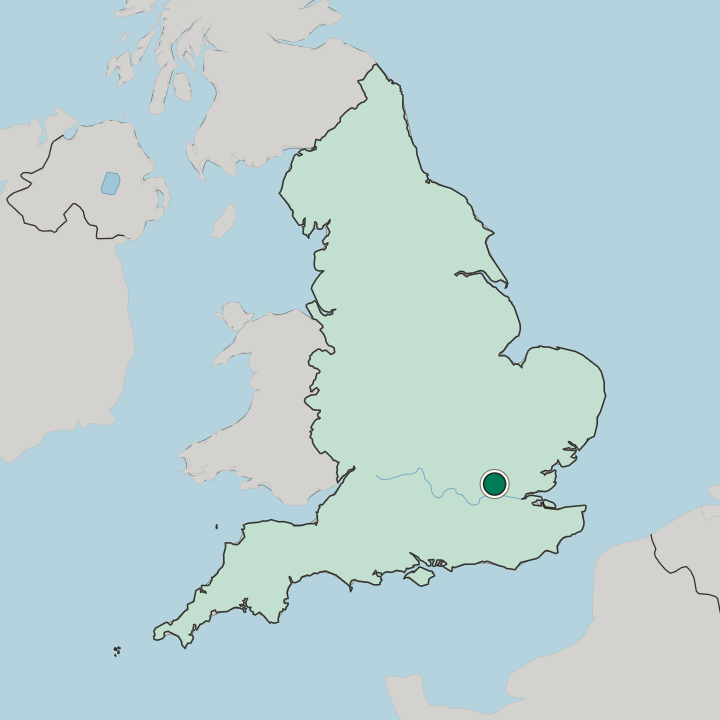
Tottenham lies inside the London Borough of Haringey, part of the ceremonial county of Greater London, centred six miles north-northeast of Charing Cross. The River Lea forms the eastern edge. Walthamstow stands across that water, Edmonton runs north, Stamford Hill lies south, and Wood Green and Harringay close the district off to the west, leaving Tottenham with a built neighbour on every side.
Only the Lea opens the map.
What is the climate of Tottenham?
The Lea valley carries the weather through. Tottenham sits in the temperate band of the northern hemisphere and away from the coast, so the seasons turn through their full range without the moderation a shoreline would give. Built ground holds heat.
Greater London spreads on every side of the district, and only the River Lea corridor east of Tottenham breaks the continuous streets between here and Walthamstow.
How do you get to Tottenham?
Charing Cross is the reference point. Tottenham is centred six miles north-northeast of it, so anything arriving through central London runs out along that axis, with Stamford Hill passed on the way in from the south. The River Lea is the eastern break.
Crossings over that water link Tottenham to Walthamstow, while Edmonton continues the built ground north and Wood Green and Harringay carry the approach from the west inside the London Borough of Haringey.
Common questions
What is the best area to stay in Tottenham?
Around Bruce Castle: Quieter nights near All Hallows' Church and St Ann's Church. The Northumberland Development Project side: Short London stays wanting the newest Tottenham building work. Walthamstow across the Lea: Museum days at the William Morris Gallery and the Pump House.
Good for
More cities in England
Updated October 2026