United Kingdom · England
Where to Stay in Wakefield, England
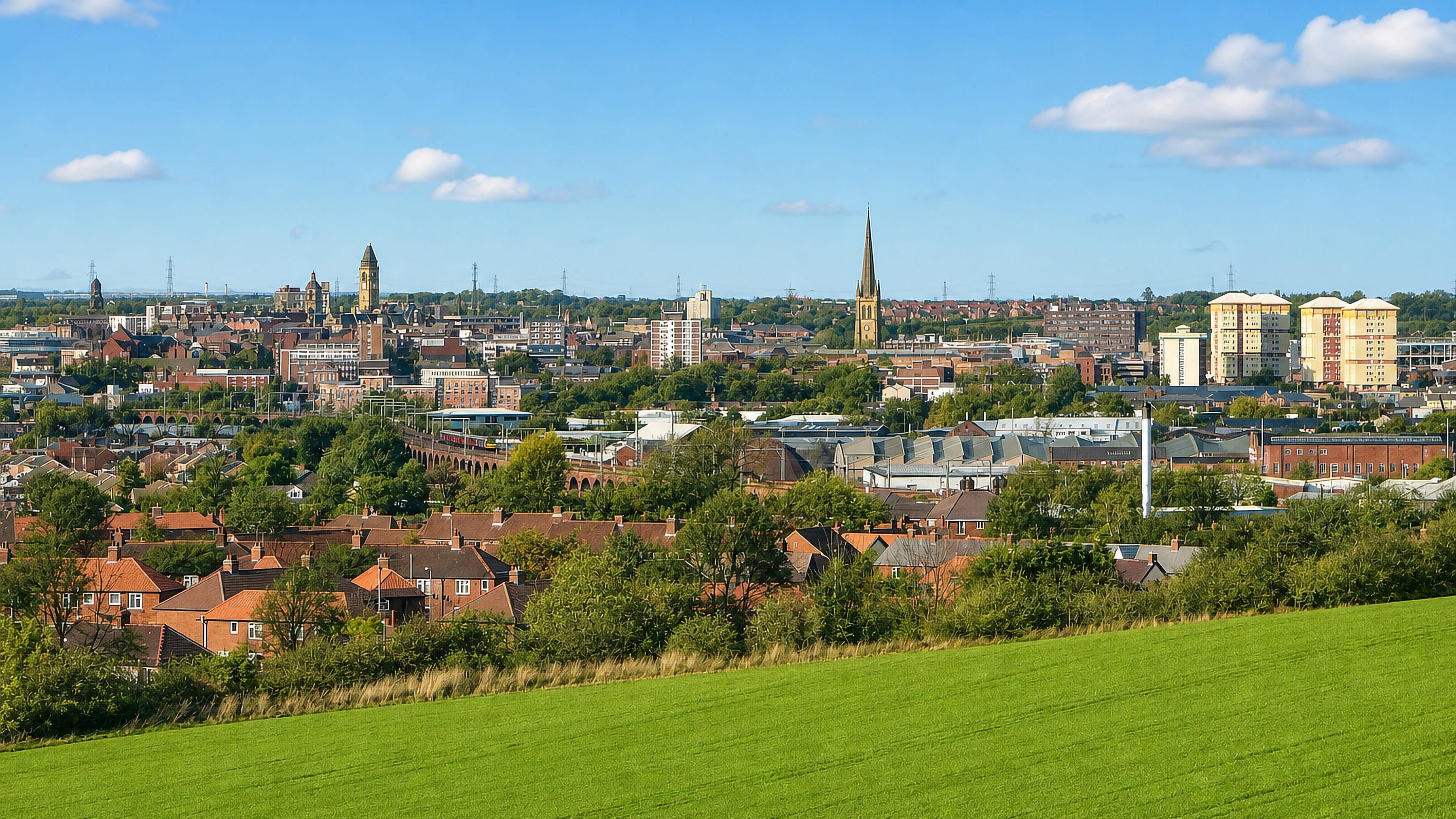
Wakefield is a cathedral city on the River Calder in West Yorkshire, with Sandal Castle and the Hepworth Wakefield among its landmarks.
Hotel links are affiliate links: booking through them may earn us a commission, at no extra cost to you. It never affects how places are ranked. How this works


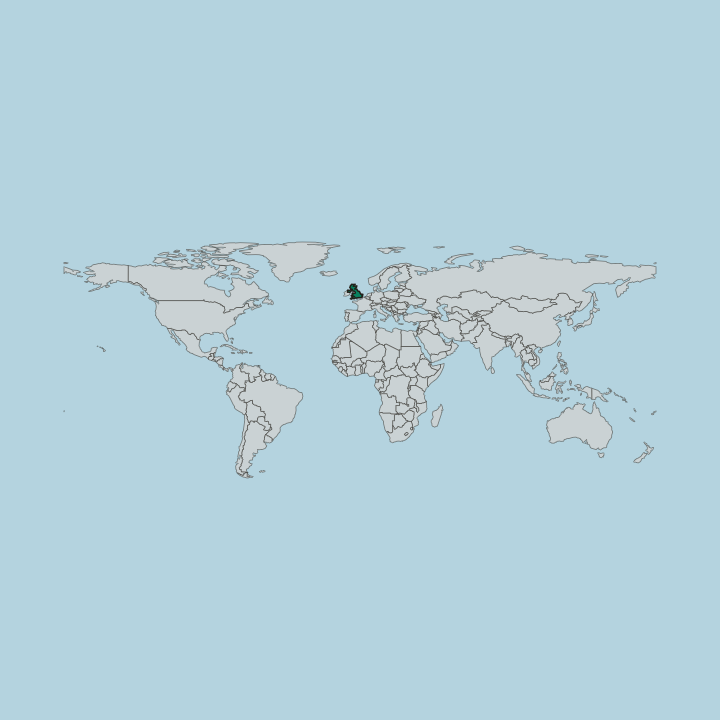
Where to stay in Wakefield
Not every neighbourhood fits every trip — here's what each one is good for.

 WakefieldUnited Kingdom
Belle Isle
Belle Isle is a district of Wakefield in England, and the register carries little more about it than the name and the city it belongs to.Where to stay →WakefieldUnited KingdomSandal Magna
Sandal Magna is a district of Wakefield whose record is headed by Sandal Castle, the Church of St Helen and a run of listed houses.Where to stay →Hotel links are affiliate links: booking through them may earn us a commission, at no extra cost to you. It never affects how places are ranked. How this works
Find hotels in Wakefield
Direct booking searches for these neighbourhoods.
City centre
The Chantry Chapel of St Mary the Virgin and Wakefield Museum are both central, and a room here also puts Leeds twelve miles up the road for anyone using the city as a baseFind hotels in City centreA day given to the Hepworth Wakefield galleryAround the Hepworth Wakefield
The Hepworth Wakefield is the attraction this city is most often approached for, and a bed pitched at it belongs to a gallery day rather than a castle oneFind hotels in Around the Hepworth WakefieldSandal Castle and the Battle of Wakefield monumentSandal
Sandal Castle, the Church of St Helen, Sandal and the monument east of Manygates School give this corner of the Metropolitan Borough of Wakefield its own set of sights, away from the centreFind hotels in SandalHotel links are affiliate links: booking through them may earn us a commission, at no extra cost to you. It never affects how places are ranked. How this works
Things to do in Wakefield
Ranked by global recognition; descriptions from Wikidata (CC0).
Museums & Galleries
2- Drury Lane Library Heritage
- Hepworth Wakefield
Churches & Religious Sites
8- Chantry Chapel of St Mary the Virgin, Wakefield Heritage
- Church of St John the Baptist Heritage
- St Peter's Church Heritage
- Church of St Faith Heritage
- Church of St Paul Heritage
Show 3 more →
- Church of St Peter Heritage
- Church of St Andrew and St Mary Heritage
- Church of St Helen, Sandal Heritage
Castles & Historic Sites
2- Sandal Castle Heritage
- Monument to Battle of Wakefield to east of Manygates School Heritage
Stadiums & Sports
1- College Grove
Landmarks & Notable Places
8- Heath Hall Heritage
- Crown Court House Heritage
- The Dower House Heritage
- Heath House Heritage
- York House Heritage
Show 3 more →
- Austin House Heritage
- Hatfield Hall Heritage
- The Priest's House Heritage
worth knowingacross 5 categories in Wakefield
About Wakefield
Art and coal split the visits.
What is Wakefield known for?
The Hepworth Wakefield stands beside the River Calder, while the National Mining Museum for England works the seam of industrial history that shaped the district around the city. Sandal Castle adds a third reason. Its earthworks look over the fields where the Battle of Wakefield was fought, and a monument to the engagement stands east of Manygates School.
Wakefield Museum and the Chantry Chapel of St Mary the Virgin fill in the older story.
What are the main landmarks in Wakefield?
The Hepworth Wakefield takes the top billing. Sandal Castle and the Chantry Chapel of St Mary the Virgin are the medieval entries, and the monument to the Battle of Wakefield stands east of Manygates School. Churches carry much of the rest.
St Peter's Church, the Church of St John the Baptist, the Church of St Faith and the Church of St Paul are among the listed ones. Heath Hall, Heath House, Clarke Hall, Hatfield Hall, York House and the Drury Lane Library round out the built record, with Wakefield Museum holding the account of it.
What is the history of Wakefield?
Wakefield's beginnings carry no recorded date. Sandal Castle is the earliest fixed point the record gives for Wakefield, and the Battle of Wakefield, commemorated by a monument east of Manygates School, is the event the city's name carries furthest. The Chantry Chapel of St Mary the Virgin survives from the same medieval centuries, and the Church of St Helen, Sandal and the Church of St John the Baptist belong to the older parish fabric.
Stone came before coal. Coal made the modern town. The National Mining Museum for England is one of the two attractions the city is usually approached for, and it sets the industrial half of Wakefield's story against the medieval half.
Houses record the money in between. Heath Hall, Heath House, Clarke Hall, Hatfield Hall, York House, Pemberton House, Austin House, The Dower House and The Priest's House are all on the list of protected buildings. Administration settled alongside the industry.
Wakefield became the administrative centre of the Metropolitan Borough of Wakefield and part of the West Yorkshire Built-up Area within the Yorkshire and the Humber region, and the Crown Court House and the Drury Lane Library stand among its civic buildings. The River Calder still runs through it.
Where is Wakefield?
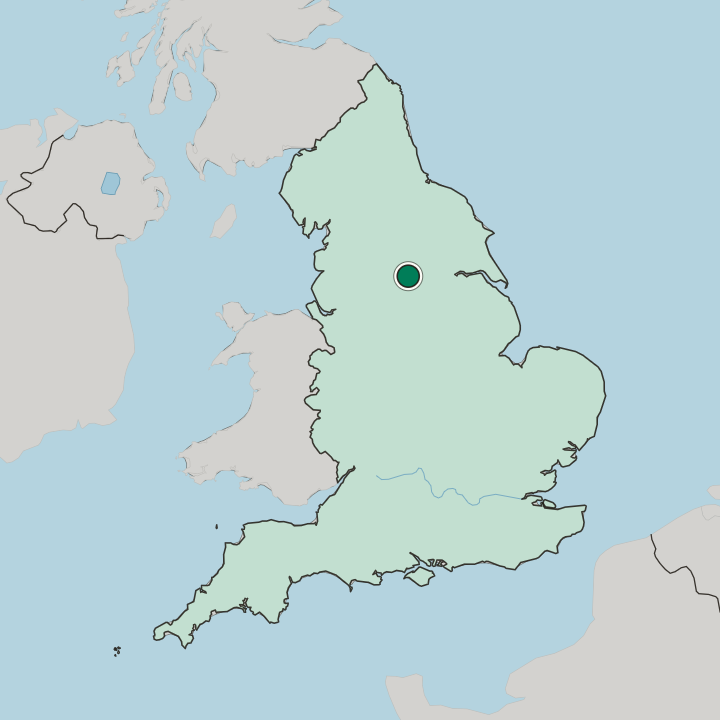
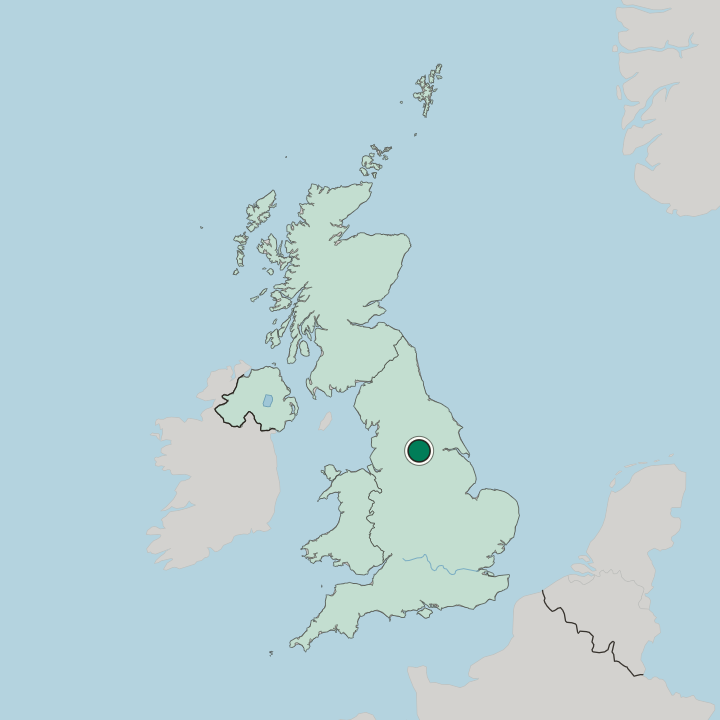
The River Calder crosses the city. Wakefield stands on its banks in West Yorkshire, twelve miles south of Leeds, and belongs to the West Yorkshire Built-up Area within the Yorkshire and the Humber region. Sheffield sits within reach too.
The Metropolitan Borough of Wakefield spreads out around the city, taking in Sandal, where Sandal Castle and the Church of St Helen, Sandal stand, along with the country ground that Heath Hall and Hatfield Hall occupy.
What is the climate of Wakefield?
The temperate band governs the year. Wakefield lies within it, north of the equator, so the seasons turn in the usual northern order and neither the heat nor the cold reaches the point of shutting the city down. Indoors and outdoors both work.
The Hepworth Wakefield, Wakefield Museum and the Drury Lane Library hold a wet afternoon, while Sandal Castle and the walk along the River Calder want a clear one.
How do you get to Wakefield?
Wakefield works as a transport hub. That role is what makes the city an alternative base for Leeds or Sheffield rather than only a destination of its own, and it is the first practical argument for a bed here. Leeds is twelve miles north.
Wakefield sits that far south of it in West Yorkshire, close enough that a day in either city can start and end at a room in the other. The Metropolitan Borough of Wakefield extends well past the built-up centre, so Sandal Castle, Heath Hall and Hatfield Hall need a short run out from the middle.
Common questions
What is the best area to stay in Wakefield?
City centre: Wakefield Museum, the Drury Lane Library and the Crown Court House. Around the Hepworth Wakefield: A day given to the Hepworth Wakefield gallery. Sandal: Sandal Castle and the Battle of Wakefield monument.
Good for
More cities in England
Updated September 2026