United Kingdom · England
Where to Stay in Welwyn Garden City, England
Welwyn Garden City is a planned Hertfordshire town, set out from 1920 as England's second garden city and one of its first new towns.
Hotel links are affiliate links: booking through them may earn us a commission, at no extra cost to you. It never affects how places are ranked. How this works


Where to stay in Welwyn Garden City
The practical side of choosing where to sleep.
Beds gather in the middle. The neo-Georgian town centre is where the 1920 plan put the shops and the head of Parkway, and a room there leaves the boulevards, the greens and the vista that made the town's name inside an easy walk. Choice thins out past it.
Mill Green trades the planned streets for Mill Green Museum and Working Mill, and older Welwyn keeps the Parish Church of St Mary and the Welwyn Roman Baths within reach of the same afternoon. Neither is central. Two choices change the trip's shape entirely.
Auberge du Lac stands away from the streets and by the water, which suits a stay built around one long evening rather than around the plan of the town. Cole Green House and Ayot Green lie further out again, among lanes where the Welwyn Hatfield countryside takes over from the garden city. Perry's Grove is a walk, not a base.
If you want the town itself, stay in the centre: the layout is the attraction here, and a layout is read best from the point all its avenues were drawn from.
Find hotels in Welwyn Garden City
Direct booking searches for these neighbourhoods.
The neo-Georgian centre
The head of Parkway, the shops and the boulevards all begin hereFind hotels in The neo-Georgian centreStays that want Mill Green Museum and Working Mill at the doorMill Green
The working mill and its lanes sit at the edge of the planned streets. Rooms are few around here — worth securing early.Find hotels in Mill GreenTravellers pairing the Welwyn Roman Baths with the Parish Church of St MaryOld Welwyn
The older village core, set apart from the garden city's boulevards. Beds are limited here, so book early.Find hotels in Old WelwynOne long evening by the water instead of a town-centre baseAuberge du Lac
Auberge du Lac stands out by the lake, away from the planned streets. Beds are limited here, so book early.Find hotels in Auberge du LacHotel links are affiliate links: booking through them may earn us a commission, at no extra cost to you. It never affects how places are ranked. How this works
Things to do in Welwyn Garden City
Ranked by global recognition; descriptions from Wikidata (CC0).
Churches & Religious Sites
4- Parish Church of St Mary, Welwyn Heritage
- Church of St Peter Heritage
- Church of St John the Evangelist Heritage
- The Parish Church of St John Heritage
Castles & Historic Sites
1- Linear earthwork in Perry's Grove Heritage
Landmarks & Notable Places
8- Auberge du Lac Heritage
- 6 Ayot Green Heritage
- Bridge House Heritage
- Cole Green House Heritage
- Fulling Mill House Heritage
Show 3 more →
- Old Church House Heritage
- The Mill House Heritage
- The White House Heritage
worth knowingacross 3 categories in Welwyn Garden City
About Welwyn Garden City
Planning is the attraction.
What is Welwyn Garden City known for?
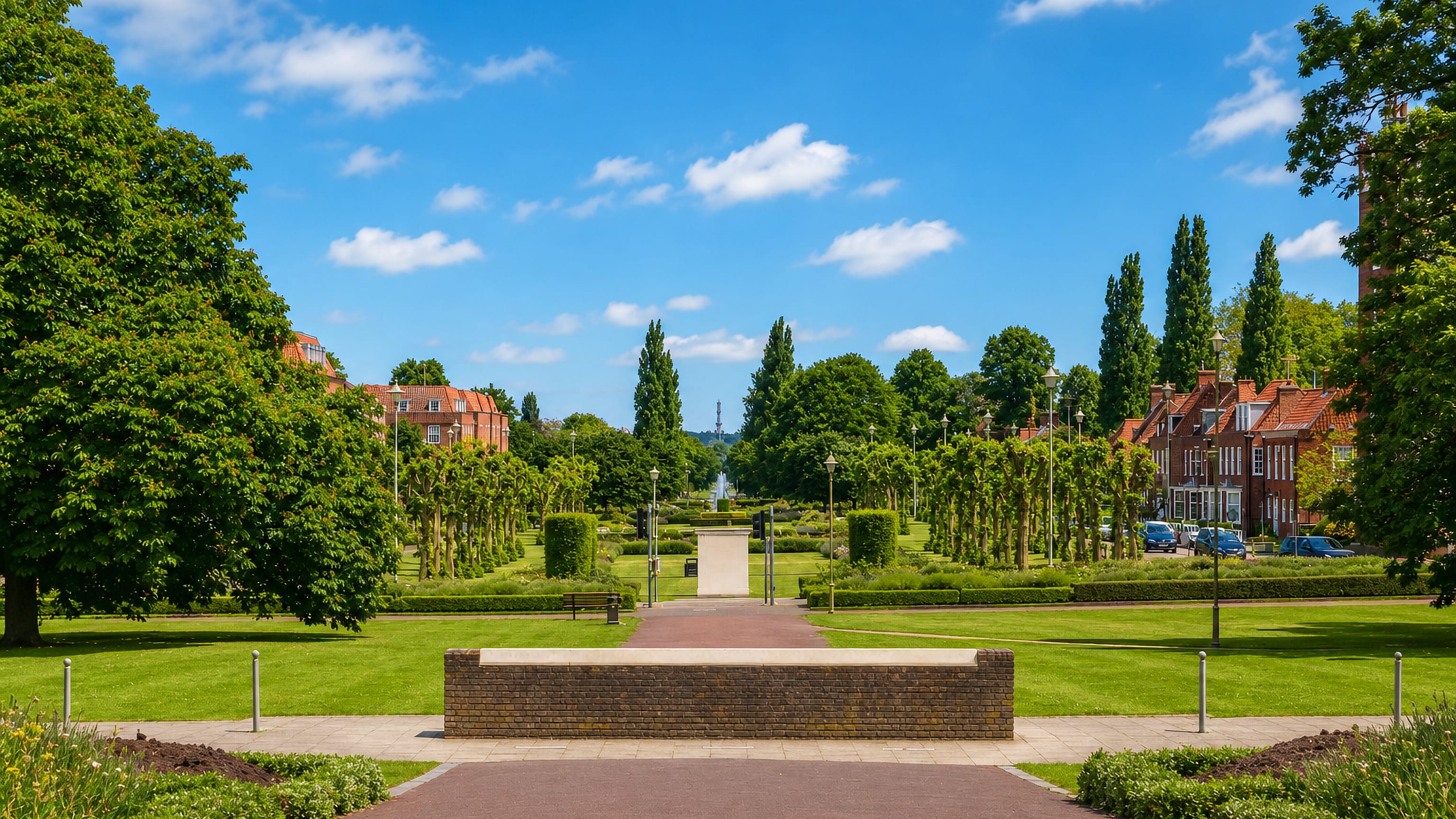
The town was laid out from 1920 as the second garden city in England, and it remains unusual in also counting as one of the first new towns, a double identity written into its streets. Tree-lined boulevards run out from a neo-Georgian town centre. The view south along Parkway was once described as one of the world's finest urban vistas.
Mill Green Museum and Working Mill and the Welwyn Roman Baths pull visitors away from it.
What are the main landmarks in Welwyn Garden City?
Churches account for much of the list. The Parish Church of St Mary, Welwyn, the Church of St Peter and the Church of St John the Evangelist are the named church landmarks here, and the Parish Church of St John adds a fourth to a compact district. Mill Green Museum and Working Mill keeps a mill in operation.
Welwyn Roman Baths reach further back. Auberge du Lac, Cole Green House, the White House and the Mill House complete a list that runs well past the planned centre.
What is the history of Welwyn Garden City?
Romans were here first. Welwyn Roman Baths survive as the oldest built thing on the list, and the linear earthwork in Perry's Grove marks another layer of use in this part of Hertfordshire, laid down well before any plan was drawn. The parish came next.
The Parish Church of St Mary, Welwyn, Old Church House and Fulling Mill House stand for the village economy of milling and farming that held this ground for centuries. Mill Green Museum and Working Mill keeps that trade visible. 1920 redrew everything. The second garden city in England was set out here from 1920, and its plan produced tree-lined boulevards running out from a neo-Georgian town centre, a shape no older Hertfordshire town had grown into by itself.
A memorial to Sir Theodore Chambers stands in the town. It was later counted among the first new towns as well, and being both at once is what separates it from the garden cities and the new towns alike. Boundary-drawing came last of all.
The town's name sits in the Welwyn Hatfield district, pairing the garden city with its neighbour and confirming that the twentieth-century plan, not the older village, became the anchor of this corner of Hertfordshire.
Where is Welwyn Garden City?
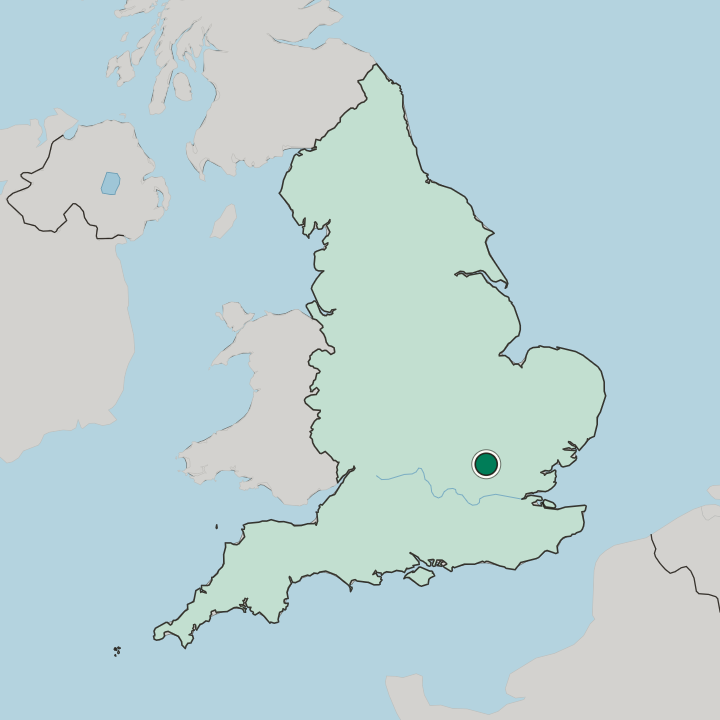
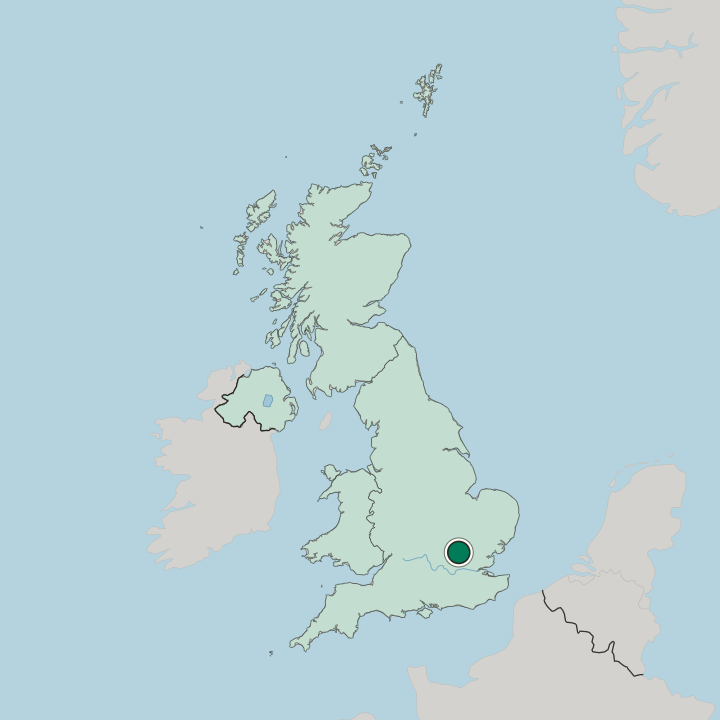
Fields begin quickly here. Hertfordshire surrounds the town, and the settlement sits about twenty miles north of London, near enough that the capital pulls on it while greens, woodland and farmland still break up the built area. The Welwyn Hatfield district takes half its name from the town.
Listed houses stand at Ayot Green, Cole Green and Mill Green, and a linear earthwork survives in Perry's Grove.
What is the climate of Welwyn Garden City?
Cloud is the ordinary condition. Welwyn Garden City sits in the temperate band, which spreads its rain across every month instead of concentrating it, and leaves the town without either a dry season or a fixed monsoon. Parkway shows the effect.
Its lawns and the tree-lined boulevards hold their colour deep into summer, and that steady green is what makes the garden-city plan legible rather than theoretical.
How do you get to Welwyn Garden City?
London sets the distance. Welwyn Garden City stands about twenty miles north of the capital, near enough that the trip is a short one and far enough that the surrounding Hertfordshire countryside starts at the edge of the built area. Arrivals land in the neo-Georgian town centre, from which the tree-lined boulevards fan out.
Parkway runs south from there. Ayot Green, Cole Green and Mill Green sit out beyond the planned streets.
Common questions
What is the best area to stay in Welwyn Garden City?
The neo-Georgian centre: First visits that want Parkway and the 1920 layout on foot. Mill Green: Stays that want Mill Green Museum and Working Mill at the door. Old Welwyn: Travellers pairing the Welwyn Roman Baths with the Parish Church of St Mary. Auberge du Lac: One long evening by the water instead of a town-centre base.
Good for
More cities in England
Updated October 2026