United Kingdom · England
Where to Stay in Wigan, England
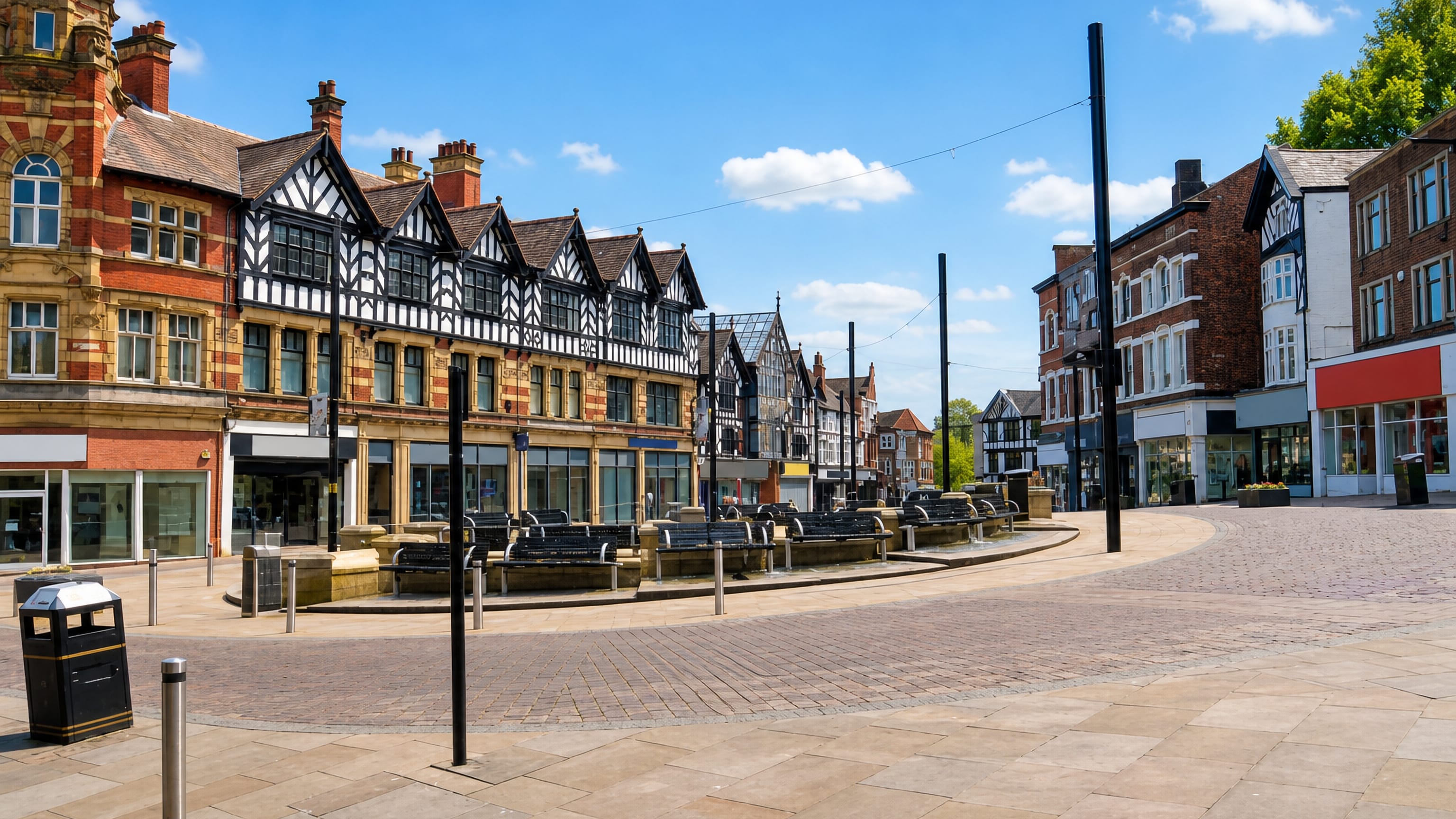
Wigan is an industrial town in Greater Manchester, midway between Manchester and Liverpool and the centre of its own metropolitan borough.
Hotel links are affiliate links: booking through them may earn us a commission, at no extra cost to you. It never affects how places are ranked. How this works


Where to stay in Wigan
Not every neighbourhood fits every trip — here's what each one is good for.

 WiganUnited Kingdom
Goose Green
Goose Green is a mainly residential area of Wigan, in Greater Manchester, on ground that formed part of Lancashire historically.Where to stay →WiganUnited KingdomKitt Green
Kitt Green is a district of Wigan, in England, close to St Barnabas Church at Marsh Green and St John the Divine's Church at Pemberton.Where to stay →Hotel links are affiliate links: booking through them may earn us a commission, at no extra cost to you. It never affects how places are ranked. How this works
Find hotels in Wigan
Direct booking searches for these neighbourhoods.
Wigan town centre
The borough's administrative middle, around St Mary's ChurchFind hotels in Wigan town centreStays wanting a second centre with a museum of its ownHindley
Hindley Museum and St Peter's Church make it self-contained. Lodging is scarce in this area; reserve in advance.Find hotels in HindleyQuiet nights near St John the Divine's ChurchPemberton
A township address with its own parish church, off the centre. Beds are limited here, so book early.Find hotels in PembertonShort walks in from St Catharine's ChurchScholes
An old Wigan township, marked on the record by its parish church. Lodging is scarce in this area; reserve in advance.Find hotels in ScholesTrips using the borough as a stop between Manchester and LiverpoolInce-in-Makerfield
Christ Church stands here, out among the borough's townships. Beds are limited here, so book early.Find hotels in Ince-in-MakerfieldHotel links are affiliate links: booking through them may earn us a commission, at no extra cost to you. It never affects how places are ranked. How this works
Things to do in Wigan
Ranked by global recognition; descriptions from Wikidata (CC0).
Museums & Galleries
2- Museum of Wigan Life
- Hindley Museum
Churches & Religious Sites
8- St Mary's Church, Wigan Heritage
- St John's Church, Wigan Heritage
- St James' Church, Poolstock Heritage
- St Matthew's Church, Wigan Heritage
- St Catharine's Church, Scholes Heritage
Show 3 more →
- St Jude's Roman Catholic Church Heritage
- St John the Divine's Church, Pemberton Heritage
- St Peter's Church, Hindley Heritage
Castles & Historic Sites
3- Powell Monument Heritage
- The Moat House moated site 600m WNW of St David's Church Heritage
- Walmesley Monument In Front Of Church Of St John Heritage
Landmarks & Notable Places
5- Ackhurst Hall Heritage
- Westwood Hall and attached cottage Heritage
- The Mount Heritage
- Orrell Hall Heritage
- Wigan Hall Heritage
worth knowingacross 4 categories in Wigan
About Wigan
Industry made the town.
What is Wigan known for?
Wigan grew as an industrial place in what was then Lancashire, and it still works as the administrative centre of the Metropolitan Borough of Wigan, the largest settlement inside it. Churches are the standing evidence. St Mary's Church, St John's Church and St Matthew's Church are all recorded here, with Wigan Hall and the Museum of Wigan Life among the town's other named buildings.
Manchester and Liverpool sit either side.
What are the main landmarks in Wigan?
Wigan Hall anchors the older list. Ackhurst Hall, Bryn Hall and Westwood Hall and its attached cottage make up the rest of the halls, and The Moat House moated site marks an older kind of ground altogether. Monuments come next.
The Powell Monument and the Walmesley Monument in front of the Church of St John stand among the church buildings, and the Museum of Wigan Life and the Hindley Museum hold the collections. St Catharine's Church at Scholes and St James' Church at Poolstock take the list out into the neighbourhoods.
What is the history of Wigan?
Lancashire came first. Wigan belonged to that historic county until 1974, and the moated site known as The Moat House is the sort of remnant that survives from the centuries before any of the town's industry existed. Halls followed the land.
Wigan Hall, Ackhurst Hall, Bryn Hall and Westwood Hall with its attached cottage are the halls on the record, spread around a town that later became an industrial one. Then industry took over. Parishes multiplied as the town filled.
St Mary's Church, St John's Church, St Matthew's Church, St Jude's Roman Catholic Church and the Church of St Joseph mark the centre, while Christ Church at Ince-in-Makerfield, St John the Divine's Church at Pemberton, St Peter's Church at Hindley and St Stephen's Church at Whelley do the same in the districts. The Powell Monument and the Walmesley Monument stand with them. Then the county changed.
Wigan left Lancashire in 1974 for Greater Manchester, and the Metropolitan Borough of Wigan was drawn around it, with the town as its administrative centre and its largest settlement. The Museum of Wigan Life keeps the record of all of it.
Where is Wigan?
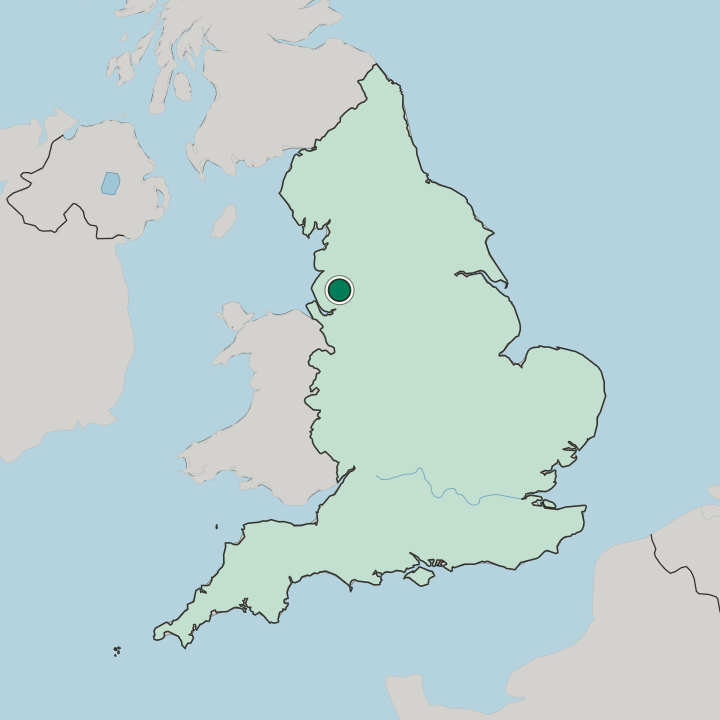
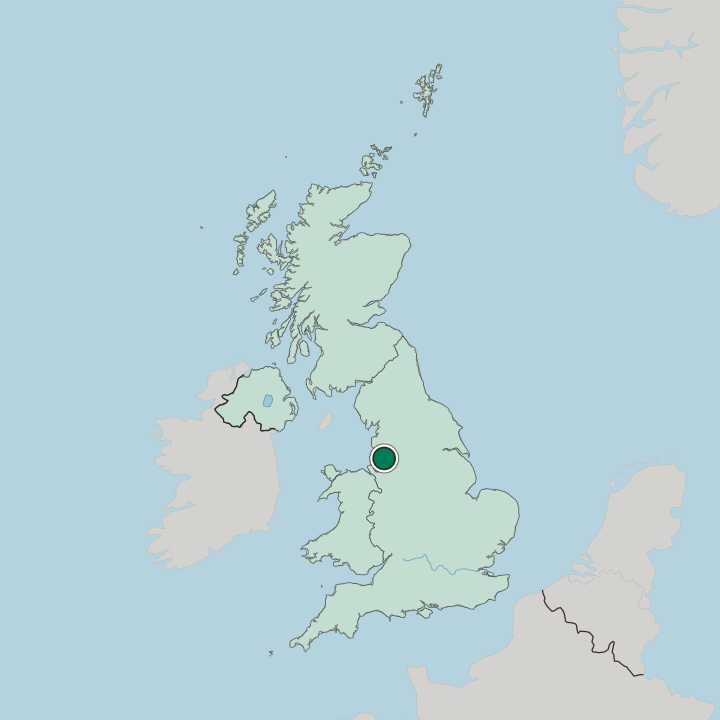
Two cities frame it. Wigan lies midway between Manchester, sixteen miles to the south-east, and Liverpool, seventeen miles to the south-west, which leaves the town with a pull in each direction and a borough of its own in between. Lancashire held it before 1974.
Ince-in-Makerfield, Pemberton, Hindley, Scholes, Poolstock and Whelley are the named quarters and neighbours around the centre, each with a church of its own on the record.
What is the climate of Wigan?
Overcast skies are the norm. Wigan sits in the temperate band, so rain reaches the town in every month, and neither Manchester to the south-east nor Liverpool to the south-west gets a materially different year from it. Indoor days are common.
The Museum of Wigan Life and the Hindley Museum absorb them, while St Mary's Church and Wigan Hall are the kind of walk that survives a wet afternoon in the centre.
How do you get to Wigan?
Manchester is sixteen miles off. Wigan lies midway between the two, with Manchester to the south-east and Liverpool to the south-west, so the town takes traffic from both cities and belongs entirely to neither. The borough spreads around it.
Hindley, Pemberton, Ince-in-Makerfield and Scholes are the names on the way in, and the Metropolitan Borough of Wigan reaches further than the town itself. The Museum of Wigan Life is the first stop in the centre.
Common questions
What is the best area to stay in Wigan?
Wigan town centre: First visits that want Wigan Hall and the Museum of Wigan Life. Hindley: Stays wanting a second centre with a museum of its own. Pemberton: Quiet nights near St John the Divine's Church. Scholes: Short walks in from St Catharine's Church. Ince-in-Makerfield: Trips using the borough as a stop between Manchester and Liverpool.
Good for
More cities in England
Updated September 2026