United Kingdom · England
Where to Stay in Worcester, England
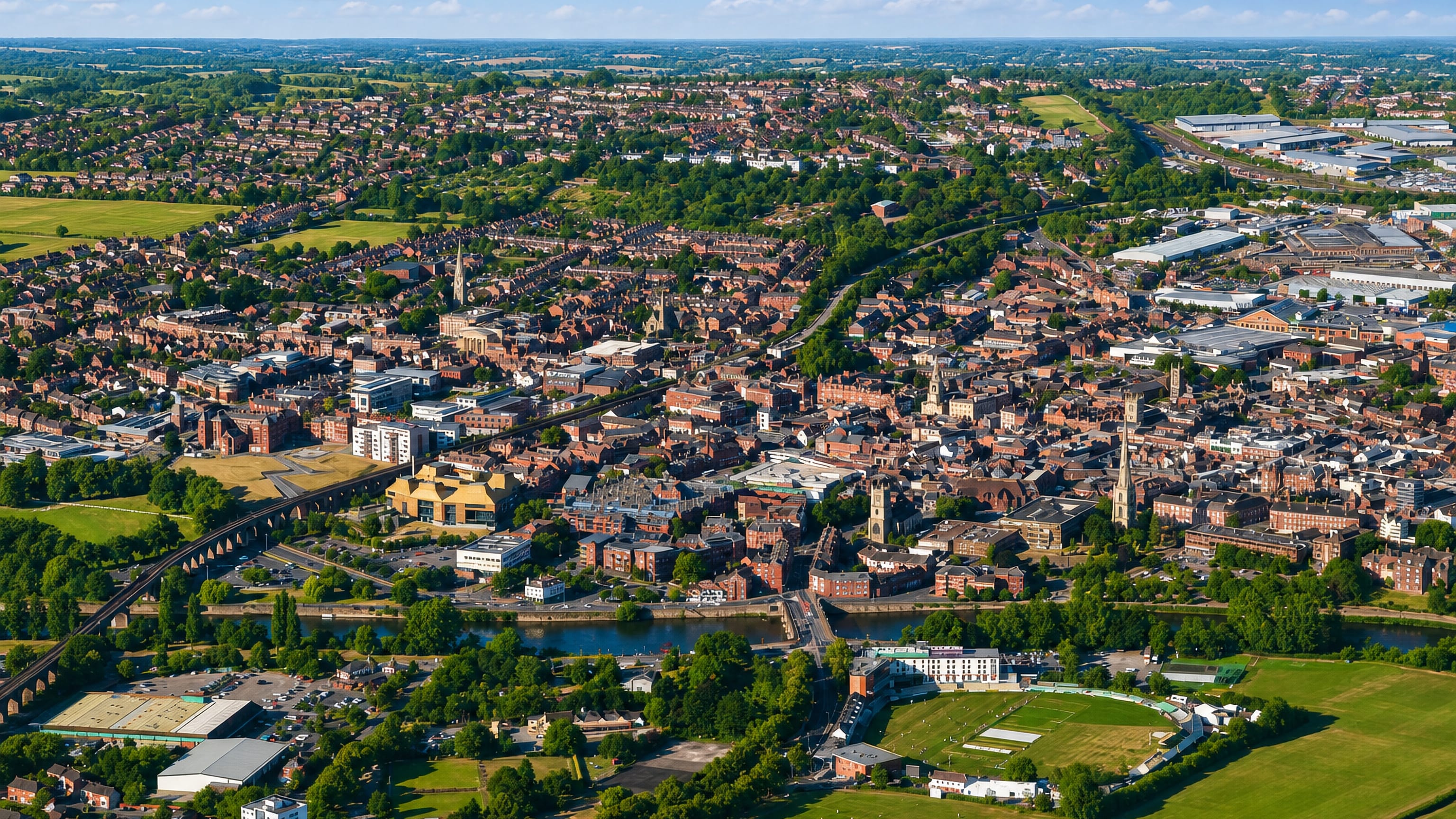
Worcester is a cathedral city on the River Severn in the west of England, a place of a great riverside cathedral, fine porcelain, and the music of Elgar.
Hotel links are affiliate links: booking through them may earn us a commission, at no extra cost to you. It never affects how places are ranked. How this works


Where to stay in Worcester
Where you base yourself shapes the visit — here's the character of each area.

 WorcesterUnited Kingdom
Diglis
Diglis is an inner-city area of Worcester on the banks of the River Severn, half a mile south of the centre and the Museum of Royal Worcester.Where to stay → WorcesterUnited Kingdom
St John's
West of Worcester's centre and the River Severn, St John's is the suburb known locally as the Village in the City.Where to stay → WorcesterUnited Kingdom
Dines Green
Dines Green is a district of Worcester, in England, whose recorded buildings run to St David's, St Michael's, the Church of St Thomas and Laugherne House.Where to stay →WorcesterUnited KingdomSt Peter the Great
St Peter the Great is a southern suburb of Worcester, on the east side of the River Severn near Junction 7 of the M5.Where to stay →Hotel links are affiliate links: booking through them may earn us a commission, at no extra cost to you. It never affects how places are ranked. How this works
Find hotels in Worcester
Direct booking searches for these neighbourhoods.
The cathedral quarter
Around the cathedral by the riverFind hotels in The cathedral quarterStays wanting the meadows and the MalvernsThe riverside
Along the Severn toward the hillsFind hotels in The riversideHotel links are affiliate links: booking through them may earn us a commission, at no extra cost to you. It never affects how places are ranked. How this works
Things to do in Worcester
Ranked by global recognition; descriptions from Wikidata (CC0).
Museums & Galleries
2- Museum of Royal Worcester
- Worcester City Art Gallery and Museum
Churches & Religious Sites
8- St George's Church, Worcester Heritage
- St Swithun's Church, Worcester Heritage
- Church of All Saints Heritage
- Church of St Helen Heritage
- Church of St Paul Heritage
Show 3 more →
- Church of St Martin Heritage
- Church of St George Heritage
- Church of St John Heritage
Stadiums & Sports
1- Visit Worcestershire New Road
Landmarks & Notable Places
8- The Commandery Heritage
- Huntingdon Hall Heritage
- King Charles House Heritage
- Edgar Tower Heritage
- King Charles House (Cornmarket) Heritage
Show 3 more →
- John Gwynn House Heritage
- The Pheasant Heritage
- Queen Elizabeth House Heritage
worth knowingacross 4 categories in Worcester
About Worcester
Worcester is the cathedral city of the Severn.
What is Worcester known for?
On the east bank of the great river in the west of England, it grew around its towered cathedral, and it keeps that church with the tomb of a king, the works of the composer Elgar who lived nearby, the fine bone china of Royal Worcester, and the memory of the last battle of the Civil War fought in its streets. The cathedral rises over the river. Boats drift below the tower.
What are the main landmarks in Worcester?
The cathedral rises over the Severn at the heart of Worcester. The great church with its tall central tower, holding the tomb of King John above the river, looks out over the water, the emblem of the city, from the bank. A civil-war house stands nearby.
The old Commandery kept the Royalist headquarters in the great battle, while the Royal Worcester porcelain works, the Tudor houses, and the riverside cricket ground mark the streets of Worcester.
What is the history of Worcester?
Worcester grew around its cathedral by the river. A great church has stood on the Severn here since Saxon times, and the town gathered around it, rich on the wool and the glove trade of the country around. Royal tombs fill the church.
King John was laid to rest before its altar, and a young Tudor prince was entombed in a fine stone chantry, making the cathedral a place of royal graves. The city earned a name for loyalty in war. Worcester stood for the king in the Civil War, and the last great battle of that war was fought in and around the city in 1651, when the young Charles fled from its streets to hide and escape.
Craft made it famous too. In later years Worcester grew rich on its fine porcelain and its bottled sauce, and the composer Elgar, born in a village nearby, made his music in its shadow. The cathedral still stands by the river.
Worcester keeps its cathedral and its river in the faithful city.
Where is Worcester?
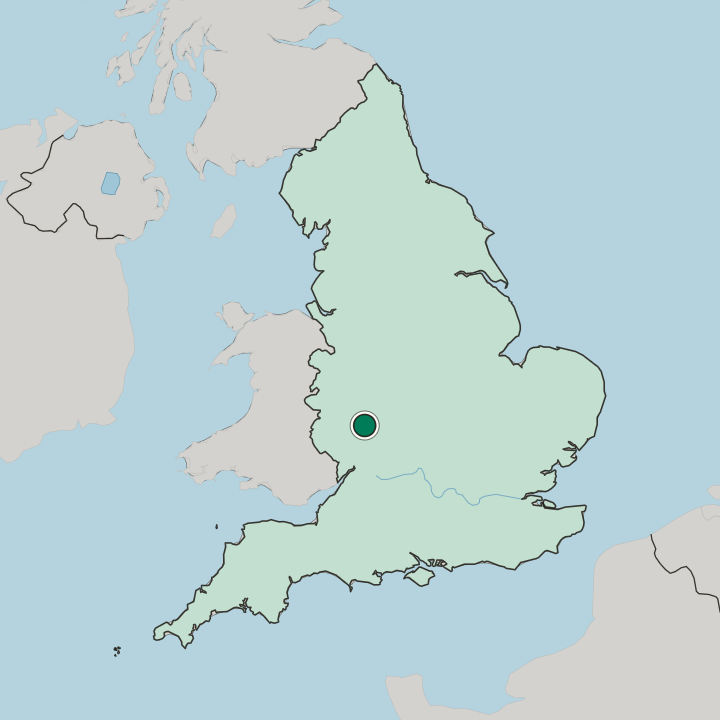
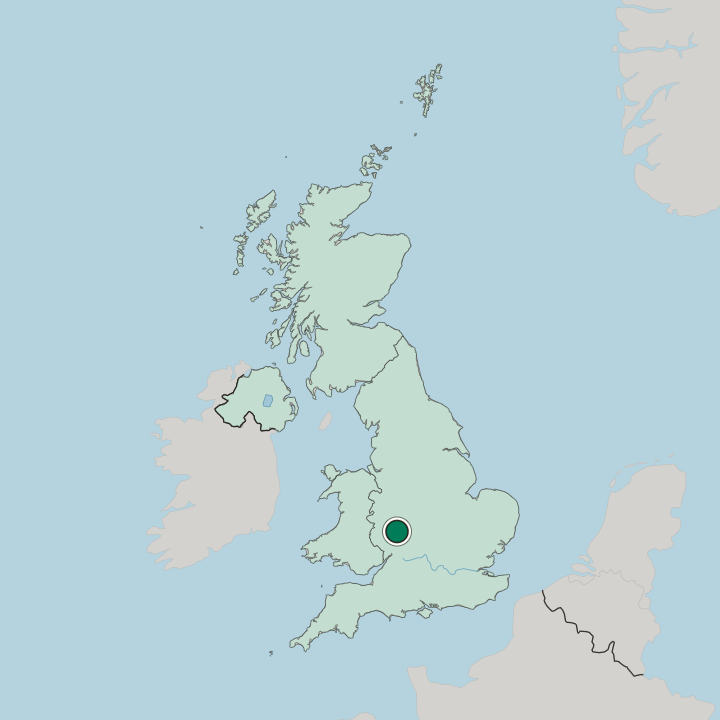
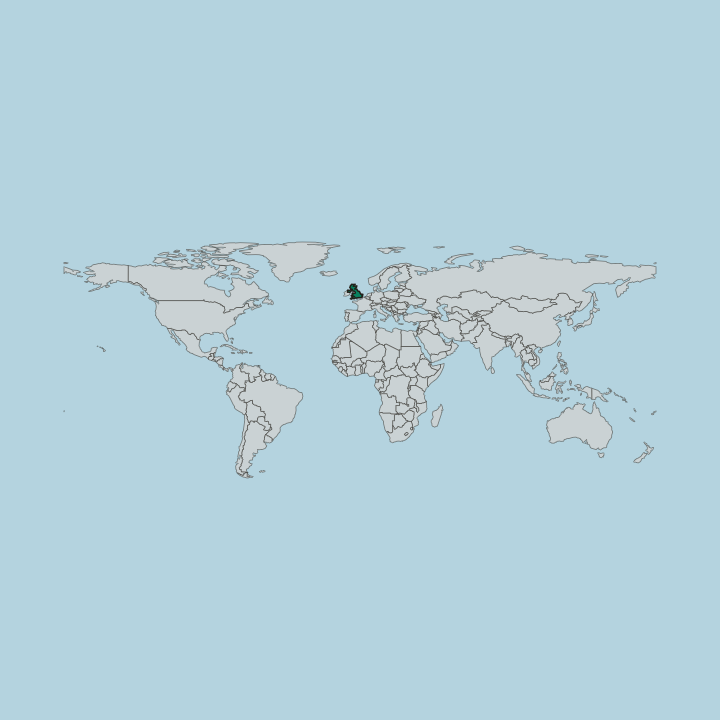
Worcester lies in the west of England, on the River Severn between the hills and the plain. The city sits on the flat river meadows where the Severn winds south through its valley, with the long ridge of the Malvern Hills rising blue to the southwest, in a green country of orchards and fields. Low green hills lie to the west.
The river winds through the town.
What is the climate of Worcester?
Worcester has a mild, damp climate typical of England. Cool summers and soft winters cross the river valley, with rain spread through the year and the odd flood when the Severn rises. Grey mild days are common.
The river spills over its meadows in winter.
How do you get to Worcester?
Worcester lies in the west of England, on the roads and rail between Birmingham and the southwest. Trains and the motorway run to it up the Severn valley from Birmingham and Bristol, and roads climb to the Malvern Hills. Lanes run out to the orchards.
Birmingham lies north up the road.
Common questions
What is the best area to stay in Worcester?
The cathedral quarter: Visitors here for the cathedral and old houses. The riverside: Stays wanting the meadows and the Malverns.
Good for
More cities in England
Updated September 2026