United Kingdom · England
Where to Stay in Yeovil, England
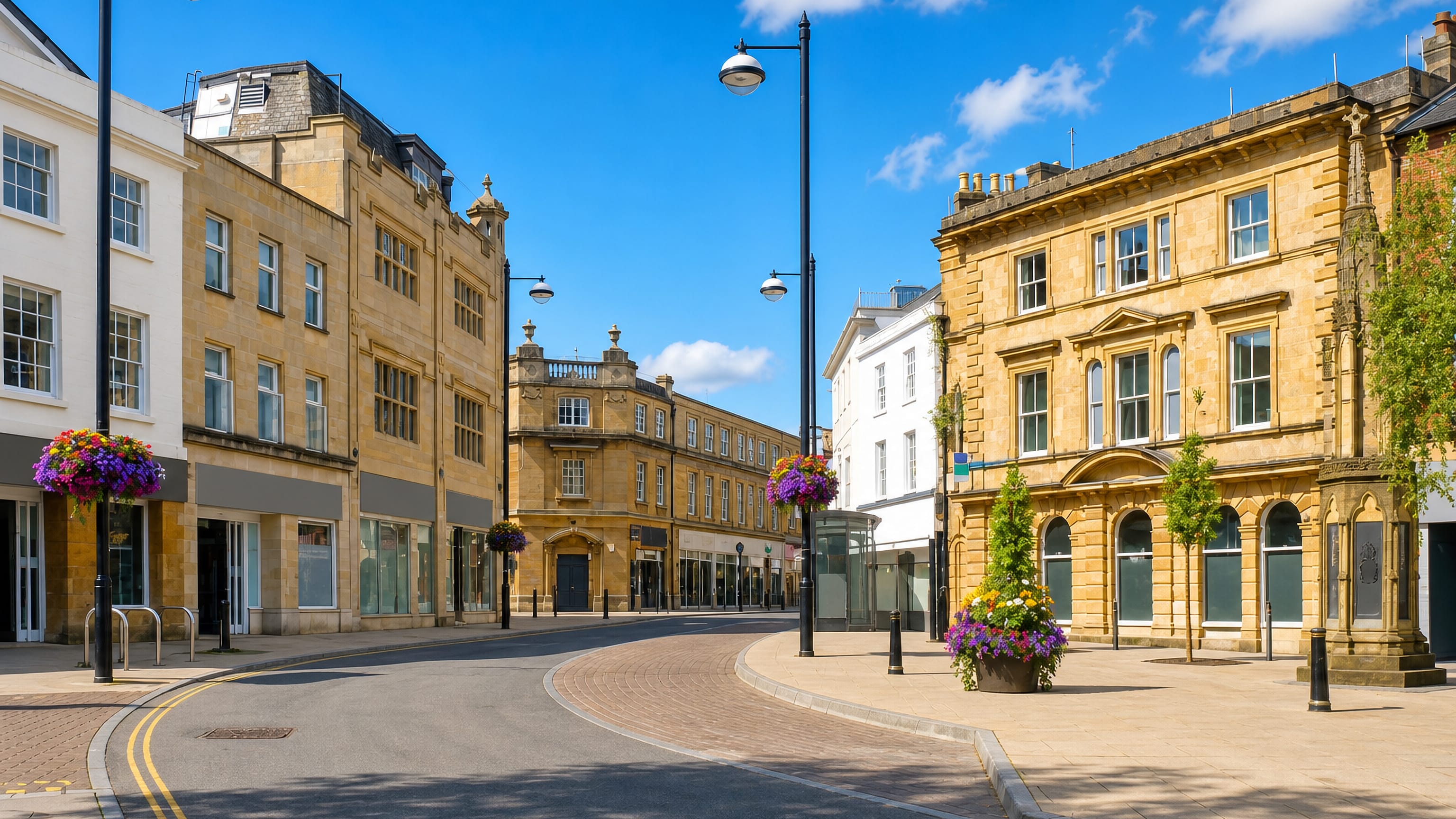
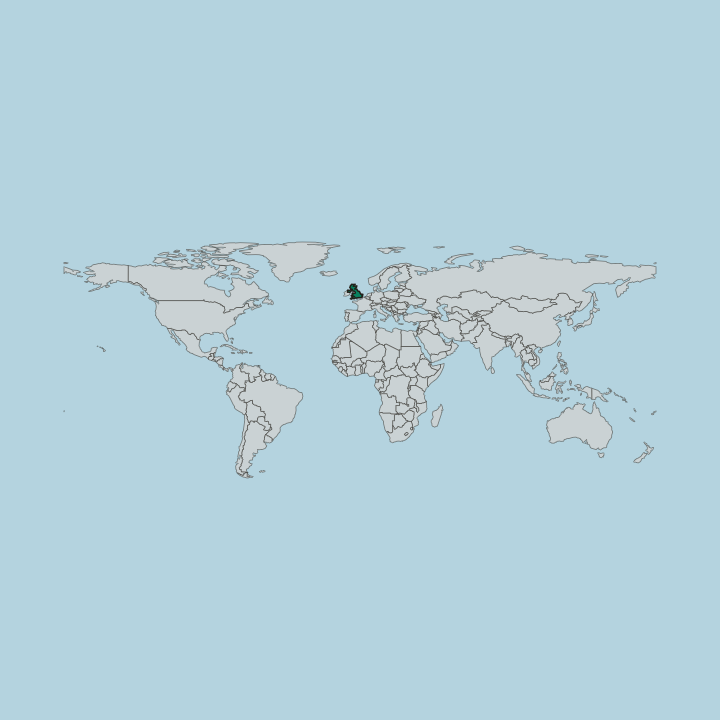
Yeovil is a town and civil parish in Somerset, England, a helicopter-building place near the Dorset border with Roman ground under its edges.
Hotel links are affiliate links: booking through them may earn us a commission, at no extra cost to you. It never affects how places are ranked. How this works


Where to stay in Yeovil
One neighbourhood here has its own guide — here's what it is best for.

 YeovilUnited Kingdom
Preston Plucknett
Churchyard monuments, three named houses and a war memorial fill the heritage list of Preston Plucknett, a district of Yeovil in Somerset.Where to stay →Hotel links are affiliate links: booking through them may earn us a commission, at no extra cost to you. It never affects how places are ranked. How this works
Find hotels in Yeovil
Direct booking searches for these neighbourhoods.
The old parish centre
The South Somerset Heritage Collection and Johnson Park, Yeovil are both a short walk off.Find hotels in The old parish centreStays tied to AugustaWestland and Westland RoadThe Westland side
Westlands Sports Ground, Yeovil marks this working edge of the town. Rooms are few around here — worth securing early.Find hotels in The Westland sidePlain streets by 172 And 174, Goldcroft RoadGoldcroft Road
The listed pair at 172 And 174, Goldcroft Road stands on this street. Few places to stay nearby — book ahead.Find hotels in Goldcroft RoadField nights out past Little Barwick HouseBrympton and West Coker
Pavyotts Mill House and Little Barwick House sit in the country these outer parishes hold. Beds are limited here, so book early.Find hotels in Brympton and West CokerHotel links are affiliate links: booking through them may earn us a commission, at no extra cost to you. It never affects how places are ranked. How this works
Things to do in Yeovil
Ranked by global recognition; descriptions from Wikidata (CC0).
Churches & Religious Sites
8- Church of St John the Baptist, Yeovil Heritage
- St Andrew's Church Heritage
- Church of St Andrew Heritage
- Church of Saint Mary Magdalene Heritage
- Church of St James with Its South Boundary Wall Heritage
Show 3 more →
- Church of St Peter and St Paul Heritage
- Parish Church of St Mary Heritage
- St Michael & All Angels Heritage
Castles & Historic Sites
5- Roman villa N of Dunnock's Lane Heritage
- Group Of Eight Monuments In Churchyard, South And West Of Nave, Church Of St Andrew Heritage
- Haskin Monument In Churchyard, About One Metre North East Of North Porch, Church Of St Andrew Heritage
- Roman settlement remains immediately south of Westland Road Heritage
- West Mudford medieval settlement, 500m south west of West Mudford Farm Heritage
Stadiums & Sports
3- Johnson Park, Yeovil
- West Hendford Cricket Ground
- Westlands Sports Ground, Yeovil
Landmarks & Notable Places
8- 172 And 174, Goldcroft Road Heritage
- Clifton House Heritage
- Brooke House Heritage
- Houndstone House Heritage
- Little Barwick House Heritage
Show 3 more →
- Pavyotts Mill House Heritage
- The Old Dairy House Heritage
- The White House Heritage
worth knowingacross 4 categories in Yeovil
About Yeovil
Helicopters are the local trade.
What is Yeovil known for?
AugustaWestland is the major industry, and the name carries onto the town's own map at Westland Road and Westlands Sports Ground, Yeovil, where the Roman settlement remains lie just off the road. The Church of St John the Baptist, Yeovil holds the older centre, while the South Somerset Heritage Collection and Yeovil Railway Centre give the town its two museum-scale draws. Johnson Park, Yeovil adds the green.
What are the main landmarks in Yeovil?
Churches dominate the listed register. The Church of St John the Baptist, Yeovil is the parish church, and Church of St Peter and St Paul, Church of Saint Mary Magdalene, and St Michael & All Angels stand among the rest. Houses and mills follow.
Clifton House, Town House, The White House, The Old Dairy House, Pavyotts Mill House, and Little Barwick House carry the domestic end of it, while Yeovil Railway Centre and the South Somerset Heritage Collection keep the public one.
What is the history of Yeovil?
Roman ground lies under the edges of the town. A villa was recorded near Dunnock's Lane, and settlement remains lie immediately south of Westland Road. Medieval Somerset left more.
The Church of St John the Baptist, Yeovil anchors the old parish, the Church of St Andrew keeps a group of eight monuments in its churchyard, and the deserted West Mudford medieval settlement survives in the fields by West Mudford Farm. Sherborne lies 6 miles off, Taunton 28 miles the other way, and the town sits near the Somerset border with Dorset rather than deep inside its own county. Aircraft changed the balance.
AugustaWestland became the major local industry, building helicopters, and the Westland name spread onto Westland Road and Westlands Sports Ground, Yeovil. The railway left its own museum. Yeovil Railway Centre keeps that part of the record, and the South Somerset Heritage Collection holds the wider one for the district around the town.
Building spread outward until the built-up area crossed into Brympton, West Coker, and Yeovil Without, three neighbouring parishes that carry part of the town on their ground. Johnson Park, Yeovil and West Hendford Cricket Ground sit inside that spread.
Where is Yeovil?
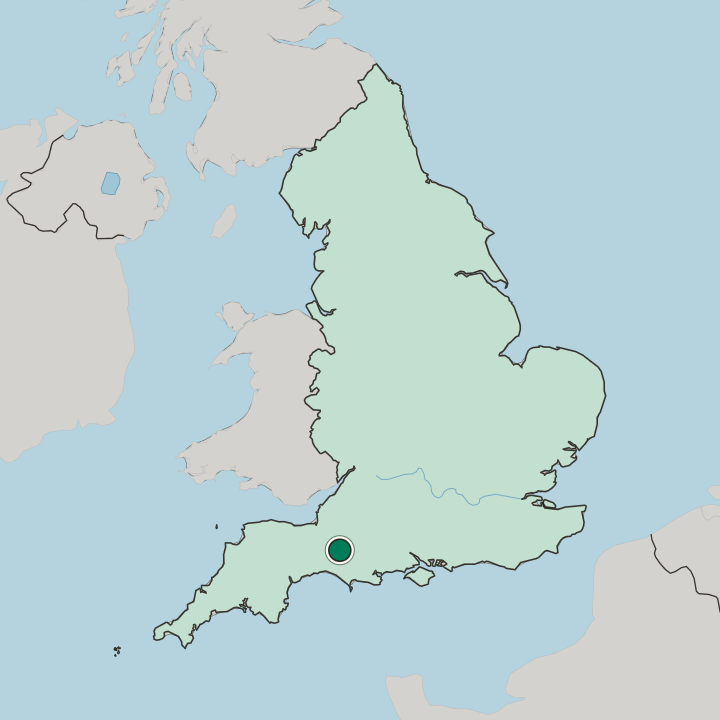
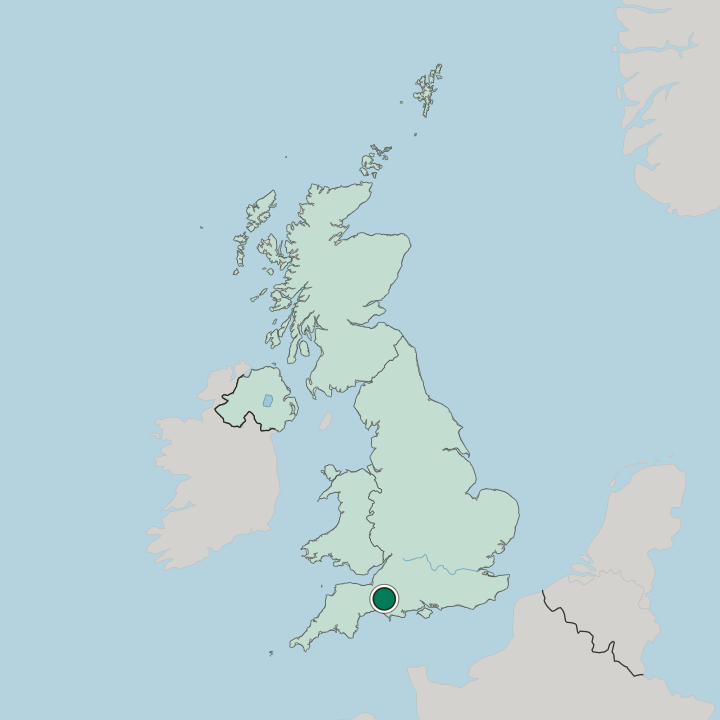
Somerset holds Yeovil close to its border with Dorset, and Sherborne is only 6 miles off. Bristol lies 42 miles away, Taunton 28 miles, and London 126 miles, which puts the town well inland from any coast. Parish and town differ.
The built-up area runs on into Brympton, West Coker, and Yeovil Without, while West Mudford Farm and Pavyotts Mill House stand out in the country beyond.
What is the climate of Yeovil?
Inland Somerset gives Yeovil its weather. The temperate band here keeps frost short-lived and heat modest, with rain spread across the whole year rather than saved for one wet season. Distance from the sea does the rest, since the town stands far enough from any coast that the sharpest maritime swings arrive already softened.
How do you get to Yeovil?
Sherborne is 6 miles off, the shortest hop of any neighbour. Taunton lies 28 miles away and Bristol 42, while London is 126 miles off, which makes the capital a long run and the county towns the practical reference points. Rail history has its own address.
Yeovil Railway Centre preserves it, and the roads out of the built-up area run through Brympton, West Coker, and Yeovil Without.
Common questions
What is the best area to stay in Yeovil?
The old parish centre: Evenings beside the Church of St John the Baptist, Yeovil. The Westland side: Stays tied to AugustaWestland and Westland Road. Goldcroft Road: Plain streets by 172 And 174, Goldcroft Road. Brympton and West Coker: Field nights out past Little Barwick House.
Good for
More cities in England
Updated October 2026