Iraq
Erbil Governorate, Iraq — Towns & Travel Guide
Erbil Governorate is the heart of Iraq's Kurdistan Region, its ancient citadel city ringed by Zagros peaks.
Hotel links are affiliate links: booking through them may earn us a commission, at no extra cost to you. It never affects how places are ranked. How this works


Towns & cities in Erbil Governorate
One town here has its own guide — it links to where to stay.
 Iraq
Iraq
Erbil
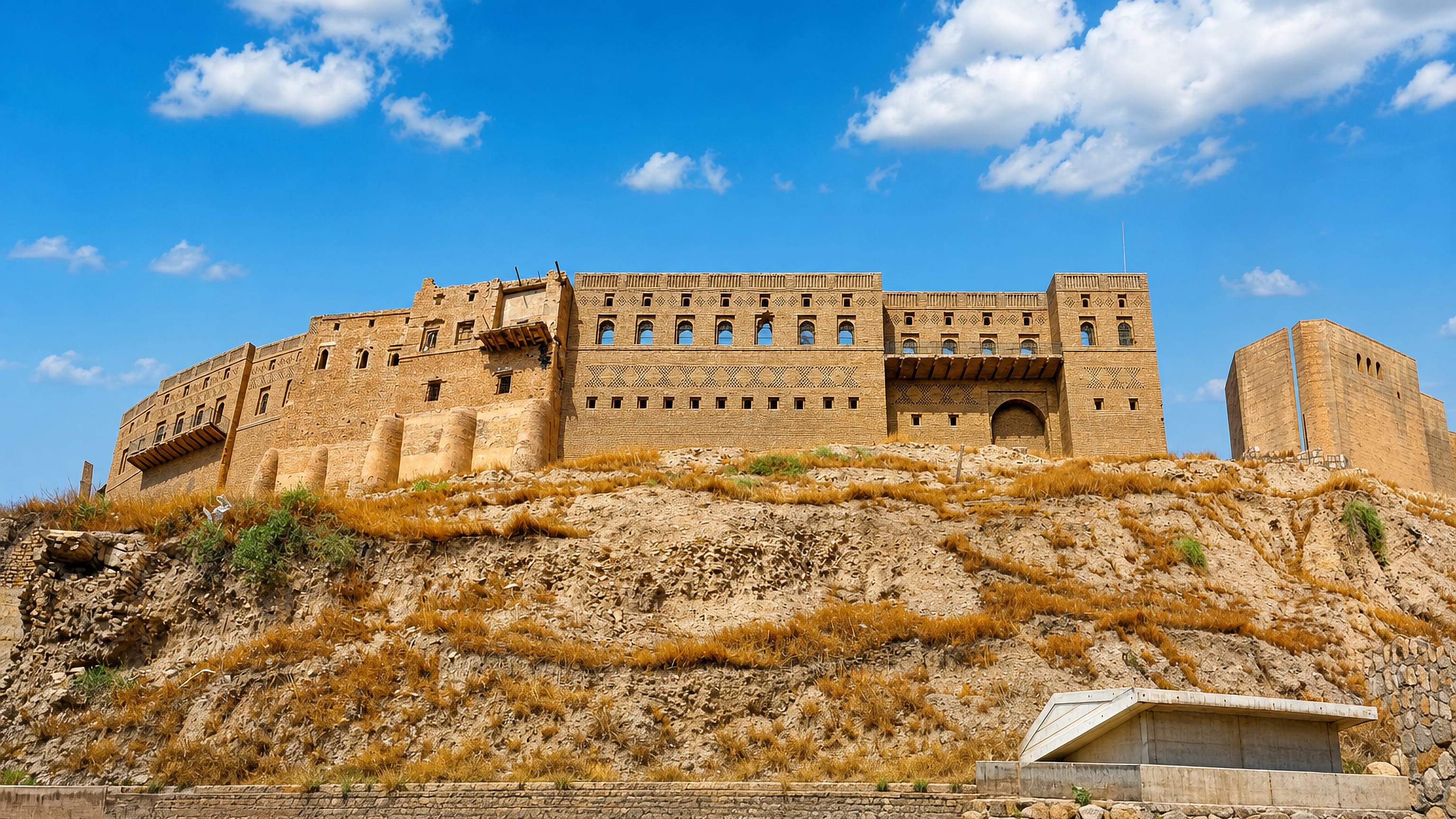
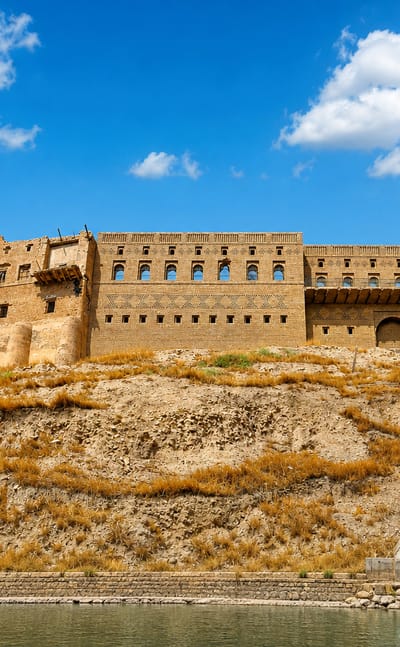
The Citadel of Erbil rises on its tell above Hawler, capital of the Kurdistan Region of Iraq and one of the oldest continually inhabited sites on earth.Where to stay →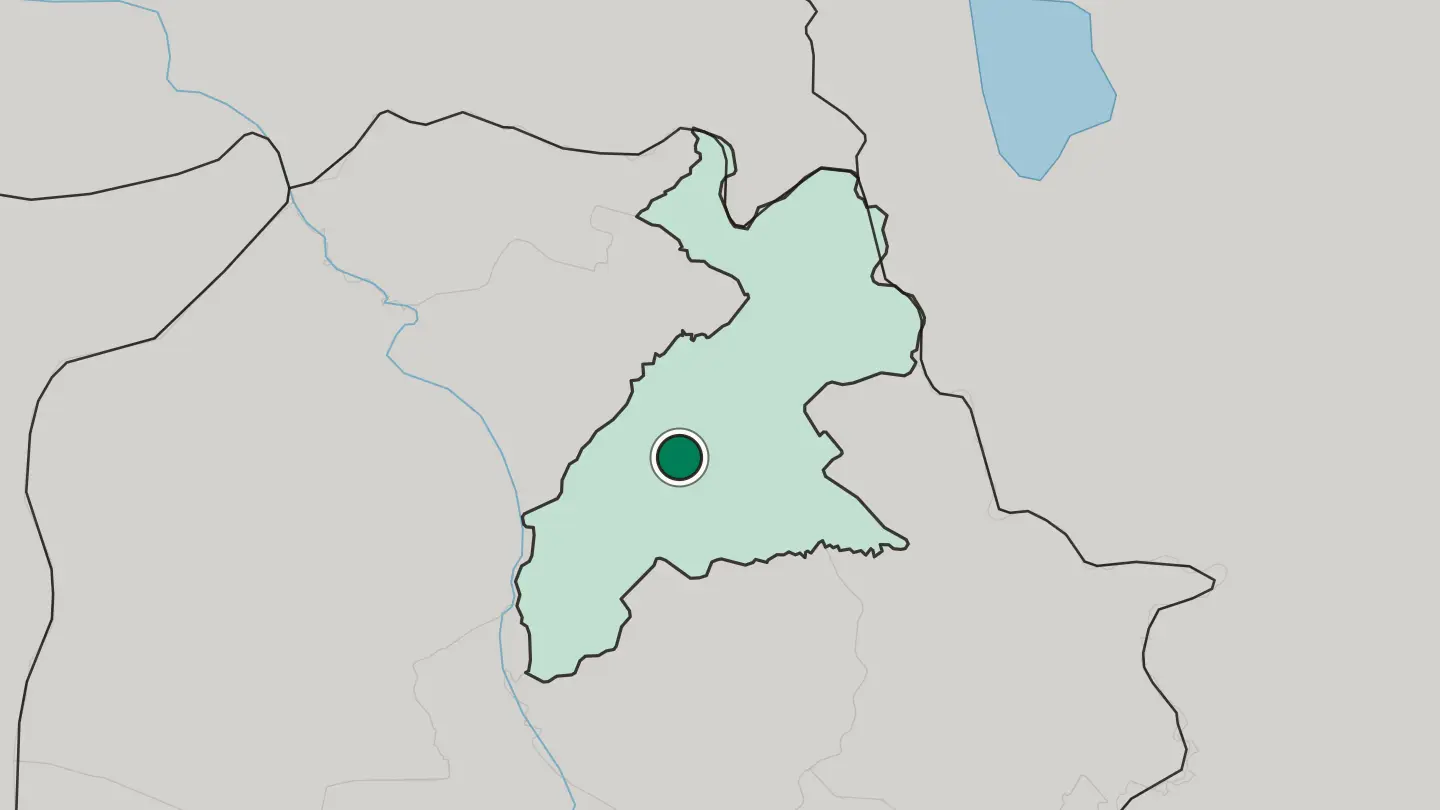
Hotel links are affiliate links: booking through them may earn us a commission, at no extra cost to you. It never affects how places are ranked. How this works
About Erbil Governorate
What is Erbil Governorate known for?
Erbil is the seat of the Kurdistan Region and the base most Kurdistan trips begin from. The mound is the draw. The Citadel of Erbil, a walled tell rising above the modern city, ranks among the oldest continuously inhabited places on Earth and was inscribed by UNESCO in 2014.
Beyond the plain, the land climbs fast into the Zagros Mountains, where Shaqlawa and Rawanduz pull weekend crowds up into cooler air. The old and the alpine sit close together here.
Where is Erbil Governorate?
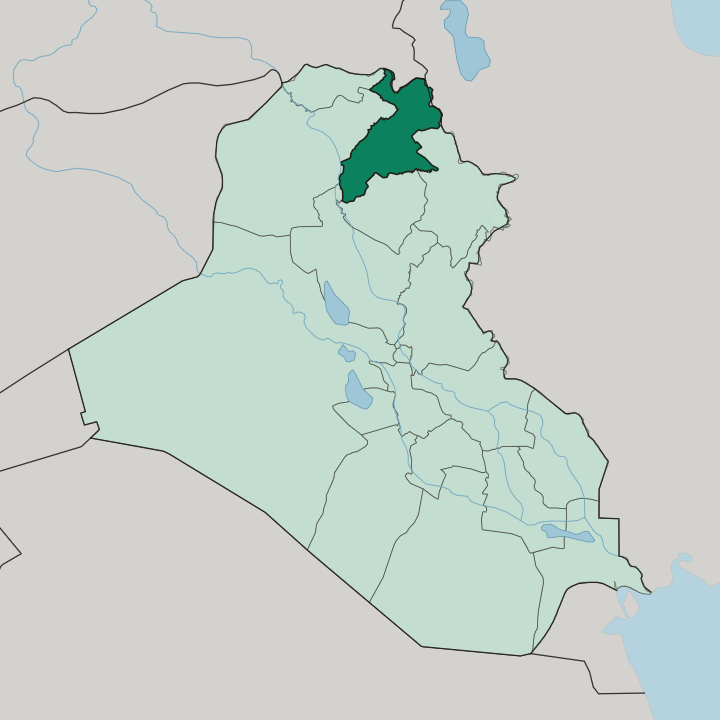
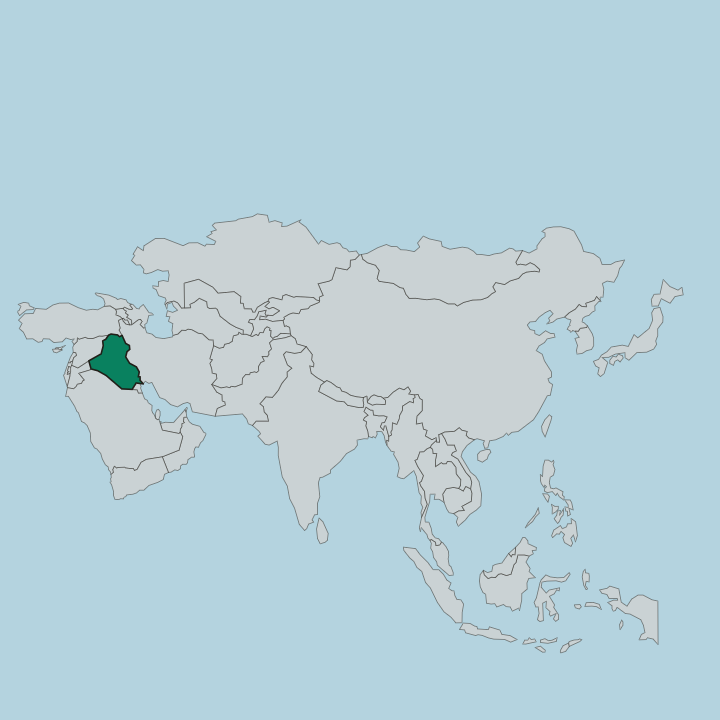
Erbil Governorate fills the north-eastern corner of Iraq, one of the four Kurdish-majority governorates that make up the Kurdistan Region. Its western half is plain. That plain, a reddish silty lowland where the city of Erbil stands at around 390 metres, spreads between the Great Zab to the north and the Little Zab to the south, and it is the governorate's farmland.
Eastward the ground rises without warning. The Zagros Mountains take over, folding the land into ridges and gorges as they run toward the frontier with Iran, and the climb from wheat field to snow line happens over a surprisingly short distance. The Rawanduz River has cut a deep canyon through that eastern rock, and the town of Rawanduz sits on its rim.
Higher still, on the Iranian border, Cheekha Dar rises past 3,600 metres as the highest point in all of Iraq. Turkey lies over the northern ridges. Inside Iraq the governorate touches Duhok, Ninewa, Kirkuk, and Sulaymaniyah, wrapping the plains of the interior with a wall of Kurdish highland.
Water gathers in these mountains and runs down to feed the Zab rivers and, through them, the Tigris.
What is Erbil Governorate like?
This is Kurdish country, and everyday life runs in Kurdish. Erbil is its capital in more than name. The governorate is the political and cultural seat of the Kurdistan Region, and the city carries that weight in its bazaars, its teahouses, and the parliament that sits there.
Culture here gathers around the Citadel of Erbil, the walled mound at the city's core that has been lived on for some six thousand years and passed through Assyrians, Greeks, Persians, Mongols, and Ottomans in turn. That long tenure is worn plainly. It shows in the stone lanes of the tell and the covered qaysari bazaar below it, where trade has flowed for centuries.
Away from the capital the character shifts toward the mountains. Weekends draw families up to the springs and orchards of Shaqlawa and the cooler valleys of Soran, and picnics, grilled food, and running water are the shape of leisure in the Kurdish highlands. Kurdish is the working language, with Arabic alongside it as an official tongue of Iraq.
Hospitality is taken seriously. A guest in these valleys is fed first and questioned later, and the tradition holds from the plain to the highest villages.
What is the history of Erbil Governorate?
The story begins on the mound. Ancient Arbela, the settlement beneath the Citadel of Erbil, appears in cuneiform records more than four thousand years old and grew into an Assyrian city sacred to the goddess Ishtar. Armies of Sumer, Akkad, Assyria, Persia, and Rome passed through, and Alexander's decisive victory over Darius III in 331 BC was fought on the plain nearby.
In the nineteenth century the mountain hinterland answered to the Soran emirate ruling from Rawanduz, before Ottoman authority reasserted itself. The city of Erbil later became the seat of Iraq's Kurdistan Region, the governing centre it remains.
What is the climate of Erbil Governorate?
Altitude splits the weather in two. On the plain around Erbil, summers are long, dry, and fierce, with the heat climbing well past 40 degrees through July and August, while the wet, mild winters keep the fields green from late autumn into spring. Up in the Zagros Mountains the story reverses.
Shaqlawa, Rawanduz, and the high Soran valleys stay cool when the lowland bakes, and their winters turn genuinely cold, with snow settling deep on the ridges and lingering for months on the highest peaks near the Iranian border. That contrast is exactly why the mountain towns fill each summer.
How do you get to Erbil Governorate?
Most visitors fly straight into Erbil. The international airport on the edge of the capital is the region's main door and the easiest way into the Kurdistan Region for anyone coming from abroad. From there, the highways take over.
Highways run out from Erbil across the plain and climb into the Zagros Mountains, threading the Rawanduz gorge on the way east toward Soran and the Iranian frontier, while other routes link the governorate south to Baghdad and north toward Turkey. Shared taxis and buses connect the mountain towns once you arrive.
Good for
More regions in Iraq
Updated September 2026