Iraq
Sulaymaniyah Governorate, Iraq — Towns & Travel Guide
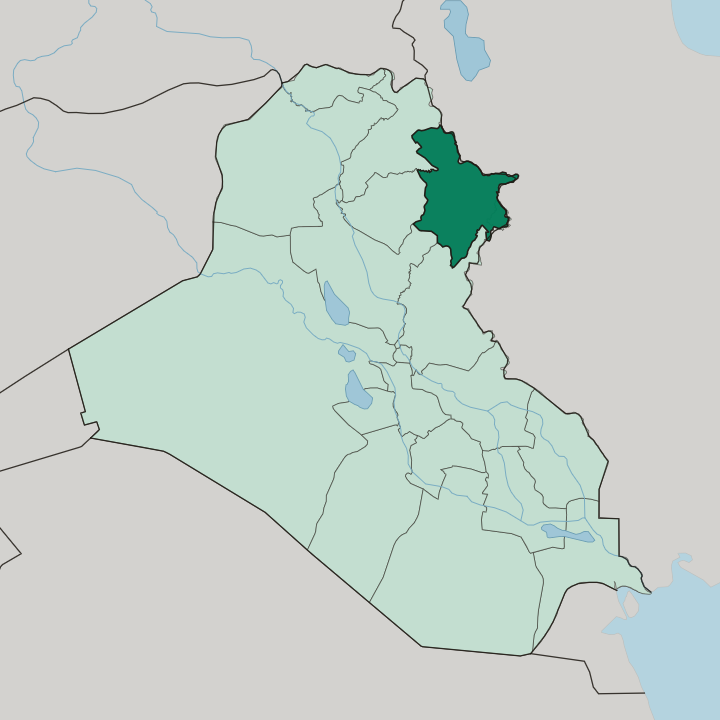
Sulaymaniyah Governorate is the mountainous eastern province of Iraqi Kurdistan, built around its poets' capital in the Zagros foothills.
Hotel links are affiliate links: booking through them may earn us a commission, at no extra cost to you. It never affects how places are ranked. How this works


Towns & cities in Sulaymaniyah Governorate
One town here has its own guide — it links to where to stay.
 Iraq
Iraq
Sulaymaniyah
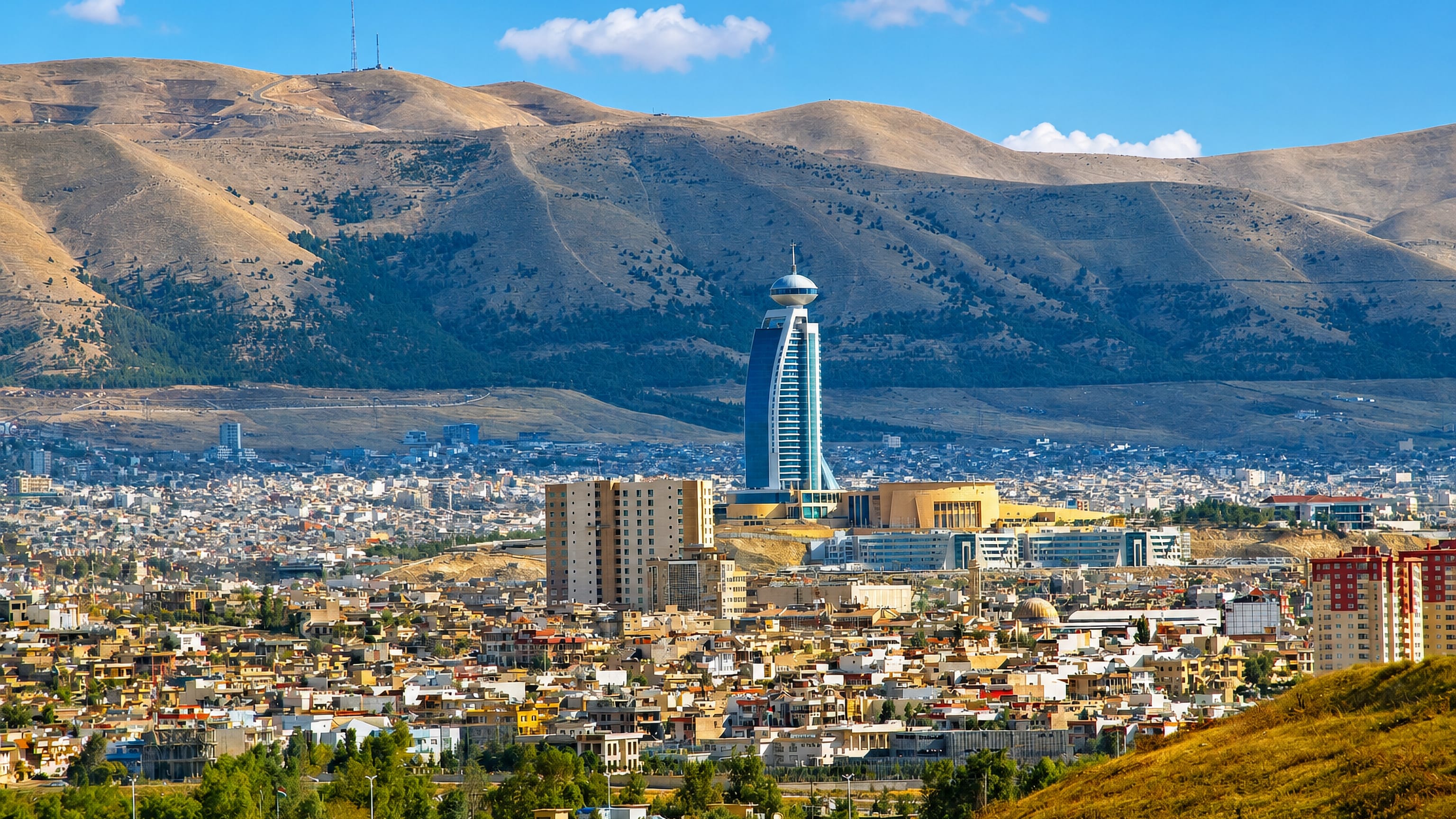
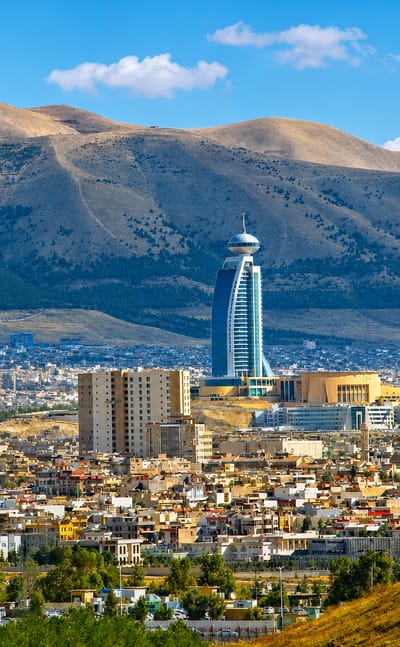
Mountains ring Sulaymaniyah, a city in the Kurdistan Region of Iraq founded in 1784, known as a cultural capital and home to the Sulaymaniyah Museum.Where to stay →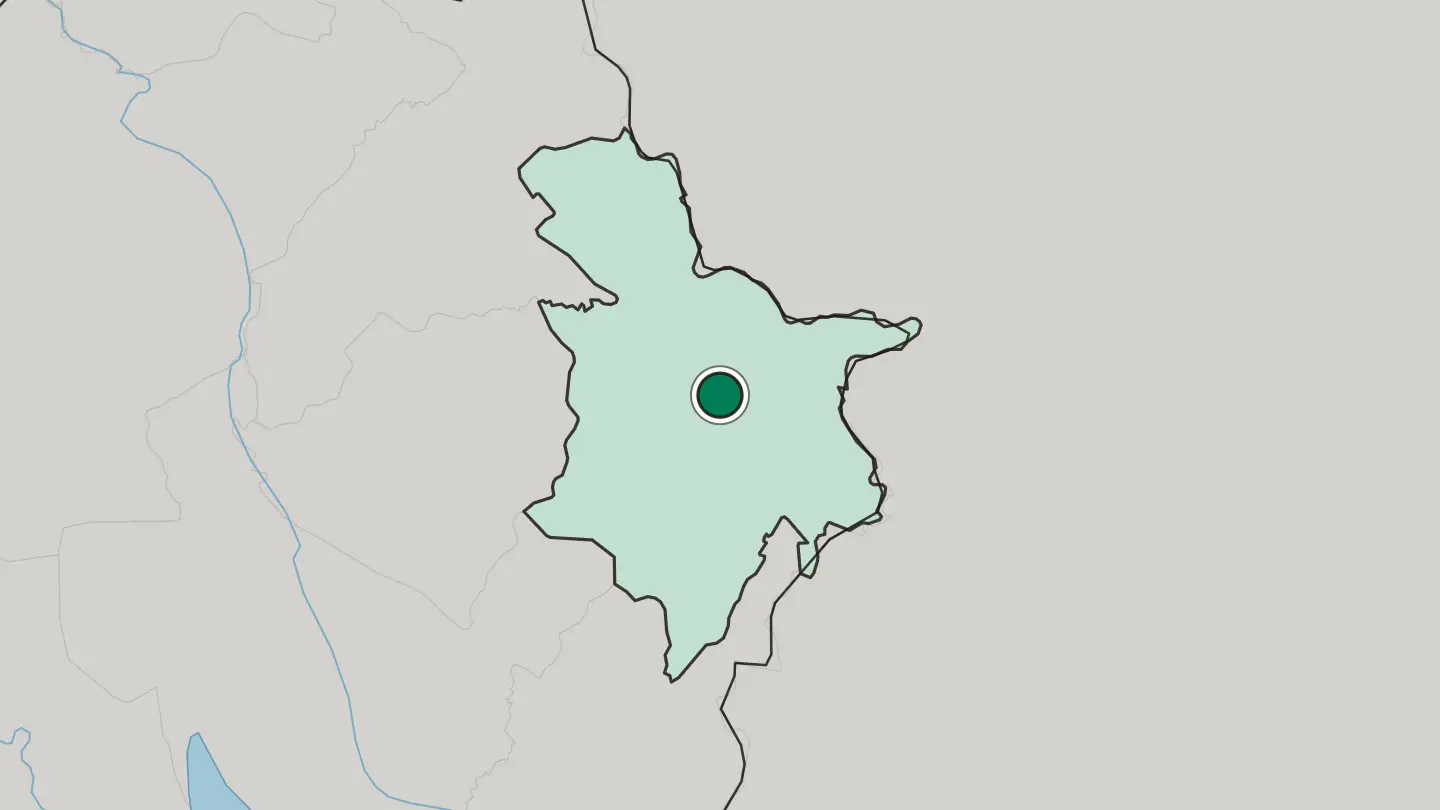
Hotel links are affiliate links: booking through them may earn us a commission, at no extra cost to you. It never affects how places are ranked. How this works
About Sulaymaniyah Governorate
This is the intellectual corner of Iraqi Kurdistan.
What is Sulaymaniyah Governorate known for?
Its capital, Sulaymaniyah, was founded in 1784 as the seat of the Baban emirate, and it grew into the city of Kurdish poets and a UNESCO City of Literature. Mountains ring almost everything. The Zagros ranges wall off the Iranian border to the east, while the fertile Sharazor plain and the Garmian lowlands open out to the south and west.
Two dammed lakes, Dukan and Darbandikhan, sit in the folds between.
Where is Sulaymaniyah Governorate?
Sulaymaniyah is the south-eastern province of the Kurdistan Region of Iraq, and the largest of its governorates by area. Its eastern edge is the Iranian border. That border runs along the high folds of the Zagros Mountains, whose ridges climb well above three thousand metres in the Hawraman and Penjwen country and carry snow deep into spring.
Erbil lies to the north-west and the Kirkuk lands to the west, out where the mountains flatten. The province falls into three worlds. In the north lies the basin of Lake Dukan, where the Little Zab is dammed and the Ranya and Pshdar plains spread below the peaks.
Its middle holds the Sharazor plain and the capital, cradled by the Azmar and Goizha ridge. Garmian fills the south, a low and hot country of the Diyala river where the towns of Kalar and Kifri sit near the Darbandikhan reservoir. From snowbound border passes to sun-baked plain is a single day's drive. Halabja, once the governorate's south-eastern district, split off to become its own province in 2014.
Height decides almost everything here.
What is Sulaymaniyah Governorate like?
Sulaymaniyah thinks of itself as the mind of Kurdistan. The capital earned that name early, and it has kept it. From its first decades the city nurtured the poets who shaped modern Kurdish letters, among them Nalî, Mahwî and Piramerd, and their verse still runs through the province's sense of itself.
The everyday language is Central Kurdish, the Sorani standard that the city helped forge into a written literary tongue. That work is why UNESCO named Sulaymaniyah a City of Literature. Bookshops, cafés and a long habit of open argument fill the streets below Mount Azmar.
Culture here is not only a city affair. Out in the mountain villages of Pshdar and Sharbazher the older Kurdish life holds on, in the herding, the spring picnics on green slopes, and the music that carries between the ridges. The plains of Garmian add a warmer, more Arab-touched edge along the road toward Kirkuk.
History has left its scars too. The province lived through the worst of the Anfal campaign, and the remembrance of it sits close to the surface of daily life. Memory and poetry share the same ground.
What is the history of Sulaymaniyah Governorate?
The province takes its shape from the Baban emirate, the Kurdish principality that ruled these valleys under loose Ottoman authority. Its prince, Ibrahim Pasha Baban, founded Sulaymaniyah in 1784 and made it his capital, naming it for his father. The city stayed the Babans' seat until the emirate was dissolved in the mid-nineteenth century, and it remained the heart of the region under Ottoman, then Iraqi, rule.
The twentieth century brought Kurdish revolt, the Anfal campaign, and eventual autonomy within the Kurdistan Region of Iraq. Old ground, hard century.
What is the climate of Sulaymaniyah Governorate?
Height rules the weather. Around Sulaymaniyah the seasons swing hard between a cold, wet winter and a hot, dry summer, and the difference between the high Zagros passes and the Garmian plain can be a whole climate apart. Winter brings rain to the city and heavy snow to the border peaks, which can hold their white cover well into spring.
Nearly all the year's rain falls between November and April; the summer months from June to September stay bone dry and fierce on the lowlands. The mountains keep the province green far longer than the plains below.
How do you get to Sulaymaniyah Governorate?
Most travellers fly into Sulaymaniyah International Airport, on the western side of the capital, which links the province to Middle Eastern hubs and takes Iraqi Kurdistan's own entry procedures. Overland, roads climb in from Erbil to the north-west and up from the Kirkuk plain to the west, and mountain crossings reach the Iranian border in the east. Inside the governorate the car is everything.
A single winding road ties the capital to Lake Dukan in the north and Kalar in the far south. Passes close in snow.
Common questions
What is the best area to stay in Sulaymaniyah Governorate?
Sulaymaniyah: a first base in Iraqi Kurdistan's cultural capital. Ranya: the Lake Dukan shore and the northern highlands. Kalar: the southern Garmian plain along the Diyala.
Good for
More regions in Iraq
Updated September 2026