Japan · Ōsaka-fu
Where to Stay in Hirakata, Ōsaka-fu
Hirakata is a city in Osaka Prefecture, Japan, a municipality since 1889 with Katano Shrine, Kudara-ji and Hirakata Park inside its bounds.
Hotel links are affiliate links: booking through them may earn us a commission, at no extra cost to you. It never affects how places are ranked. How this works


Where to stay in Hirakata
How the choice of base plays out on the ground.
Hirakata Park decides it for most visitors. A bed within reach of the park suits anyone whose day is built around it, while the shrine side of the city, where Katano Shrine and Katanoamatsukami-no-yashiro stand, makes a quieter base for an early start. Hirakata itself is compact.
Neither side leaves the other out of reach. Hotel stock is thin and practical. Hirakata sits inside the commuter belt of Osaka Prefecture, which pushes many visitors toward beds in larger neighbours and leaves the city with rooms aimed at business callers and at families arriving for Hirakata Park.
Weekends behave nothing like weekdays. When the park is busy that modest supply tightens fast, so a Saturday needs booking long before a Tuesday does. Kudara-ji and the Yodo River Museum pull the other way.
Both stand apart from the park, and a visitor whose interest runs to the archaeological and river-history side of Hirakata will find the ground around them calmer, if plainer, than the streets nearest the park gates. Choose by what opens first. If you want Katano Shrine at dawn, sleep on that side; if Hirakata Park is the reason for the trip, stay where its gate is a short walk away.
Find hotels in Hirakata
Direct booking searches for these neighbourhoods.
By Hirakata Park
Rooms within walking distance of Hirakata Park spare the morning journey and put the park entrance ahead of everything else in the dayFind hotels in By Hirakata ParkEarly risers heading for Katano Shrine and Katanoamatsukami-no-yashiroThe Katano Shrine side
Streets around Katano Shrine and Katanoamatsukami-no-yashiro stay quieter than the park end and reach Kudara-ji without crossing the busy centre. Beds are limited here, so book early.Find hotels in The Katano Shrine sideHotel links are affiliate links: booking through them may earn us a commission, at no extra cost to you. It never affects how places are ranked. How this works
About Hirakata
Shrines and a park carry it.
What is Hirakata known for?
Hirakata gathers Katano Shrine and Katanoamatsukami-no-yashiro on the same municipal ground as Hirakata Park, so a visit can move from devotional sites to open parkland without leaving the city. Kudara-ji adds a third register. The Yodo River Museum takes the Yodo River as its subject, and Hirakata Catholic Church marks a Catholic foundation among far older ones.
What are the main landmarks in Hirakata?
Two shrines and a park. Katano Shrine and Katanoamatsukami-no-yashiro give Hirakata its devotional pair, while Hirakata Park supplies the counterweight, a stretch of open ground given to leisure rather than to worship. Kudara-ji is the older ground: the temple, founded in 750 by the grandson of the exiled Baekje prince Zenkō, burned down in the 12th century, and only marker posts stand in its field.
The Yodo River Museum handles the water, and Hirakata Catholic Church rounds them off.
What is the history of Hirakata?
Worship came first here. Katanoamatsukami-no-yashiro and Katano Shrine belong to the older layer of Hirakata, foundations whose ground was fixed long before any municipal boundary was drawn around them, and Kudara-ji stands in the same early stratum. Names outlast institutions.
These sites survive as places even where the settlements that once served them have been rebuilt past recognition, which is the ordinary fate of a city inside a growing conurbation. The modern town dates from 1889. Hirakata-cho was constituted in that year, giving formal shape to a community that had existed for centuries without one, and everything the city has become since rests on that late nineteenth-century footing.
Growth followed the region. Its modern industry began with munitions for the Imperial Japanese Army and textile makers, and between Osaka and Kyoto the city grew about tenfold from around 1973 to 2013. Newer arrivals mark the same map.
Hirakata Catholic Church records a Catholic congregation among foundations far older than itself, and Hirakata Park added a leisure ground belonging to an entirely different century. The Yodo River gets its own account. The Yodo River Museum sets that out, treating the water as the thread running through what happened on this ground in Japan.
Where is Hirakata?
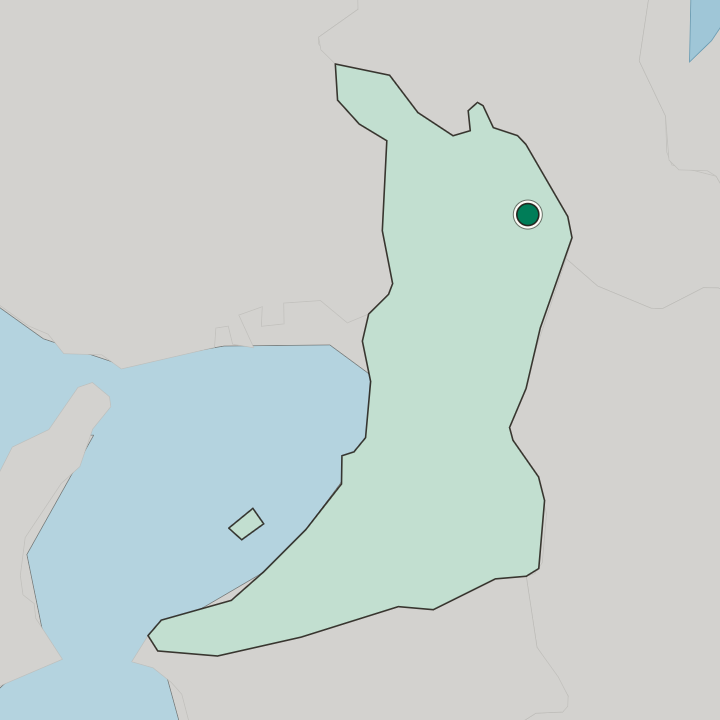
One river supplies the name that matters. Hirakata occupies sixty-five square kilometres of Osaka Prefecture given mostly over to housing, and the Yodo River, documented at the Yodo River Museum, is the large natural feature the municipality attaches itself to. Older ground breaks the pattern.
Katano Shrine, Katanoamatsukami-no-yashiro and Kudara-ji hold small pockets of it, while Hirakata Park accounts for the largest deliberate opening in the built surface.
What is the climate of Hirakata?
Rain concentrates in the warm months. Hirakata lies in the subtropical band, where the summer half of the year carries the wet weather while the winter half runs comparatively dry and clear, a rhythm the Yodo River has registered far longer than the streets have. Summer afternoons sit heavy.
Spring and autumn make the workable seasons for Katano Shrine, Kudara-ji and a slow crossing of Hirakata Park.
How do you get to Hirakata?
Commuter rail carries the traffic. Hirakata sits between the larger centres of Osaka Prefecture on lines that make it an easy day trip, which is exactly why many visitors arrive in the morning and leave the same evening without ever needing a room. Hirakata Park draws the largest single flow.
Once inside the city, Katano Shrine, Kudara-ji and the Yodo River Museum are a matter of short local hops rather than any real journey.
Common questions
What is the best area to stay in Hirakata?
By Hirakata Park: Families whose trip is planned around the gates of Hirakata Park. The Katano Shrine side: Early risers heading for Katano Shrine and Katanoamatsukami-no-yashiro.
More cities in Ōsaka-fu
Updated October 2026