Japan · Ōsaka-fu
Where to Stay in Ibaraki, Ōsaka-fu
Ibaraki is a suburban city of Osaka Prefecture, Japan, with the Church of the Light and the Tower of the Sun among its landmarks.
Hotel links are affiliate links: booking through them may earn us a commission, at no extra cost to you. It never affects how places are ranked. How this works


Where to stay in Ibaraki
How the choice of base plays out on the ground.
Two ends of Ibaraki want different visitors. Rooms toward the Church of the Light suit anyone whose interest is architecture and the quieter residential streets, while the side nearest the Tower of the Sun and the Expo '70 Pavilion puts the museums and the wheel within a morning. Neither is a resort district.
This is suburban Osaka Prefecture, and the beds reflect it. Most people sleep in Osaka City instead. Ibaraki lies inside the Kyoto-Osaka-Kobe metropolitan area on lines that make the centre an easy ride, so hotel supply here stays modest and tilts toward business rather than tourism, with families the main exception.
Nifrel changes that calculation. A day built around Nifrel, the Redhorse Osaka Wheel and átoa is easier begun from a bed on that side than from a train at rush hour. Quiet corners exist for the patient.
Imashirozuka Burial Mound Park, Higashi Nara and the Ibaraki Municipal Kawabata Literature Hall sit away from the main draws, and the streets around them are the closest the city comes to somewhere restful. If you want the Church of the Light at opening and nothing else, any central address works. Seventy-six square kilometres are not hard to cross.
Find hotels in Ibaraki
Direct booking searches for these neighbourhoods.
Toward the Church of the Light
The blocks nearest the Church of the Light stay residential, and the Ibaraki Municipal Kawabata Literature Hall works from the same base. Beds are limited here, so book early.Find hotels in Toward the Church of the LightFamilies planning a day across Nifrel and the Redhorse Osaka WheelThe Tower of the Sun side
Beds nearest the Tower of the Sun gather the Expo '70 Pavilion, Nifrel and the National Museum of Ethnology into one walkable clusterFind hotels in The Tower of the Sun sideHotel links are affiliate links: booking through them may earn us a commission, at no extra cost to you. It never affects how places are ranked. How this works
About Ibaraki
Architecture and Expo leftovers.
What is Ibaraki known for?
The Church of the Light heads the architectural side of Ibaraki, while the Tower of the Sun and the Expo '70 Pavilion keep a world's-fair legacy standing on the same municipal list. Museums crowd in behind. The National Museum of Ethnology, the Japan Folk Crafts Museum and the Ibaraki Municipal Kawabata Literature Hall each work a different subject, while Nifrel and the Redhorse Osaka Wheel handle the family end.
What are the main landmarks in Ibaraki?
A church and a tower. The Church of the Light and the Tower of the Sun are the two images the city trades on, and the Expo '70 Pavilion preserves the world's fair that gives it its name. Collections fill the rest.
The National Museum of Ethnology and the Japan Folk Crafts Museum cover one register, Nifrel and the Masaharu Fuji Memorial Hall another, and átoa with Oda Haiji round out an unusually long list for a suburban city.
What is the history of Ibaraki?
Burial mounds came long before the city. Imashirozuka Burial Mound Park preserves ground used for interment in the distant past, and Higashi Nara and Oda Haiji belong to the same deep archaeological layer beneath a suburb that now looks entirely modern. Nothing above ground betrays it.
The mounds are the oldest thing in Ibaraki by a wide margin. Ibaraki-shi took its present form in 1948. City status arrived that year, when the settlement had already been drawn into the orbit of Osaka City, and the decades after turned seventy-six square kilometres into continuous housing inside the Kyoto-Osaka-Kobe metropolitan area.
Suburbia did the rest. Growth here ran residential rather than industrial, which is why the city reads as a place people commute from rather than to. A world's fair changed the register.
The Expo '70 Pavilion survives from the world's fair of that year, the Tower of the Sun counts among the landmarks the city lists, and the National Museum of Ethnology gave the suburb an institution of national scale. Later additions were smaller and more personal. The Ibaraki Municipal Kawabata Literature Hall and the Masaharu Fuji Memorial Hall each keep one name, while the Church of the Light gave Osaka Prefecture a piece of architecture that visitors travel for.
Where is Ibaraki?
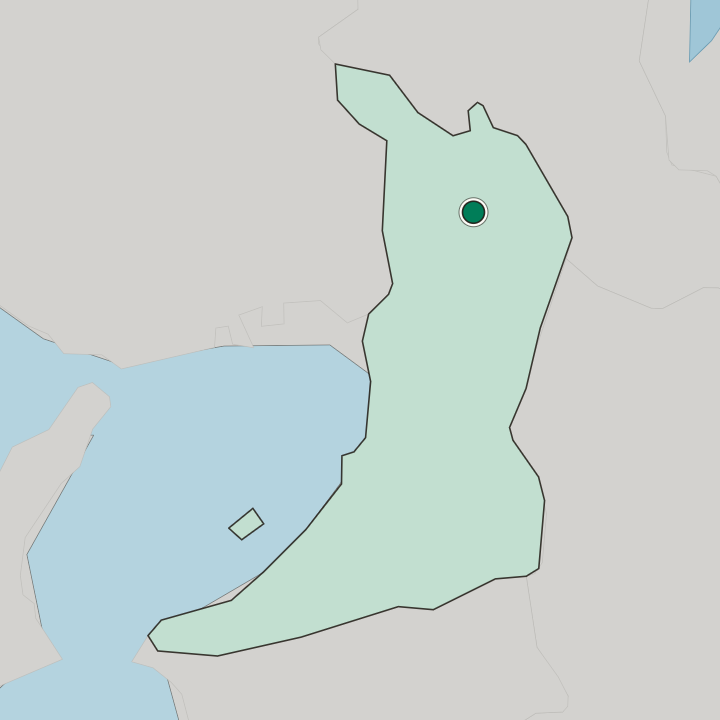
Seventy-six square kilometres of suburb. Ibaraki fills its share of Osaka Prefecture with housing that runs continuous with the neighbours on either side, part of the Kyoto-Osaka-Kobe metropolitan area rather than a settlement with edges of its own. Open ground is deliberate here.
Imashirozuka Burial Mound Park supplies the largest of it, and the grounds around the Tower of the Sun and the National Museum of Ethnology account for most of the rest.
What is the climate of Ibaraki?
Heat pools in the metropolitan mass. Ibaraki sits in the subtropical band, and the continuous built surface of the Kyoto-Osaka-Kobe metropolitan area holds the summer warmth into the night far better than open country would, which makes an August evening here notably close. Winter runs dry.
The Church of the Light and Imashirozuka Burial Mound Park both reward the cooler months, when walking between them stops being work.
How do you get to Ibaraki?
Osaka City is the reference point. Ibaraki sits on the commuter corridor between the centres of the Kyoto-Osaka-Kobe metropolitan area, which is why the city functions as a stop rather than an endpoint and why so many of its visitors arrive with a return ticket already bought. Distances inside stay modest.
The Church of the Light, Nifrel and the National Museum of Ethnology fall on different sides of seventy-six square kilometres, so one day covers two of them comfortably rather than all three.
Common questions
What is the best area to stay in Ibaraki?
Toward the Church of the Light: Visitors here for the Church of the Light and a quiet street after it. The Tower of the Sun side: Families planning a day across Nifrel and the Redhorse Osaka Wheel.
Good for
More cities in Ōsaka-fu
Updated October 2026