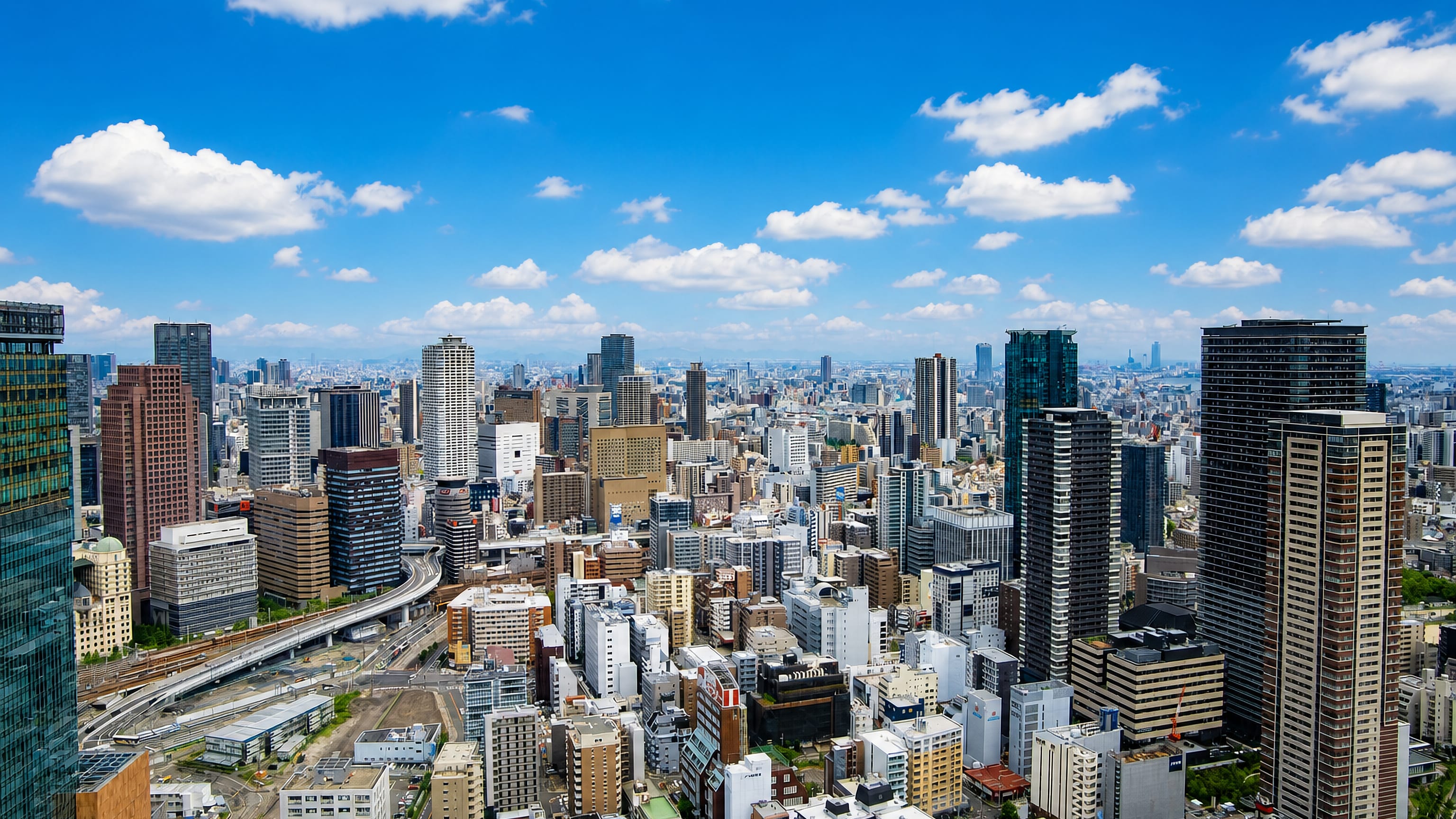
Japan · Ōsaka-fu
Where to Stay in Osaka, Ōsaka-fu
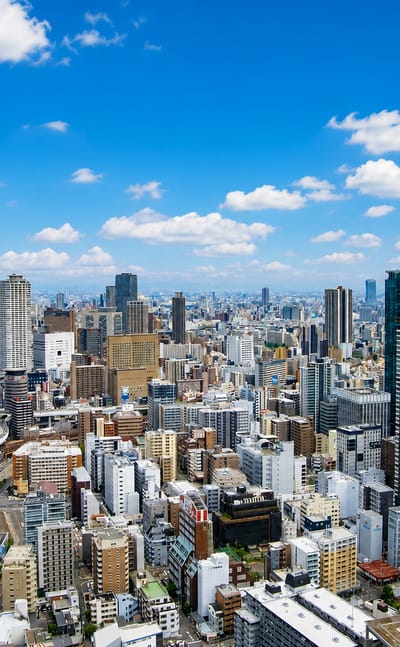
Osaka is the commercial heart of the Kansai region on Honshu, capital of Osaka Prefecture and a designated city known for its food and museums.
Hotel links are affiliate links: booking through them may earn us a commission, at no extra cost to you. It never affects how places are ranked. How this works


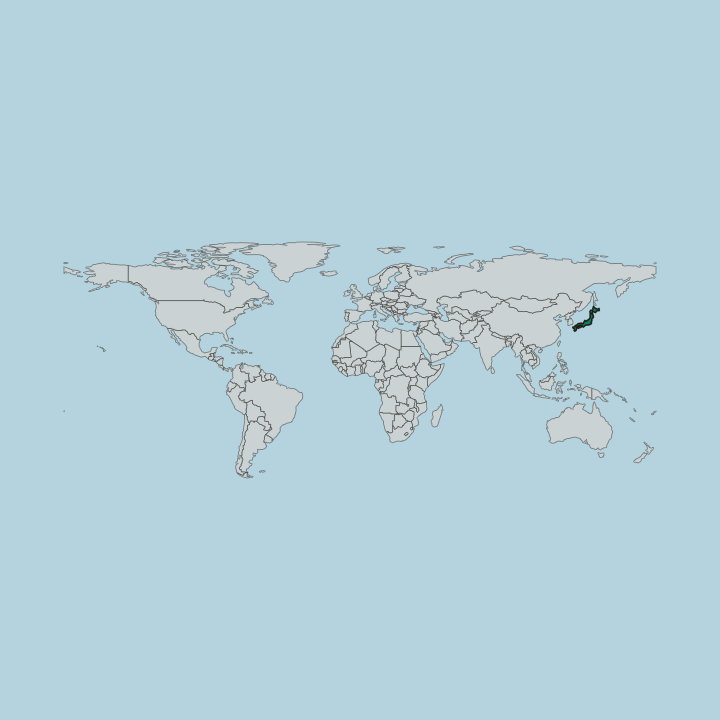
Where to stay in Osaka
One neighbourhood here has its own guide — here's what it is best for.
 OsakaJapan
Ebie
Ebie is a district of Osaka, the commercial city of the Kansai region on Honshu, and the site of the Osaka City Sewerage Science Museum.Where to stay →Hotel links are affiliate links: booking through them may earn us a commission, at no extra cost to you. It never affects how places are ranked. How this works
Find hotels in Osaka
Direct booking searches for these neighbourhoods.
Nakanoshima
steps from the National Museum of Art, Osaka and the Nakanoshima Museum of Art, OsakaFind hotels in Nakanoshimafirst-timers close to the food streetsCentral wards
walking reach of the Osaka Museum of History and the dining coreFind hotels in Central wardsquieter riverside nightsŌgimachi and the Mint quarter
hotels near KTV Ōgimachi Square and the Mint MuseumFind hotels in Ōgimachi and the Mint quarterhistory-minded visitors to OsakaAround the Peace Center
close to the Osaka International Peace Center and the civic hallsFind hotels in Around the Peace CenterHotel links are affiliate links: booking through them may earn us a commission, at no extra cost to you. It never affects how places are ranked. How this works
Things to do in Osaka
Ranked by global recognition; descriptions from Wikidata (CC0).
Museums & Galleries
3- Nakanoshima Museum of Art, Osaka
- National Museum of Art, Osaka
- Fujita Art Museum
Churches & Religious Sites
3- Grand Cathedral of the Virgin Mary of Osaka
- UCCJ Osaka Church
- Kawaguchi Christ Church Cathedral
Castles & Historic Sites
1- Hōenzaka Site Heritage
Landmarks & Notable Places
2- HEP
- Kyoikuto
worth knowingacross 4 categories in Osaka
About Osaka
What is Osaka known for?
Osaka is known as the commercial and culinary capital of the Kansai region. Its food and nightlife draw visitors from across Japan, and the dense centre packs museums, markets, and stages into the Keihanshin Metropolitan Area that ties the city to Kyoto and Kobe. Culture runs deep here.
The Osaka Museum of History traces the city from its early trading days, the National Museum of Art, Osaka anchors the arts scene, and the Osaka International Peace Center keeps the memory of the war years, giving the designated city a civic weight to match its reputation for eating and trade.
What are the main landmarks in Osaka?
Osaka's landmarks lean heavily toward its museums and civic institutions. The National Museum of Art, Osaka and the Nakanoshima Museum of Art, Osaka stand in the cultural quarter, close to the Museum of Oriental Ceramics, Osaka and the Osaka Science Museum. History has its halls too.
The Osaka Museum of History and the Osaka Museum of Housing and Living record the city's past, the Osaka International Peace Center bears witness to the war years, and the Grand Cathedral of the Virgin Mary of Osaka rises among them as a mark of the city's Christian community.
What is the history of Osaka?
Osaka grew from an ancient settlement on the plains of the Kansai region into one of Japan's principal trading cities. The Hōenzaka Site preserves remains from its early centuries beneath the modern core, evidence that people gathered and traded here long before the country's modern age. Commerce shaped the place from the start.
Merchants, canals, and markets made the settlement a hub of exchange for much of Honshu, and that mercantile character still runs through the streets of the designated city. The modern municipality of Osaka was incorporated in 1889, as Japan reorganised its cities under a new administrative order, and it rose quickly to anchor the wider Keihanshin Metropolitan Area as the capital of Osaka Prefecture. War left deep scars.
The Osaka International Peace Center records the bombing and hardship of the twentieth century, while the Osaka Museum of History and the Osaka Museum of Housing and Living trace daily life across the long span from castle town to industrial hub. Rebuilding came fast. From those years Osaka re-emerged as the commercial capital of the Kansai region, a magnet for trade and travellers alike from every corner of Japan.
Where is Osaka?
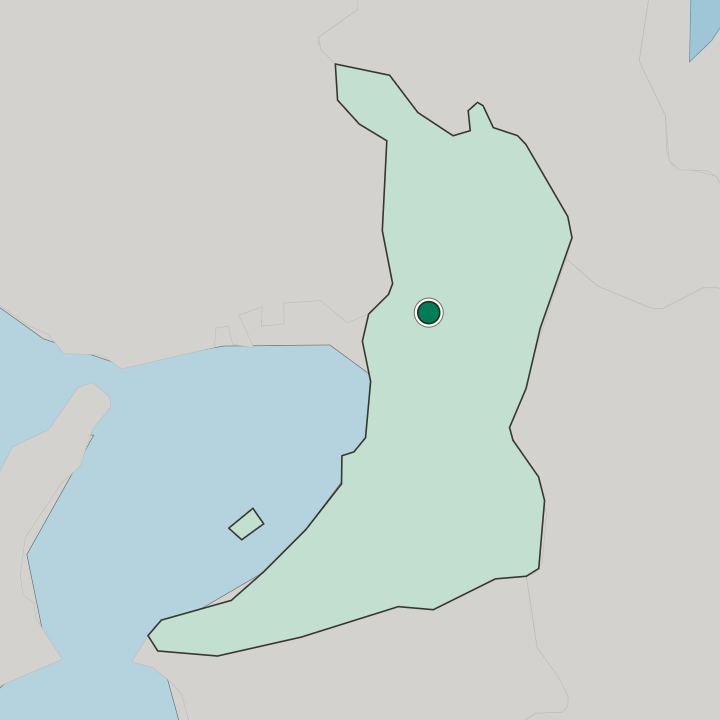
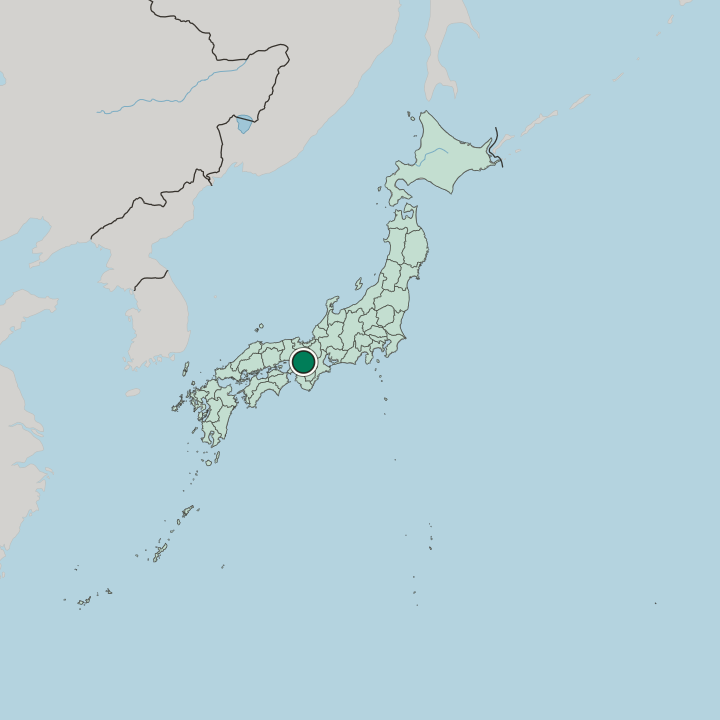
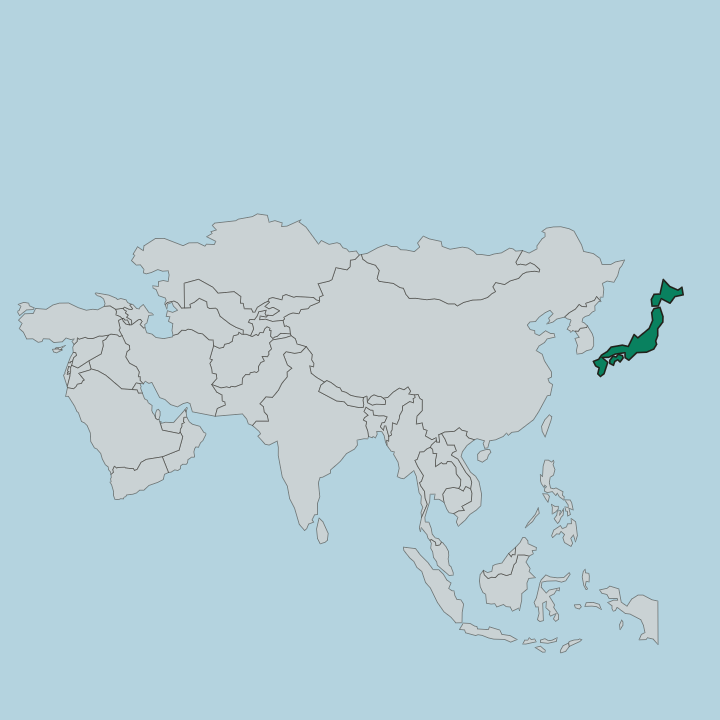
Osaka lies in the Kansai region of Honshu, the central island of Japan, and serves as the capital of Osaka Prefecture. The designated city spreads across a low-lying plain, with the cultural quarter of Nakanoshima at its heart. It anchors the Keihanshin Metropolitan Area.
Rail and road bind it tightly to Kyoto and Kobe, its neighbours in the great urban cluster that fills this stretch of Honshu, so the three cities function almost as one region for travel and trade.
What is the climate of Osaka?
Osaka has a warm, humid subtropical climate typical of the lowlands of the Kansai region. Summers are long, hot, and sticky, when the air over the plain hangs heavy and afternoon downpours sweep across the Keihanshin Metropolitan Area. Winter is brief and rarely cold across the Kansai lowlands.
Frost and snow are rare here. Spring and autumn bring the clearest, most settled weather, drawing crowds to the streets and museums of Osaka between the heat and the brief cool season.
How do you get to Osaka?
Osaka is among the best-connected cities in Japan, a natural base for the whole Kansai region. High-speed and local rail bind it to Kyoto, Kobe, and the far side of Honshu, and lines converge on the central wards from every direction. Getting around is easy.
Dense metro and rail networks stitch the designated city together, while the airports and sea links of the Keihanshin Metropolitan Area carry travellers in from across Japan and abroad, so the city works well as a base for exploring the whole of Osaka Prefecture.
Common questions
What is the best area to stay in Osaka?
Nakanoshima: museum-first stays in the cultural quarter. Central wards: first-timers close to the food streets. Ōgimachi and the Mint quarter: quieter riverside nights. Around the Peace Center: history-minded visitors to Osaka.
Good for
More cities in Ōsaka-fu
Updated September 2026