Japan · Ōsaka-fu
Where to Stay in Toyonaka, Ōsaka-fu
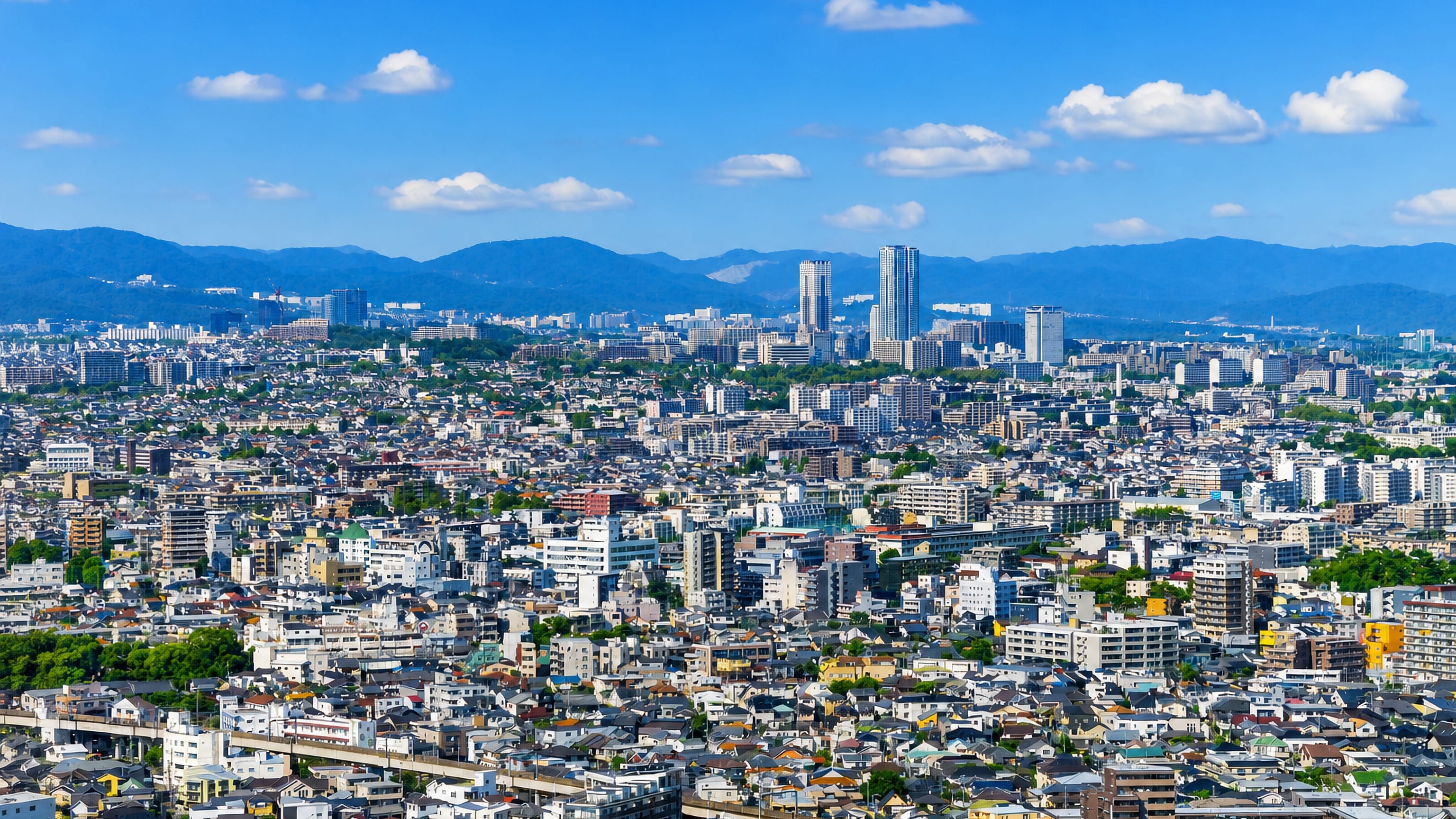
Toyonaka is a commuter suburb of Osaka City with an Osaka University campus, academic museums, and excavated ground under its housing.
Hotel links are affiliate links: booking through them may earn us a commission, at no extra cost to you. It never affects how places are ranked. How this works


Where to stay in Toyonaka
Where the beds are, and what that means for the visit.
Rooms here serve the city rather than the visitor. Toyonaka is a place people commute out of, so the accommodation that exists sits near the lines and serves business travellers or families visiting students. The campus alters that a little.
An Osaka University campus stands inside the suburb, and a room near it puts the Museum of Osaka University and the ordinary business of student life within a short walk, which is a better reason to stay than convenience by itself. Two other corners make sense. The blocks around the Museum of the Osaka College of Music are quiet and residential, close enough to the line that an evening concert costs no travelling time at all, and they suit you if what happens after dark matters more to you than daytime sightseeing.
Nearer Itami the emphasis turns to families, since the Itami City Children's Cultural Science Museum is the obvious target from that side. Beds are limited everywhere. Most travellers who look carefully end up choosing between a night here and a night in Osaka City, and the honest answer is that the metropolis wins on choice while Toyonaka wins on quiet and on the shorter walk to a station in the morning.
The Open-Air Museum of Old Japanese Farm Houses, the Kansai University Museum and Imanishi Family Residence all fall within reach of any base in the city. Tano Site and Hozumi Site take more planning than that.
Find hotels in Toyonaka
Direct booking searches for these neighbourhoods.
Osaka University campus side
Student streets beside the Osaka University campus, with the Museum of Osaka University a walk away. Beds are limited here, so book early.Find hotels in Osaka University campus sideevenings built around a concert rather than a sightMuseum of the Osaka College of Music blocks
Quiet residential streets by the Museum of the Osaka College of Music, close to the commuter line. Lodging is scarce in this area; reserve in advance.Find hotels in Museum of the Osaka College of Music blocksfamilies aiming at the Itami City Children's Cultural Science MuseumItami edge
The part of Toyonaka nearest Itami, handiest for the Itami City Children's Cultural Science Museum. Beds are limited here, so book early.Find hotels in Itami edgeHotel links are affiliate links: booking through them may earn us a commission, at no extra cost to you. It never affects how places are ranked. How this works
About Toyonaka
Commuting is the daily fact of the place.
What is Toyonaka known for?
Thousands travel between Toyonaka and Osaka City every working day, students among them, because an Osaka University campus stands inside the suburb and the public transport serving it is unusually good for a city of this size. Academic collections fill the rest of the picture. The Museum of Osaka University, the Museum of the Osaka College of Music and the Kansai University Museum belong to institutions rather than to any tourist circuit.
Curiosity is the entry fee.
What are the main landmarks in Toyonaka?
Academic collections outnumber everything else. The Museum of Osaka University, the Kansai University Museum and the Museum of the Osaka College of Music each hang off an institution rather than a tourist trail, and they reward a visitor with a specific interest far more than one working through a list. Toyonaka's deeper past is still legible.
Excavation at Tano Site and Hozumi Site records occupation long predating the suburb, Imanishi Family Residence keeps one house standing from the countryside that used to be here, and the Open-Air Museum of Old Japanese Farm Houses gathers timber buildings on open ground within easy reach.
What is the history of Toyonaka?
City status arrived in 1936. What the paperwork recognised was a district already turning from farmland into housing along the edge of Osaka City, and the decades that followed filled nearly every remaining field with the streets a growing metropolis needed for the people who worked in it. The change was quick.
Very little of the earlier countryside was kept, and what remains of it is preserved deliberately rather than by accident. Ground beneath the housing is far older. Tano Site and Hozumi Site record settlement and use of this plain in periods with no connection to the modern suburb, and excavation is now the only route back to that landscape, since almost nothing of it stands above the surface.
Imanishi Family Residence is the exception. One preserved house holds the line for a countryside that has otherwise disappeared under the grid. Education shaped what came after the housing.
An Osaka University campus put students inside the suburb, and thousands of journeys a day tie Toyonaka to Osaka City in both directions, which is a different kind of dependence from the one a factory town develops. Museums followed the institutions that made them. The Museum of Osaka University, the Museum of the Osaka College of Music and the Kansai University Museum all belong to that academic layer, while the Open-Air Museum of Old Japanese Farm Houses answers the vanished countryside by standing its timber buildings in the open where they can still be walked through.
Where is Toyonaka?
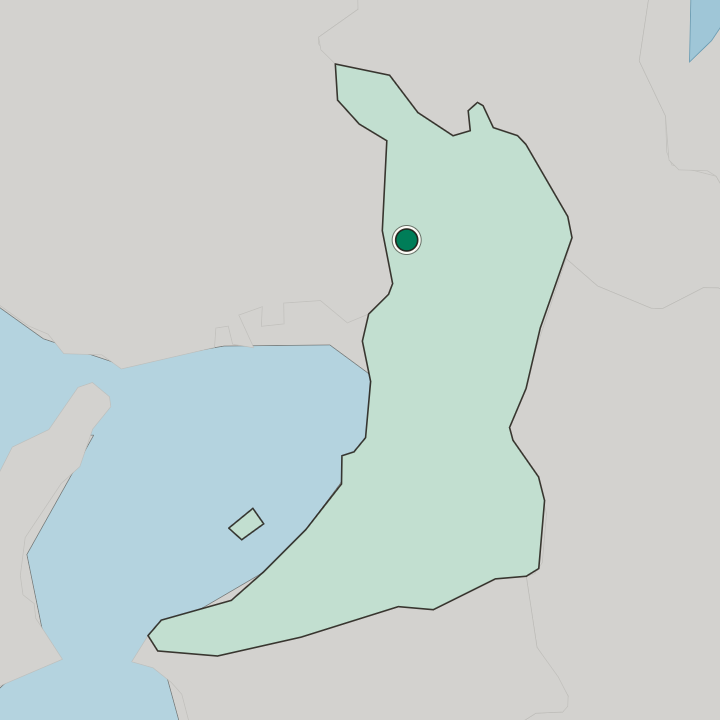
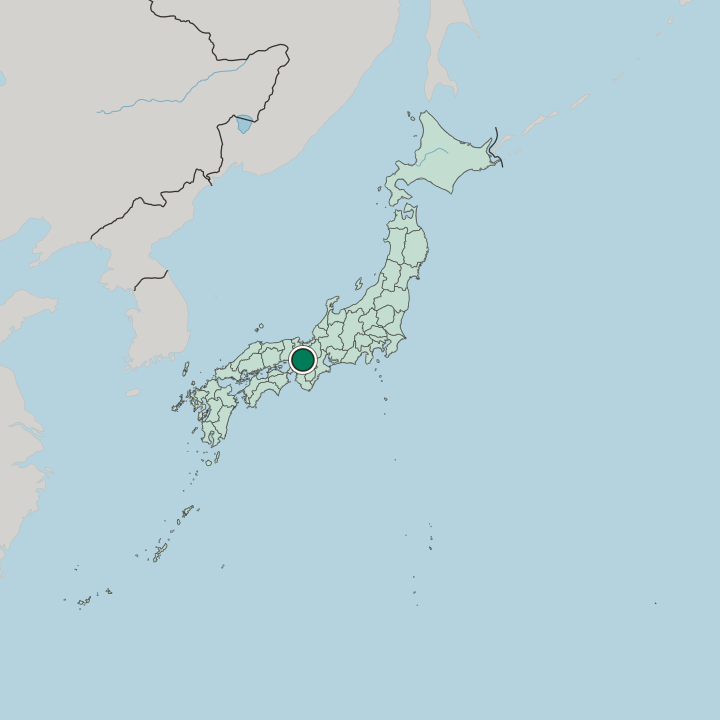
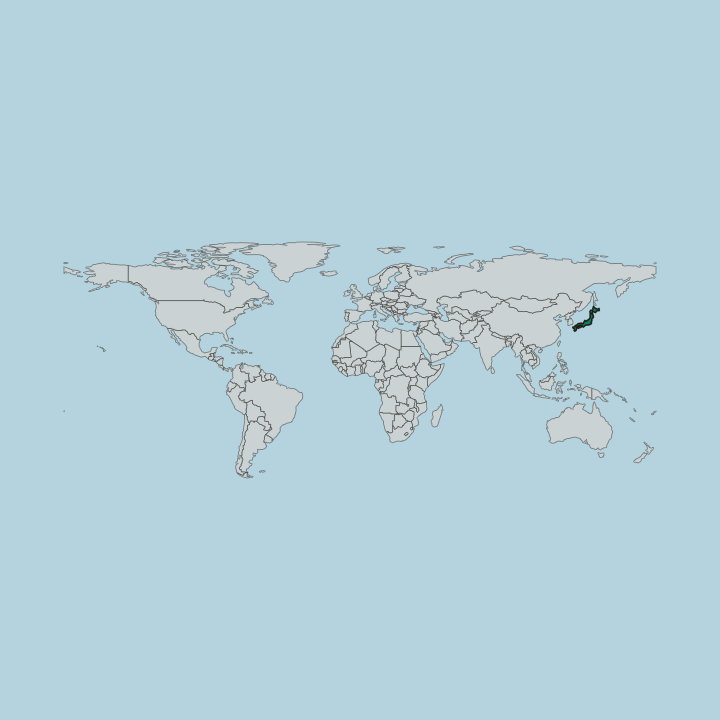
Toyonaka covers a compact piece of Osaka Prefecture pressed against Osaka City, and nothing visible marks where one ends and the other starts, because the housing simply runs on through the boundary without a break. Open land is scarce. Campus grounds and the excavated ground at Tano Site account for much of what was never built on, while Itami lies close on the other side, near enough that the Itami City Children's Cultural Science Museum reads as a local option rather than a trip.
Kyoto and Kobe hold the far corners of the metropolitan area.
What is the climate of Toyonaka?
Humidity is what visitors remember. Lying in the subtropical band, Toyonaka takes long warm summers in which dense housing gives its heat back well after dark, and winters mild enough that they rarely interfere with a day spent walking. Spring and autumn do the real work.
Anyone crossing the Osaka University campus on foot at the height of summer will grasp quickly why the Museum of Osaka University and the Museum of the Osaka College of Music are best saved for the middle of the day.
How do you get to Toyonaka?
Public transport is the whole point of the place. Toyonaka is well connected, thousands commute daily between the suburb and Osaka City, and services run frequently enough from early morning to late evening that arriving takes no planning worth the name. Kyoto and Kobe sit at the other corners of the Kyoto-Osaka-Kobe metropolitan area.
Neither needs much changing. Driving makes little sense at this density, though a car does pair the Itami City Children's Cultural Science Museum with the Open-Air Museum of Old Japanese Farm Houses more neatly than the timetable does.
Common questions
What is the best area to stay in Toyonaka?
Osaka University campus side: anyone with business at the Osaka University campus. Museum of the Osaka College of Music blocks: evenings built around a concert rather than a sight. Itami edge: families aiming at the Itami City Children's Cultural Science Museum.
Good for
More cities in Ōsaka-fu
Updated September 2026