Japan · Ōsaka-fu
Where to Stay in Yao, Ōsaka-fu
Yao is a city in Osaka Prefecture, Japan, and the birthplace of Kawachi ondo, a style of folk singing.
Hotel links are affiliate links: booking through them may earn us a commission, at no extra cost to you. It never affects how places are ranked. How this works


Where to stay in Yao
Where visitors usually base themselves, and why.
Yao scatters its interest across separate addresses, the Shiba Ryotaro Memorial Museum, the Yao City Shionjiyama Kofun Site Museum, the Old Tsujimoto House, so no quarter of the city can claim to be the base that serves them all. Forty-two square kilometres is not much ground. A room anywhere inside the city keeps all of them within a short local move, which matters more here than any notion of a centre.
Two clusters of interest, one small city. Anything booked with the Yao City Shionjiyama Kofun Site Museum and the Uryūdou Site in mind puts the archaeological side of Yao first, while a stay chosen around the Shiba Ryotaro Memorial Museum and the Old Tsujimoto House leans literary and domestic instead. The split is short, not deep.
If you want both in a single day, either address does the job, since the city is compact enough that the choice costs minutes rather than a morning. Kawachi ondo is the other reason to be here. The singing tradition credited to Yao belongs to the city rather than to any one building, so no address holds it.
Ask locally.
Find hotels in Yao
Direct booking searches for these neighbourhoods.
Uryūdou and the kofun museums
This side of Yao puts the Shionjiyama kofun collection and the Yao City Archaeological Research Center in one short circuit, with the Uryūdou Site as the open-ground counterpartFind hotels in Uryūdou and the kofun museumsStays anchored on the Shiba Ryotaro Memorial Museum rather than the excavationsNear the Shiba Ryotaro Memorial Museum
Rooms at this end of Yao leave the Old Tsujimoto House within reach as well, the two stops in the city that owe nothing to a digFind hotels in Near the Shiba Ryotaro Memorial MuseumHotel links are affiliate links: booking through them may earn us a commission, at no extra cost to you. It never affects how places are ranked. How this works
About Yao
Kawachi ondo began here.
What is Yao known for?
That style of folk singing is what carries Yao's name beyond Osaka Prefecture, and the city gathers the rest of its interest into small institutions rather than one headline sight: the Shiba Ryotaro Memorial Museum, the Yao City Shionjiyama Kofun Site Museum and the Yao City Archaeological Research Center. Excavation shapes the list. The Uryūdou Site and the Old Tsujimoto House complete it.
What are the main landmarks in Yao?
Five named sites, one small city. Excavation runs through most of them: the Uryūdou Site is the ground itself, the Yao City Archaeological Research Center works the material that comes out of such ground, and the Yao City Shionjiyama Kofun Site Museum presents the kofun site it is named for. Two others sit outside that theme.
The Old Tsujimoto House survives as a building, and the Shiba Ryotaro Memorial Museum is a memorial to the figure whose name it carries.
What is the history of Yao?
The ground was worked long before the city existed. Yao took city status in 1948, a modern administrative date that sits oddly against the Uryūdou Site and the mound behind the Yao City Shionjiyama Kofun Site Museum, both of which record settlement of a far older order. Two clocks run here.
One is measured in charter years and the other in excavation layers, and the Yao City Archaeological Research Center exists to read the second. Continuity shows in the buildings. The Old Tsujimoto House stands as an inherited structure rather than a reconstruction, which makes it the plainest surviving link between the older settlement and the incorporated city.
Kawachi ondo carries that continuity in sound. The folk singing style credited to Yao is inherited practice rather than institution, and it belongs to the cultural record of Osaka Prefecture as firmly as any building the city keeps. Incorporation is the newest layer here.
Everything held by the Yao City Archaeological Research Center predates it by a wide margin, and the Old Tsujimoto House falls between the two, old enough to carry the earlier settlement and sound enough to still stand in the Japan of the present day. Both eras stay legible.
Where is Yao?
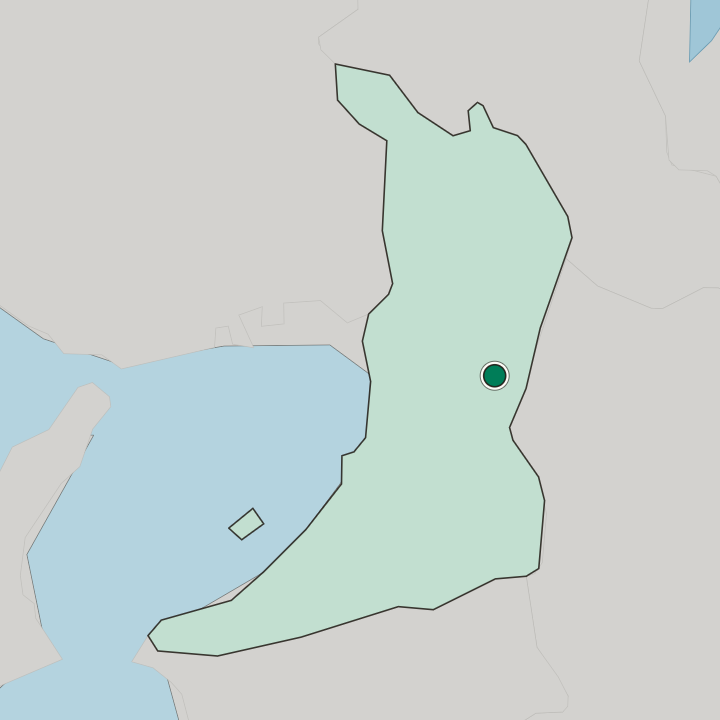
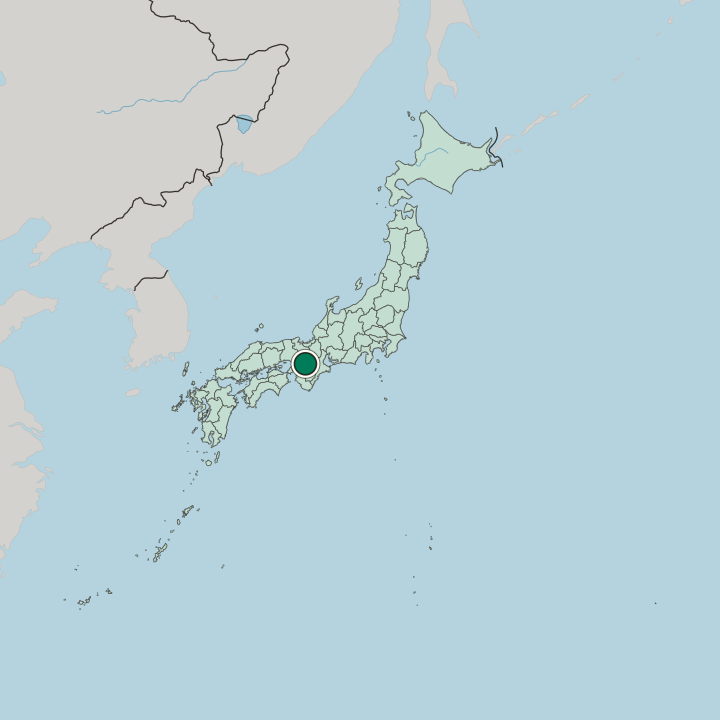
Yao is drawn tight rather than spread wide. The city takes up a modest slice of Osaka Prefecture, a compact frame in which the Uryūdou Site, the Old Tsujimoto House and the museum addresses stay close to one another. Scale is the main fact.
Nothing inside Yao's extent takes long to cross, and that single quality shapes how the city is used more than any distinction between one part of it and another.
What is the climate of Yao?
A subtropical band runs across Osaka Prefecture and takes Yao with it. The warm half of the year runs long, and the cooler half is moderate rather than severe, which is what that band means for the city and for Osaka Prefecture around it. Timing matters for the open sites.
The Uryūdou Site rewards a cooler day, while the Yao City Shionjiyama Kofun Site Museum and the Yao City Archaeological Research Center are indoor propositions in any season.
How do you get to Yao?
Everything here is a short hop. Yao lies within Osaka Prefecture, so the practical question is not distance but which of the prefecture's approaches feeds into the city. Local legs stay brief.
The Shiba Ryotaro Memorial Museum, the Uryūdou Site and the Yao City Archaeological Research Center all fall inside that same small frame, which makes one base workable for the lot.
Common questions
What is the best area to stay in Yao?
Uryūdou and the kofun museums: Travellers whose day starts at the Yao City Shionjiyama Kofun Site Museum. Near the Shiba Ryotaro Memorial Museum: Stays anchored on the Shiba Ryotaro Memorial Museum rather than the excavations.
More cities in Ōsaka-fu
Updated September 2026