Japan · Ōsaka-fu
Where to Stay in Suita, Ōsaka-fu
Suita is a suburb of Osaka City holding an open-air museum of old farmhouses, a university collection, and excavated kiln ground far older than the city.
Hotel links are affiliate links: booking through them may earn us a commission, at no extra cost to you. It never affects how places are ranked. How this works


Where to stay in Suita
Where visitors usually base themselves, and why.
Most visitors sleep in Osaka City and come out for the day, which is a reasonable plan given how short the ride is and how much larger the choice of rooms becomes once you cross into the older centre. Suita answers a different question. Staying inside the suburb makes sense when the Open-Air Museum of Old Japanese Farm Houses is the fixed point of the trip, because the site rewards an unhurried start and the trains back into the metropolis run late enough that nothing is lost by it.
Green ground near the farmhouse museum is the quietest base. Lodging near it is scarce. Around the Kansai University Museum the character changes to a student quarter, small eating places and constant movement toward Osaka City, and it suits you if the point of staying here is to be somewhere ordinary and well connected rather than somewhere scenic.
The rest of Suita is residential in a way that leaves little for a traveller to choose between, block after block of housing at the density that a suburb inside the Kyoto-Osaka-Kobe metropolitan area tends to reach. Kyoto and Kobe are both comfortable day trips from a bed here. Hozumi Site and the Nanao Tile Kiln Site sit in that same fabric, marked ground rather than attractions, and knowing where they are helps in planning a walking day.
Whichever base you pick, the Suita City Museum is worth an hour early on, since it explains the ground the rest of the visit stands on. Book what is convenient.
Find hotels in Suita
Direct booking searches for these neighbourhoods.
By the Open-Air Museum of Old Japanese Farm Houses
The green ground beside the Open-Air Museum of Old Japanese Farm Houses, the calmest corner of the suburb. Beds are limited here, so book early.Find hotels in By the Open-Air Museum of Old Japanese Farm Housesstudents and anyone wanting ordinary streets and fast trainsKansai University Museum quarter
Student blocks around the Kansai University Museum, small eating places and constant traffic toward Osaka City. Lodging is scarce in this area; reserve in advance.Find hotels in Kansai University Museum quartertreating Suita as a day out from a metropolitan baseOsaka City
The full range of rooms sits in Osaka City, a short commuter ride from the Suita City Museum.Find hotels in Osaka CityHotel links are affiliate links: booking through them may earn us a commission, at no extra cost to you. It never affects how places are ranked. How this works
About Suita
Old buildings, moved and reassembled, are the draw.
What is Suita known for?
The Open-Air Museum of Old Japanese Farm Houses gathers timber dwellings from across Japan onto one wooded site, and a visitor can walk from one regional building tradition to the next in an afternoon without leaving the suburb. Two smaller collections back it up. The Suita City Museum handles local record, the Kansai University Museum handles scholarly holdings, and Imanishi Family Residence preserves a house rather than a display.
Past the museum gates, Suita turns residential.
What are the main landmarks in Suita?
The Open-Air Museum of Old Japanese Farm Houses is the reason most outsiders come, a collection of timber farm buildings standing in the open where their construction can be read from the outside in. Imanishi Family Residence keeps a single house instead. Two archaeological sites, Hozumi Site and the Nanao Tile Kiln Site, mark much earlier occupation of the same ground, one a settlement record and the other the remains of a craft that supplied roofs.
The Suita City Museum and the Kansai University Museum hold the indoor material. Nothing here is famous. All of it is specific.
What is the history of Suita?
People worked this ground long before it had a name on any modern map. Hozumi Site records settlement here, and the Nanao Tile Kiln Site the firing of roof tiles, an industry that implies a demand for building somewhere close by and the clay and fuel to serve it. Tiles are not glamorous evidence.
A kiln nevertheless fixes both a place and a craft to one period with a precision that scattered pottery cannot match, which makes the site more useful to a historian than its modest name suggests. Imanishi Family Residence belongs to a later and more settled countryside, a household of standing preserved as a building rather than a story. Around it the fields stayed fields for centuries.
City status came only in 1940, by which time Osaka City was already growing toward the district and the farmland was being read as land for houses instead of rice, and within a generation the suburb had filled almost to its boundaries. What followed was absorption rather than independence. Suita became one municipality among many inside the Kyoto-Osaka-Kobe metropolitan area, sharing a labour market with Osaka City and a rail network with Kyoto and Kobe.
The Open-Air Museum of Old Japanese Farm Houses reads as a response to that change, gathering timber buildings that the countryside was no longer keeping and standing them where a suburban population could see them. The Suita City Museum and the Kansai University Museum carry the same instinct indoors, and Imanishi Family Residence holds its own ground unmoved.
Where is Suita?
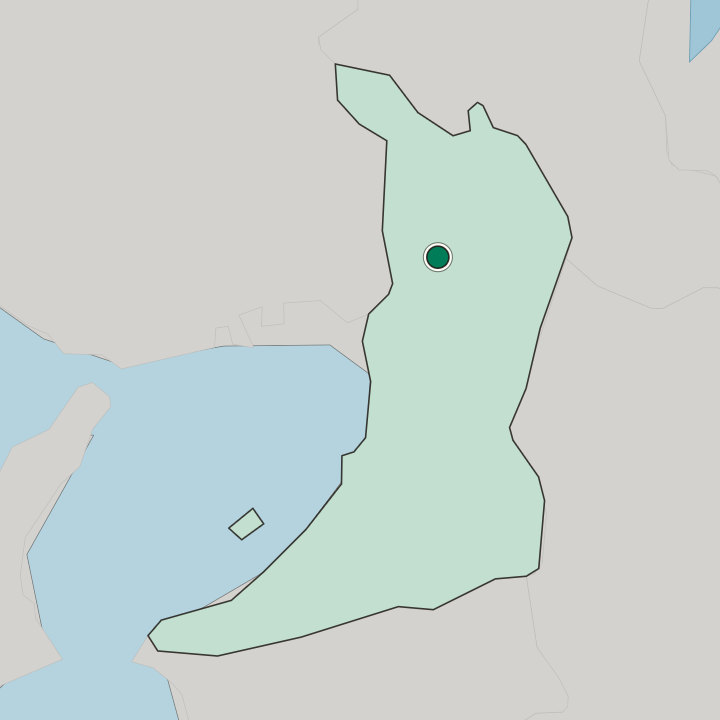
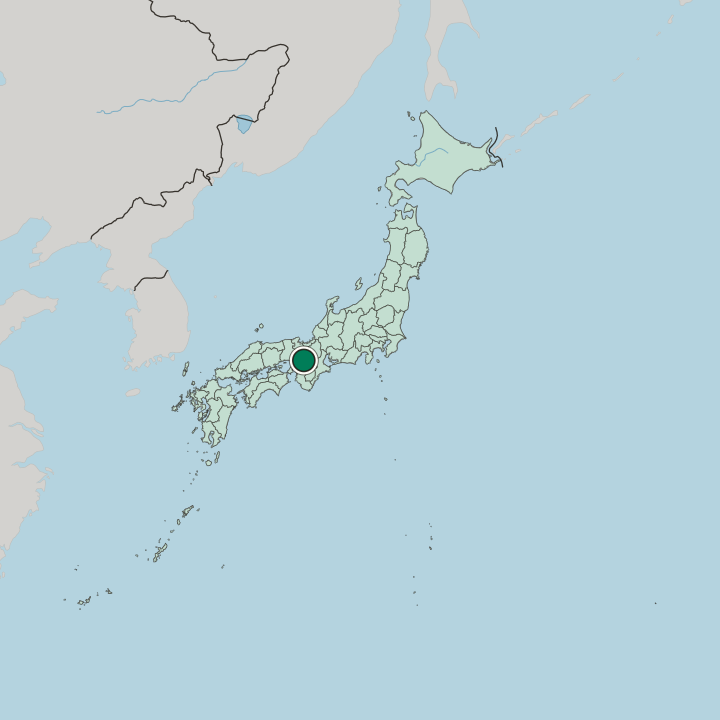
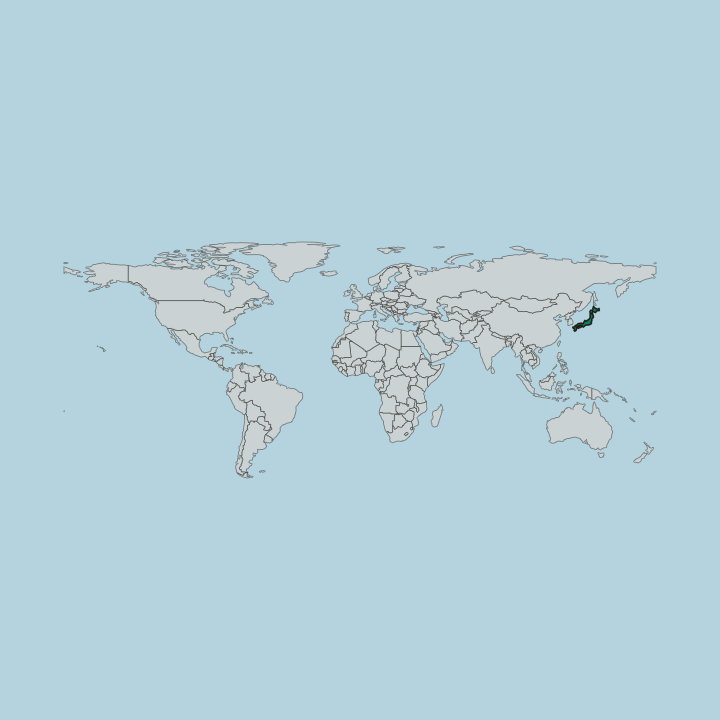
Suita covers a compact piece of Osaka Prefecture pressed hard against Osaka City, and the boundary between the two is administrative rather than visible, since the built surface simply continues across it in every direction a walker might try. Open ground is rare and deliberate. The wooded site of the Open-Air Museum of Old Japanese Farm Houses is the largest break in that fabric, and the archaeological ground at Hozumi Site and the Nanao Tile Kiln Site survives as pockets within it.
Kyoto and Kobe close the wider metropolitan triangle.
What is the climate of Suita?
Heat decides the calendar. Lying in the subtropical band, the suburb takes long humid summers in which packed housing releases the day's warmth slowly, and winters short enough that visitors rarely plan around them. The farmhouse museum is the exception worth timing.
Its open site gives no shelter from a midsummer afternoon, so the timber buildings of the Open-Air Museum of Old Japanese Farm Houses are better walked early, and the indoor collections of the Suita City Museum kept for the hours when the pavement stops being tolerable.
How do you get to Suita?
Rail from every direction serves the suburb, which is what a position inside the Kyoto-Osaka-Kobe metropolitan area buys, and services from Osaka City run frequently enough that arriving here needs no more planning than checking which station sits nearest the museum you want. Kyoto and Kobe are straightforward too. Both are ordinary commuter journeys rather than expeditions.
Driving is possible and largely pointless, given how little parking a suburb at this density can spare, though a car does make the scattered ground of Hozumi Site and the Nanao Tile Kiln Site easier to combine.
Common questions
What is the best area to stay in Suita?
By the Open-Air Museum of Old Japanese Farm Houses: a slow morning among the old farmhouses. Kansai University Museum quarter: students and anyone wanting ordinary streets and fast trains. Osaka City: treating Suita as a day out from a metropolitan base.
Good for
More cities in Ōsaka-fu
Updated September 2026