Japan · Ōsaka-fu
Where to Stay in Minoh, Ōsaka-fu
Minoh is a suburban city in northwestern Osaka Prefecture, a municipality of small museums and parkland along the edge of Osaka City.
Hotel links are affiliate links: booking through them may earn us a commission, at no extra cost to you. It never affects how places are ranked. How this works


Where to stay in Minoh
Where visitors usually base themselves, and why.
Beds are thin on the ground in Minoh. The city works as a residential suburb inside the Kyoto-Osaka-Kobe metropolitan area, so its lodging is small and scattered rather than gathered into a hotel quarter, and anyone who wants real choice books in Osaka City and rides out for the day. That arrangement costs very little time.
Trains from the centre of the metropolis reach Minoh quickly enough that an early start at the Minoh Park Insect Museum stays practical from a room booked in the middle of Osaka City. Staying in Minoh itself suits a slower plan. The approach to Minoh Park is the more appealing of the two bases, since the walk into the park begins where the built-up streets stop and the Minoh Park Insect Museum stands a few minutes further on.
Around the Itsuō Art Museum the setting is flatter and more everyday, close to shops and to the line back toward Osaka City, and it suits you if the collections are the reason you came rather than the park. Book early either way. The Kayano Sampei Museum, the Museum of Osaka University and Miyako Chocho Memorial Museum all fall inside the same short radius, so a museum-led day needs no car, and an evening spent back in Osaka City, Kyoto or Kobe costs nothing more than a train ride.
Families tend to prefer the park side, where the ground opens out and children have somewhere to run before the museums open. Business travellers rarely stop at all, since Osaka City absorbs that trade almost entirely, which leaves Minoh quiet in the evening and easy to sleep in. Quiet is the point.
Find hotels in Minoh
Direct booking searches for these neighbourhoods.
Minoh Park approach
The last streets before Minoh Park, with the Minoh Park Insect Museum a few minutes along the way in. Lodging is scarce in this area; reserve in advance.Find hotels in Minoh Park approachmuseum days that end with a train into Osaka CityItsuō Art Museum side
Flat, shop-lined streets around the Itsuō Art Museum, on the commuter line back toward Osaka City. Few places to stay nearby — book ahead.Find hotels in Itsuō Art Museum sidetravellers who want a metropolitan base within reach of Kyoto and KobeOsaka City
The full range of beds sits in Osaka City, with trains out to the Minoh museums through the day.Find hotels in Osaka CityHotel links are affiliate links: booking through them may earn us a commission, at no extra cost to you. It never affects how places are ranked. How this works
About Minoh
What is Minoh known for?
Minoh's case rests on its museums. The Itsuō Art Museum, the Museum of Osaka University, the Kayano Sampei Museum and Miyako Chocho Memorial Museum all sit inside one small suburban municipality, an unusual concentration for a place of this size on the rim of a much larger city. Minoh Park Insect Museum works a different register, natural history rather than art or biography.
Walkers come for the park itself. Commuter rail ties the whole city to Osaka City, which keeps most visits to a half day rather than an overnight stop.
What are the main landmarks in Minoh?
The Itsuō Art Museum is the best known of the group. Its neighbours are deliberately narrow in scope, the Museum of Osaka University, the Kayano Sampei Museum and Miyako Chocho Memorial Museum each holding one specific collection instead of a general survey, and each close enough to the others to be strung together in a single day on foot and by train. Minoh Park Insect Museum stands apart from that cluster, out in Minoh Park.
Nothing in Minoh reaches for scale. What the city offers is a run of small, particular institutions that reward an unhurried afternoon.
What is the history of Minoh?
The municipal record starts in 1889. Minoh-mura, the village of Minoh, was constituted in that year on ground that had not yet been drawn into Osaka City, and the characters of that first name remain the settlement's oldest formal identity. The village decided very little of its own future.
What happened to it was settled on the plain below, in a far larger city whose growth would eventually reach the slopes above and turn a rural parish into a commuter address. Suburbanisation, rather than any single event, made the modern city. As Osaka City spread, Minoh passed through the ordinary sequence of Japanese local administration and ended with city status of its own, one of a ring of such places sharing a single labour market with the older centre.
The Kyoto-Osaka-Kobe metropolitan area had absorbed it in practice long before any map or boundary said as much. Its name has never settled cleanly into the Latin alphabet. Minō and Minoo both circulate, following the long vowel of the Japanese original, while the city government writes Minoh in romaji on its own documents, and that official spelling is the one used here.
Museums arrived after the houses. The Itsuō Art Museum, the Museum of Osaka University, the Kayano Sampei Museum, Miyako Chocho Memorial Museum and the Minoh Park Insect Museum together describe a suburb that acquired its cultural institutions as it filled in, rather than one that grew up around them in the first place.
Where is Minoh?
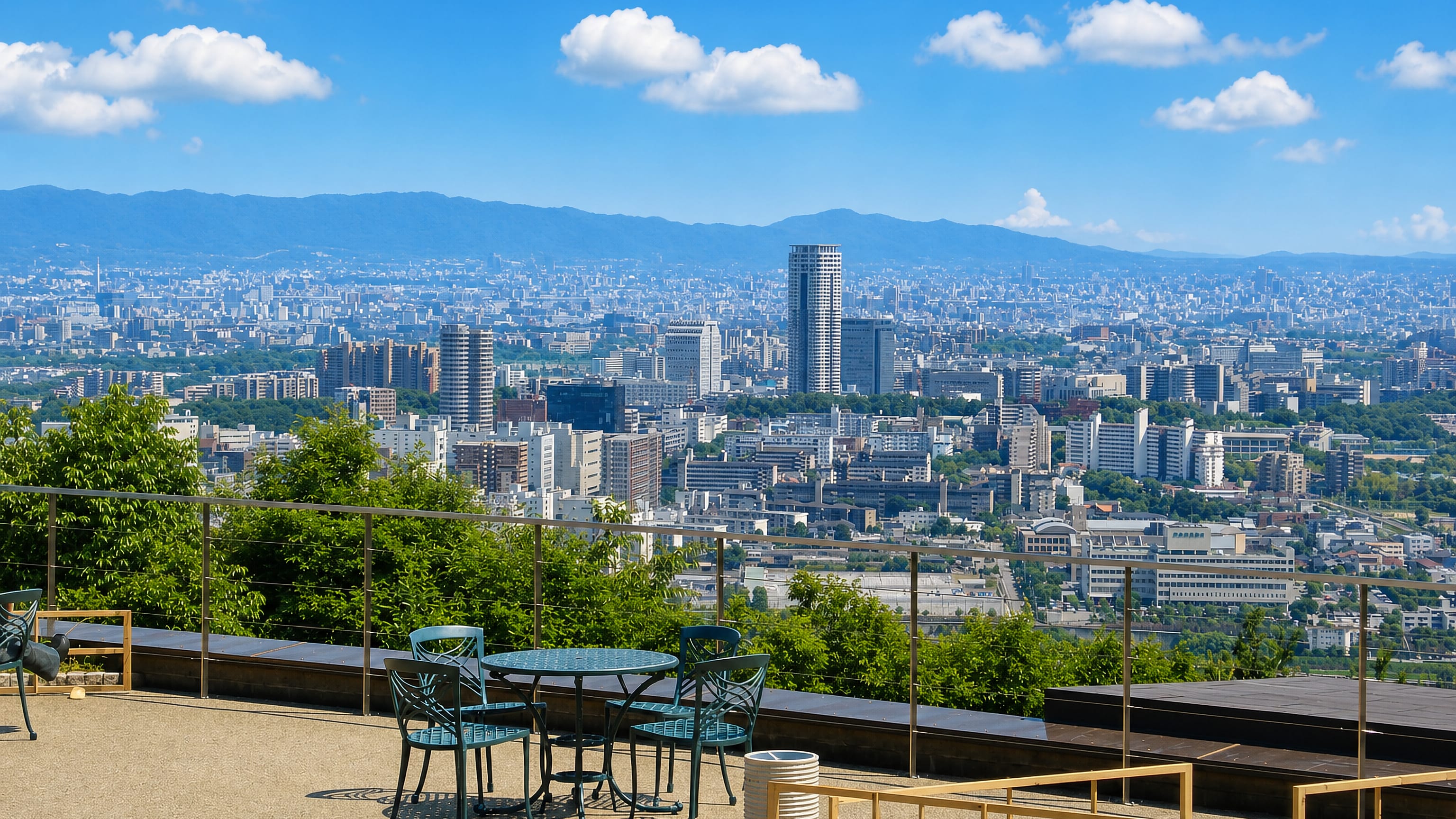
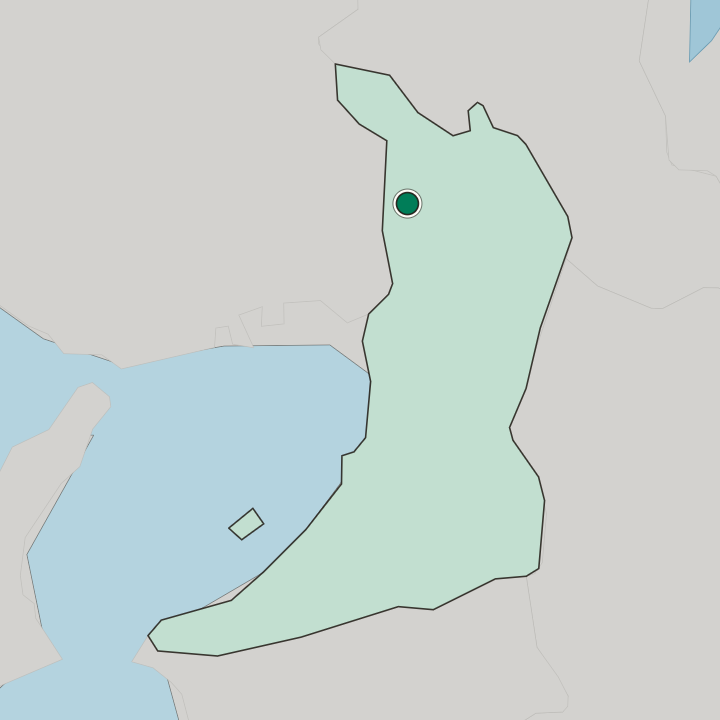
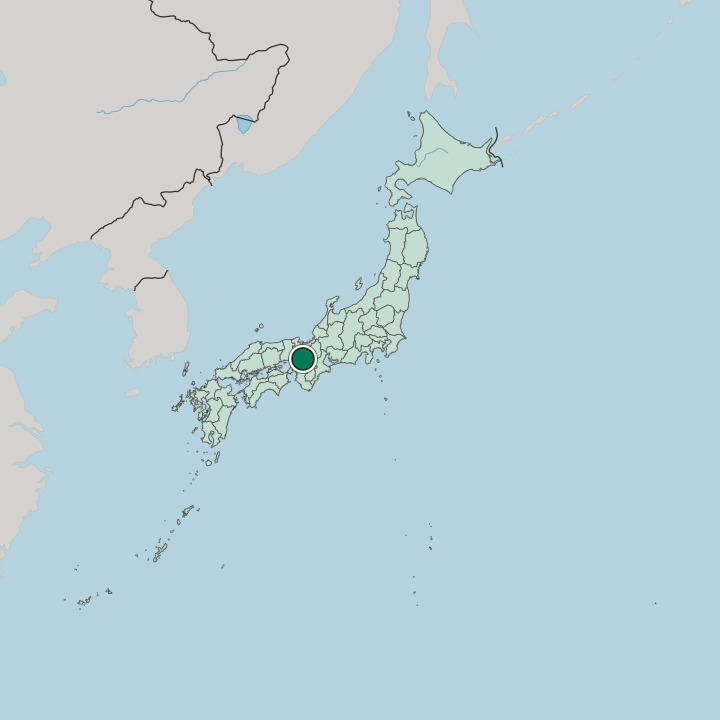
Minoh occupies a compact stretch of northwestern Osaka Prefecture, pressed against the built-up edge of Osaka City. Its boundaries enclose a suburb rather than a free-standing town, and the city reads on the ground as one piece of a much larger urban fabric that runs on well past its limits in every direction but one. Minoh Park breaks that pattern.
The park is the city's one large piece of open ground, and the Minoh Park Insect Museum sits within it. Kyoto and Kobe complete the wider triangle of the metropolitan area that Osaka City anchors.
What is the climate of Minoh?
Seasons here follow Osaka City almost exactly. The subtropical band that covers this part of Japan delivers long humid summers and winters that stay short and comparatively mild, with cold snaps that pass through rather than settle for months at a time. Minoh Park is the usual escape once the heat arrives.
Nothing about the city's position shields it from a metropolitan summer, which reaches these streets on the same day it reaches Osaka City, Kyoto and Kobe.
How do you get to Minoh?
Arrival runs through Osaka City. Commuter rail out of the metropolis carries most visitors into Minoh, and the ride is short enough that people fit a museum or a walk in Minoh Park around other business in the city rather than setting a whole day aside for it. Kyoto and Kobe sit on the same dense web of lines that binds the Kyoto-Osaka-Kobe metropolitan area together, so reaching the city from either takes one change at most.
Driving is the alternative. Roads climb from the plain, and the scattered museums are simpler to string together on wheels.
Common questions
What is the best area to stay in Minoh?
Minoh Park approach: walkers who want the Minoh Park path to start at the door. Itsuō Art Museum side: museum days that end with a train into Osaka City. Osaka City: travellers who want a metropolitan base within reach of Kyoto and Kobe.
Good for
More cities in Ōsaka-fu
Updated September 2026