Japan · Ōsaka-fu
Where to Stay in Sakai, Ōsaka-fu
Sakai is a seaport city in Osaka Prefecture, holding Daisen Kofun among its fifth-century burial mounds and a cutlery trade descended from swordsmithing.
Hotel links are affiliate links: booking through them may earn us a commission, at no extra cost to you. It never affects how places are ranked. How this works


Where to stay in Sakai
The practical side of choosing where to sleep.
Three parts of Sakai suit three different trips. Anyone who came for the mounds should stay within reach of Daisen Kofun, since the circuit of the moat is best walked early, and the Sakai City Museum sits on the same day's route for whoever wants the archaeology explained rather than merely looked at. The craft trip pulls the other way.
Around the Sakai Knife Museum the streets keep the cutlery business that grew out of swordsmithing, and it suits you if the point of coming was to buy a blade and understand what you are holding. The third choice is the water. Sakai has been a seaport since the medieval era, and the harbour edge is the plainest ground to sleep on, though it is also the closest to the thing that made the city matter in the first place.
Rooms there are functional. Elsewhere the pattern is a large working city rather than a tourist one, which means beds are easy to find and rarely booked out, and a visitor gains more by choosing a base near what they came to see than by hunting for atmosphere that this city does not trade in. The Shimano Bicycle Museum and the Yosano Akiko Memorial Museum both fall within the same urban sprawl, reachable from any of the three.
Distances inside Sakai are real, so it pays to look at where Myokoku-Ji no Sotetsu and the Yotsuike Ruins sit before committing to a street. Book near your reason for coming.
Find hotels in Sakai
Direct booking searches for these neighbourhoods.
Daisen Kofun surrounds
Beds within reach of the Daisen Kofun moat path, with the Sakai City Museum on the same morning's circuit.Find hotels in Daisen Kofun surroundstravellers buying Sakai cutlery at its sourceSakai Knife Museum quarter
The blade-trade streets around the Sakai Knife Museum, where swordsmithing turned into kitchen knives.Find hotels in Sakai Knife Museum quarterstays that want the medieval seaport at the doorHarbour edge
The working waterfront that made Sakai a seaport, plainest of its bases and nearest the ships.Find hotels in Harbour edgeHotel links are affiliate links: booking through them may earn us a commission, at no extra cost to you. It never affects how places are ranked. How this works
About Sakai
What is Sakai known for?
Sakai's fame rests on two things. The kofun come first, keyhole-shaped burial mounds raised in the fifth century, of which Daisen Kofun is the largest grave anywhere on earth measured by area, moated and wooded in the middle of an ordinary working city. Blades come second.
Sakai made swords, then cutlery, and the Sakai Knife Museum treats that shift as one continuous craft rather than two. The Shimano Bicycle Museum, the Sakai City Museum and the Yosano Akiko Memorial Museum fill out a collection of small institutions that reward a full day.
What are the main landmarks in Sakai?
Daisen Kofun dwarfs everything else on the list, a keyhole mound so large that no vantage point inside the city takes it in whole, ringed by water and trees and best understood from a plan before you go. Smaller sites carry the rest. The Yotsuike Ruins and Minamihanada Site hold excavated ground, Myokoku-Ji no Sotetsu is a single cycad with a long local reputation, and four museums, Sakai City Museum, Sakai Knife Museum, Shimano Bicycle Museum, Yosano Akiko Memorial Museum, divide the rest of the city's story between excavated history and working craft.
None of them takes long. Together they fill a day.
What is the history of Sakai?
Burial mounds came first. The kofun of Sakai were raised in the fifth century, keyhole-shaped earthworks on a scale that implies organised labour and someone with the authority to command it, and Daisen Kofun, the largest grave on earth by area, still lies moated in the middle of the modern street grid. Other ground is older still, or at least less visible.
The Yotsuike Ruins and Minamihanada Site record ordinary settlement on the same plain, excavation rather than monument. Trade came next, and it arrived by water. Sakai grew into one of the largest and most important seaports in Japan during the medieval era, a merchant town whose money came off ships rather than out of the fields behind it.
Swords were the signature manufacture. When demand for blades fell away the skill did not, and it turned instead to cutlery, which is what the city's craft reputation now rests on and what the Sakai Knife Museum sets out at length. Municipal Sakai is much younger than any of that, dating from 1889.
The centuries of shipping and smithing that preceded the paperwork are the substance of the Sakai City Museum, while Myokoku-Ji no Sotetsu, a cycad with its own long standing in local memory, survives from the older town alongside the temple ground it grows on. The Yosano Akiko Memorial Museum commemorates the figure whose name it carries. Manufacturing continued into a new century as well, and the Shimano Bicycle Museum adds that chapter to a record that runs from fifth-century earthworks to the workshop floor.
Where is Sakai?
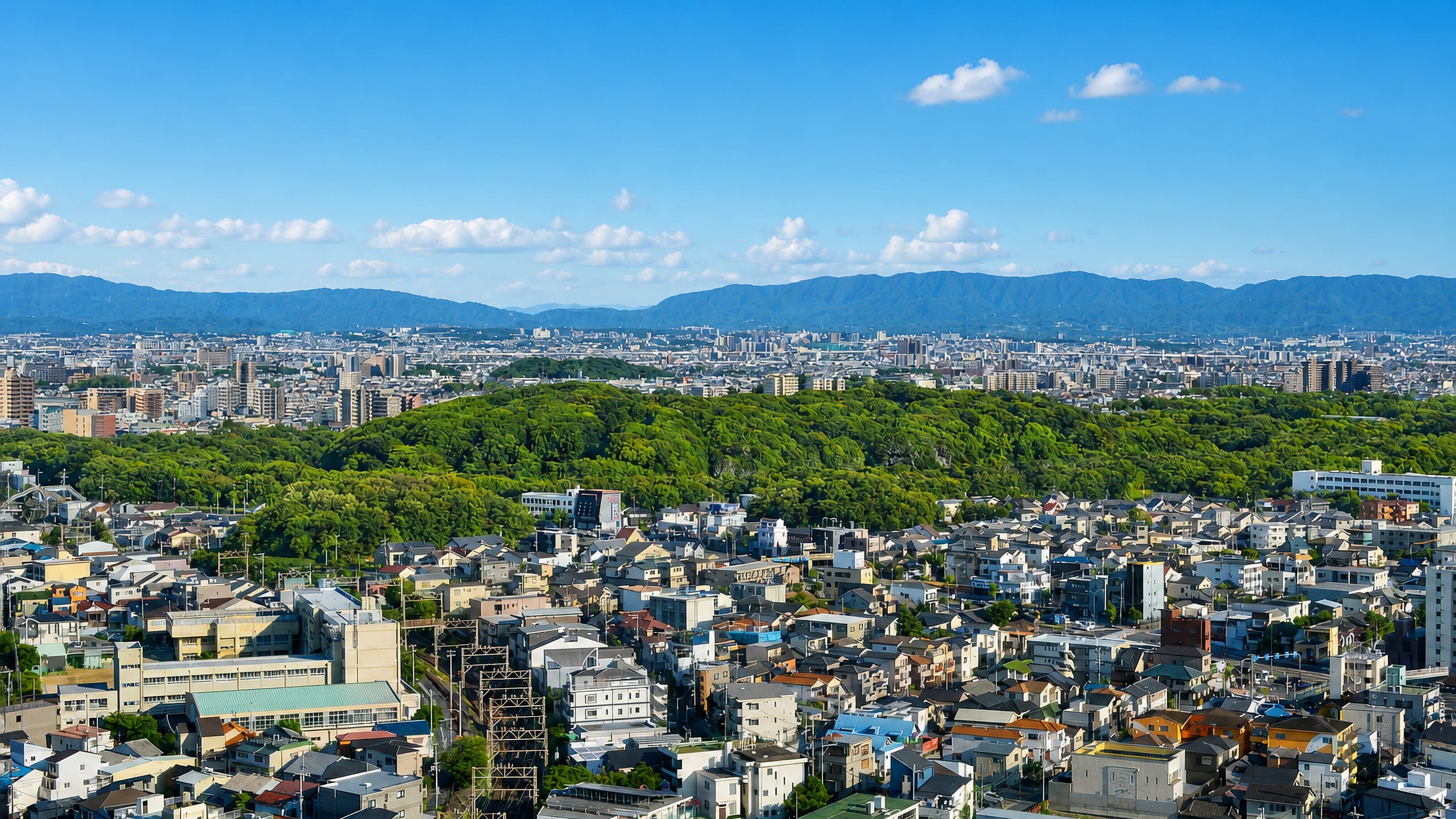
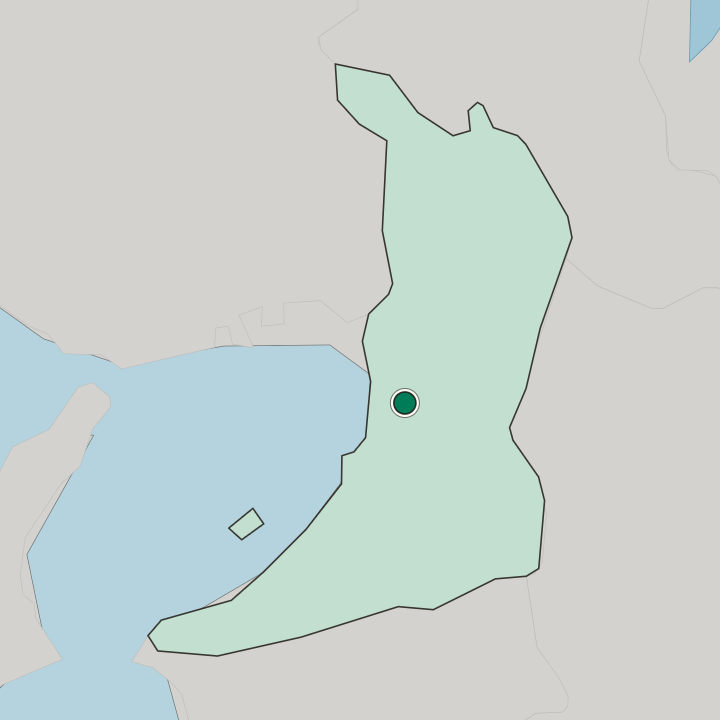
Water on one side, plain behind. Sakai occupies a broad piece of coastal Osaka Prefecture, its harbour opening to the sea that carried its medieval trade, and behind that waterfront the ground flattens out into an unbroken urban surface that the kofun interrupt like islands of woodland. Daisen Kofun is the largest of those interruptions.
The city covers enough ground that Myokoku-Ji no Sotetsu, the Yotsuike Ruins and the museums are spread well apart rather than gathered into one walkable core.
What is the climate of Sakai?
The sea at the harbour takes the edge off both ends of the year. Sakai lies in the subtropical band, so summers turn long and humid and winters stay comparatively short, with the water moderating the extremes that inland Osaka Prefecture feels more sharply. Shade is scarce on the mounds.
Walking the perimeter of Daisen Kofun in August asks more of a visitor than the flat ground suggests, and the museums make a better use of the hottest hours.
How do you get to Sakai?
Commuter rail is the practical way in. Sakai sits inside the dense network of Osaka Prefecture, and trains reach the city from the prefecture's main centres frequently enough that no visitor needs to plan around a timetable, though the stations are spread out and the right one depends on whether Daisen Kofun or the Sakai Knife Museum is the target. The port still works, but not for passengers.
Buses cover the gaps between sites. A car helps only if the Shimano Bicycle Museum and the Yotsuike Ruins are on the same itinerary.
Common questions
What is the best area to stay in Sakai?
Daisen Kofun surrounds: early walks around the Daisen Kofun moat. Sakai Knife Museum quarter: travellers buying Sakai cutlery at its source. Harbour edge: stays that want the medieval seaport at the door.
Good for
More cities in Ōsaka-fu
Updated September 2026