Japan · Ōsaka-fu
Where to Stay in Kishiwada, Ōsaka-fu
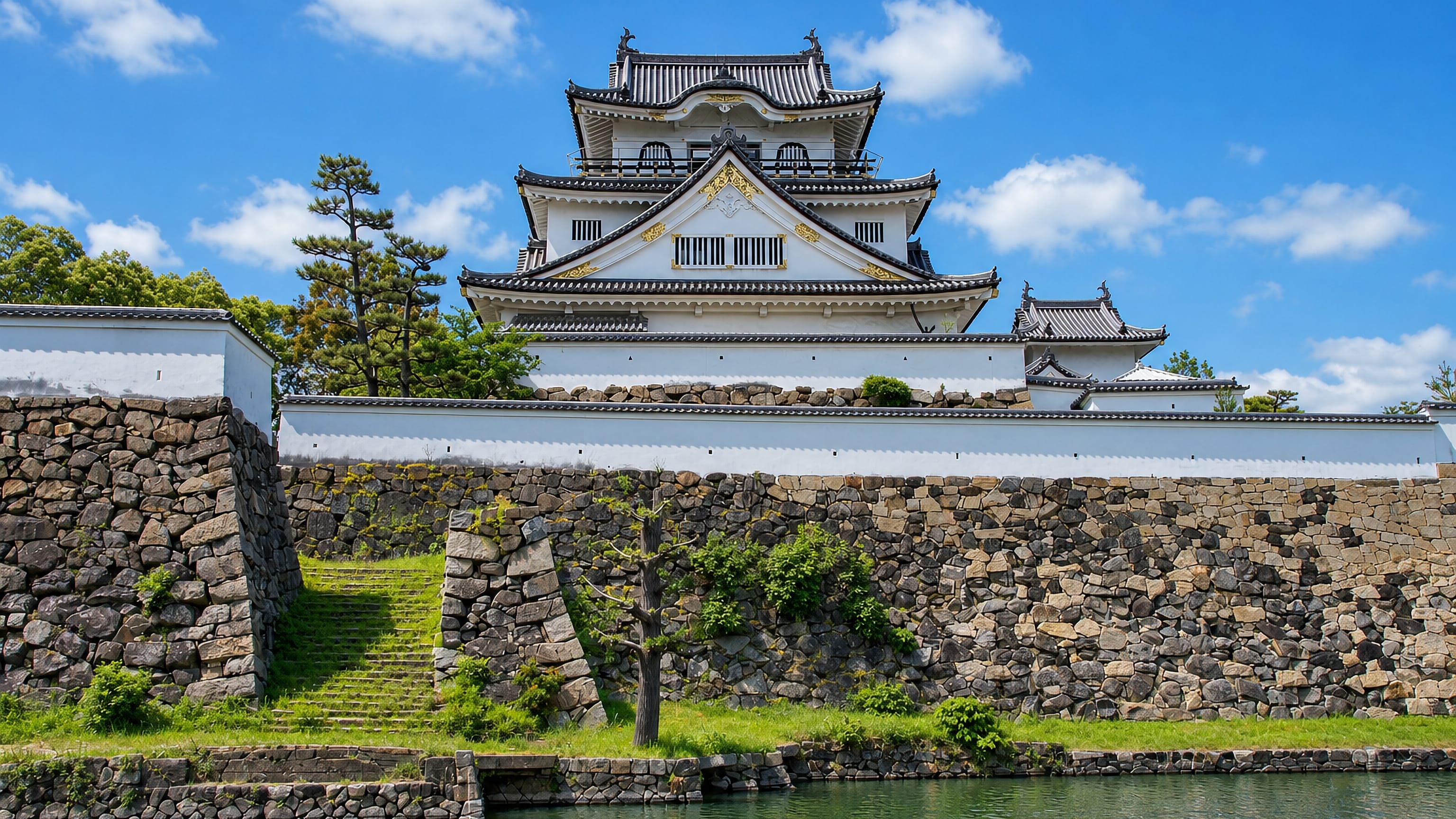
Kishiwada is a city in Osaka Prefecture, Japan, known for the Danjiri Matsuri and for the castle that carries its name.
Hotel links are affiliate links: booking through them may earn us a commission, at no extra cost to you. It never affects how places are ranked. How this works


Where to stay in Kishiwada
The practical side of choosing where to sleep.
Kishiwada Castle is the anchor. Rooms near it put the oldest part of the city within a walk, along with Dai-Itoku-ji Temple and the Sugie Noh Theatre, which between them account for most of what a visitor without a car will actually see. The rest is residential.
Seventy-three square kilometres of housing, and little reason to choose among them. The Danjiri Matsuri changes all of that. When the festival runs, the modest hotel stock of a city this size disappears entirely and beds behave nothing like they do the rest of the year, so a trip planned around it needs booking far ahead.
Outside those days the opposite holds. Beds are easy, and many visitors skip them by riding in from elsewhere in Osaka Prefecture. The Kumeda Pond side is different.
Kumeda Pond and the ground below Mount Izumi Katsuragi lie away from the castle and the station, which suits anyone travelling by car and nobody travelling without one. Distances there are real. If you want Kishiwada Castle, the theatre and dinner inside one walk, stay central; if the reason for the trip is Kumeda Pond and the hills, weigh that before booking.
Find hotels in Kishiwada
Direct booking searches for these neighbourhoods.
Below Kishiwada Castle
Rooms below Kishiwada Castle reach Dai-Itoku-ji Temple and the Sugie Noh Theatre without transport, and stand on ground the Danjiri Matsuri fills. Lodging is scarce in this area; reserve in advance.Find hotels in Below Kishiwada CastleDrivers pointing at Kumeda Pond and Mount Izumi KatsuragiToward Kumeda Pond
The quieter ground toward Kumeda Pond suits a car and puts Mount Izumi Katsuragi within a morning, at the cost of the walk back to Kishiwada Castle. Beds are limited here, so book early.Find hotels in Toward Kumeda PondHotel links are affiliate links: booking through them may earn us a commission, at no extra cost to you. It never affects how places are ranked. How this works
About Kishiwada
One festival carries the city.
What is Kishiwada known for?
The Danjiri Matsuri is what Kishiwada is known for beyond Osaka Prefecture, and it gives a working city of seventy-three square kilometres a national profile that its everyday streets would never earn on their own. Kishiwada Castle supplies the image. Behind those two, Dai-Itoku-ji Temple, the Sugie Noh Theatre and Wada Family Residence make up a quieter roster that most visitors never reach.
What are the main landmarks in Kishiwada?
The castle is the fixed point. Kishiwada Castle gives the city its one unmistakable building, and Dai-Itoku-ji Temple and Wada Family Residence fill in the older fabric around it for anyone willing to walk beyond the obvious. Performance has its own venue.
The Sugie Noh Theatre keeps a stage in use, while Kumeda Pond and Mount Izumi Katsuragi carry the outdoor half of the list.
What is the history of Kishiwada?
The castle came before the municipality. Kishiwada Castle fixed the centre of the settlement long before any modern boundary was drawn around it, and the oldest part of the city still gathers on that ground rather than around the station. Dai-Itoku-ji Temple belongs to that layer.
So does Wada Family Residence, a preserved residence of the older city. Kishiwada-cho was constituted in 1889. The town of that name gave formal shape to what the castle had organised informally for centuries, and the decades after turned seventy-three square kilometres of Osaka Prefecture into a working city with Mount Izumi Katsuragi marking its upland edge.
Kumeda Pond sits outside that story. The water is the one feature on the municipal list that owes nothing to either the castle or the modern city. The Danjiri Matsuri outlived every change.
It is what Kishiwada is known for across Japan, a festival carried by a city that would otherwise be counted as one more working name inside Osaka Prefecture. Performance persisted in other forms. The Sugie Noh Theatre keeps a stage for an older art in the same city, on a much smaller scale and before a much smaller audience.
Where is Kishiwada?
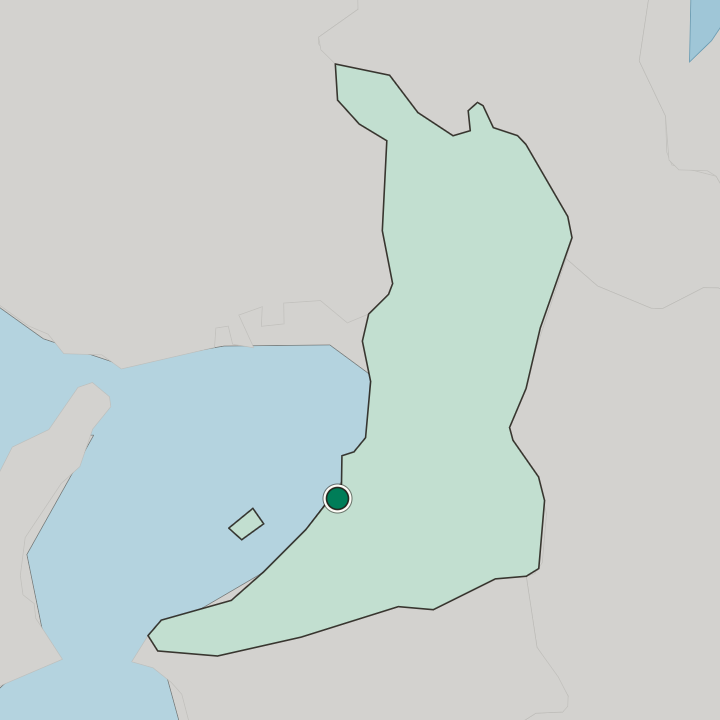
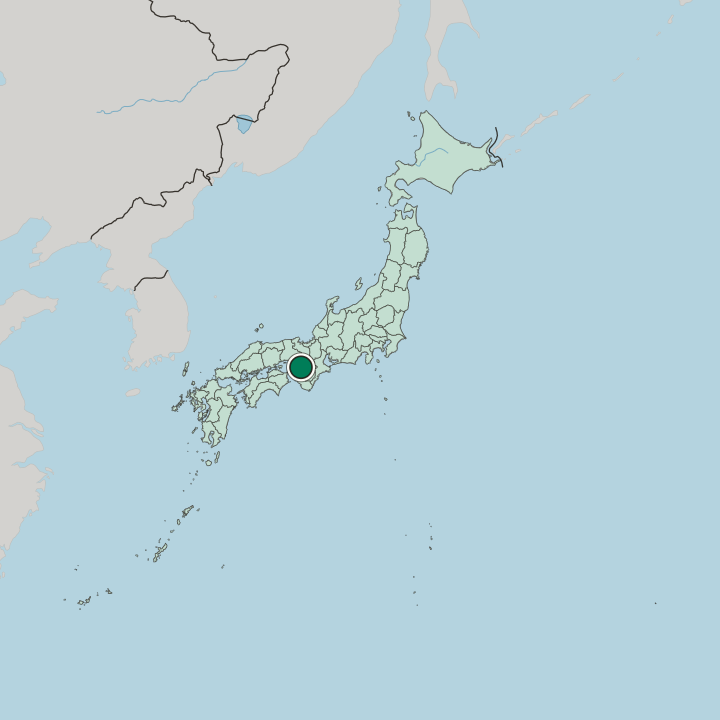
Two extremes bracket the municipality. Kishiwada spreads over seventy-three square kilometres of Osaka Prefecture, with the built city on one part of that ground and Mount Izumi Katsuragi rising at the other, which gives the municipality two very different kinds of ground. Kumeda Pond breaks the middle.
Around it, and around Dai-Itoku-ji Temple, the surface stays open in a way the streets below Kishiwada Castle never do.
What is the climate of Kishiwada?
Mount Izumi Katsuragi sets the difference. The subtropical band gives Kishiwada a warm and wet summer half against a short dry winter, but the higher ground toward the mountain runs cooler than the built city does, so the two ends of the municipality do not share the same weather. Rain peaks in the warm months.
A walk to Dai-Itoku-ji Temple or around Kumeda Pond works best in spring or autumn, when the heat has gone and the wet weeks have not started.
How do you get to Kishiwada?
Rail brings almost everyone. Kishiwada lies on the rail corridor of Osaka Prefecture, far enough from the centre that the ride is a real journey rather than a commuter hop, and that distance is part of why the city keeps a character of its own. The castle end is the walkable one.
Kumeda Pond and Mount Izumi Katsuragi need a car or a long detour, so most visitors arriving by train see Kishiwada Castle and little else.
Common questions
What is the best area to stay in Kishiwada?
Below Kishiwada Castle: Walkers who want Kishiwada Castle and the Sugie Noh Theatre on foot. Toward Kumeda Pond: Drivers pointing at Kumeda Pond and Mount Izumi Katsuragi.
More cities in Ōsaka-fu
Updated September 2026