Japan · Ōsaka-fu
Where to Stay in Takatsuki, Ōsaka-fu
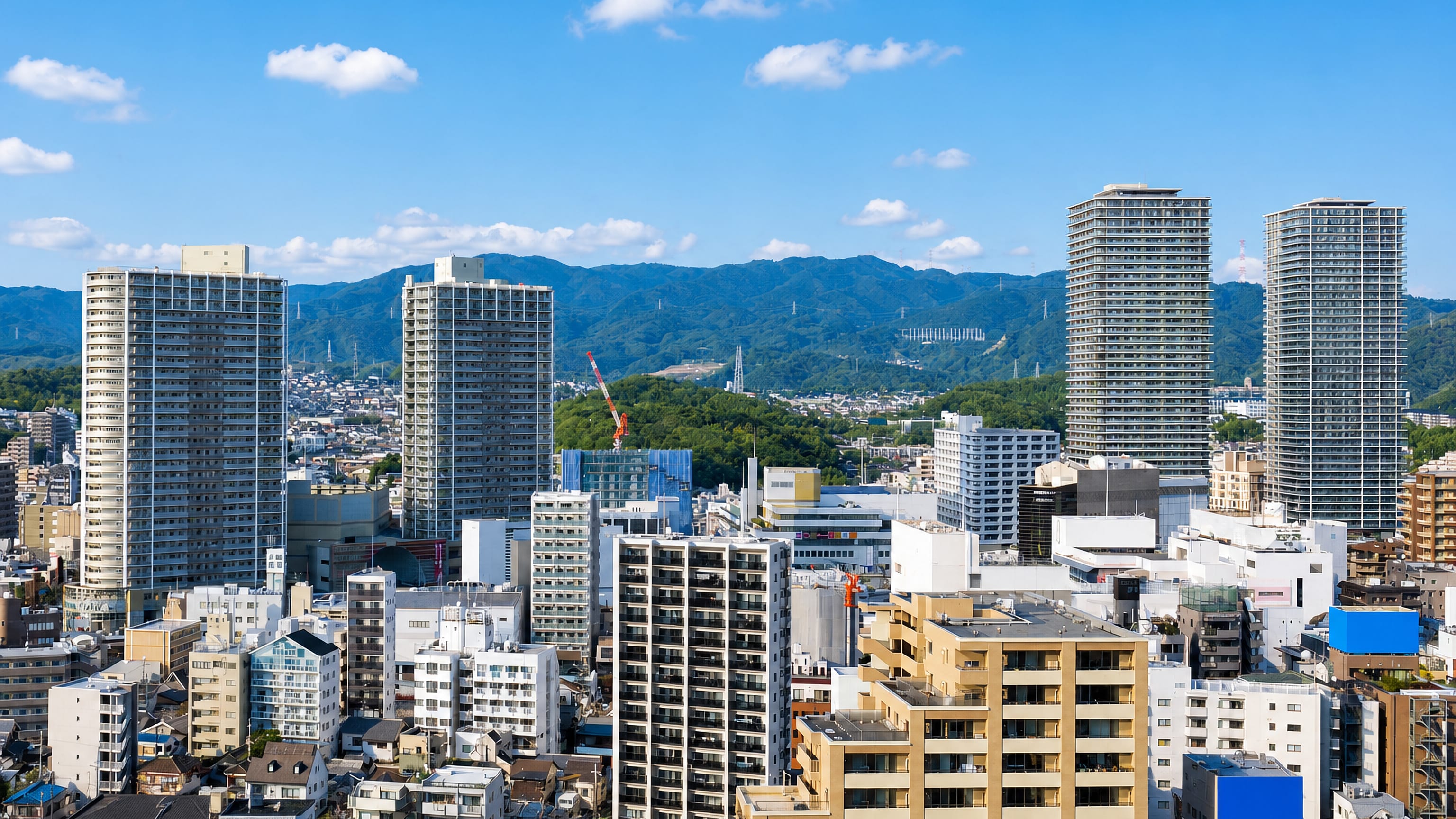
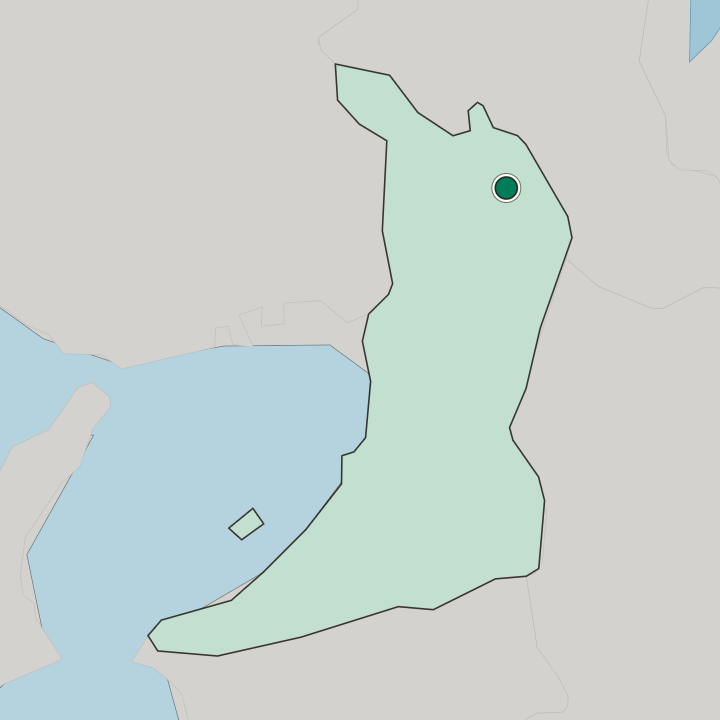
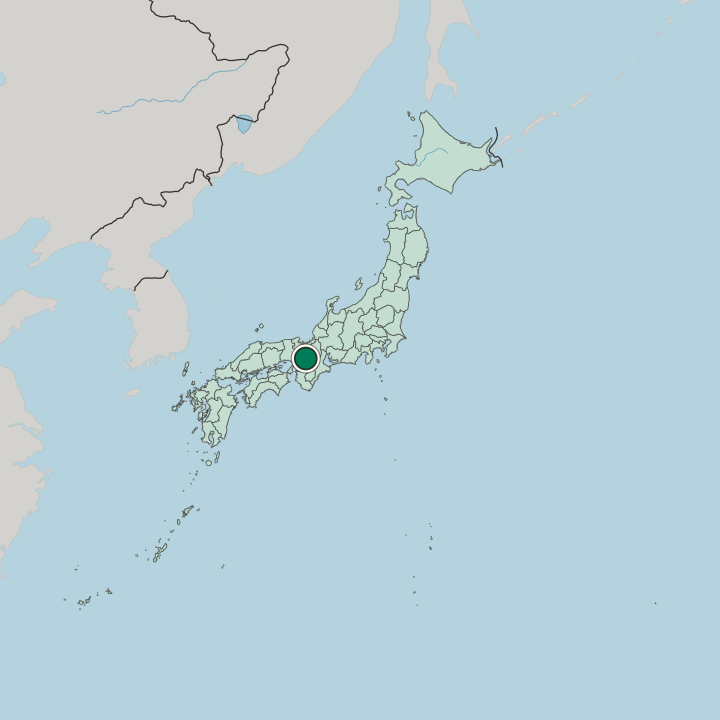
Takatsuki is a city in northeastern Osaka Prefecture near Kyoto, holding Imashirozuka Burial Mound Park and an unusual density of small museums.
Hotel links are affiliate links: booking through them may earn us a commission, at no extra cost to you. It never affects how places are ranked. How this works


Where to stay in Takatsuki
The practical side of choosing where to sleep.
The choice turns on Imashirozuka Burial Mound Park or the old ground by the Shiroato History Museum. Around the mound the city keeps more open space, and a room within reach of both the park and the Imashirozuka Ancient History Museum lets an archaeology-led day start before the coaches arrive. That is the reason most visitors stay at all.
Nearer the Shiroato History Museum the setting is a working city centre, shops and offices and the Museum of History and Folklore a short walk off, and it suits you if you want food and a station rather than open ground outside the window. A third option leans toward the countryside. Takatsuki runs up against Shimamoto and Oyamazaki, rural districts just across the border in Kyoto, and the edge of the city facing them is quieter, thinner in beds, and better placed for anyone whose plan involves walking rather than museums.
Places to sleep are few out there. Elsewhere the city behaves like the commuter town it is, which means midweek availability is decent and weekends less so, and the practical question is usually how far a bed sits from the line rather than which district carries the most character. Aquapia Akutagawa and the Archaeological Research Center of Takatsuki City are both easy from any of these bases.
Kyoto is close enough that some travellers sleep there instead and treat the whole city as a morning, which works, though it means missing the Ama Site and Oda Haiji entirely.
Find hotels in Takatsuki
Direct booking searches for these neighbourhoods.
Imashirozuka Burial Mound Park side
Open ground beside Imashirozuka Burial Mound Park, with the Imashirozuka Ancient History Museum reading the mound for you. Lodging is scarce in this area; reserve in advance.Find hotels in Imashirozuka Burial Mound Park sidevisitors who want shops and a station under the windowShiroato History Museum centre
The working centre around the Shiroato History Museum, with the Museum of History and Folklore a short walk off.Find hotels in Shiroato History Museum centrewalking days out toward the rural districts of KyotoShimamoto and Oyamazaki edge
The thinly built edge facing Shimamoto and Oyamazaki, where Takatsuki gives out into Kyoto countryside. Few places to stay nearby — book ahead.Find hotels in Shimamoto and Oyamazaki edgeHotel links are affiliate links: booking through them may earn us a commission, at no extra cost to you. It never affects how places are ranked. How this works
About Takatsuki
Archaeology dominates the local record.
What is Takatsuki known for?
Imashirozuka Burial Mound Park keeps a burial mound in open ground while the Imashirozuka Ancient History Museum interprets what came out of it, and the Archaeological Research Center of Takatsuki City handles the steady flow of material that excavation in the district still produces. The Ama Site adds an earlier settlement layer. Museums are thick on the ground for a commuter city, since the Museum of History and Folklore, the Shiroato History Museum and the Biohistory Research Hall all sit inside the same boundary.
Kyoto competes for the day.
What are the main landmarks in Takatsuki?
Imashirozuka Burial Mound Park is the one site that will not fit into an hour, a mound left open to walk around with the Imashirozuka Ancient History Museum standing by to explain the grave goods and the dating that hangs on them. Excavation turns up ground everywhere. The Ama Site, Oda Haiji and the Shima-no-kami District Office and Temple Site each mark a different institution of the ancient landscape.
The Shiroato History Museum handles the later town. Aquapia Akutagawa and the Biohistory Research Hall break the pattern completely, one aimed at families and the other at science.
What is the history of Takatsuki?
Settlement here is very old. The Ama Site records people living and working on this ground long before any of the names on a modern map existed, and the finds that the Archaeological Research Center of Takatsuki City continues to process come from a district that seems never to have been empty. Then came the mound.
Imashirozuka Burial Mound Park preserves a grave built on a scale that only a commanding household could have ordered, and the Imashirozuka Ancient History Museum exists to set out what was found in it and what that implies about who held power on this stretch of plain. Administration followed authority. The Shima-no-kami District Office and Temple Site marks the point where the ancient state kept an office and a religious foundation on the same ground, an arrangement that says a good deal about how the two worked together, while Oda Haiji records a temple that did not survive.
Later centuries left a town instead of monuments. The Shiroato History Museum and the Museum of History and Folklore between them carry that stretch of the record, from the fortified centre to the ordinary life of the district around it. Takatsuki Village was constituted in 1889.
That paperwork turned a long-inhabited district into a modern municipality, and the century after it filled the flatter ground with housing while leaving Shimamoto and Oyamazaki, just over the border in Kyoto, rural. Research institutions came late. The Biohistory Research Hall and Aquapia Akutagawa belong to a city confident enough of its own past to spend money looking at other subjects entirely.
Where is Takatsuki?
Takatsuki takes up a long stretch of northeastern Osaka Prefecture, wide enough that the built-up part and the country part behave like different places, and the boundary with Kyoto runs along the far side of it. Shimamoto and Oyamazaki lie just over it. Housing covers the flat ground, thinning as it climbs away from the centre toward the rural districts, and Imashirozuka Burial Mound Park survives as a piece of open land the city built around rather than over.
Aquapia Akutagawa sits in that same lower ground.
What is the climate of Takatsuki?
Inland heat is the thing to plan around. The subtropical band gives Takatsuki long humid summers, and a position back from open water means the city gets less relief in the evening than coastal places at the same reach of Osaka Prefecture. Cold spells pass quickly.
Rain matters more than cold, particularly for anyone intending to walk the open ground of Imashirozuka Burial Mound Park or the lanes toward Shimamoto and Oyamazaki, where shelter is thin and the surface underfoot turns quickly.
How do you get to Takatsuki?
Position does the work here. Takatsuki sits on the corridor between the main centres of Osaka Prefecture and Kyoto, so trains are frequent in both directions and the journey from either end is short enough that day visitors outnumber overnight ones by a wide margin. Buses cover the rest of the city.
Reaching Imashirozuka Burial Mound Park, the Ama Site or the Shima-no-kami District Office and Temple Site usually means one short local hop, while Shimamoto and Oyamazaki are easier still.
Common questions
What is the best area to stay in Takatsuki?
Imashirozuka Burial Mound Park side: archaeology days beginning at Imashirozuka Burial Mound Park. Shiroato History Museum centre: visitors who want shops and a station under the window. Shimamoto and Oyamazaki edge: walking days out toward the rural districts of Kyoto.
Good for
More cities in Ōsaka-fu
Updated October 2026