Japan · Ōsaka-fu
Where to Stay in Kadoma, Ōsaka-fu
Kadoma is a small, densely built city in Osaka Prefecture, Japan, a city since 1963 and barely twelve square kilometres in extent.
Hotel links are affiliate links: booking through them may earn us a commission, at no extra cost to you. It never affects how places are ranked. How this works


Where to stay in Kadoma
The practical side of choosing where to sleep.
A room in Kadoma buys position rather than scenery. Twelve square kilometres of dense housing hold no quarter a visitor would pick for its own sake, so the calculation is entirely about what a night here reaches, and the answer is most of central Osaka. The city is uniform.
Streets differ from one another less than in almost any neighbour. That makes the choice simple. Anything close to the rail line serves best, because the Osaka Museum of History, the Osaka Science Museum and the Museum of Oriental Ceramics all sit within a short ride of Kadoma.
Rates behave accordingly. Supply here is business stock, steady through the week and rarely the thing that decides a trip. The alternative is to sleep where the sights are.
Nakanoshima Museum of Art, the National Museum of Art and the Osaka International Peace Center cluster together, and a visitor who wants to walk between them will do better based among them than in Kadoma. If you want a plain room and a short ride in, stay here; if you want the Fujita Art Museum or the Mint Museum outside the door, do not. Twelve square kilometres cannot pretend otherwise.
Find hotels in Kadoma
Direct booking searches for these neighbourhoods.
Beside the Kadoma rail line
Rooms beside the Kadoma rail line trade character for a ride that reaches the Osaka Science Museum and the Museum of Oriental Ceramics quicklyFind hotels in Beside the Kadoma rail lineStays curious about the village that Kadoma Village names on the recordThe older Kadoma Village ground
The streets carrying the old Kadoma Village name sit back from the rail line and hold the quietest corner of a city of twelve square kilometres. Beds are limited here, so book early.Find hotels in The older Kadoma Village groundHotel links are affiliate links: booking through them may earn us a commission, at no extra cost to you. It never affects how places are ranked. How this works
Things to do in Kadoma
Ranked by global recognition; descriptions from Wikidata (CC0).
Museums & Galleries
3- Nakanoshima Museum of Art, Osaka
- National Museum of Art, Osaka
- Fujita Art Museum
Churches & Religious Sites
2- Grand Cathedral of the Virgin Mary of Osaka
- UCCJ Osaka Church
Castles & Historic Sites
1- Hōenzaka Site Heritage
Landmarks & Notable Places
2- HEP
- Kyoikuto
worth knowingacross 4 categories in Kadoma
About Kadoma
Density is the defining fact.
What is Kadoma known for?
Kadoma packs a full city into little more than twelve square kilometres of Osaka Prefecture, which leaves almost no room for the parks, ruins or grand set pieces that draw visitors to its neighbours. Position does the work instead. The Osaka Museum of History, the Osaka Science Museum and the National Museum of Art all fall within easy reach of a Kadoma address, and that reach is what the city sells.
What are the main landmarks in Kadoma?
Kadoma keeps its own list short. Twelve square kilometres of housing leave the city without a monument of its own, and what a visitor gets instead is proximity to one of the densest concentrations of museums in Osaka Prefecture. The reach is the attraction.
The Osaka Museum of History and the Osaka Science Museum are within range, as are the Museum of Oriental Ceramics, the Fujita Art Museum and the Mint Museum, with the Osaka Water Museum and the Hōenzaka Site not much further.
What is the history of Kadoma?
Kadoma Village is the older name on the record. Kadoma existed as a village before it existed as a city, and nothing in the built surface preserves that stage in any legible form, since twelve square kilometres of later housing covered it completely. The change was total.
City status came in 1963. That year marks the point at which a village designation no longer fitted what the place had become, and the decades around it filled twelve square kilometres so completely that little open ground survives inside Kadoma. Industry drove the growth.
Manufacturing and the housing built for it account for the shape of the city far more than any older civic story does. The deeper past is documented next door rather than here. The Hōenzaka Site records occupation of the region long before either village or city, the Former Konishi Family Residence preserves a family residence of a kind Kadoma's own streets no longer hold, and the Osaka Museum of Housing and Living reconstructs the domestic world the twentieth century replaced.
Later history is kept nearby too. The Osaka International Peace Center addresses the war years, while the Grand Cathedral of the Virgin Mary of Osaka and Kawaguchi Christ Church Cathedral mark a Christian presence in the region.
Where is Kadoma?
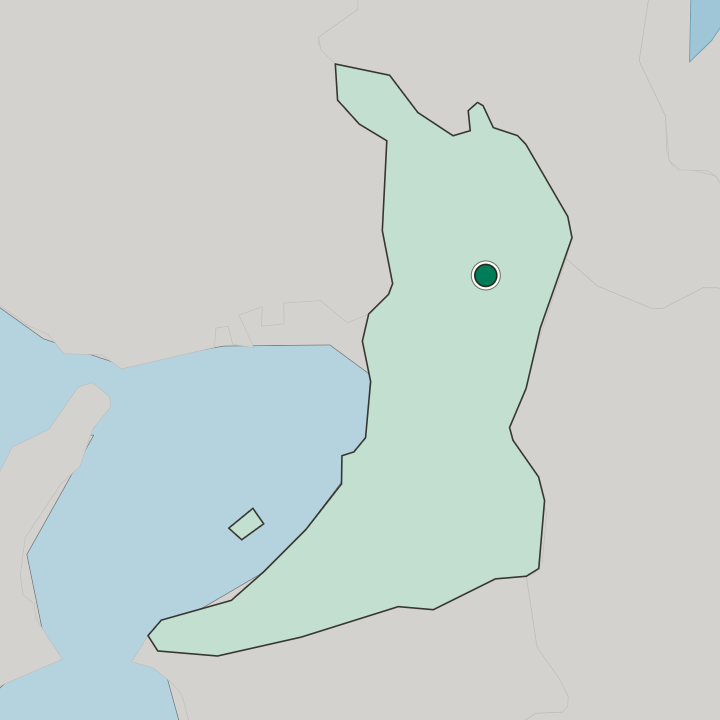
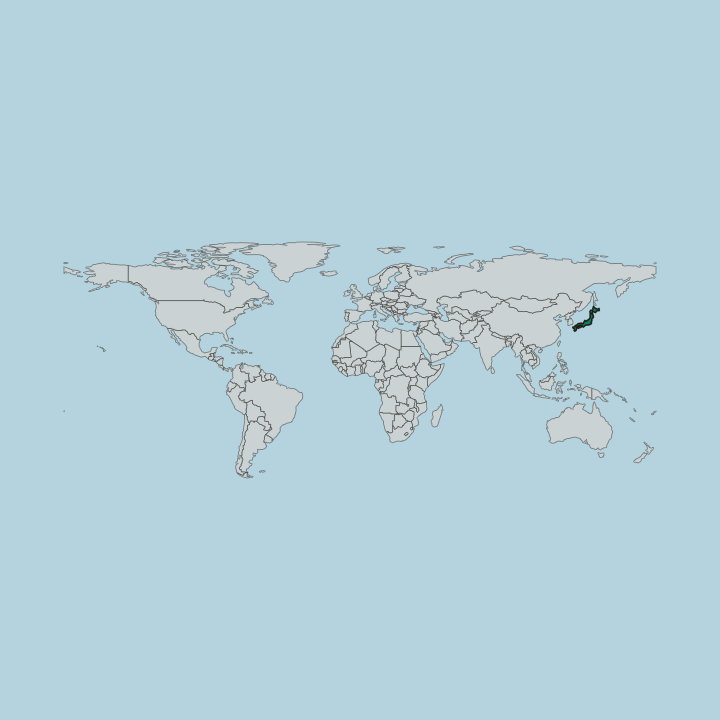
There is no landscape to speak of. Kadoma covers about twelve square kilometres of Osaka Prefecture, and the surface is continuous building, with the boundary detectable on a map rather than on the ground where streets run straight through into neighbouring cities. Green space is exceptional.
What passes for open ground in this part of the prefecture is institutional, the grounds around places like the Osaka Museum of History rather than anything Kadoma holds itself.
What is the climate of Kadoma?
The wet months are the loud ones. Rain in this subtropical band concentrates into the warm half of the year, and a built surface this continuous offers very little shelter when it arrives, which makes an umbrella more useful here than a coat. Cold snaps are brief.
Between them, the walk to a station in Kadoma stays the same short walk in any season.
How do you get to Kadoma?
Everything here depends on the line. Kadoma is a stop on the rail network of Osaka Prefecture rather than a place people drive to, and the ride from it reaches the Osaka Science Museum, the Osaka Museum of History and the Museum of Oriental Ceramics inside a short journey. The city itself takes minutes to cross.
Twelve square kilometres put the station within reach of most addresses, which is the practical reason a Kadoma base works at all.
Common questions
What is the best area to stay in Kadoma?
Beside the Kadoma rail line: Working nights with the Osaka Museum of History a short ride off. The older Kadoma Village ground: Stays curious about the village that Kadoma Village names on the record.
Good for
More cities in Ōsaka-fu
Updated October 2026