Japan · Ōsaka-fu
Where to Stay in Katano, Ōsaka-fu
Katano is a city of Osaka Prefecture, with the Ama Site, Moriyama Site and Hirakata Park in reach.
Hotel links are affiliate links: booking through them may earn us a commission, at no extra cost to you. It never affects how places are ranked. How this works


Where to stay in Katano
Where visitors usually base themselves, and why.
Katano has room to spread. At 25.55 square kilometres it covers more ground than most of the small municipalities packed into Osaka Prefecture, and that changes the calculation, because the distance between one draw and the next is real here. Hirakata Park pulls families one way.
The Ama Site and the Moriyama Site pull anyone here for the older ground somewhere else entirely. Art makes a third axis. A visitor planning the Shōhaku Art Museum, the Asahi Group Oyamazaki Villa Museum of Art and the Shōkadō in one trip should accept that these are separate errands on separate days rather than a walkable cluster.
Location matters less than the timetable. The Ibaraki Municipal Kawabata Literature Hall and the Masaharu Fuji Memorial Hall reward the same approach. Families should weigh the park first.
A stay within easy reach of Hirakata Park and Shinkansen Park covers most of what children will actually want, and Aquapia Akutagawa fits the same day without much extra travel. Older visitors can invert that. Booking for the Ikoma Furusato Museum, the Museum of History and Folklore and the Shiroato History Museum gives a quieter itinerary, and the Archaeological Research Center of Takatsuki City belongs on the same list for anyone following the excavated thread.
Find hotels in Katano
Direct booking searches for these neighbourhoods.
Hirakata Park end
The park end of Katano, where Hirakata Park and Shinkansen Park give children more to do than the museums will.Find hotels in Hirakata Park endvisitors following the Ama Site and the Moriyama SiteAma Site ground
Katano's excavated ground, where the Ama Site and the Moriyama Site are the two oldest names the city records. Rooms are few around here — worth securing early.Find hotels in Ama Site groundart days taking in the Shōkadō and the Shōhaku Art MuseumShōkadō quarter
The quieter side of a Katano stay, with the Shōkadō, the Shōhaku Art Museum and the Ibaraki Municipal Kawabata Literature Hall making up the day. Few places to stay nearby — book ahead.Find hotels in Shōkadō quarterHotel links are affiliate links: booking through them may earn us a commission, at no extra cost to you. It never affects how places are ranked. How this works
Things to do in Katano
Ranked by global recognition; descriptions from Wikidata (CC0).
Museums & Galleries
3- Asahi Group Oyamazaki Villa Museum of Art Heritage
- Vocational Museum
- Shinkansen Park
Churches & Religious Sites
1- カトリック枚方教会
Castles & Historic Sites
1- Moriyama Site
worth knowingacross 3 categories in Katano
About Katano
Two excavations and a park.
What is Katano known for?
The Ama Site and the Moriyama Site are the older names on Katano's register, while Hirakata Park supplies the open ground, and the Biohistory Research Hall sits within the same short run. Katano's museums account for the rest. The Shōhaku Art Museum, the Asahi Group Oyamazaki Villa Museum of Art and the Panasonic Kōnosuke Matsushita Museum cover art and industry between them.
What are the main landmarks in Katano?
Hirakata Park is the biggest single draw. Against it the Ama Site and the Moriyama Site offer something entirely different, two pieces of excavated ground that predate everything else on Katano's list by a long way. The museums are many.
The Shōhaku Art Museum, the Shōkadō, the Panasonic Kōnosuke Matsushita Museum, the Imashirozuka Ancient History Museum and the Biohistory Research Hall each pull a separate kind of visitor, and the Doshisha University Historical Museum and the Vocational Museum sit at the specialist end of the same range.
What is the history of Katano?
Katano was established in 1939. Excavation reaches much further back. The Ama Site and the Moriyama Site are the two named pieces of dug ground here, and the Imashirozuka Ancient History Museum and the Archaeological Research Center of Takatsuki City between them handle the interpretation of that older layer.
Local memory has several keepers. The Museum of History and Folklore, the Ikoma Furusato Museum and the Shiroato History Museum each hold a district's version of the past, which is what happens when a stretch of Osaka Prefecture this dense divides its record among neighbouring towns. Three museums, three accounts.
The Doshisha University Historical Museum adds an academic one to the pile. Named individuals account for several more. The Panasonic Kōnosuke Matsushita Museum records an industrial story, while the Ibaraki Municipal Kawabata Literature Hall and the Masaharu Fuji Memorial Hall carry two personal ones, and the Vocational Museum takes the working life behind them all.
Katano itself stayed small, and everything richer sits in the institutions around it.
Where is Katano?
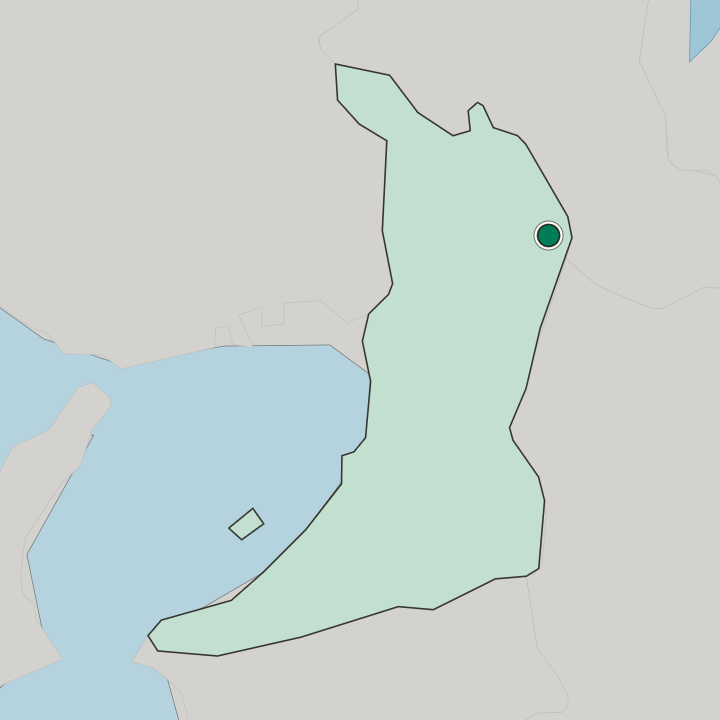
Katano covers 25.55 square kilometres. That is generous by the standards of Osaka Prefecture's inner municipalities, enough ground that the built parts and the open parts are genuinely distinct rather than blurring into one another. Hirakata Park takes a share.
Aquapia Akutagawa and Shinkansen Park account for more of it, while the Ama Site and the Moriyama Site occupy ground that has been recorded rather than developed.
What is the climate of Katano?
Warmth stays late here. Katano lies in the subtropical band of the northern hemisphere, which stretches the growing season and pushes the hard cold into a short window at the turn of the calendar. The parks gain from it.
Hirakata Park, Shinkansen Park and Aquapia Akutagawa all work through the long mild stretch, while the Shōhaku Art Museum and the Biohistory Research Hall take the weeks when nobody wants to be outdoors.
How do you get to Katano?
Ōsaka-fu does the connecting. Katano sits among a dense run of municipalities, so arriving usually means a short hop from a bigger centre rather than a long approach, and that same density is what puts the Shōkadō, the Asahi Group Oyamazaki Villa Museum of Art and Hirakata Park within reach of a single base. Distances inside the city are longer.
At 25.55 square kilometres, Katano needs local transport in a way that its smaller neighbours do not.
Common questions
What is the best area to stay in Katano?
Hirakata Park end: families with a day booked at Hirakata Park. Ama Site ground: visitors following the Ama Site and the Moriyama Site. Shōkadō quarter: art days taking in the Shōkadō and the Shōhaku Art Museum.
Good for
More cities in Ōsaka-fu
Updated October 2026