Japan · Tokyo Prefecture
Where to Stay in Akiruno, Tokyo Prefecture
Akiruno is an outer city of the Tokyo Metropolis in Japan, a city since 1995, known for Tokyo Summerland and its excavated Stone Age ground.
Hotel links are affiliate links: booking through them may earn us a commission, at no extra cost to you. It never affects how places are ranked. How this works


Where to stay in Akiruno
How the choice of base plays out on the ground.
Tokyo Summerland decides most of it. Beds in Akiruno are few, and they are taken up largely by people with an early start at the park, since sleeping this far out of the central wards makes sense mainly when the alternative is a long morning run from the middle of Tokyo. The city is not a base.
Most visitors sleep in Tokyo proper and treat Akiruno as an outing, which keeps the local trade small and pitched at the domestic market. Over toward Nishiakiru the reasoning changes. A room on that side puts the Nishiakiru Stone Age Dwelling Site and Maeda Kochi Site within a short trip and keeps the evening quiet, which suits anyone here for the excavated ground and for the collections at Ninomiya Koukokan rather than for the crowds.
Reserve well ahead for the summer weeks. Demand around Tokyo Summerland concentrates in the warm months, and the handful of rooms in this outer city of the Tokyo Metropolis goes quickly once the weather turns. Seventy-three square kilometres is a lot of ground for a city this size, so check what a room is actually close to before taking it.
Crossing Akiruno takes real time. A bed chosen for cheapness alone can leave you well away from both the park and the Fussa Museum of Local History, with the day spent getting between them.
Find hotels in Akiruno
Direct booking searches for these neighbourhoods.
Around Tokyo Summerland
Rooms near the Summerland grounds spare you the outbound run from the central wards on the morning of a park day. Lodging is scarce in this area; reserve in advance.Find hotels in Around Tokyo SummerlandQuiet nights near the Stone Age dwelling site and Maeda Kochi SiteThe Nishiakiru side
Streets over toward Nishiakiru sit close to the excavated ground and keep the park traffic at a distance. Few places to stay nearby — book ahead.Find hotels in The Nishiakiru sideHotel links are affiliate links: booking through them may earn us a commission, at no extra cost to you. It never affects how places are ranked. How this works
About Akiruno
Tokyo Summerland is the name that travels.
What is Akiruno known for?
Beyond it Akiruno keeps a set of quieter holdings, the dug ground at Maeda Kochi Site, the Nishiakiru Stone Age Dwelling Site, and the collections at Ninomiya Koukokan, which between them explain far more about this corner of the Tokyo Metropolis than the crowds ever do. Day visitors outnumber overnight guests. The Fussa Museum of Local History fills in the rest of the local record.
What are the main landmarks in Akiruno?
Five names carry the sightseeing. Tokyo Summerland is the one with reach beyond the Tokyo Metropolis, Ninomiya Koukokan and the Fussa Museum of Local History serve anyone who wants the district explained rather than entertained, and the two excavated sites take the story back furthest of all. Maeda Kochi Site is one of them.
The Nishiakiru Stone Age Dwelling Site is the other, both of them ground rather than architecture.
What is the history of Akiruno?
People were here in the Stone Age. The Nishiakiru Stone Age Dwelling Site and the excavated ground at Maeda Kochi Site record settlement on this part of the Tokyo Metropolis reaching back beyond any written account of Japan, which makes the modern municipality a very late arrival on ground long in use. Akiruno itself dates to 1995.
The name belongs to a city constituted in that year, so the administrative unit is young even where the settlement underneath it is not. What survives is mostly kept indoors. Ninomiya Koukokan holds material tying the district to its documented past, and the Fussa Museum of Local History covers the same stretch of the Metropolis, so between the two the local record is set out for anyone who wants it rather than left to the excavated sites alone.
The sites themselves stay quiet. Neither Maeda Kochi Site nor the Nishiakiru Stone Age Dwelling Site was built to receive visitors. Leisure brought the crowds.
Tokyo Summerland gave Akiruno a name recognised across the Tokyo Metropolis, drawing people who would otherwise have no particular reason to come this far from the central wards, and that one attraction still shapes how the city appears in most visitors' plans. Housing did the rest. Ground that had lain open filled with residential streets as the Metropolis pushed outward, and the city of 1995 was the administrative recognition of a change already finished on the ground.
Where is Akiruno?
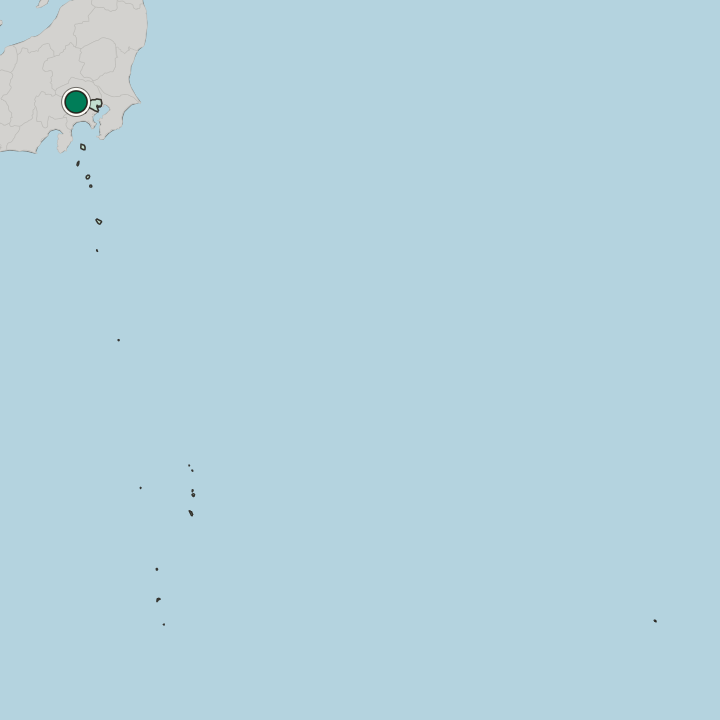
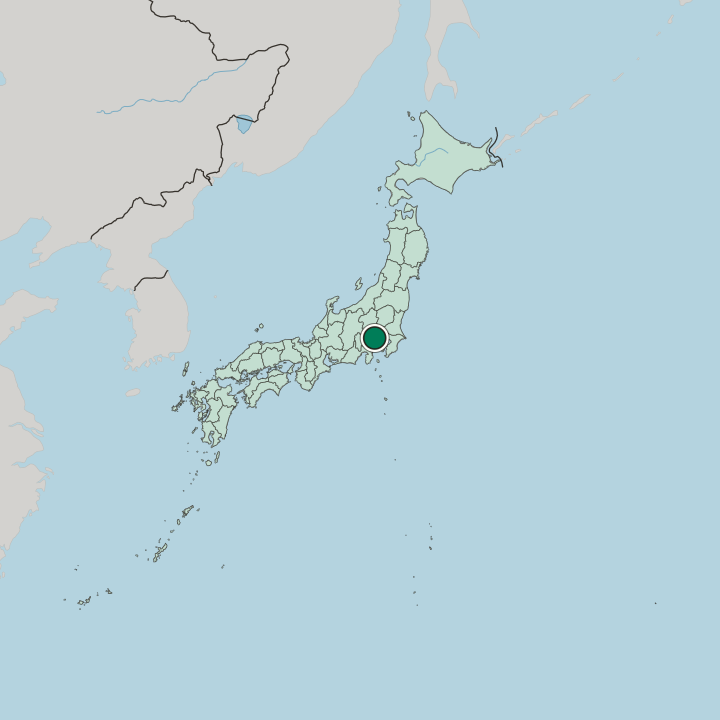
Some seventy-three square kilometres of ground carry Akiruno, out past the central wards of the Tokyo Metropolis, where the density of the largest urban region in Japan eases off and open land returns between the housing. Nishiakiru lies inside the same city. Maeda Kochi Site and the Nishiakiru Stone Age Dwelling Site occupy that ground, evidence that the terrain suited settlement long before any of the present streets were laid out, and Tokyo Summerland takes a block of it to itself.
What is the climate of Akiruno?
Akiruno sits in the temperate band, which gives it four marked seasons instead of one dominant mode, and the distance from the built heat of central Tokyo takes a little of the edge off its summer nights. Winter is cold and short. Most of the rain arrives in the warmer half of the year, and the open ground around the Nishiakiru Stone Age Dwelling Site greens up with it.
How do you get to Akiruno?
Everything comes out from Tokyo. Akiruno lies at the outer edge of the Tokyo Metropolis, so arrival means a run out from the central wards by train or by road, and the journey is the kind most people fold into one day rather than into a stay. Tokyo Summerland pulls its own traffic.
Moving between the scattered sites of the city, from Ninomiya Koukokan across to the Nishiakiru Stone Age Dwelling Site, goes faster with a car than without.
Common questions
What is the best area to stay in Akiruno?
Around Tokyo Summerland: Families with an early start booked at Tokyo Summerland. The Nishiakiru side: Quiet nights near the Stone Age dwelling site and Maeda Kochi Site.
Good for
More cities in Tokyo Prefecture
Updated October 2026