Japan · Tokyo Prefecture
Where to Stay in Chōfu, Tokyo Prefecture
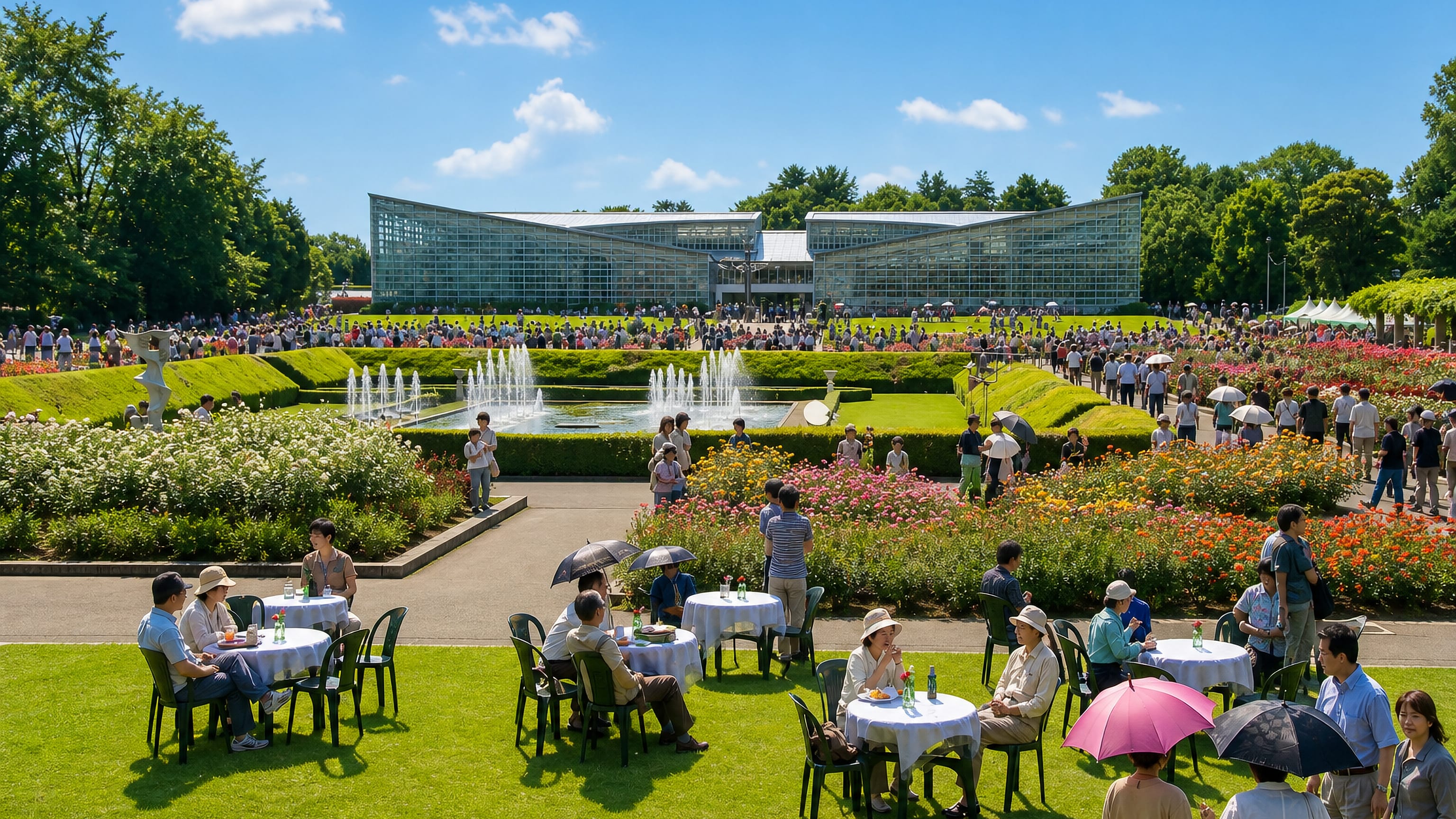
Chōfu is a suburban city of the Tokyo Metropolis in Japan, where Jindaiji Temple and the Jindai Botanical gardens stand side by side.
Hotel links are affiliate links: booking through them may earn us a commission, at no extra cost to you. It never affects how places are ranked. How this works


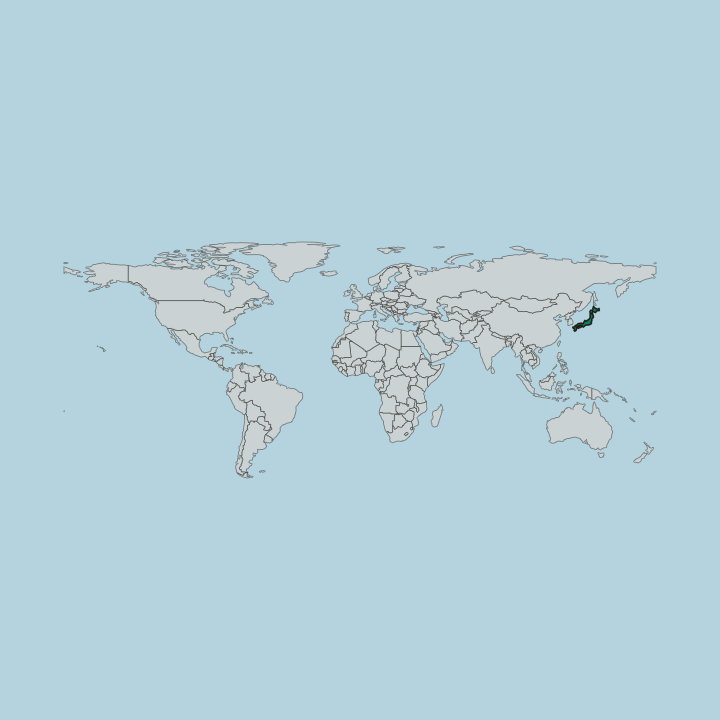
Where to stay in Chōfu
Where visitors usually base themselves, and why.
Jindaiji Temple and the station pull in opposite directions. Rooms in the lanes toward the temple sit close to the Jindai Botanical gardens and give the quieter night, whereas anything near the platform buys you direct trains into central Tokyo at the cost of the calm, and that trade is the whole decision in a city this compact. Neither side is far.
Twenty-one square kilometres hold everything, so a wrong guess costs minutes. Most visitors do not sleep in Chōfu at all. The city is inside easy reach of Tokyo, which keeps its hotel stock modest and aimed at people with business here or an event booked at Keio Arena Tokyo, and beds fill unevenly around those dates rather than through any tourist season.
Check the arena calendar first. A night that looked simple can turn scarce when TOKYO GIANTS TOWN or the arena has something on and the whole suburb books out at once. Families pick differently again.
A base near Yomiuriland shortens the morning for anyone whose day is built around Bandit, White Canyon and the rest, while the museum-minded do better toward the Chōfu Local History Museum and the temple. Suburban quiet is the trade-off, and the Shimofuda Site, Muikara Minka-en and the NAOJ Mitaka Campus are all close enough that no single address rules the others out.
Find hotels in Chōfu
Direct booking searches for these neighbourhoods.
The Jindaiji lanes
Lodgings along the lanes to Jindaiji Temple open straight onto the Jindai Botanical gardens, the two sights of the city in one walk. Few places to stay nearby — book ahead.Find hotels in The Jindaiji lanesNights built around direct trains and an event at Keio Arena TokyoBy the station
Rooms at the platform end of Chōfu trade quiet for through trains into central Tokyo and the shops packed around the ticket gatesFind hotels in By the stationHotel links are affiliate links: booking through them may earn us a commission, at no extra cost to you. It never affects how places are ranked. How this works
About Chōfu
Jindaiji Temple and the gardens beside it carry Chōfu.
What is Chōfu known for?
The temple and the Jindai Botanical gardens sit next to one another, which turns the pair into a straightforward day out from central Tokyo and gives a commuter city its one unarguable destination. Smaller museums round out a visit. The Chōfu Local History Museum, the Chōfu City Mushanokōji Saneatsu Memorial Museum and the Cimatti Museum each hold a narrow subject, while the rides at Yomiuriland make the loud alternative.
What are the main landmarks in Chōfu?
The temple comes first. Jindaiji Temple and the Jindai Botanical gardens make the standard visit, a religious foundation and a planted collection side by side that between them account for most of the reason anyone rides out here at a weekend. Rides supply the counterweight.
Yomiuriland runs Bandit, White Canyon and Twist Coaster Robin, PokéPark Kanto and TOKYO GIANTS TOWN pull their own crowds, and Keio Arena Tokyo takes whatever arrives for an event.
What is the history of Chōfu?
Occupation here is old. The Shimofuda Site records people on this ground long before any city existed, and Jindaiji Temple gave the settlement a fixed point for the fields to grow around, which is why the temple rather than the station remains the oldest thing worth walking to. Farmhouses survive as an exhibit.
Muikara Minka-en keeps the domestic architecture of that older countryside standing after the land around it went under housing. City status came in 1955. Chōfu was constituted in that year, by which time the pull of Tokyo had already turned a set of villages into continuous suburb, and the decades after filled the twenty-one square kilometres almost to the edges.
Commuting shaped the rest. The Chōfu Local History Museum sets out that change, and the Chōfu City Mushanokōji Saneatsu Memorial Museum keeps the memory of the figure whose name it carries, both of them small in the way that suburban collections are. The attractions came later.
Yomiuriland assembled a leisure cluster of rides, among them Bandit, White Canyon and Twist Coaster Robin, and the larger venues that followed, Keio Arena Tokyo, TOKYO GIANTS TOWN, PokéPark Kanto, dropped event-scale buildings into a landscape already given over to the suburb. Science took a corner too. The NAOJ Mitaka Campus sits nearby, while the Cimatti Museum and the Masayoshi Nakamura Museum complete a set of small institutions unusual for a city of this footprint.
Where is Chōfu?
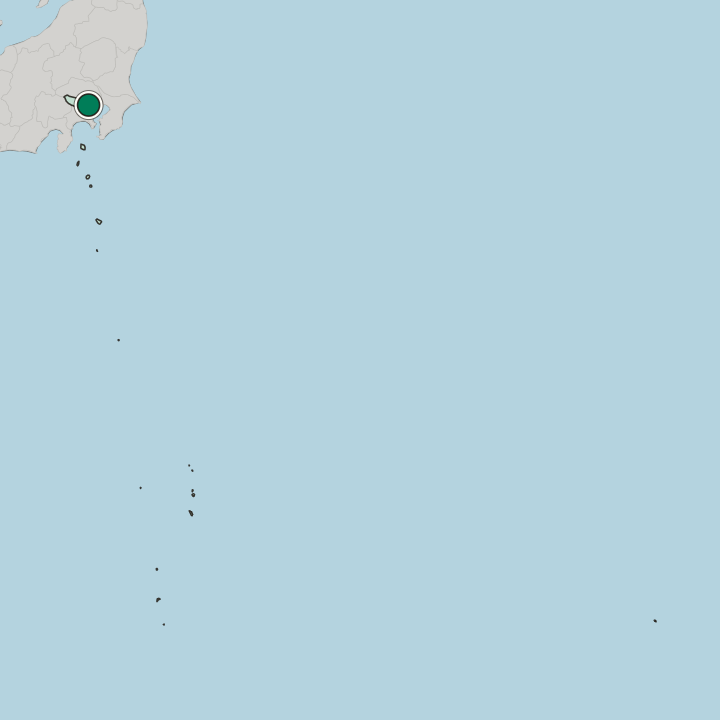
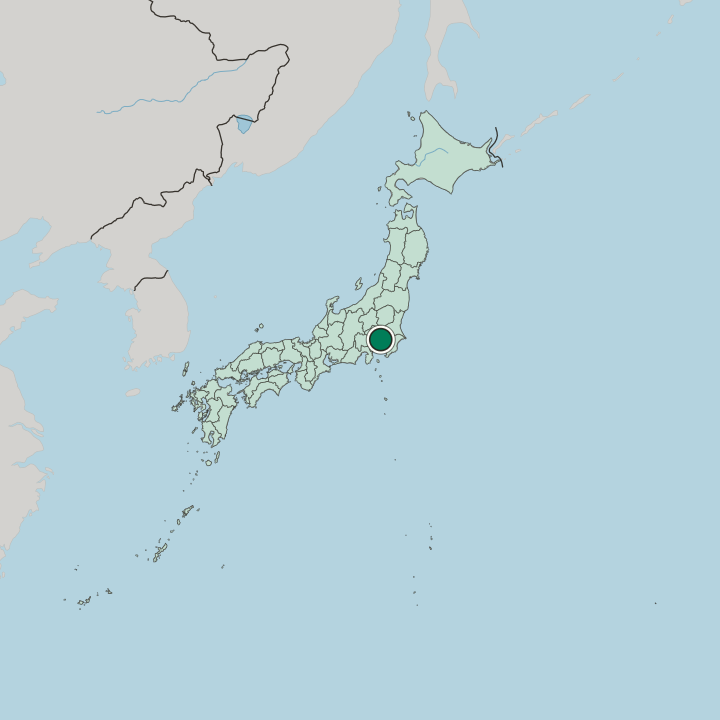
Twenty-one square kilometres, densely used. Chōfu takes up a compact stretch of the Tokyo Metropolis where the suburb runs continuous with its neighbours and open land is the exception, with the Jindai Botanical gardens supplying the green that the built grid otherwise lacks. The Shimofuda Site lies inside the same ground.
The NAOJ Mitaka Campus stands close by, and Muikara Minka-en keeps a piece of the older countryside within reach of the streets.
What is the climate of Chōfu?
The temperate band gives Chōfu four distinct seasons, and the surrounding mass of Tokyo holds the warmth into the night more than open country would, so an evening in summer stays heavier here than visitors expect. Winter runs dry and bright. The wet stretch belongs to the warm half of the year, which is when the beds at the Jindai Botanical gardens do their best work.
How do you get to Chōfu?
Rail is the way in. Chōfu sits on the commuter network out of central Tokyo, and the run is short enough that Jindaiji Temple and the gardens beside it make a plain half-day, though the platform fills at weekends with families travelling the same way. Walking covers the rest.
Stations here put the museums, the shops and the temple lanes within reach without recourse to a car.
Common questions
What is the best area to stay in Chōfu?
The Jindaiji lanes: Guests who want Jindaiji Temple and the botanical beds first thing. By the station: Nights built around direct trains and an event at Keio Arena Tokyo.
Good for
More cities in Tokyo Prefecture
Updated October 2026