Japan · Tokyo Prefecture
Where to Stay in Nakano, Tokyo Prefecture
Nakano is a special ward of the Tokyo Metropolis, pressed up against Shinjuku, its streets thick with small single-subject museums.
Hotel links are affiliate links: booking through them may earn us a commission, at no extra cost to you. It never affects how places are ranked. How this works


Where to stay in Nakano
The right area depends on your trip — here's what each neighbourhood is best for.

 NakanoJapan
Egota
Egota is a district of Nakano. The Nakano Historical Museum stands within it, in a quiet corner of Tokyo that keeps no tourist list of its own.Where to stay →NakanoJapanSaginomiya
Saginomiya is a district of Nakano in Tokyo Prefecture, grouped around Saginomiya Station and dated in the record to 1927.Where to stay →Hotel links are affiliate links: booking through them may earn us a commission, at no extra cost to you. It never affects how places are ranked. How this works
Find hotels in Nakano
Direct booking searches for these neighbourhoods.
The Shinjuku edge
Walkable to the Tokyo Opera City Art Gallery and the Shinjuku platformsFind hotels in The Shinjuku edgeSlow stays circling the Museum of Haiku LiteratureAround the Nakano Historical Museum
Low residential blocks behind the ward's own history collectionFind hotels in Around the Nakano Historical MuseumHotel links are affiliate links: booking through them may earn us a commission, at no extra cost to you. It never affects how places are ranked. How this works
Things to do in Nakano
Ranked by global recognition; descriptions from Wikidata (CC0).
Museums & Galleries
3- Sompo Museum of Art
- Memorial Museum for Soldiers, Detainees in Siberia, and Postwar Repatriates
- NTT InterCommunication Center
Churches & Religious Sites
1- 阿佐ヶ谷教会
worth knowingacross 2 categories in Nakano
About Nakano
Museums crowd the ground here.
What is Nakano known for?
In and around Nakano stand the Nakano Historical Museum, the Hayashi Fumiko Memorial Hall, and the Saeki Yuzo Atelier Museum, a run of small collections that rewards a slow walk between stations. The Museum of Haiku Literature belongs to the same cluster. Stamp collectors head for the Philatelic Museum, and the Ono Tadashige Print Museum holds woodblock work.
What are the main landmarks in Nakano?
Small collections outnumber big sights. The Samurai Museum, the Toshima City Tokiwasō Manga Museum, and the Memorial Museum for Soldiers, Detainees in Siberia, and Postwar Repatriates each hold a narrow subject, and none of them takes a whole afternoon. The NTT InterCommunication Center leans toward media art.
Nearby, the Suginami Historical Museum and the Nakano Historical Museum cover local ground, while the Philatelic Museum and the Ono Tadashige Print Museum sit at the specialist end.
What is the history of Nakano?
Nakano dates its present form to 1943. That year fixed the ward inside the Tokyo Metropolis, and the boundary drawn then still holds, enclosing a little over fifteen square kilometres of dense low-rise city. The Nakano Historical Museum tells that story locally.
The Suginami Historical Museum works the same decades from a neighbouring collection, and read together the two set out how the built-up ground pushed outward from Shinjuku. War left its own record. The Memorial Museum for Soldiers, Detainees in Siberia, and Postwar Repatriates gathers the material of internment and return, a subject the ward's other collections leave alone.
Quieter lives are kept elsewhere. The Hayashi Fumiko Memorial Hall, the Saeki Yuzo Atelier Museum, and the Ono Tadashige Print Museum each preserve one person's rooms or one person's work, and the Museum of Haiku Literature holds a form rather than a figure. The Philatelic Museum and the Toshima City Tokiwasō Manga Museum extend the same habit into stamps and comics.
Little of it is grand. The ward's past sits in single rooms and small halls rather than in monuments, which fits a place described as the near edge of an endless urban sprawl.
Where is Nakano?
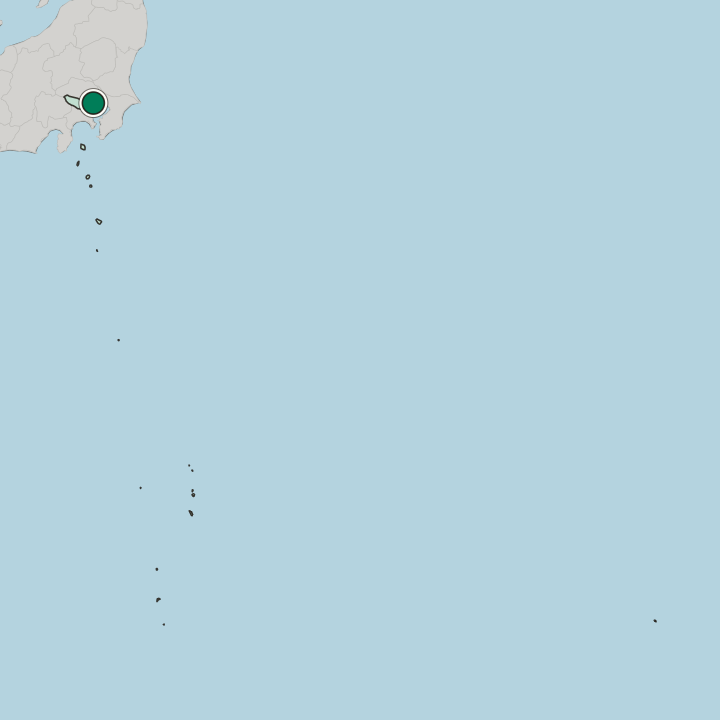
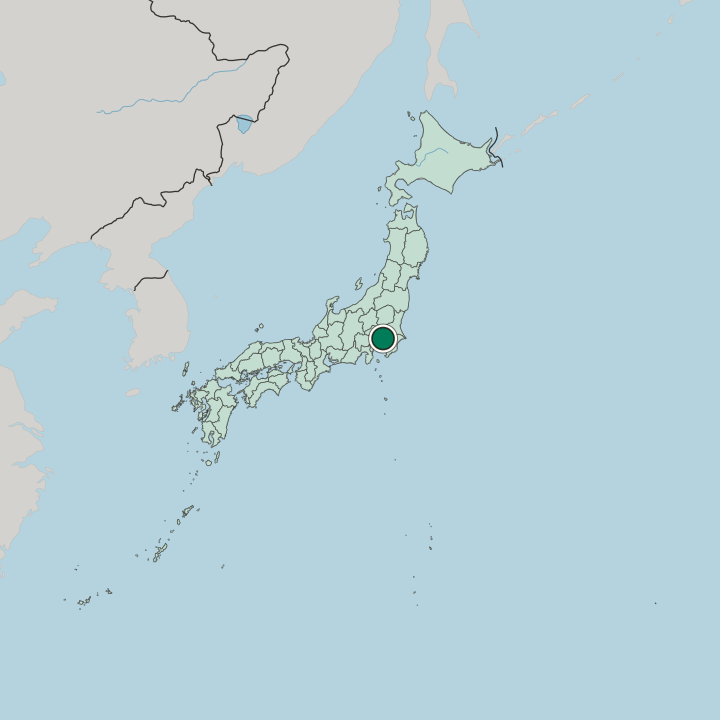
Flat ground, tightly built. Nakano covers a little over fifteen square kilometres of continuous city, with no open country inside it and no gap between its blocks and those of Shinjuku next door. The ward sits in the temperate band.
Built ground runs to every boundary, so the markers that orient a visit are buildings rather than hills or water: the Nakano Historical Museum, the Samurai Museum, and the Tokyo Opera City Art Gallery.
What is the climate of Nakano?
Four seasons turn here. The temperate band brings a real winter and a warm summer, so the museum-heavy shape of a visit to Nakano works in any month, indoors when the weather closes in. Little shade falls on the shopping streets.
The walk between the Philatelic Museum and the Museum of Haiku Literature is easier outside the hottest weeks of summer.
How do you get to Nakano?
Shinjuku is the way in. Nakano sits directly beside it, so arrival almost always means crossing Shinjuku first, then continuing a short distance further out to reach the ward. Distances inside are walkable.
From one side of the ward to the other is a matter of a few kilometres, which puts the Nakano Historical Museum, the Samurai Museum, and the Sompo Museum of Art within a single day's circuit on foot and rail.
Common questions
What is the best area to stay in Nakano?
The Shinjuku edge: Late trains and a first stop at the Sompo Museum of Art. Around the Nakano Historical Museum: Slow stays circling the Museum of Haiku Literature.
Good for
More cities in Tokyo Prefecture
Updated October 2026