Japan · Tokyo Prefecture
Where to Stay in Chūō, Tokyo Prefecture
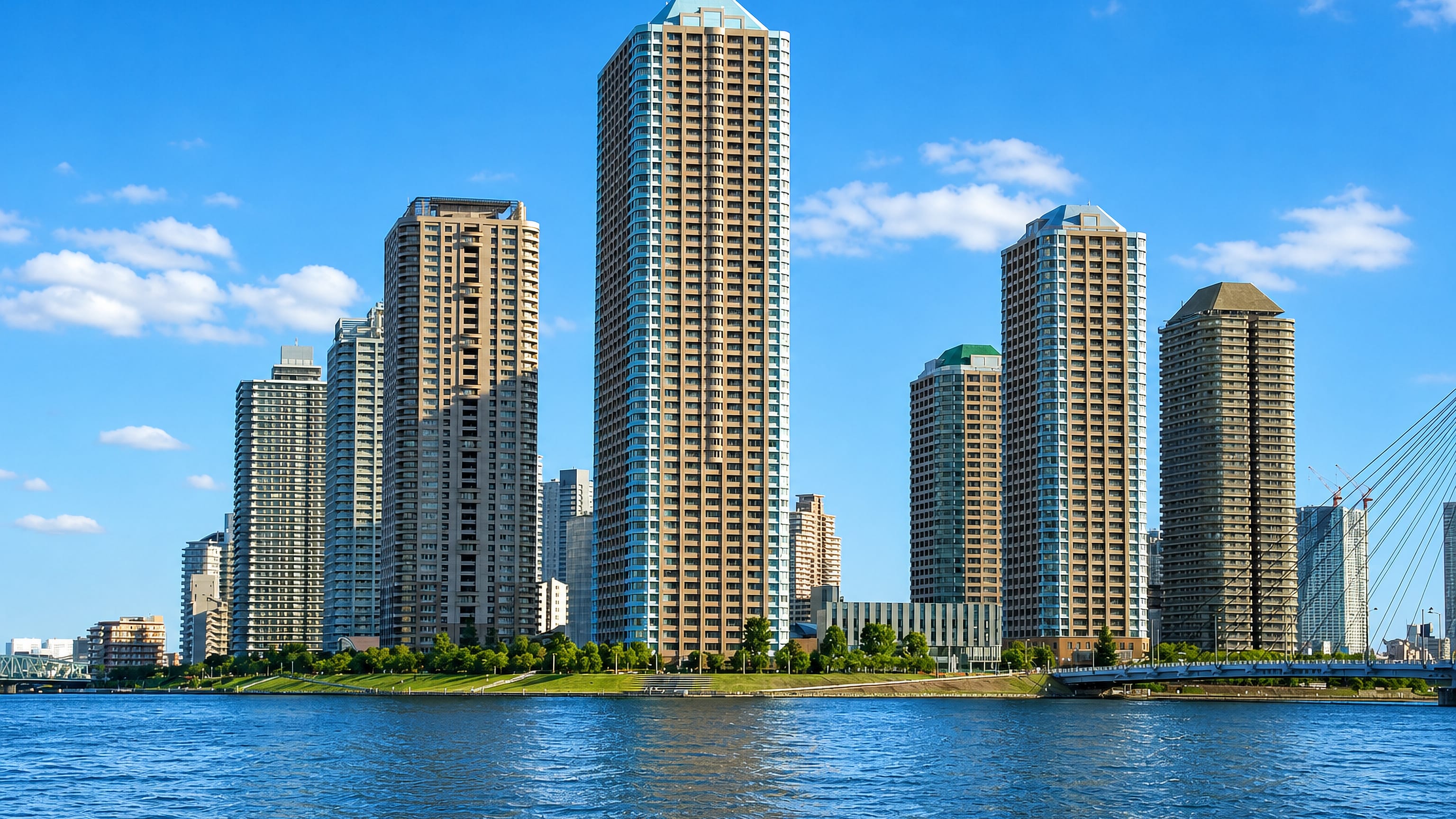
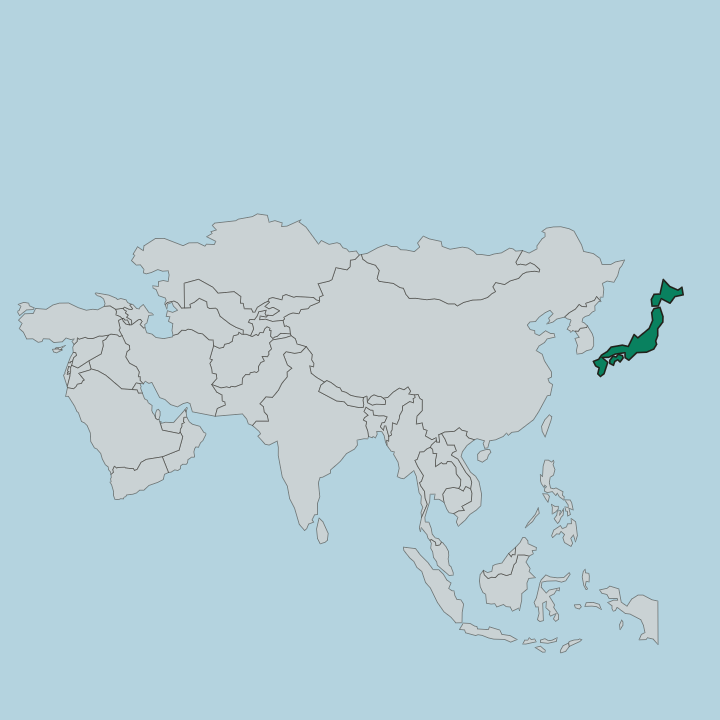
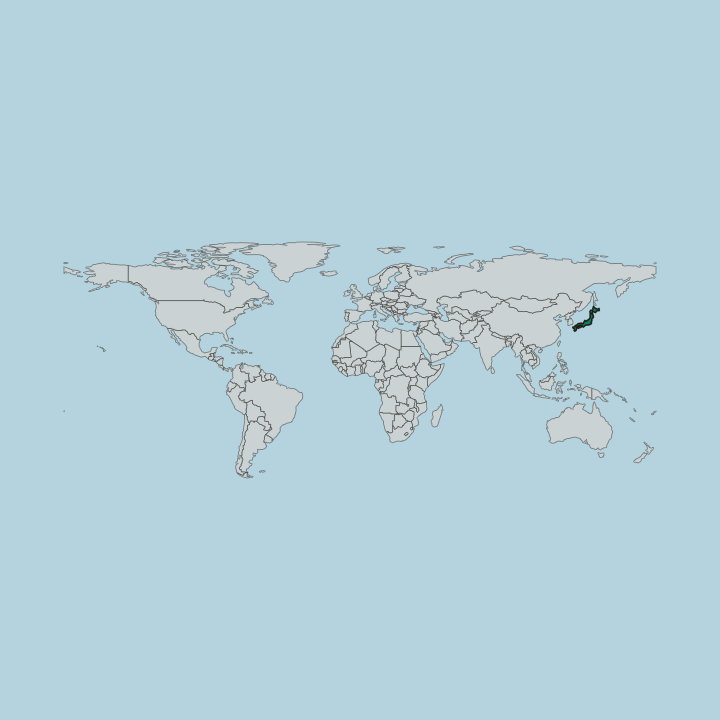
Chūō is a special ward of Tokyo in Japan, commercial heart of the city since the Edo period, formed in 1947 from Kyōbashi and Nihonbashi.
Hotel links are affiliate links: booking through them may earn us a commission, at no extra cost to you. It never affects how places are ranked. How this works


Where to stay in Chūō
Each area has its own feel; here's who each one suits.

 ChūōJapan
Tsukiji
Tsukiji is a district of Chūō, Tokyo, raised on filled ground, and the fish market that carried its name traded here until 2018.Where to stay → ChūōJapan
Kachidoki
Kachidoki is a district of Chūō in Tokyo Prefecture, served by Kachidoki Station and holding the Kidzania Tokyo attraction.Where to stay →Hotel links are affiliate links: booking through them may earn us a commission, at no extra cost to you. It never affects how places are ranked. How this works
Find hotels in Chūō
Direct booking searches for these neighbourhoods.
Nihonbashi
Nihonbashi keeps the banks, the department stores and the Mitsui Memorial Museum within a few blocks of the roomFind hotels in NihonbashiMuseum days that begin at the Artizon Museum and the film archiveKyōbashi
Kyōbashi puts the Artizon Museum and the National Film Archive of Japan on foot, on streets that go quiet once the offices closeFind hotels in KyōbashiHotel links are affiliate links: booking through them may earn us a commission, at no extra cost to you. It never affects how places are ranked. How this works
Things to do in Chūō
Ranked by global recognition; descriptions from Wikidata (CC0).
Museums & Galleries
3- Okura Museum of Art Heritage
- Yūshūkan
- The National Museum of Modern Art, Tokyo
Parks & Gardens
1- Kidzania Tokyo
Landmarks & Notable Places
3- Tokyo Tower Heritage
- Prime Minister's Official Residence
- Science Museum
worth knowingacross 3 categories in Chūō
About Chūō
Commerce made this ward.
What is Chūō known for?
Chūō has been the trading heart of Tokyo since the Edo period, and the streets still carry the offices, banks and institutions that drive the Japanese economy rather than anything laid on for visitors. Nihonbashi is the old core. The Artizon Museum, the Mitsui Memorial Museum and the National Film Archive of Japan supply the cultural weight beside all that business.
What are the main landmarks in Chūō?
Museums outnumber monuments. The Artizon Museum and the Mitsui Memorial Museum anchor the collections of the ward itself, the National Film Archive of Japan holds the country's cinema, and the Suntory Museum of Art, the Okura Museum of Art and the Museum of the Imperial Collections sit in the surrounding ring of central Tokyo. Tokyo Tower marks the skyline past the boundary.
Kidzania Tokyo, the Tokyo One Piece Tower, the Mitsubishi Ichigokan Museum and the National Museum of Modern Art, Tokyo widen the choice again for anyone with a second day.
What is the history of Chūō?
Trade came first here. Chūō has served as the commercial centre of Tokyo since the Edo period, when the merchant quarters of Nihonbashi did the city's buying and selling, and that role has never really moved elsewhere despite everything built over it since. Kyōbashi grew the same way.
Two merchant districts side by side, each with its own name and its own trade, made the ground that the modern ward inherited. The ward as drawn dates to 1947. Kyōbashi and Nihonbashi were merged in that year, as Tokyo City gave way to the Tokyo Metropolis and the old ward map was redrawn, and the resulting district took the name Chūō, meaning the centre.
English signage reads Chūō City. The ward calls itself that in English, which puzzles visitors who expect a city to be something larger than one piece of Tokyo. Money stayed put through all of it.
Offices, banks and the institutions that drive the Japanese economy still fill this ground, and a cultural layer settled in among them, with the Artizon Museum, the Mitsui Memorial Museum, the Idemitsu Museum of Arts and the National Film Archive of Japan all within the central reach. Collections spread wider still. The Edo-Tokyo Museum, the Sumida Hokusai Museum, the Fukagawa Edo Museum and the Museum of Contemporary Art Tokyo lie close enough to fold into one visit, and the Japanese Sword Museum, the Transportation Museum and the Science Museum stretch the list further again.
Where is Chūō?
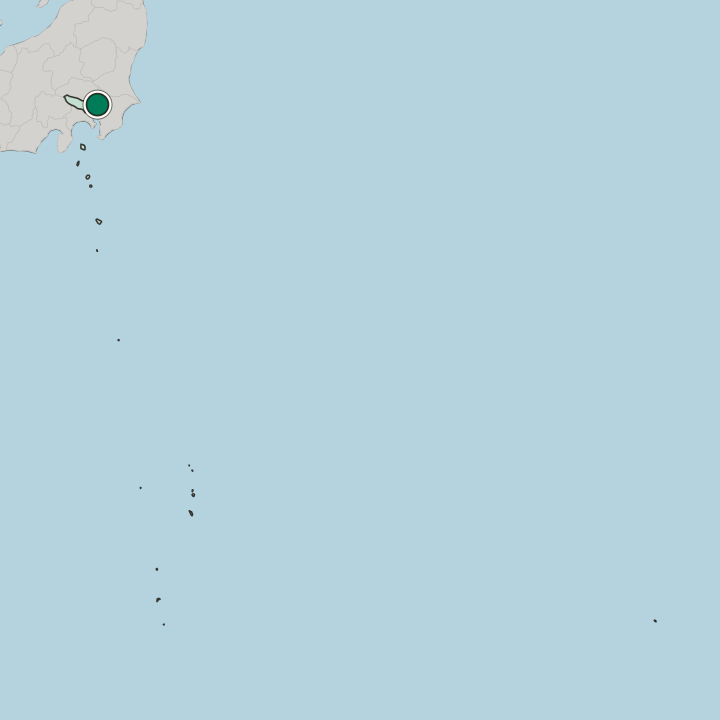
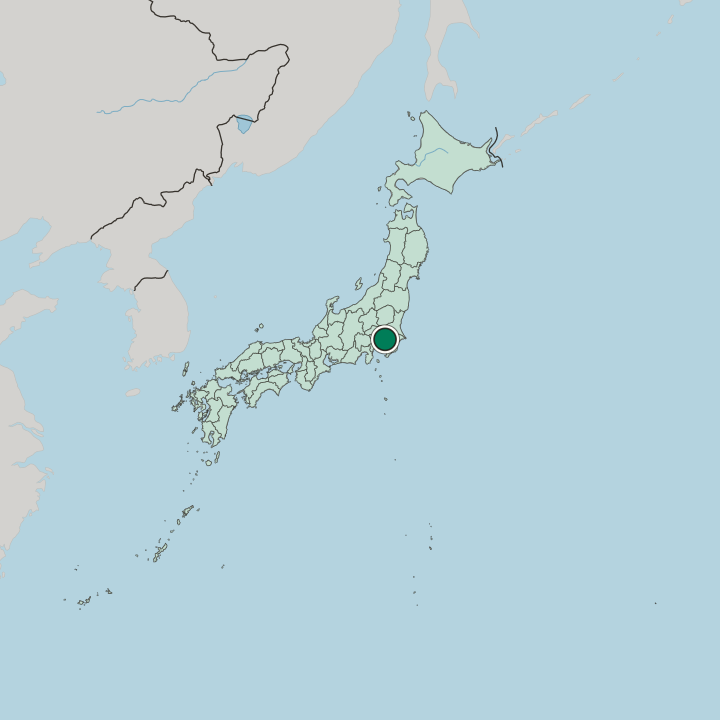
Ten square kilometres, no more. Chūō takes up a small block of the Tokyo Metropolis where the ground is built over almost completely and the ward boundary counts for more than any landform, Kyōbashi and Nihonbashi being the two halves that were joined to make it. Tokyo Tower rises beyond the edge.
The Edo-Tokyo Museum, the Museum of Contemporary Art Tokyo and Kidzania Tokyo stand among the neighbouring wards, near enough to belong to the same day out.
What is the climate of Chūō?
Heat lingers in the ward. Stone, glass and asphalt across Chūō hold the day's warmth well into the night, which leaves a summer evening around Nihonbashi heavier than the same hour out at the edge of the Tokyo Metropolis, while the temperate year swings from that to a dry and bright winter. Downpours come with the heat.
How do you get to Chūō?
Arrival is a matter of stations. Chūō lies at the middle of the Tokyo Metropolis, so every line that matters passes through it or beside it, and no visitor has to plan an approach beyond picking the right exit for the block they want. Nihonbashi is a junction.
Crossing between there and Kyōbashi on foot takes less time than most transfers, and a taxi in office hours is slower than the platform.
Common questions
What is the best area to stay in Chūō?
Nihonbashi: Business nights in the old merchant quarter of the ward. Kyōbashi: Museum days that begin at the Artizon Museum and the film archive.
Good for
More cities in Tokyo Prefecture
Updated October 2026