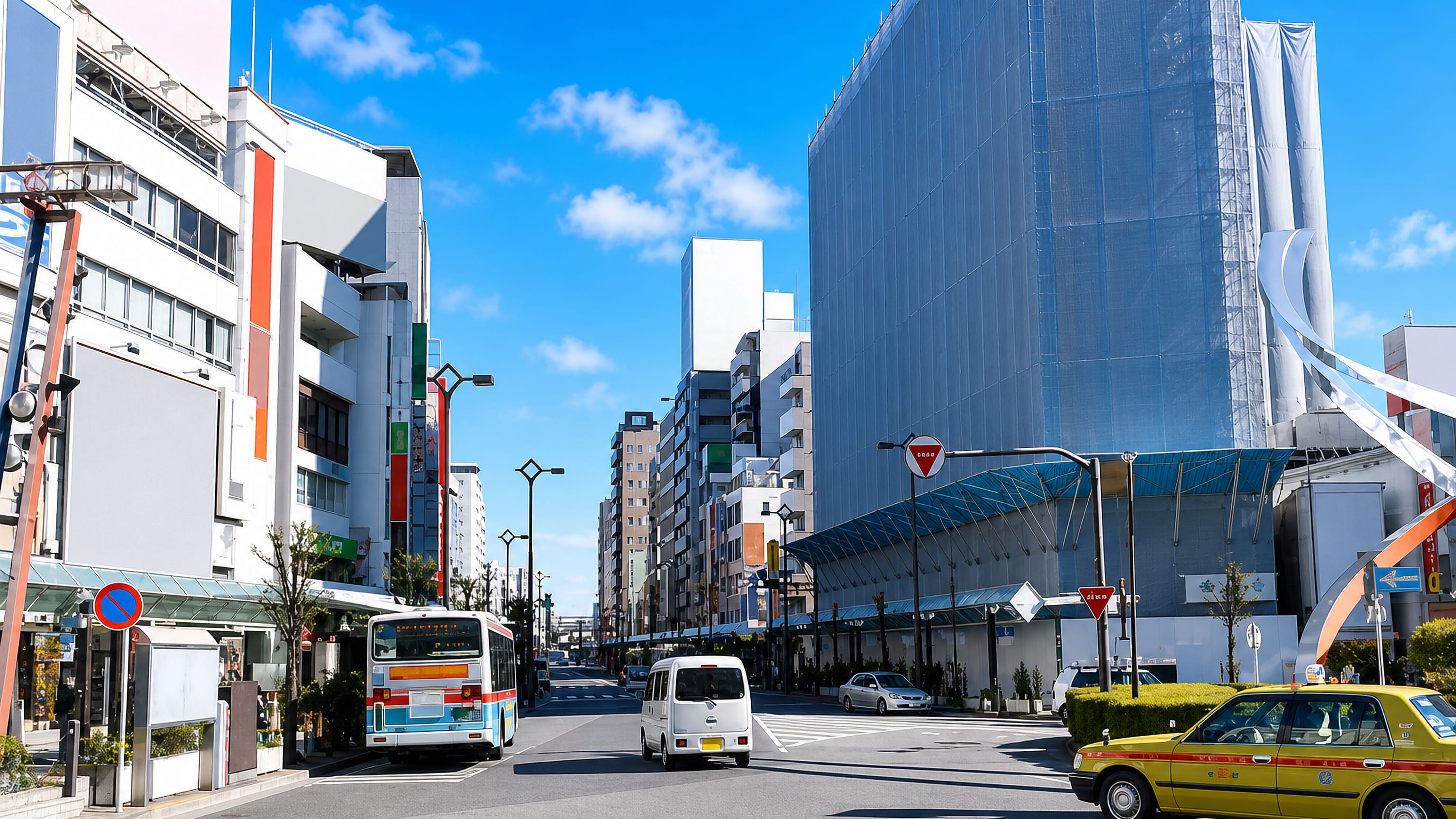
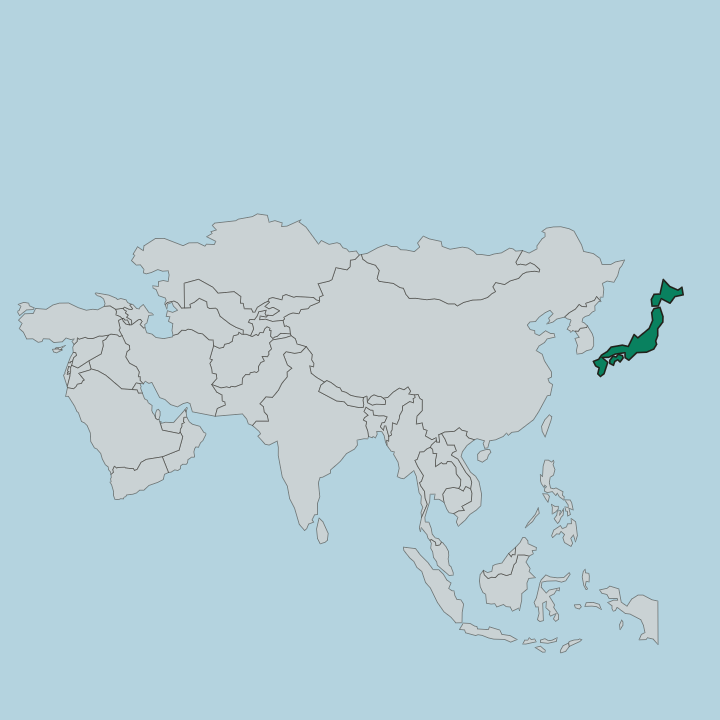
Japan · Tokyo Prefecture
Where to Stay in Ōta, Tokyo Prefecture
Ōta is a special ward of the Tokyo Metropolis formed in 1947 from Ōmori and Kamata, running to the Tama River opposite Kawasaki.
Hotel links are affiliate links: booking through them may earn us a commission, at no extra cost to you. It never affects how places are ranked. How this works


Where to stay in Ōta
Where you base yourself shapes the visit — here's the character of each area.

 ŌtaJapanCrossings to the Kawasui Kawasaki Aquarium
Kamata
The Tama River side of the ward, nearest to KawasakiKamata → ŌtaJapan
Ikegami
Ikegami is a district of Ōta in Tokyo Prefecture, known for Ikegami Honmon-ji Temple and reached through Ikegami Station.Where to stay → ŌtaJapan
Haneda
Haneda is a district of Ōta in Tokyo. Its name reaches far beyond the ward, attached to Haneda Airport, the busiest in Japan by passenger traffic.Where to stay →Hotel links are affiliate links: booking through them may earn us a commission, at no extra cost to you. It never affects how places are ranked. How this works
Find hotels in Ōta
Direct booking search for this neighbourhood.
Hotel links are affiliate links: booking through them may earn us a commission, at no extra cost to you. It never affects how places are ranked. How this works
About Ōta
What is Ōta known for?
Two old towns made one ward. Ōmori and Kamata merged in 1947, and the seam still shows in the collections: the Omori Nori Museum and the Folk Museum of Ōta City both work the ward's own ground rather than a wider Tokyo story. Water is the other draw. The Shinagawa Aquarium sits just past the boundary and the Kawasui Kawasaki Aquarium waits across the Tama River, so two tanks of fish bracket the ward.
What are the main landmarks in Ōta?
The ward keeps its own museums. The Omori Nori Museum, the Folk Museum of Ōta City, and the Ryūshi Memorial Museum form a small civic set that belongs entirely to Ōta rather than to a wider Tokyo circuit. Bigger draws sit at the edges.
The Shinagawa Aquarium, Big Fun Heiwajima, and the Safety Promotion Center pull one way, while the Tokaido Kawasaki Shuku Koryukan and the Kawasaki Isago no Sato Museum wait across the Tama River.
What is the history of Ōta?
The ward was assembled, not founded. Ōta came into being in 1947, when Ōmori and Kamata were merged following the transformation of Tokyo City into the Tokyo Metropolis, an administrative change that fixed the boundaries the ward still keeps. Both old names survive in museums. The Folk Museum of Ōta City and the Omori Nori Museum carry what the ward looked like before the merger, when the two towns kept separate records.
A road came long before the ward. The Tokaido Kawasaki Shuku Koryukan, across the Tama River, keeps the Tōkaidō name alive, and the Kawasaki Ukiyo-e Gallery holds prints of the same era of travel. Later decades are documented too.
The Museum of Life in the Shōwa Era sets out the domestic side of those years, and the Kawasaki Isago no Sato Museum works the same ground from the far bank of the Tama River. Neighbours changed less than the ward did. Meguro, Setagaya, and Kōtō still border it, and Kanagawa Prefecture still begins at the water, which makes the boundaries of 1947 the clearest surviving fact about the ward's making.
Where is Ōta?
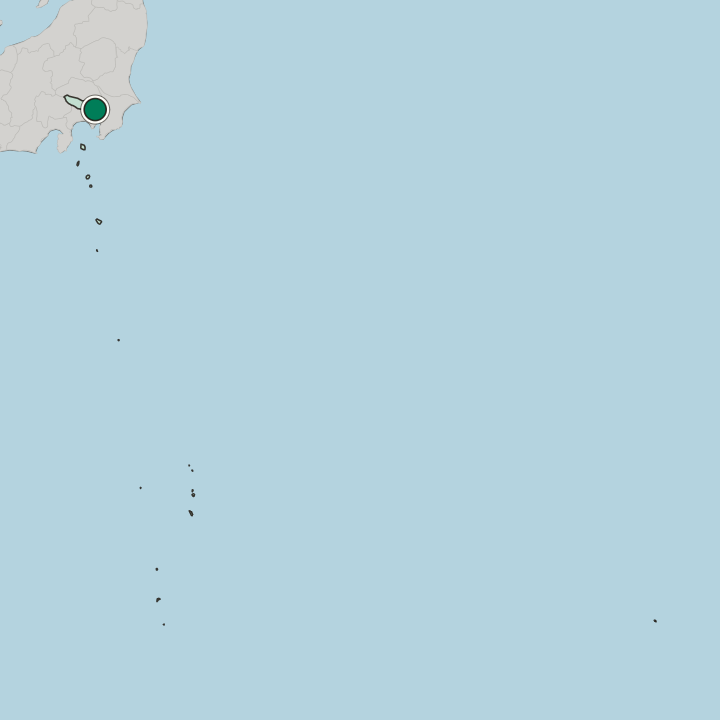
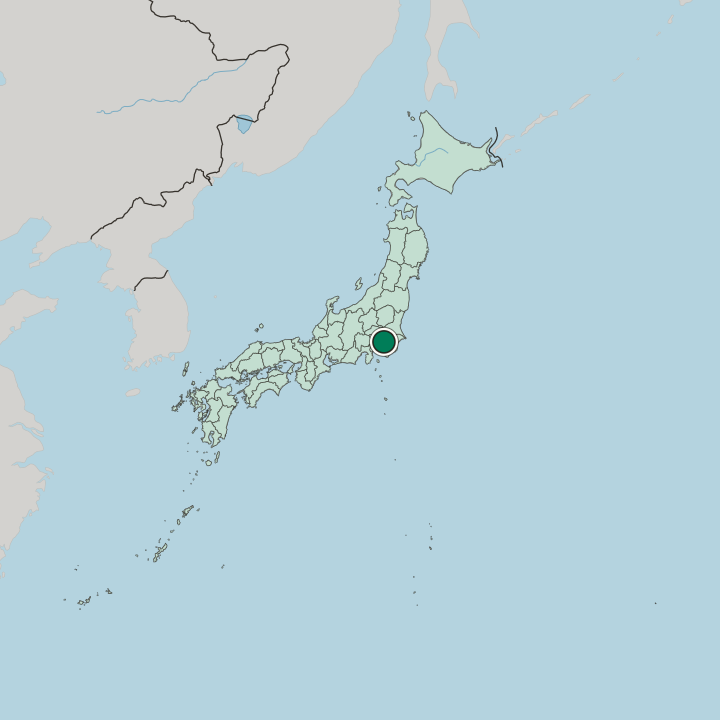
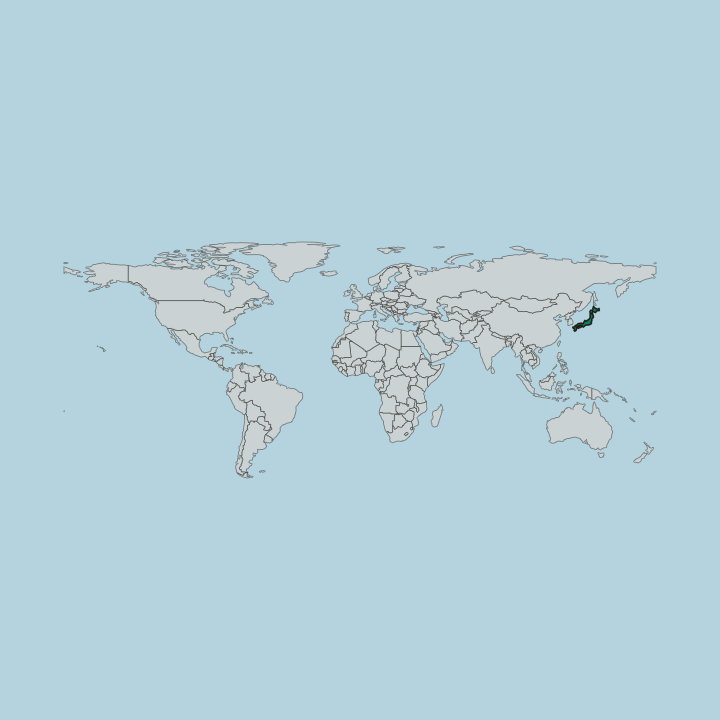
The Tama River sets the limit. Ōta covers about sixty-two square kilometres of the Tokyo Metropolis and ends at that water, with Kanagawa Prefecture and the city of Kawasaki on the far bank. Land neighbours ring the rest. Shinagawa, Meguro, Setagaya, and Kōtō all share a boundary with the ward, which makes Ōta a suburban stretch pressed between Shinagawa and Kawasaki rather than a place with edges of its own.
What is the climate of Ōta?
Four seasons, no mountain shelter. Ōta lies in the temperate band, so the year swings between a warm summer and a cold winter, and the flat ground along the Tama River offers little cover from either. Indoor options are plentiful. The Shinagawa Aquarium, the Museum of Life in the Shōwa Era, and Big Fun Heiwajima all work regardless of the day, which suits a ward where the walking is between stations rather than through parks.
How do you get to Ōta?
Ōta sits between two hubs. Shinagawa on one side and Kawasaki on the other put the ward on the main line of travel through this part of the Tokyo Metropolis, and most arrivals come through one or the other. The Tama River is crossed easily.
Getting to the Kawasui Kawasaki Aquarium or the Tokaido Kawasaki Shuku Koryukan means leaving the Tokyo Metropolis for Kanagawa Prefecture, which is a shorter step than the boundary suggests.
Common questions
What is the best area to stay in Ōta?
Kamata: Crossings to the Kawasui Kawasaki Aquarium. Ōmori: Days built around the Omori Nori Museum.
Good for
More cities in Tokyo Prefecture
Updated September 2026