Japan · Tokyo Prefecture
Where to Stay in Hino, Tokyo Prefecture
Two museums here keep the Shinsengumi. The Hijikata Toshizō Museum and the Shinsengumi Furusato Historical Museum both stand in Hino.
Hotel links are affiliate links: booking through them may earn us a commission, at no extra cost to you. It never affects how places are ranked. How this works


Where to stay in Hino
Where visitors usually base themselves, and why.
The Shinsengumi decide half the bookings. Rooms taken with the Hijikata Toshizō Museum and the Shinsengumi Furusato Historical Museum in mind belong to people who have come to Hino for one thread and want both ends of it inside a morning. Families book differently.
Tama Zoological Park and Keio Rail-Land each swallow the better part of a day, and a bed positioned for them keeps the twenty-seven square kilometres of Hino from turning into a commute. Smaller collections change the arithmetic. The Emperor Shōwa Memorial Museum, the Kunitachi Local Museum and the collection of Ryoichi & Fudeko Ishii each take a single subject, so they slot around whatever the main reason for the trip turns out to be.
The Holy Trinity Chapel is the quiet entry on the list. Tama Tech completes it without resembling anything else on it. Distance is the deciding factor.
Hino covers twenty-seven square kilometres, which is enough that Tama Zoological Park and the Hijikata Toshizō Museum are not neighbours, and a stay that ignores the gap spends its afternoons in transit rather than in the collections it came for.
Find hotels in Hino
Direct booking searches for these neighbourhoods.
The Shinsengumi corner of Hino
The Hijikata Toshizō Museum and the Shinsengumi Furusato Historical Museum are the two collections that make Hino a destination rather than a stop. Beds are limited here, so book early.Find hotels in The Shinsengumi corner of Hinoa day given over entirely to Tama Zoological ParkNear Tama Zoological Park
Tama Zoological Park takes long enough that the walk back weighs more than anything else about the room. Rooms are few around here — worth securing early.Find hotels in Near Tama Zoological Parkchildren who would rather see trains than animalsBy Keio Rail-Land
Keio Rail-Land is the collection in Hino built around rolling stock, and it pairs badly with a long ride at the end of the day. Rooms are few around here — worth securing early.Find hotels in By Keio Rail-Landshorter visits stitched between the larger onesAround the Emperor Shōwa Memorial Museum
The Emperor Shōwa Memorial Museum and the Kunitachi Local Museum each take one subject, which suits an afternoon with time left overFind hotels in Around the Emperor Shōwa Memorial Museumground away from the museum traffic of HinoTowards the Holy Trinity Chapel
The Holy Trinity Chapel is the entry on the landmark list of Hino that was never built as a museum. Rooms are few around here — worth securing early.Find hotels in Towards the Holy Trinity ChapelHotel links are affiliate links: booking through them may earn us a commission, at no extra cost to you. It never affects how places are ranked. How this works
About Hino
Two museums cover one subject.
What is Hino known for?
The Hijikata Toshizō Museum and the Shinsengumi Furusato Historical Museum both take the Shinsengumi as their material, which is a concentration on one subject that few municipalities attempt. Animals draw the other crowd. Tama Zoological Park and Keio Rail-Land fill the days that have nothing to do with history, and the Emperor Shōwa Memorial Museum sits between the two.
What are the main landmarks in Hino?
Nine entries, and two of them share a subject. The Hijikata Toshizō Museum and the Shinsengumi Furusato Historical Museum both work the Shinsengumi, while the Emperor Shōwa Memorial Museum, the Kunitachi Local Museum and the collection of Ryoichi & Fudeko Ishii each take their own. Tama Zoological Park is the outdoor one.
Keio Rail-Land, Tama Tech and the Holy Trinity Chapel round out a list with almost no overlap in it.
What is the history of Hino?
Hino-juku is the name on the record. That form sits behind the municipal system Hino adopted in 1889, and the city grown from it covers twenty-seven square kilometres of the western portion of the Tokyo Metropolis. Municipal status did not erase the older form: Hino-juku remains the official name attached to the place.
Then there is Hijikata Toshizō. Hino keeps two collections on the Shinsengumi, the Hijikata Toshizō Museum and the Shinsengumi Furusato Historical Museum, which is not the pattern of a town borrowing another town's history. The record after that is thinner.
The Emperor Shōwa Memorial Museum names the reign it covers, the Kunitachi Local Museum carries a place name of its own, and the collection of Ryoichi & Fudeko Ishii preserves two working lives rather than an era. Tama Tech answers to none of those threads. Keio Rail-Land keeps the railway history of the same ground, which is a long way from Hino-juku and further still from the Shinsengumi, and the Holy Trinity Chapel occupies a quieter corner again.
Tama Zoological Park belongs to the same list without belonging to the same story, and the nine entries together read less as a chronology than as an accumulation.
Where is Hino?
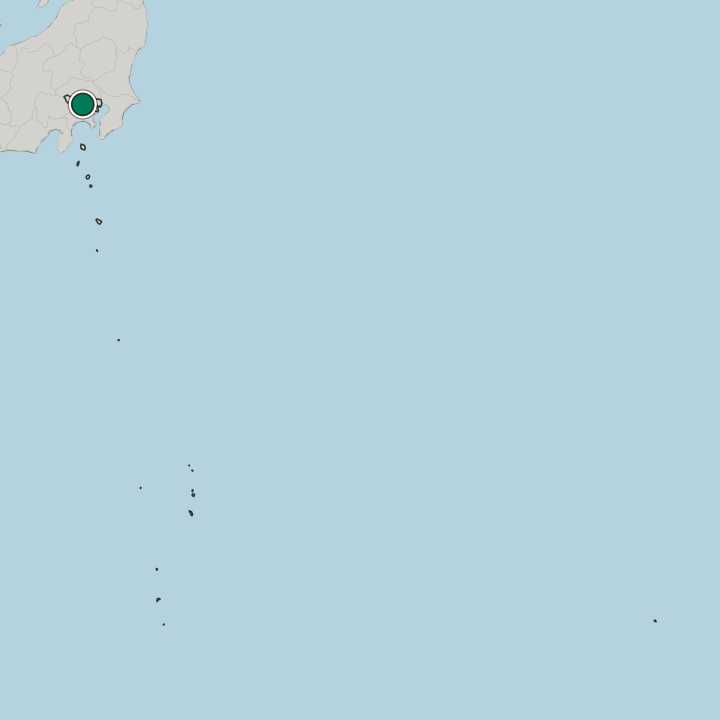
Twenty-seven square kilometres is a lot of ground. Hino occupies part of the western portion of the Tokyo Metropolis, and the spread is wide enough that Tama Zoological Park and the Hijikata Toshizō Museum do not share a district, which changes how a visit is planned. Scale is the practical fact here.
What is the climate of Hino?
Temperate, and northern. Hino runs the same four-season year as the rest of the Tokyo Metropolis, which means the walking between its scattered museums is pleasant for part of the year and a chore for the rest. Tama Zoological Park feels that hardest.
The Hijikata Toshizō Museum, the Shinsengumi Furusato Historical Museum and Keio Rail-Land are indifferent to it, which is why a bad week rearranges the order of a visit rather than cancelling it.
How do you get to Hino?
Rail is the theme, even in the museums. Hino lies inside the Tokyo Metropolis, so arrival is a matter of getting out from Tokyo rather than into the prefecture, and Keio Rail-Land makes the point by keeping the railway itself as an exhibit. The city is wide.
Twenty-seven square kilometres means the last stretch to Tama Zoological Park or to the Shinsengumi Furusato Historical Museum can be longer than the part of the journey that felt like travelling.
Common questions
What is the best area to stay in Hino?
The Shinsengumi corner of Hino: following Hijikata Toshizō from one collection to the other. Near Tama Zoological Park: a day given over entirely to Tama Zoological Park. By Keio Rail-Land: children who would rather see trains than animals. Around the Emperor Shōwa Memorial Museum: shorter visits stitched between the larger ones. Towards the Holy Trinity Chapel: ground away from the museum traffic of Hino.
More cities in Tokyo Prefecture
Updated September 2026