Japan · Tokyo Prefecture
Where to Stay in Nishi-Tokyo-shi, Tokyo Prefecture
Nishi-Tokyo-shi is a city of the Tokyo Metropolis formed in 2001, an outer suburb with the Edo-Tokyo Open Air Architectural Museum nearby.
Hotel links are affiliate links: booking through them may earn us a commission, at no extra cost to you. It never affects how places are ranked. How this works


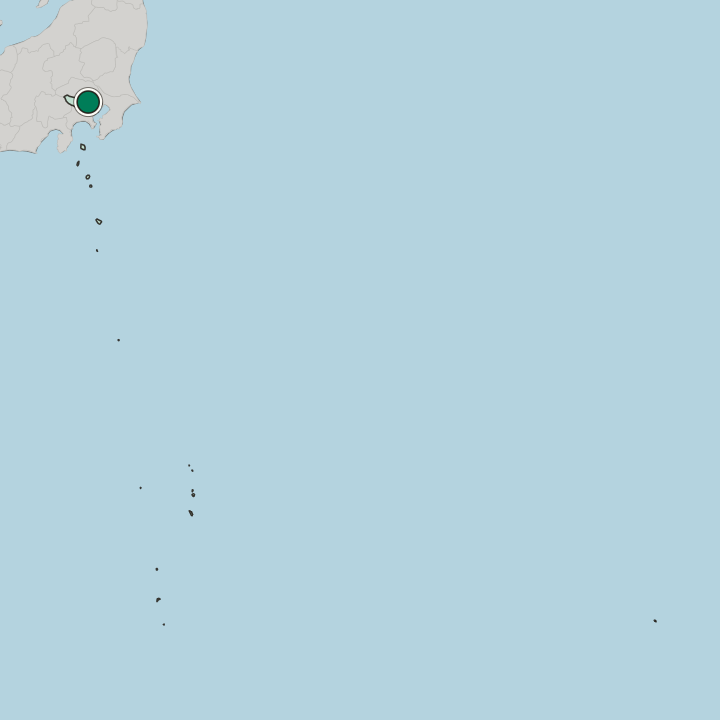
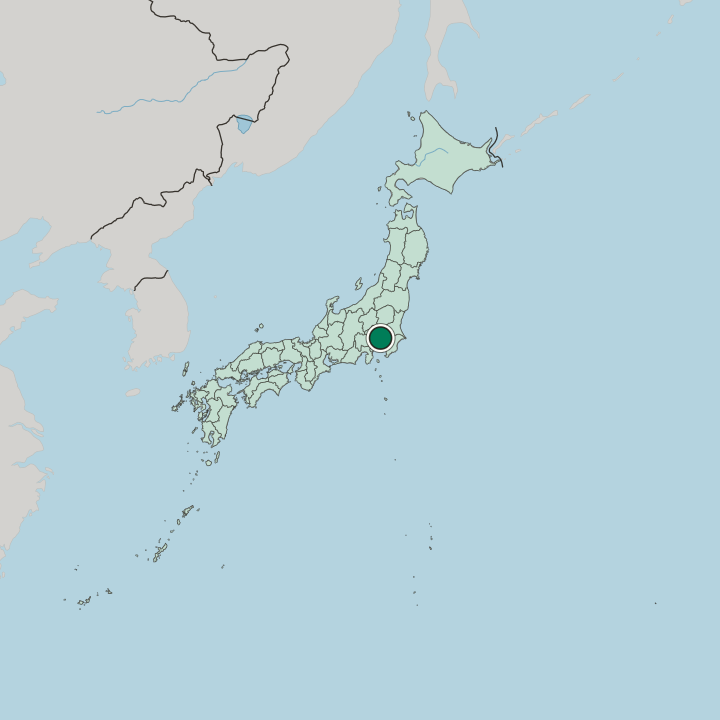
Where to stay in Nishi-Tokyo-shi
One neighbourhood here has its own guide — here's what it is best for.
 Nishi-Tokyo-shiJapan
Tanashichō
Tanashichō is a district of Nishi-Tokyo-shi, a city in Tokyo Prefecture, Japan, and holds no municipal standing of its own.Where to stay →Hotel links are affiliate links: booking through them may earn us a commission, at no extra cost to you. It never affects how places are ranked. How this works
Find hotels in Nishi-Tokyo-shi
Direct booking searches for these neighbourhoods.
Near the Tamarokuto Science Center
Quiet low-rise streets wrapped around the science centre. Few places to stay nearby — book ahead.Find hotels in Near the Tamarokuto Science CenterArchitecture visitors working through the House of KoideThe Edo-Tokyo Open Air Architectural Museum side
The nearest ground to the open-air museum and the Suzuki Site. Rooms are few around here — worth securing early.Find hotels in The Edo-Tokyo Open Air Architectural Museum sideHotel links are affiliate links: booking through them may earn us a commission, at no extra cost to you. It never affects how places are ranked. How this works
About Nishi-Tokyo-shi
Technical museums define the area.
What is Nishi-Tokyo-shi known for?
The Tamarokuto Science Center, the Gas Museum, and the NTT History Center of Technologies sit within a short ride of Nishitōkyō, three collections given over to machinery and measurement rather than to art. University collections add to the count. The Nature and Science Museum, Tokyo University of Agriculture and Technology and the Nippon Veterinary and Life Science University Museum open specialist holdings to visitors, and the Seikei Gakuen Archives / Museum keeps a school's own record.
What are the main landmarks in Nishi-Tokyo-shi?
One museum outshines the rest. The Edo-Tokyo Open Air Architectural Museum sets rescued buildings on open ground, and it is the reason most outside visitors make the trip out to this part of the Tokyo Metropolis. Smaller halls fill the map.
The Mitaka City Yūzō Yamamoto Memorial Museum, the House of Koide, and the dwelling recorded as Ito Family Residence each preserve a single building, and the Shitanoya Site and the Suzuki Site mark much older ground.
What is the history of Nishi-Tokyo-shi?
As a city, Nishitōkyō is new. Nishitōkyō dates only from 2001, a recent line drawn on the map of the Tokyo Metropolis, which makes it one of the newer names in a region whose settlement runs back far further. The ground under it is old.
The Shitanoya Site and the Suzuki Site record occupation long predating any modern boundary, and they are kept as excavated ground rather than as standing architecture. Between those two extremes sits the industrial century. The Gas Museum and the NTT History Center of Technologies both trace utilities and communications through the decades when this belt of the Tokyo Metropolis filled in with housing, laboratories, and schools.
Domestic life is preserved too. The House of Koide and the dwelling listed as Ito Family Residence keep older homes intact, while the Edo-Tokyo Open Air Architectural Museum assembles rescued buildings from a wider area on one site. Institutions keep their own archives.
The Seikei Gakuen Archives / Museum and the Mitaka City Yūzō Yamamoto Memorial Museum hold records tied to a school and to one person's name, and the Nippon Veterinary and Life Science University Museum does the same for a profession.
Where is Nishi-Tokyo-shi?
Low ground, evenly built. Nishitōkyō covers a little under sixteen square kilometres of suburb inside the Tokyo Metropolis, and the built-up street plan runs on without a break into the cities around it. The temperate band holds here.
Flat suburban ground carries the Tamarokuto Science Center, the Shitanoya Site, and the Suzuki Site within a few kilometres of one another, so orientation comes from rail lines and museum signs rather than from relief.
What is the climate of Nishi-Tokyo-shi?
Four distinct seasons, no extremes of daylight. A temperate position gives the year four clear turns, and the indoor character of the Gas Museum, the Tamarokuto Science Center, and the NTT History Center of Technologies makes the weather largely beside the point. One exception stands outdoors.
The Edo-Tokyo Open Air Architectural Museum is walked between buildings in the open, which rewards a dry, mild day and punishes a wet one.
How do you get to Nishi-Tokyo-shi?
Trains do all the work. Nishitōkyō lies far enough out from the middle of the Tokyo Metropolis that a visit is planned around rail, and the walk from any station to the nearest collection is measured in minutes rather than in kilometres. Roads are ordinary suburban ones.
Driving suits a run that links the Edo-Tokyo Open Air Architectural Museum with the Gas Museum and the Tamarokuto Science Center, since the three do not fall neatly into one chain of stops.
Common questions
What is the best area to stay in Nishi-Tokyo-shi?
Near the Tamarokuto Science Center: Families pairing a science day with the Gas Museum. The Edo-Tokyo Open Air Architectural Museum side: Architecture visitors working through the House of Koide.
Good for
More cities in Tokyo Prefecture
Updated October 2026