Japan · Tokyo Prefecture
Where to Stay in Fussa, Tokyo Prefecture
Fussa is a compact outer city of the Tokyo Metropolis in Japan, a municipality since 1940, holding the Fussa Museum of Local History at its middle.
Hotel links are affiliate links: booking through them may earn us a commission, at no extra cost to you. It never affects how places are ranked. How this works


Where to stay in Fussa
How the choice of base plays out on the ground.
The Fussa Museum of Local History marks the middle of a very small city. A room within reach of it puts the everyday shops, the station and the museum itself on one short walk, which is about as much concentration as ten square kilometres of outer Tokyo can offer. That is the whole centre.
Rooms of the business sort dominate what stock exists, and a traveller expecting anything designed for sightseeing will be disappointed rather than pleasantly surprised. The Hamura Zoo side answers a different question. Families building a morning around the animals do better out that way, since the gate is close and the return into the city takes no planning at all, and the same ground gives easier access to the excavated sites than the station end does.
Ninomiya Koukokan is the other pull. Anyone here for the collections rather than for the zoo will find the two museums within a single unhurried day, with time left over. Most people do not stay at all.
Central Tokyo is close enough that Fussa reads as an outing on the way to somewhere else, so the city's beds go mainly to people with work in the district or a reason to be near Fussa-machi in the morning. Book on a weekday and it is straightforward. Weekends around Hamura Zoo are the exception, when the small supply of rooms in this part of the Tokyo Metropolis tightens without warning.
Find hotels in Fussa
Direct booking searches for these neighbourhoods.
By the Fussa Museum of Local History
The Fussa Museum of Local History stands in the built-up middle of the city, with the shops of Fussa-machi and the platform on the same walk. Lodging is scarce in this area; reserve in advance.Find hotels in By the Fussa Museum of Local HistoryFamily mornings that open at the zoo gateThe Hamura Zoo side
Ground out toward Hamura Zoo keeps the animals close and leaves the excavated sites an easier drive than from the station end. Rooms are few around here — worth securing early.Find hotels in The Hamura Zoo sideHotel links are affiliate links: booking through them may earn us a commission, at no extra cost to you. It never affects how places are ranked. How this works
About Fussa
The city keeps its own museum.
What is Fussa known for?
The Fussa Museum of Local History gathers what the district has to show for itself, and the collection at Ninomiya Koukokan carries that work a little further, which together make a modest but genuine reason to get off the train. Hamura Zoo handles the children. Older ground lies close by, since the Nishiakiru Stone Age Dwelling Site and Maeda Kochi Site hold the record of settlement here long before the present streets.
What are the main landmarks in Fussa?
Five names, none of them large. The Fussa Museum of Local History is the natural first stop, Ninomiya Koukokan follows for anyone who wants more of the same material, and Hamura Zoo covers the family afternoon that neither of the two collections is going to fill. Two of the five are ground rather than buildings.
The Nishiakiru Stone Age Dwelling Site and Maeda Kochi Site want some reading beforehand if they are to mean much on arrival.
What is the history of Fussa?
Municipal status came in 1940. Fussa was constituted in that year under the name Fussa-machi, and the city grew out of that unit as the Tokyo Metropolis spread outward and filled the ground between its older towns with housing. The ground itself is far older.
The Nishiakiru Stone Age Dwelling Site and the excavated remains at Maeda Kochi Site record people living in this part of the Metropolis long before any of it was administered from Tokyo at all. Records are kept locally. The Fussa Museum of Local History holds the town's account of itself, running from the farming years through the growth that folded the district into a continuous urban area, and Ninomiya Koukokan preserves material of the same order for the country nearby.
Nothing here is grand. What the two collections offer is the ordinary history of an outer city, which is the only sort this ground has to give. Leisure came with the housing.
Hamura Zoo is the kind of small attraction that serves families within a short ride rather than visitors from any distance, and it remains the one name in the district that a child will recognise before an adult does. Fussa stayed small. Ten square kilometres cannot carry much beyond the housing already standing on them, so the later story of the city has been one of infill rather than of expansion, and the boundaries drawn around Fussa-machi still hold.
Where is Fussa?
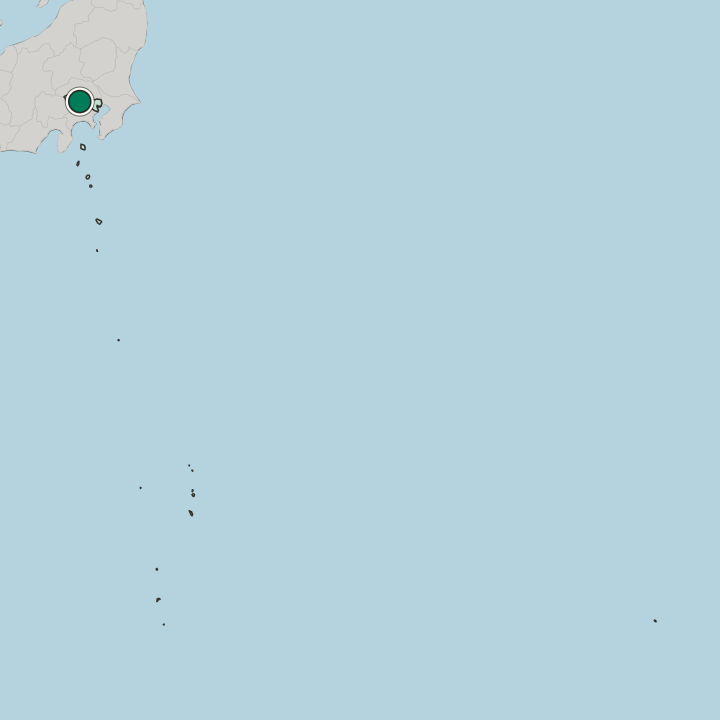
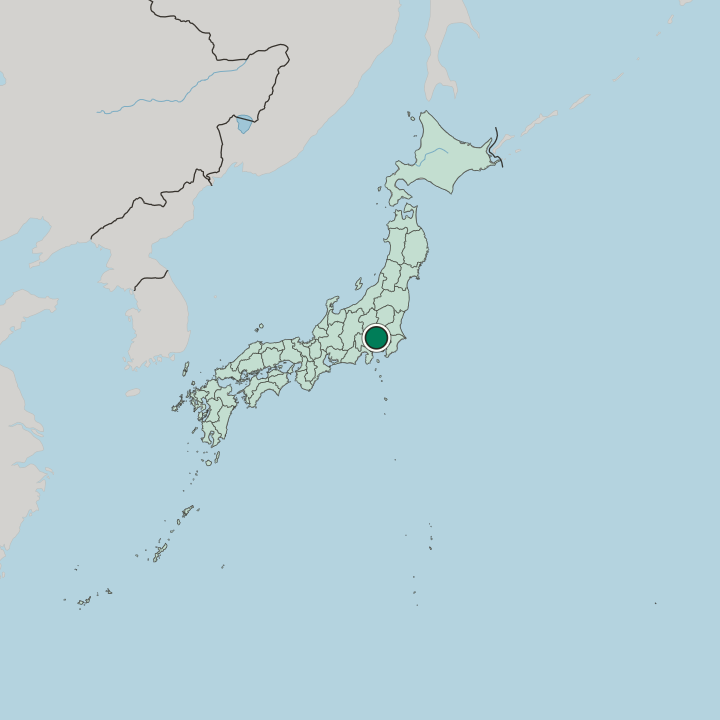
A little over ten square kilometres make up Fussa, which puts it among the smaller cities of the Tokyo Metropolis, its ground built over almost end to end and its edges running into the neighbouring municipalities without any break to mark the change. Hamura Zoo lies just beyond. The Nishiakiru Stone Age Dwelling Site and Maeda Kochi Site belong to the same stretch of country, while the streets of the old town of Fussa cover most of what remains.
What is the climate of Fussa?
Four seasons, sharply drawn. The temperate year over Fussa runs from a humid summer into a dry cold that settles late in the calendar, and the remove from the heat of the central wards of Tokyo widens the gap between a midday hour and a night one more than it would nearer the middle. Winter mornings bite.
How do you get to Fussa?
Trains run out this way. Fussa sits on the commuter lines leaving central Tokyo for the outer edge of the Metropolis, and the ride is long enough to feel like leaving the city behind yet short enough to be done twice inside a day. The station is the centre.
Roads carry the rest, and a car earns its keep for Hamura Zoo and for the excavated sites past the built-up streets.
Common questions
What is the best area to stay in Fussa?
By the Fussa Museum of Local History: Short stops that begin with the city's own collection. The Hamura Zoo side: Family mornings that open at the zoo gate.
Good for
More cities in Tokyo Prefecture
Updated September 2026