Japan · Tokyo Prefecture
Where to Stay in Higashiyamato, Tokyo Prefecture
Higashiyamato is a city of the western Tokyo Metropolis, founded in 1919 as the village of Yamato, near Seibu-en and Tama Zoological Park.
Hotel links are affiliate links: booking through them may earn us a commission, at no extra cost to you. It never affects how places are ranked. How this works


Where to stay in Higashiyamato
Where visitors usually base themselves, and why.
Beds here answer to the museum ring. Higashiyamato covers little ground, so the practical question is which of the surrounding draws a stay should sit closest to, and the answers pull in different directions across the western Tokyo Metropolis. Seibu-en anchors one side.
Visitors bound for Tama Zoological Park or the Tamarokuto Science Center will want the other. Rooms in the city itself are few, and much of the trade runs to the larger centres around it. That is not a drawback for a short visit.
A stay placed between the Edo-Tokyo Open Air Architectural Museum and the Tokyo Fuji Art Museum puts most of the western metropolis's collections inside an easy day, while Kyōdo-no-Mori and the Gas Museum fill in the quieter hours. Arena Tachikawa Tachihi draws event crowds, and beds nearby thin out when it does. The National Institute of Polar Research and the Tamarokuto Science Center sit close enough to each other that one base serves both, which suits a family working through the science stops rather than the art ones.
Seibu-en suits a slower pace. Those who want the Tokorozawa Aviation Museum, the Keio Rail-Land and the JRA Racing Museum in a single run should accept that no one address in Higashiyamato is central to all three, and plan the days around transport rather than the bed.
Find hotels in Higashiyamato
Direct booking searches for these neighbourhoods.
Seibu-en side
The parkland flank of Higashiyamato, where Seibu-en and Kyōdo-no-Mori give the open ground the built streets do not. Lodging is scarce in this area; reserve in advance.Find hotels in Seibu-en sidefamilies working through the Tamarokuto Science Center and the National Institute of Polar ResearchTamarokuto Science Center approach
The science-museum end of the western metropolis, with the Edo-Tokyo Open Air Architectural Museum a short run further on. Rooms are few around here — worth securing early.Find hotels in Tamarokuto Science Center approachevent nights at Arena Tachikawa TachihiArena Tachikawa Tachihi run
The busiest approach out of Higashiyamato, where Arena Tachikawa Tachihi and the Tachikawa Life Safety Learning Center pull the crowds. Lodging is scarce in this area; reserve in advance.Find hotels in Arena Tachikawa Tachihi runHotel links are affiliate links: booking through them may earn us a commission, at no extra cost to you. It never affects how places are ranked. How this works
Things to do in Higashiyamato
Ranked by global recognition; descriptions from Wikidata (CC0).
Museums & Galleries
3- Tokyo Fuji Art Museum
- Fuchū Art Museum
- Murauchi Art Museum
Parks & Gardens
2- Seibu-en
- Tama Tech
worth knowingacross 2 categories in Higashiyamato
About Higashiyamato
Museums make the case here.
What is Higashiyamato known for?
Within a short ride of Higashiyamato stand the Tokyo Fuji Art Museum, the Tamarokuto Science Center, the National Institute of Polar Research and the Edo-Tokyo Open Air Architectural Museum, a spread of collections unusual for so small a city. Families come for Tama Zoological Park. Seibu-en and Kyōdo-no-Mori add open ground to the same circuit, and the Tokorozawa Aviation Museum sits within the same suburban belt.
What are the main landmarks in Higashiyamato?
Seibu-en heads the list. Tama Zoological Park and the Tamarokuto Science Center take the visitors that the art collections do not, while the Tokyo Fuji Art Museum, the Murauchi Art Museum and the Fuchū Art Museum divide the rest between them. The National Institute of Polar Research stands among them.
Further out sit the Edo-Tokyo Open Air Architectural Museum, the Tokorozawa Aviation Museum, the Gas Museum and the Kadokawa Culture Museum, each within the same run of the western metropolis.
What is the history of Higashiyamato?
The record starts in 1919. That is the year Higashiyamato was constituted as Yamato, the village name it carried before it became one of the cities of the Tokyo Metropolis, and the name still stands as the place's official form. Little else survives in the civic record.
What the area's past looks like has to be read instead from the institutions that settled on the ground around it, and there are a great many of those. The Edo-Tokyo Open Air Architectural Museum gathers buildings that would otherwise have gone. Kyōdo-no-Mori does similar work.
The Emperor Shōwa Memorial Museum, the Shinsengumi Furusato Historical Museum and the National Hansen's Disease Museum each hold a narrower and harder subject than a town museum usually carries, and the Tokorozawa Aviation Museum sets aviation beside them. Local collections fill the gaps: the Iruma City Museum, the Kunitachi Local Museum and the Gas Museum keep the ordinary industrial and domestic record that larger institutions pass over. Higashiyamato's own share of that story is modest.
A village of Yamato in 1919, a city of the Tokyo Metropolis afterwards, and a quiet stretch of ground between the collections that its larger neighbours built and kept.
Where is Higashiyamato?
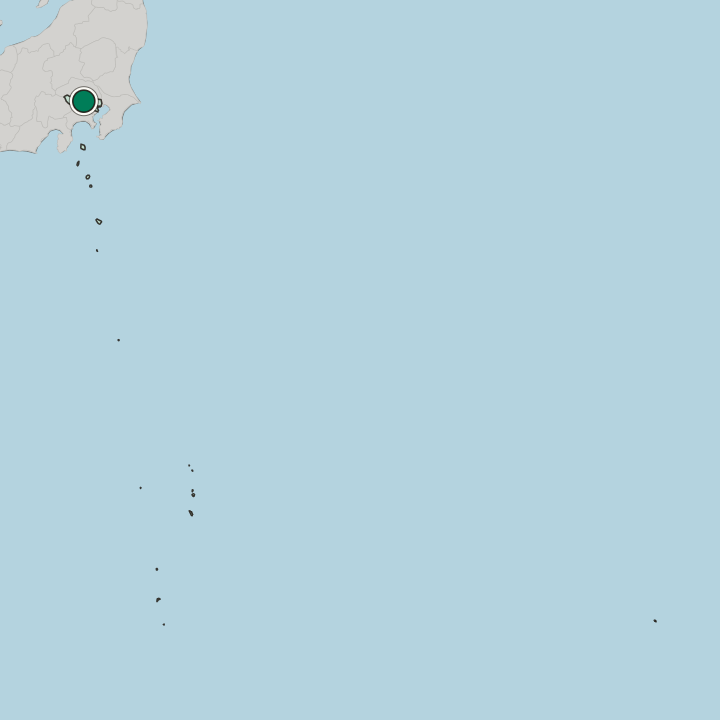
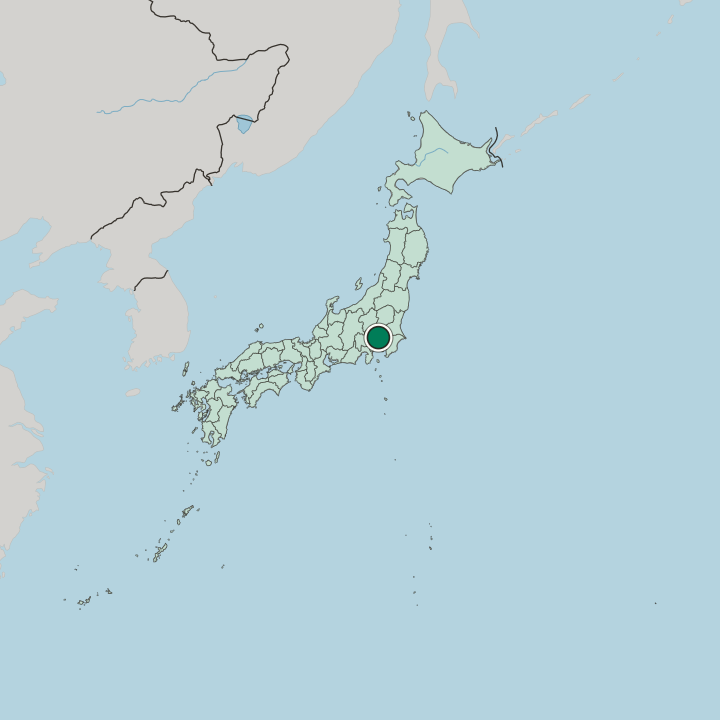
Higashiyamato covers about 13.42 square kilometres. That is a small footprint for a city, and the built streets run more or less continuously into the surrounding suburbs of the western Tokyo Metropolis rather than stopping at any natural edge. Green ground is borrowed.
Seibu-en, Tama Zoological Park and Kyōdo-no-Mori supply the open space, and the whole sits in the temperate band of the northern hemisphere.
What is the climate of Higashiyamato?
Four seasons order the year. Higashiyamato lies in the temperate band of the northern hemisphere, which puts its warmth in the middle months and its cold at either end of the calendar, the same rhythm the whole western Tokyo Metropolis keeps. Indoor collections absorb the worst weather.
Seibu-en, Tama Zoological Park and Kyōdo-no-Mori reward the mild stretches, while the Tamarokuto Science Center and the Tokyo Fuji Art Museum take the rest.
How do you get to Higashiyamato?
Approaches run westward out of central Tokyo. Higashiyamato sits well inside the Tokyo Metropolis, so the journey is a suburban one rather than a trip into open country, and most visitors arrive already headed for one of the museums rather than for the city itself. Arena Tachikawa Tachihi draws crowds.
Keio Rail-Land, the Tokorozawa Aviation Museum and the JRA Racing Museum sit along the same western spread, and a day can take in two or three of them.
Common questions
What is the best area to stay in Higashiyamato?
Seibu-en side: unhurried stays with Seibu-en and Tama Zoological Park in reach. Tamarokuto Science Center approach: families working through the Tamarokuto Science Center and the National Institute of Polar Research. Arena Tachikawa Tachihi run: event nights at Arena Tachikawa Tachihi.
Good for
More cities in Tokyo Prefecture
Updated October 2026