Japan · Tokyo Prefecture
Where to Stay in Inagi, Tokyo Prefecture
Yomiuriland fills a whole day. Inagi is a suburban city of the Tokyo Metropolis, with PokéPark Kanto and TOKYO GIANTS TOWN on the same list.
Hotel links are affiliate links: booking through them may earn us a commission, at no extra cost to you. It never affects how places are ranked. How this works


Where to stay in Inagi
The practical side of choosing where to sleep.
Yomiuriland sets the terms. A room chosen for it makes sense of a trip in a way that a central bed in Inagi does not, because a full day there leaves little appetite for a long return. PokéPark Kanto belongs to the same calculation.
Families booking both will spend less time moving than families who treat Inagi as a base for the wider Tokyo Metropolis. Sport pulls in another direction entirely. TOKYO GIANTS TOWN and Keio Arena Tokyo fill their own days, and a bed near either is worth more on the night of a fixture than any general advantage of being central.
The JRA Racing Museum is smaller. Kyōdo-no-Mori and the Chōfu Local History Museum belong to the quieter half of a stay, the half that fills the morning before the main event. The oldest ground gets least attention.
Omaru archaeological site records occupation here long before Inagi Village took the municipal system in 1889, and a room on that side of Inagi trades the crowds for the archaeology. The Former Tama Seiseki Memorial Hall, the Masayoshi Nakamura Museum and the Inagi City Local Archives Reference Room fill the same quiet register. Nothing about that side is loud.
Find hotels in Inagi
Direct booking searches for these neighbourhoods.
Beside Yomiuriland
Yomiuriland, with Bandit and White Canyon on the same list, takes a whole day and leaves nothing in reserve for a long return. Beds are limited here, so book early.Find hotels in Beside Yomiurilandyounger children ahead of the bigger ridesAround PokéPark Kanto
PokéPark Kanto works the same appetite as Yomiuriland at a scale that suits smaller visitors. Few places to stay nearby — book ahead.Find hotels in Around PokéPark Kantonights built around a fixtureNear TOKYO GIANTS TOWN
TOKYO GIANTS TOWN and Keio Arena Tokyo empty at once, which makes the nearest bed in Inagi the valuable one. Few places to stay nearby — book ahead.Find hotels in Near TOKYO GIANTS TOWNmornings that stay quiet before the crowds gatherBy Kyōdo-no-Mori
Kyōdo-no-Mori and the Chōfu Local History Museum sit outside the amusement half of Inagi entirely. Rooms are few around here — worth securing early.Find hotels in By Kyōdo-no-Moriarchaeology rather than amusementThe Omaru archaeological site side
Omaru archaeological site is the archaeological entry on a landmark list otherwise given over to rides and arenas. Few places to stay nearby — book ahead.Find hotels in The Omaru archaeological site sideHotel links are affiliate links: booking through them may earn us a commission, at no extra cost to you. It never affects how places are ranked. How this works
Things to do in Inagi
Ranked by global recognition; descriptions from Wikidata (CC0).
Museums & Galleries
1- Former Tama Seiseki Memorial Hall
Castles & Historic Sites
1- 大丸遺跡 (稲城市)
Stadiums & Sports
2- TOKYO GIANTS TOWN
- 日本大学稲城キャンパスサッカー場
Parks & Gardens
1- Yomiuriland
worth knowingacross 4 categories in Inagi
About Inagi
Amusement is the local industry.
What is Inagi known for?
Yomiuriland anchors it, with Bandit, White Canyon and Twist Coaster Robin named beside it, and PokéPark Kanto working the same ground for a younger audience. Spectator sport claims what is left. TOKYO GIANTS TOWN and Keio Arena Tokyo bring crowds that have nothing to do with the JRA Racing Museum, which keeps a narrower record of the same appetite.
What are the main landmarks in Inagi?
Fifteen entries, and most of them sell tickets. Yomiuriland heads the list, with Bandit, White Canyon and Twist Coaster Robin beside it and PokéPark Kanto on the same page. Then the arenas.
TOKYO GIANTS TOWN, Keio Arena Tokyo and Nihon University Inagi Campus Soccer Field cover the sporting half, while Kyōdo-no-Mori, the JRA Racing Museum, the Masayoshi Nakamura Museum and the Former Tama Seiseki Memorial Hall keep the other.
What is the history of Inagi?
Omaru archaeological site is the oldest thing here. The site records people on this ground long before any village name attached to it, and it is the only entry on the landmark list of Inagi that predates the written record entirely. Inagi Village came next.
The village took the municipal system in 1889 and grew into a suburban city of eighteen square kilometres, keeping the older name on the record while the ground around it filled in. Kyōdo-no-Mori appears on the same list without a date attached. The recent record is kept in small rooms.
The Inagi City Local Archives Reference Room holds the municipal paperwork, the Former Tama Seiseki Memorial Hall and the Masayoshi Nakamura Museum each preserve something narrower, and the Chōfu Local History Museum carries a neighbouring name on the same list. Then came the rides. Yomiuriland, Bandit, White Canyon and Twist Coaster Robin belong to a later layer entirely, and PokéPark Kanto, TOKYO GIANTS TOWN and Keio Arena Tokyo extended the same logic until the crowds became the thing Inagi is recognised for.
The JRA Racing Museum sits between the two halves, a collection about a sport rather than a sport itself.
Where is Inagi?
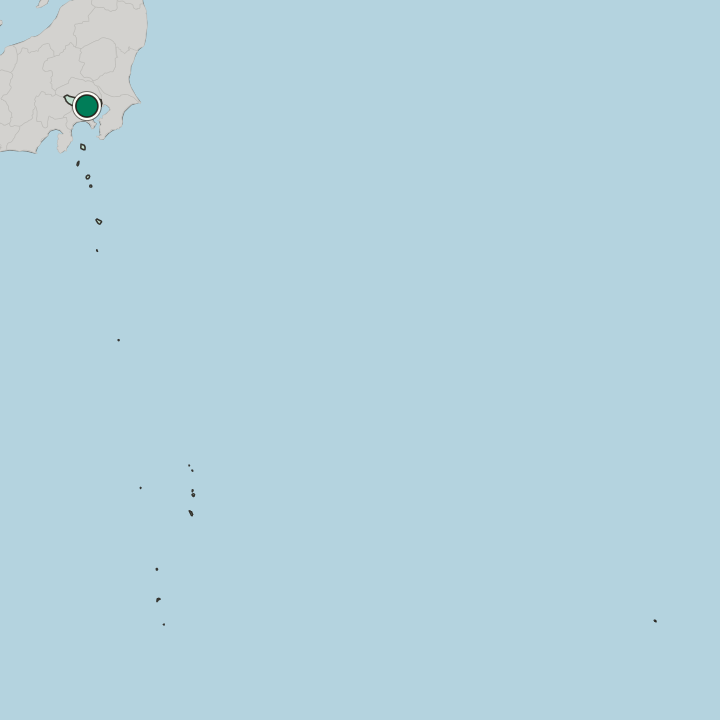
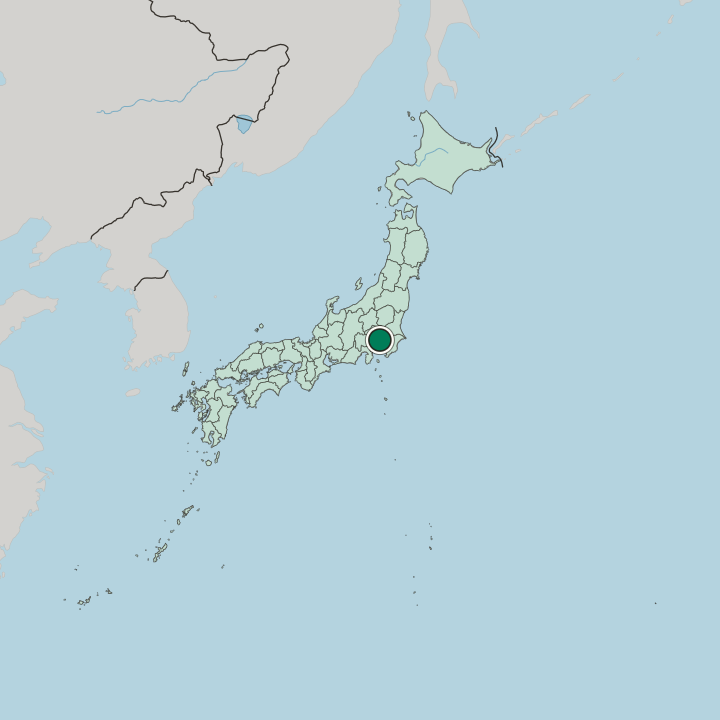
Eighteen square kilometres, suburban throughout. Inagi occupies part of the western portion of the Tokyo Metropolis, and what fills that ground is unusual for the size of it: Yomiuriland, TOKYO GIANTS TOWN, Keio Arena Tokyo and Omaru archaeological site all sit inside one municipal boundary. The mix, not the terrain, is the geography here.
What is the climate of Inagi?
Almost everything here is open to the sky. Yomiuriland and the names listed with it, Bandit and Twist Coaster Robin among them, belong outdoors, so the temperate northern year Inagi shares with the rest of the Tokyo Metropolis governs the whole visit rather than one afternoon of it. Indoors is a short list.
The Inagi City Local Archives Reference Room and the Masayoshi Nakamura Museum are what remains when the weather takes the rest away.
How do you get to Inagi?
Everything here arrives for one reason. Inagi sits inside the Tokyo Metropolis, so the journey is a local one, but the volume changes completely on the days TOKYO GIANTS TOWN or Keio Arena Tokyo has something on. Yomiuriland works the same way.
The city itself is small enough to cross in the gaps between those surges, which is the argument for arriving ahead of a crowd rather than with it.
Common questions
What is the best area to stay in Inagi?
Beside Yomiuriland: a full day at Yomiuriland without the ride home. Around PokéPark Kanto: younger children ahead of the bigger rides. Near TOKYO GIANTS TOWN: nights built around a fixture. By Kyōdo-no-Mori: mornings that stay quiet before the crowds gather. The Omaru archaeological site side: archaeology rather than amusement.
Good for
More cities in Tokyo Prefecture
Updated October 2026