Japan · Tokyo Prefecture
Where to Stay in Koganei, Tokyo Prefecture
A museum of rescued buildings. The Edo-Tokyo Open Air Architectural Museum belongs to Koganei, a small city of the Tokyo Metropolis.
Hotel links are affiliate links: booking through them may earn us a commission, at no extra cost to you. It never affects how places are ranked. How this works


Where to stay in Koganei
Each area has its own feel; here's who each one suits.
 KoganeiJapan
Nakacho
Nakacho, written Nakachō, is a named quarter of Koganei, one of the municipalities of Tokyo Prefecture in Japan.Where to stay →KoganeiJapanHigashichō
Higashichō is a district of Koganei holding the Hachirō Yuasa Memorial Museum and the Middle Eastern Culture Center in Japan.Where to stay →Hotel links are affiliate links: booking through them may earn us a commission, at no extra cost to you. It never affects how places are ranked. How this works
Find hotels in Koganei
Direct booking searches for these neighbourhoods.
Beside the Edo-Tokyo Open Air Architectural Museum
The Edo-Tokyo Open Air Architectural Museum is the only entry in Koganei that fills a morning by itself, and a bed within reach of it saves the return leg.Find hotels in Beside the Edo-Tokyo Open Air Architectural Museumsmall-gallery days built on the Hakenomori Art MuseumHakenomori
The Hakenomori Art Museum anchors this side of Koganei, with the Hachirō Yuasa Memorial Museum on the same short gallery list. Beds are limited here, so book early.Find hotels in Hakenomoriwalkers tracing the Nishinodai Site and the Maehara Site on footThe Nishinodai and Maehara sites
The Nishinodai Site and the Maehara Site are marked excavations rather than attractions, in the plainest residential streets Koganei has. Beds are limited here, so book early.Find hotels in The Nishinodai and Maehara sitescampus collections, starting with the Nature and Science MuseumToward the Tokyo University of Agriculture and Technology
The Nature and Science Museum of the Tokyo University of Agriculture and Technology sets the tone on this side, a teaching collection rather than a civic one. Few places to stay nearby — book ahead.Find hotels in Toward the Tokyo University of Agriculture and TechnologyHotel links are affiliate links: booking through them may earn us a commission, at no extra cost to you. It never affects how places are ranked. How this works
Things to do in Koganei
Ranked by global recognition; descriptions from Wikidata (CC0).
Museums & Galleries
3- Fuchū Art Museum
- Hakenomori Art Museum
- Musashi Kokubunji Temple Remains Museum
Castles & Historic Sites
3- 武蔵野公園低湿地遺跡
- Nogawa-Nakasukita Site
- Nishinodai Site
Landmarks & Notable Places
2- 伊藤家住宅
- House of Koide
worth knowingacross 3 categories in Koganei
About Koganei
Old buildings, moved and rebuilt.
What is Koganei known for?
The Edo-Tokyo Open Air Architectural Museum assembles structures that would otherwise have been lost onto a single site, and the Hakenomori Art Museum supplies a much smaller counterpart nearby. Excavation is the second theme. Six dug sites appear on the city's list, the Nogawa-Nakasukita Site, the Maehara Site, the Nishinodai Site, the Suzuki Site, the Maehara tomb and the Musashino Park Wetland Site, which is a great deal of archaeology for so little ground.
What are the main landmarks in Koganei?
The Edo-Tokyo Open Air Architectural Museum leads. Behind it stand the Hakenomori Art Museum, the Hachirō Yuasa Memorial Museum and the Nature and Science Museum of the Tokyo University of Agriculture and Technology, three small collections of entirely different character. Then the excavations.
The Nogawa-Nakasukita Site, the Maehara Site, the Nishinodai Site, the Suzuki Site, the Maehara tomb and the Musashino Park Wetland Site fill the archaeological half of the list, with the Ito Family Residence preserved above ground.
What is the history of Koganei?
Six dug sites come before anything else. The Nogawa-Nakasukita Site, the Maehara Site, the Nishinodai Site, the Suzuki Site, the Maehara tomb and the Musashino Park Wetland Site record use of this ground long before any authority existed to name it. The municipality is far younger.
Koganei, written Koganei City, was constituted in 1889, and the Tokyo Metropolis reached out to meet it only later. Buildings are the local speciality. The Edo-Tokyo Open Air Architectural Museum exists because structures facing demolition elsewhere were dismantled, moved and reassembled on one site, which is an unusual way for a city to end up holding other people's past as well as its own.
Two dwellings survive where they stand. The Ito Family Residence and the House of Koide are preserved houses rather than collections of objects, and between them they show the domestic scale that the open-air museum reproduces in bulk. Older again is the temple record.
The Musashi Kokubunji Temple Remains Museum keeps what is left of the site that carries the Musashi name into the present. Teaching left its own deposits. The Nature and Science Museum of the Tokyo University of Agriculture and Technology, the Hachirō Yuasa Memorial Museum and the Nippon Veterinary and Life Science University Museum are campus collections rather than civic ones, and finding three of them attached to a city of just over eleven square kilometres says how much of this ground the universities took.
Art arrived last. The Hakenomori Art Museum and, on the wider list, the Fuchū Art Museum and the Kodaira Hirakushi Denchu Art Museum complete a record kept almost entirely in small rooms.
Where is Koganei?
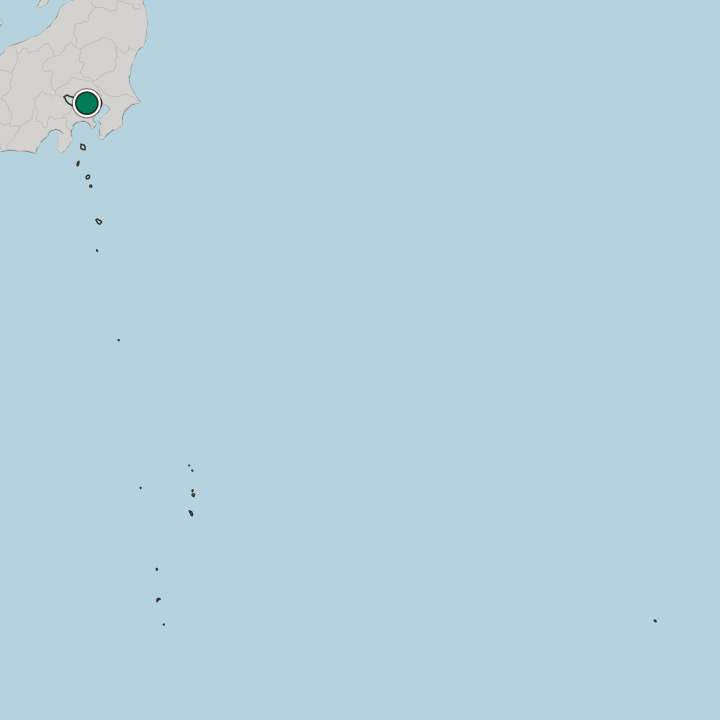
Just over eleven square kilometres. That is the whole of Koganei, a compact city of the Tokyo Metropolis whose named points fall close enough together that the Edo-Tokyo Open Air Architectural Museum and the Hakenomori Art Museum belong to one afternoon. Excavation marks the rest.
The Musashino Park Wetland Site and the Nogawa-Nakasukita Site take two corners of it, the Nishinodai Site and the Maehara Site account for more, and the neighbouring cities carry the Fuchū Art Museum and the JRA Racing Museum.
What is the climate of Koganei?
Temperate, in the band Koganei shares with the rest of the Tokyo Metropolis. Timing matters most at the Edo-Tokyo Open Air Architectural Museum, where the relocated houses are walked between in the open and rain turns the whole visit into a series of short dashes. Indoors is well covered.
The Hakenomori Art Museum, the Hachirō Yuasa Memorial Museum and the Nature and Science Museum of the Tokyo University of Agriculture and Technology take any weather without complaint.
How do you get to Koganei?
Arrival is a run outward from Tokyo. Koganei sits inside the Tokyo Metropolis and shares its transport, so the journey itself is short and unremarkable and the interesting part begins on foot at the Edo-Tokyo Open Air Architectural Museum. Internal distances are tiny.
Eleven square kilometres put the Hakenomori Art Museum, the Nishinodai Site and the Maehara Site inside an easy circuit once anyone has arrived.
Common questions
What is the best area to stay in Koganei?
Beside the Edo-Tokyo Open Air Architectural Museum: a half day among the relocated houses of the open-air museum. Hakenomori: small-gallery days built on the Hakenomori Art Museum. The Nishinodai and Maehara sites: walkers tracing the Nishinodai Site and the Maehara Site on foot. Toward the Tokyo University of Agriculture and Technology: campus collections, starting with the Nature and Science Museum.
Good for
More cities in Tokyo Prefecture
Updated October 2026