Japan · Tokyo Prefecture
Where to Stay in Kokubunji, Tokyo Prefecture
Kokubunji is a city in the western portion of the Tokyo Metropolis, formed in 1889 as Kokubunji Village and known for the Musashi Kokubunji Temple remains.
Hotel links are affiliate links: booking through them may earn us a commission, at no extra cost to you. It never affects how places are ranked. How this works


Where to stay in Kokubunji
The right area depends on your trip — here's what each neighbourhood is best for.
 KokubunjiJapan
Izumicho
Izumicho is a district of Kokubunji, one of the municipalities of Tokyo Prefecture in Japan.Where to stay →KokubunjiJapanMinamicho
Tonogayato Garden gives Minamicho its one listed name, a Kokubunji district marked out by a garden rather than by a street.Where to stay →Hotel links are affiliate links: booking through them may earn us a commission, at no extra cost to you. It never affects how places are ranked. How this works
Find hotels in Kokubunji
Direct booking searches for these neighbourhoods.
Musashi Kokubunji Temple grounds
The temple ground that shares its name with Kokubunji, and the one part of the city with a draw entirely of its own. Lodging is scarce in this area; reserve in advance.Find hotels in Musashi Kokubunji Temple groundswalkers linking the Suzuki Site with MaeharaSuzuki Site streets
Ordinary Kokubunji streets around the Suzuki Site, chosen for the walk to the recorded ground rather than for anything on the street itself. Lodging is scarce in this area; reserve in advance.Find hotels in Suzuki Site streetsa stay pairing the Kodaira Hirakushi Denchu Art Museum with the temple remainsToward the Kodaira Hirakushi Denchu Art Museum
The art end of a short Kokubunji circuit, where the Kodaira Hirakushi Denchu Art Museum is the only collection of its kind at hand.Find hotels in Toward the Kodaira Hirakushi Denchu Art MuseumHotel links are affiliate links: booking through them may earn us a commission, at no extra cost to you. It never affects how places are ranked. How this works
About Kokubunji
Archaeology carries this city.
What is Kokubunji known for?
The Musashi Kokubunji Temple Remains Museum keeps what survives of the temple ground that shares its name with the city, and the Suzuki Site, Musashidai East Site and Maehara are named on the ground around it. Three named sites, plus the museum. The Kodaira Hirakushi Denchu Art Museum supplies the only art collection within easy reach, which leaves the older ground doing most of the work for visitors.
What are the main landmarks in Kokubunji?
The Musashi Kokubunji Temple Remains Museum tops the list. What it holds comes from the temple ground that shares the city's name, and the Suzuki Site, Musashidai East Site and Maehara account for most of the rest of what Kokubunji puts on show. Kokubunji shows little else.
The Kodaira Hirakushi Denchu Art Museum is the only collection within reach that is not about the ground underfoot, which makes it the natural second stop of a day spent in the western Tokyo Metropolis.
What is the history of Kokubunji?
The municipal record begins in 1889. Kokubunji was constituted as Kokubunji Village in that year, and the village form survives as the official name even though the place has long since been a city of the Tokyo Metropolis. Far older ground lies underneath.
The Musashi Kokubunji Temple Remains Museum exists because the temple site it takes its name from was worth preserving and worth explaining, and the city carries that name too. Three named sites back that up. Musashidai East Site, Maehara and the Suzuki Site are each recorded separately, which is a dense record for a municipality of about eleven and a half square kilometres.
Excavation, not architecture, is what fills the local account. Nothing standing in Kokubunji competes with what has been dug out of it, and the museum on the temple ground is where the two threads are brought together for a visitor. Tokyo Prefecture is the administrative parent.
Kokubunji's later history is the ordinary one of a village absorbed into the built-up western portion of the Tokyo Metropolis, with its village name kept as the official form. The Kodaira Hirakushi Denchu Art Museum belongs to a newer layer. What the city keeps of the earlier one is underground.
Where is Kokubunji?
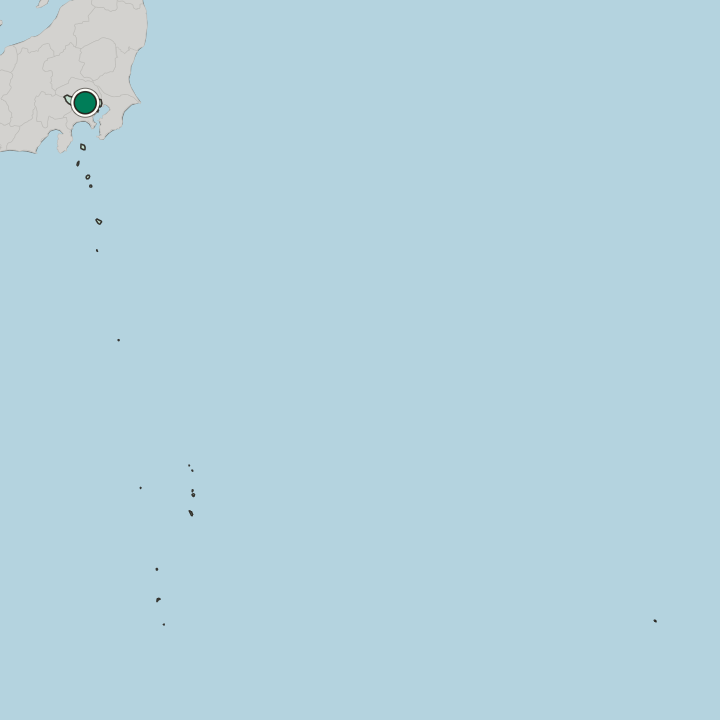
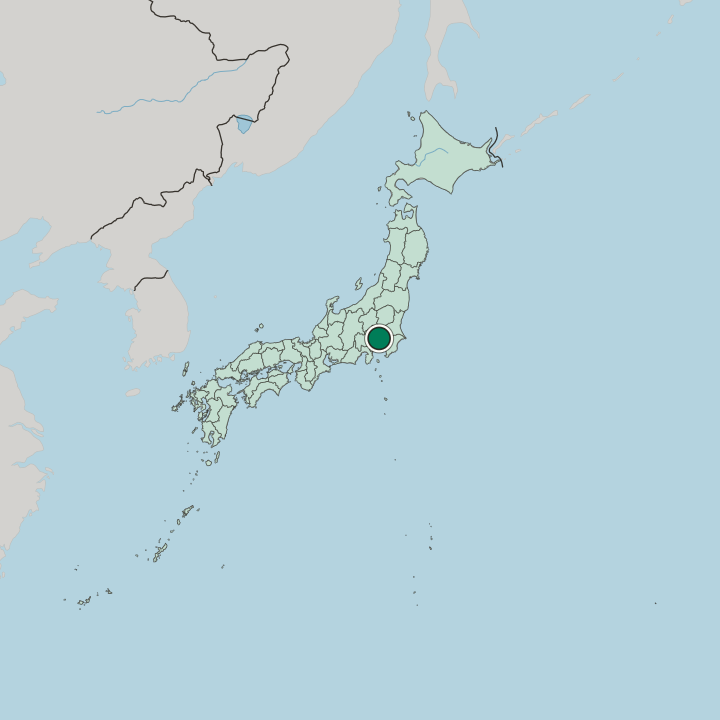
Kokubunji covers 11.46 square kilometres. That is small even by the standards of the western portion of the Tokyo Metropolis, where municipalities of this size sit shoulder to shoulder with no open country between them. The interest is below ground.
Maehara, the Suzuki Site and Musashidai East Site mark places recorded within that small compass, and the Musashi Kokubunji Temple Remains Museum gathers the account of them.
What is the climate of Kokubunji?
The seasons are the metropolis's own. Being a temperate place in the northern hemisphere, Kokubunji takes its warmth in the middle months of the calendar and its cold at either end, on the same schedule as the rest of the western portion of the Tokyo Metropolis. Open-air sites reward the mild weeks.
The Suzuki Site and Maehara are outdoor ground, while the Musashi Kokubunji Temple Remains Museum and the Kodaira Hirakushi Denchu Art Museum carry a wet or freezing day without trouble.
How do you get to Kokubunji?
A stop, not a destination. Kokubunji sits inside the built-up western portion of the Tokyo Metropolis, which puts it within an ordinary suburban ride of the centre and of every municipality around it. Most arrivals come by train.
The Musashi Kokubunji Temple Remains Museum and the three named sites sit close enough together that a day takes in all four on foot and by short ride.
Common questions
What is the best area to stay in Kokubunji?
Musashi Kokubunji Temple grounds: mornings at the Musashi Kokubunji Temple Remains Museum. Suzuki Site streets: walkers linking the Suzuki Site with Maehara. Toward the Kodaira Hirakushi Denchu Art Museum: a stay pairing the Kodaira Hirakushi Denchu Art Museum with the temple remains.
Good for
More cities in Tokyo Prefecture
Updated October 2026