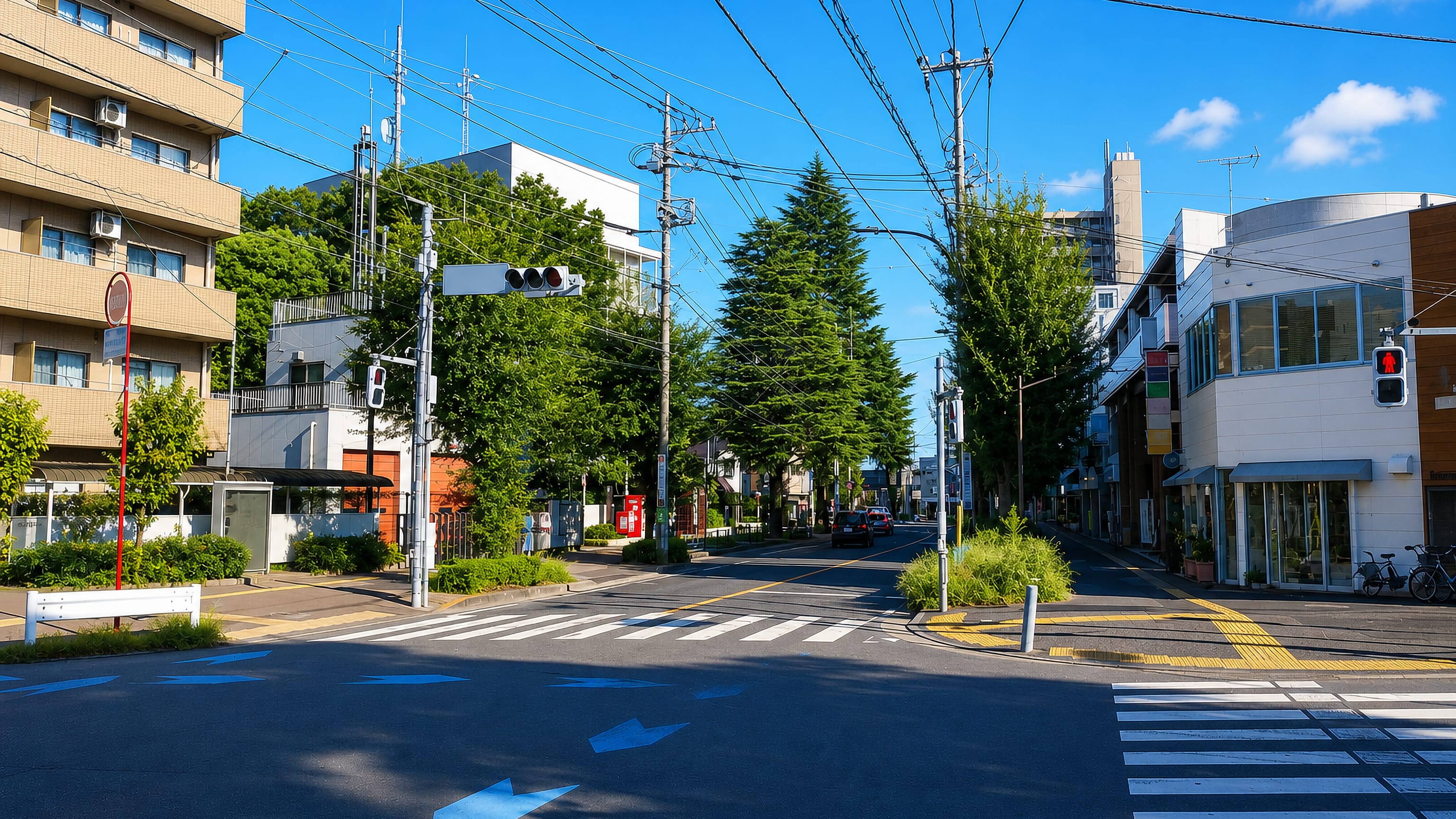
Japan · Tokyo Prefecture
Where to Stay in Komae, Tokyo Prefecture
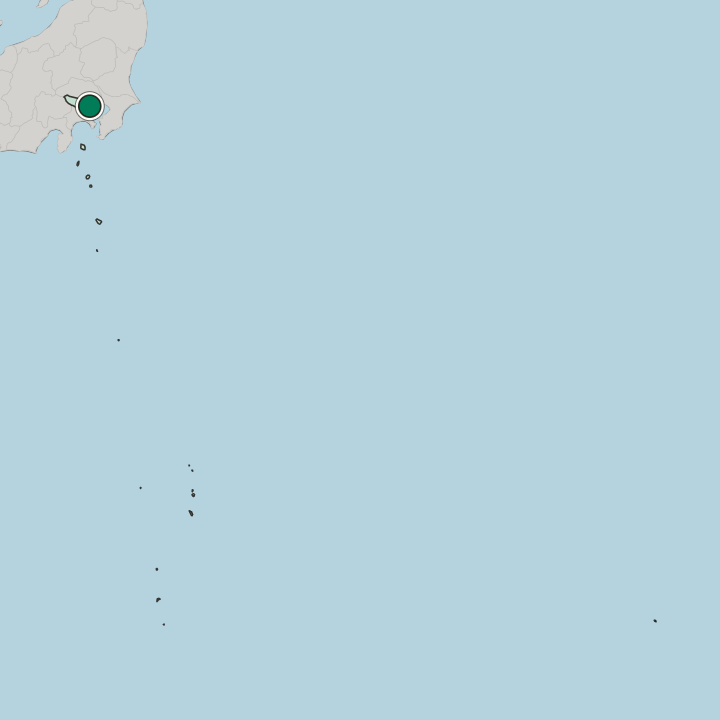
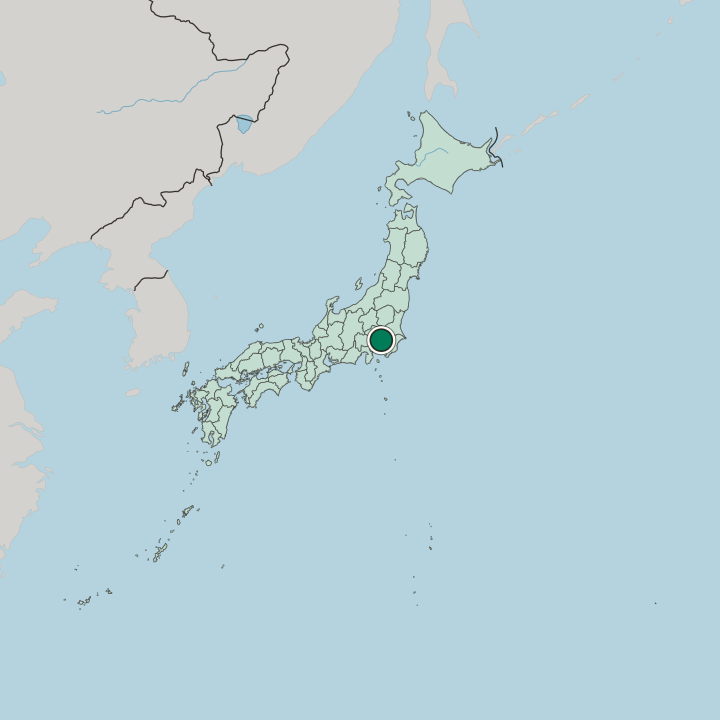
Tokyo's smallest city by area. Komae holds just under six and a half square kilometres inside the Tama Area of the Tokyo Metropolis.
Hotel links are affiliate links: booking through them may earn us a commission, at no extra cost to you. It never affects how places are ranked. How this works


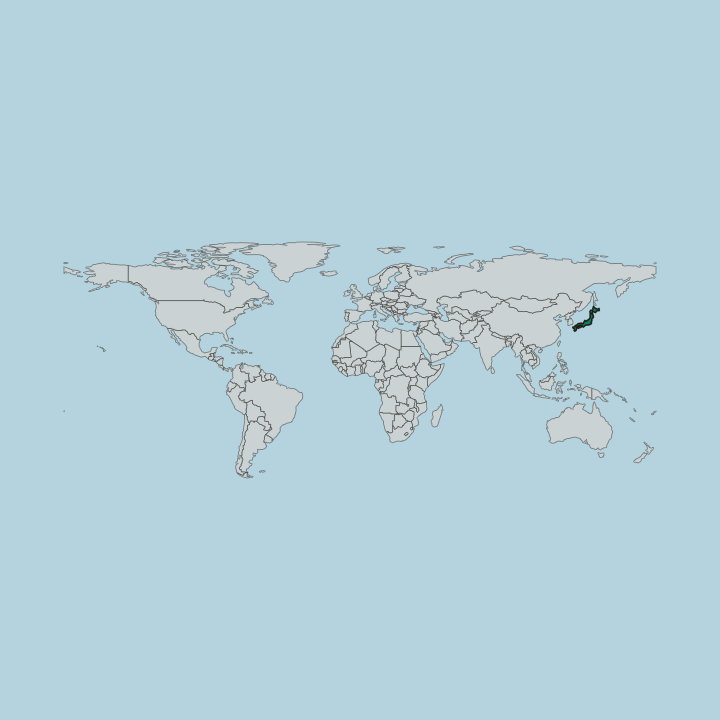
Where to stay in Komae
How the choice of base plays out on the ground.
Six and a half square kilometres change the calculation. Komae can be crossed in an afternoon, so the question is never which quarter to choose but whether the city is the right base at all for a run through the Tama Area. Often it is.
A stay here trades the middle of the Tokyo Metropolis for quiet, and the Muikara Minka-en is exactly the sort of low-key draw that a short stop suits. The neighbours carry the museums. The Setagaya Art Museum stands on one side and the Chōfu City Mushanokōji Saneatsu Memorial Museum on another, while the Taro Okamoto Museum of Art, the Fujiko·F·Fujio Museum and the Nihon Minka-en all appear on the same regional list.
That list decides the itinerary. Anyone booking in Komae should treat the city as a fixed point with several strong days out rather than as a place with a full programme of its own. One entry is unusual enough to plan around.
The Defunct Imperial Japanese Army Noborito Laboratory Museum for Education in Peace, held by Meiji University, preserves a former army laboratory site and presents it for education in peace, and it sits within the same short reach as everything else here. Beds are limited in number. What exists is small-scale and residential, so anyone who wants a wide choice of hotels books inside the Tokyo Metropolis proper and keeps Komae for the day itself.
Find hotels in Komae
Direct booking searches for these neighbourhoods.
Around the Muikara Minka-en
The Muikara Minka-en is the one entry Komae carries under its own name, and the streets around it are the quietest in a very small city. Few places to stay nearby — book ahead.Find hotels in Around the Muikara Minka-enwalkers who want the Shimofuda Site and the boundary within reachThe Shimofuda Site side
The Shimofuda Site marks the excavated ground of Komae, close enough to the edge that the neighbouring museums start almost at once. Rooms are few around here — worth securing early.Find hotels in The Shimofuda Site sidegallery days beginning at the Setagaya Art MuseumThe Setagaya edge
The Setagaya Art Museum lies just beyond Komae's boundary, and a bed on that side removes the crossing from the start of every day.Find hotels in The Setagaya edgestays pairing the Chōfu City Mushanokōji Saneatsu Memorial Museum with the Fujiko·F·Fujio MuseumToward Chōfu
The Chōfu City Mushanokōji Saneatsu Memorial Museum and the Fujiko·F·Fujio Museum sit off this side of Komae, an easy pairing for one afternoon. Few places to stay nearby — book ahead.Find hotels in Toward ChōfuHotel links are affiliate links: booking through them may earn us a commission, at no extra cost to you. It never affects how places are ranked. How this works
About Komae
Size is the headline.
What is Komae known for?
Komae is the smallest city by area in the whole of the Tokyo Metropolis and second smallest by that measure in the country, a fact that shapes almost everything about how the place works. Two entries are its own. The Muikara Minka-en and the Shimofuda Site are what the city carries under its own name, and nearly everything else on its list belongs to the neighbours.
What are the main landmarks in Komae?
The Muikara Minka-en heads a short list. Beside it the Shimofuda Site records the older ground, and between them those two account for what Komae holds in its own right within six and a half square kilometres. The rest is borrowed.
The Setagaya Art Museum, the Taro Okamoto Museum of Art, the Fujiko·F·Fujio Museum, the Nihon Minka-en and the Chōfu City Mushanokōji Saneatsu Memorial Museum all belong to the ring of places around the city.
What is the history of Komae?
The ground here is older than the name. The Shimofuda Site is the excavated record, evidence that this small stretch of the Tama Area was in use long before any modern boundary was drawn across it. Administration arrived in 1889.
Komae enters the record as Komae Village, one of the units created in that year and among the 30 municipalities that now make up the Tama Area. One monument from the twentieth century is harder than the rest. The Defunct Imperial Japanese Army Noborito Laboratory Museum for Education in Peace, held by Meiji University, preserves the site of a former army laboratory and states its purpose in its own name.
Older architecture is kept as well. The Muikara Minka-en and, on the wider list, the Nihon Minka-en both exist to hold buildings that would otherwise have disappeared, a common answer around the Tokyo Metropolis to a common problem. Art was built next door.
The Setagaya Art Museum, the Taro Okamoto Museum of Art and the Fujiko·F·Fujio Museum all went up in the ring of municipalities around Komae rather than inside it, and the Chōfu City Mushanokōji Saneatsu Memorial Museum carries the name of Mushanokōji Saneatsu on the same list. Komae stayed small throughout. It remains the smallest city by area in the Tokyo Metropolis and the second smallest in the country, which is the plainest explanation for why its own record is short while the record of everything around it is not.
Where is Komae?
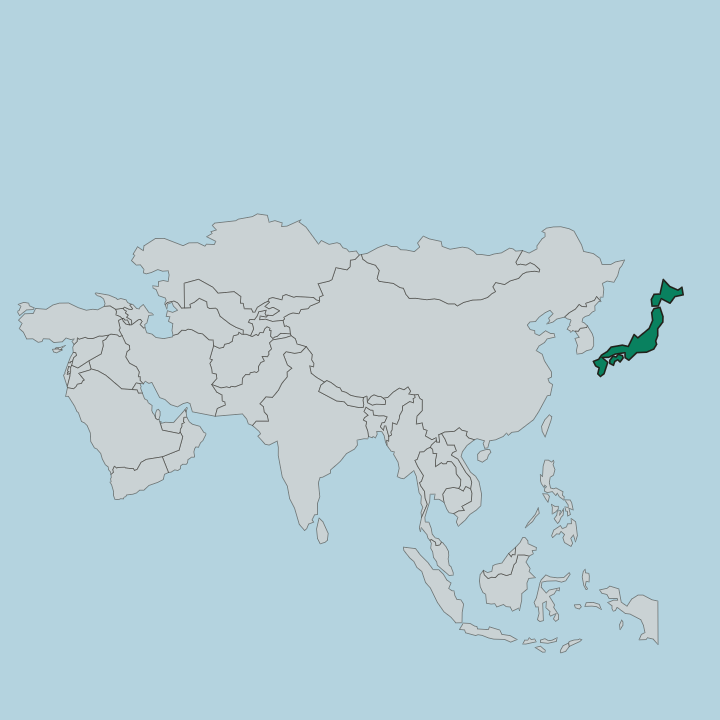
Six and a half square kilometres, and nothing beyond. Komae is the smallest city by area in the Tokyo Metropolis, one of the 30 municipalities that make up the Tama Area, and compact enough that the Muikara Minka-en and the Shimofuda Site fall within one short walk. The neighbours press in everywhere.
The Setagaya Art Museum, the Chōfu City Mushanokōji Saneatsu Memorial Museum and the Nihon Minka-en all lie past the boundary rather than inside it.
What is the climate of Komae?
Weather decides little here. A temperate city of six and a half square kilometres can be crossed between two showers, and the Muikara Minka-en is the single place where a dry hour genuinely improves what a visitor sees. Shelter is next door.
The Setagaya Art Museum, the Taro Okamoto Museum of Art and the Fujiko·F·Fujio Museum will absorb a wet afternoon, without any one of them standing in Komae at all.
How do you get to Komae?
Komae is a short hop out. The city belongs to the Tama Area of the Tokyo Metropolis and shares its network, which makes the approach brief and entirely ordinary rather than a stage of the trip worth planning. Everything shrinks after that.
Six and a half square kilometres put the Muikara Minka-en and the Shimofuda Site within walking distance, and the Setagaya Art Museum is the first thing worth crossing the boundary for.
Common questions
What is the best area to stay in Komae?
Around the Muikara Minka-en: a slow morning at the Muikara Minka-en before the day out. The Shimofuda Site side: walkers who want the Shimofuda Site and the boundary within reach. The Setagaya edge: gallery days beginning at the Setagaya Art Museum. Toward Chōfu: stays pairing the Chōfu City Mushanokōji Saneatsu Memorial Museum with the Fujiko·F·Fujio Museum.
Good for
More cities in Tokyo Prefecture
Updated October 2026