Japan · Tokyo Prefecture
Where to Stay in Ōme, Tokyo Prefecture
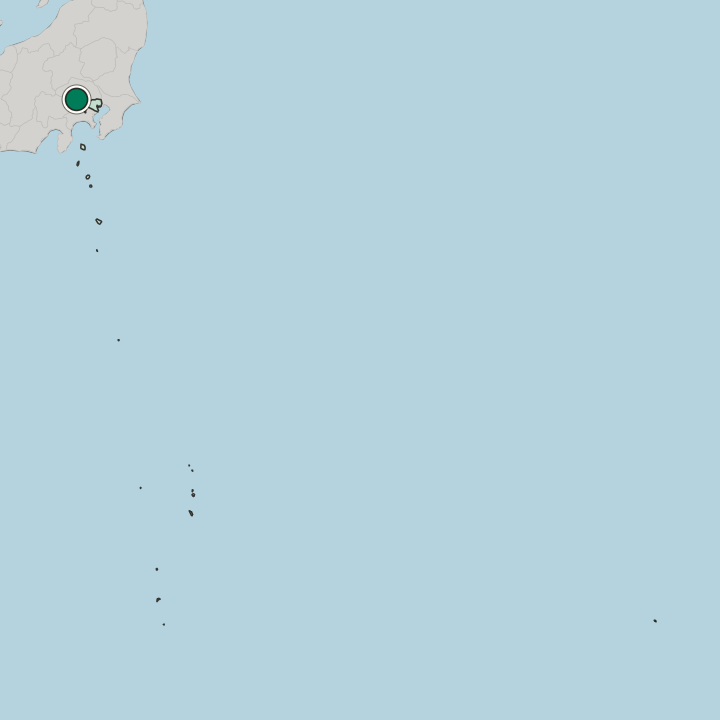
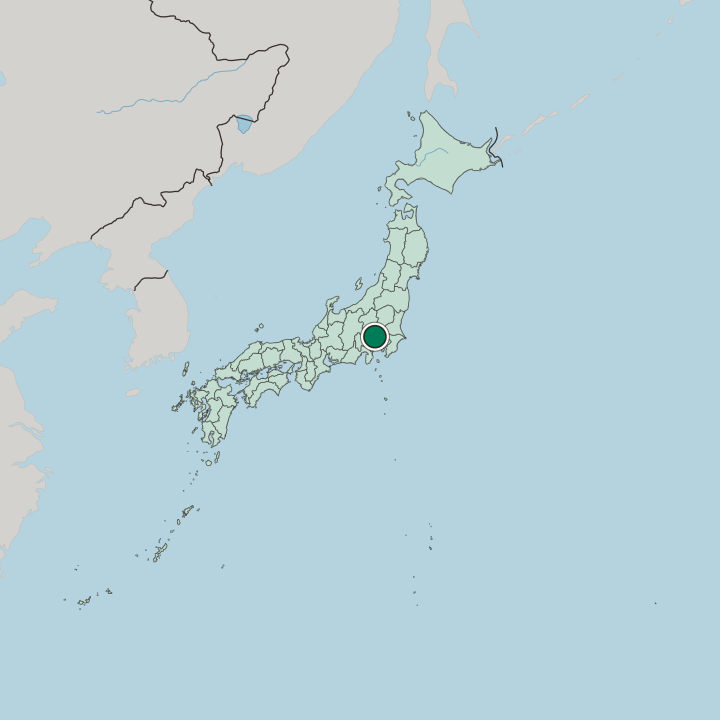
Ōme is a city of the Tokyo Metropolis spread over a hundred square kilometres, holding Musashi Mitake Shrine and a run of small Showa-era museums.
Hotel links are affiliate links: booking through them may earn us a commission, at no extra cost to you. It never affects how places are ranked. How this works


Where to stay in Ōme
How the choice of base plays out on the ground.
Two very different bases exist. Musashi Mitake Shrine draws one kind of stay, set apart from the built-up part of Ōme, and the streets near the Ōme City Provincial History Museum draw the other. The shrine side is quiet.
Anyone here for the shrine, its Aka-ito Odoshi Yoroi, and the Kagami gura will want a bed close to it, because the city runs to a hundred square kilometres and getting back out takes real time. The town side suits museum days. A room among the streets that hold the Showa Retro Packaging Museum, Showa Gentokan, the Ōme Kimono Museum, and the Kushi Kanzashi Museum puts four small collections inside one morning's walk.
Supply is thin either way. Ōme is a low-density city rather than a resort, so beds appear in small numbers and a booking made late leaves little choice between the two sides. Ome Railway Park splits the difference. It sits with the town collections rather than with the shrine, and a family stay built around it and the Gyokudō Art Museum works better from the built-up side than from anywhere further out.
Find hotels in Ōme
Direct booking searches for these neighbourhoods.
The Musashi Mitake Shrine side
The only ground close to the shrine and the tree Mitake no Jindai Keyaki. Rooms are few around here — worth securing early.Find hotels in The Musashi Mitake Shrine sideMuseum days linking Showa Gentokan with the Ōme Kimono MuseumThe Ōme museum streets
Built-up blocks around the Ōme City Provincial History Museum. Lodging is scarce in this area; reserve in advance.Find hotels in The Ōme museum streetsHotel links are affiliate links: booking through them may earn us a commission, at no extra cost to you. It never affects how places are ranked. How this works
About Ōme
Showa nostalgia is the local trade.
What is Ōme known for?
The Showa Retro Packaging Museum and Showa Gentokan both work that seam, and the Ōme Kimono Museum and the Kushi Kanzashi Museum sit alongside them at the same small scale. Trains have their own park. Ome Railway Park keeps that side of the city, while the Gyokudō Art Museum and the Ōme City Provincial History Museum give a visit its art and its local record.
What are the main landmarks in Ōme?
The shrine outranks everything. Musashi Mitake Shrine holds the Aka-ito Odoshi Yoroi and the Kagami gura, and the great tree recorded as Mitake no Jindai Keyaki stands on the same stretch of ground. Museums cluster in the town.
Ome Railway Park, the Gyokudō Art Museum, the Ōme City Provincial History Museum, and the Showa Retro Packaging Museum form the town's own set, and none of them is large.
What is the history of Ōme?
The city of Ōme dates from 1951. That charter gathered a hundred square kilometres of the Tokyo Metropolis under one name, but the ground it covers had been marked long before, most plainly at Musashi Mitake Shrine. The shrine keeps treasures of its own.
The Aka-ito Odoshi Yoroi and the Kagami gura are both recorded at the shrine, two holdings that carry its history in objects rather than in documents, and the tree called Mitake no Jindai Keyaki has stood beside them. Modern decades left a heavier mark. Showa Gentokan and the Showa Retro Packaging Museum both preserve that period deliberately, one under its own name and the other through the everyday goods that passed through ordinary shops.
Craft has its own record. The Ōme Kimono Museum and the Kushi Kanzashi Museum keep two narrow subjects, and between them they say more about domestic life here than the civic dates do. Rail arrived and left its museum.
Ome Railway Park records that side, and the Ōme City Provincial History Museum ties the strands together, while the Gyokudō Art Museum stands slightly apart from the civic story.
Where is Ōme?
Ōme is big and thinly built. A hundred square kilometres of the Tokyo Metropolis fall inside the city limits, far more ground than the dense wards nearer the middle hold, and much of it is not town at all. Seasons here are temperate.
Musashi Mitake Shrine and the tree recorded as Mitake no Jindai Keyaki mark the outer ground, while Ome Railway Park and the Ōme City Provincial History Museum mark the built part.
What is the climate of Ōme?
Weather matters more here. A hundred square kilometres of open ground means a visit to Musashi Mitake Shrine is an outdoor undertaking, unlike the indoor hours spent at the Ōme Kimono Museum or Showa Gentokan. Four seasons run their course.
The temperate position gives warm summers and cold winters, and the outer parts of Ōme are more exposed to both than the built-up streets around Ome Railway Park.
How do you get to Ōme?
Rail runs to the town. Ome Railway Park stands as a reminder of how central the line has been, and arrival for most visitors still means a train into the built-up part of Ōme rather than a drive. The shrine is the harder leg.
Musashi Mitake Shrine lies out in the wider hundred square kilometres of the city, so reaching it is a separate journey from the museum streets, and the two rarely fit into one short day.
Common questions
What is the best area to stay in Ōme?
The Musashi Mitake Shrine side: Walkers and pilgrims heading for the Kagami gura. The Ōme museum streets: Museum days linking Showa Gentokan with the Ōme Kimono Museum.
Good for
More cities in Tokyo Prefecture
Updated October 2026