Japan · Tokyo Prefecture
Where to Stay in Tama, Tokyo Prefecture
Tama is a suburban city of the Tokyo Metropolis where Sanrio Puroland and the Hello Kitty signs at Tama Center draw most of the visitors.
Hotel links are affiliate links: booking through them may earn us a commission, at no extra cost to you. It never affects how places are ranked. How this works


Where to stay in Tama
Where visitors usually base themselves, and why.
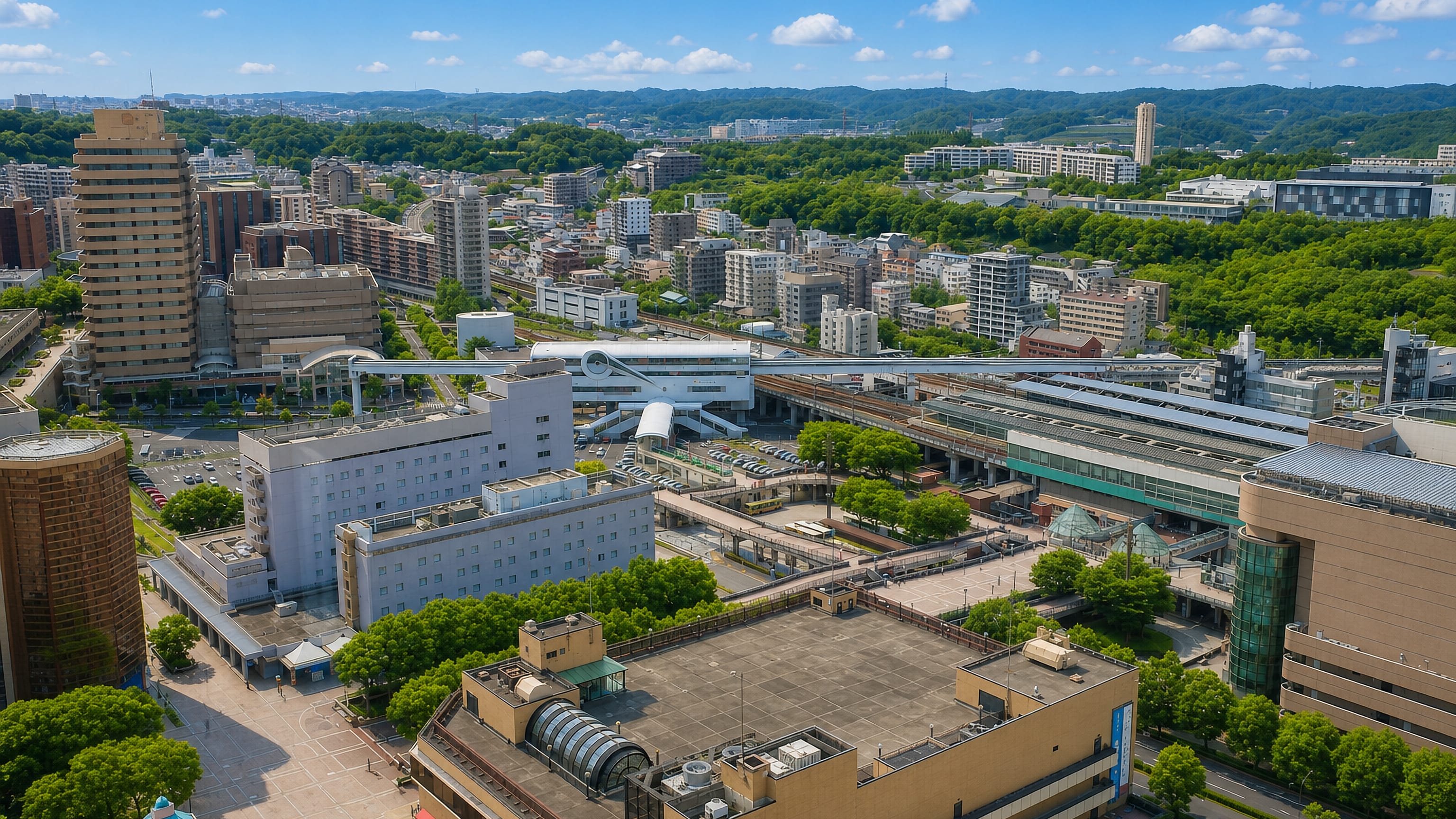
Tama Center decides everything. The station district carries the glowing signs, and it is the practical base for Sanrio Puroland, Keio Rail-Land, and Parthenon Tama, with what few rooms the city holds concentrated within its blocks. Families take that side.
A short walk to the park gates matters more than anything else when the day starts early and ends with a tired child, which is the shape of most stays here. The rest of the city is residential. Away from the station the streets turn to housing, and staying out there suits anyone whose day runs through Kyōdo-no-Mori, the Tokyo Metropolitan Archaeological Center, or the Former Tama Seiseki Memorial Hall rather than through a theme park.
Rooms dwindle past Tama Center. Tama covers twenty-one square kilometres and most of it is lived in rather than visited, so a stay outside the station blocks means depending on rail or a car for everything. The KDDI Museum is another draw entirely.
Anyone pairing it with the Tama Art University Museum will find the two easier from a base away from the crowds at the station, though the trade is a longer walk to dinner.
Find hotels in Tama
Direct booking searches for these neighbourhoods.
Tama Center
The station blocks under the Hello Kitty signs, minutes from Keio Rail-LandFind hotels in Tama CenterVisitors circling Kyōdo-no-Mori and the Tokyo Metropolitan Archaeological CenterThe residential outskirts
Housing streets that sit nearer the KDDI Museum than the theme park. Few places to stay nearby — book ahead.Find hotels in The residential outskirtsHotel links are affiliate links: booking through them may earn us a commission, at no extra cost to you. It never affects how places are ranked. How this works
About Tama
Hello Kitty runs the town.
What is Tama known for?
A glowing sign at Tama Center station announces as much, and Sanrio Puroland is the main draw that brings outside visitors to this suburban stretch of the Tokyo Metropolis. There is more than the cat. Keio Rail-Land, Parthenon Tama, and the Tama Art University Museum give the place three quite different reasons to stop, none of them involving Sanrio.
What are the main landmarks in Tama?
Sanrio Puroland towers over the list. The park built around Sanrio's characters is what the glowing sign at Tama Center announces, and it draws more people than every other collection in the city put together. Trains come second.
Keio Rail-Land, the Tokyo Metropolitan Archaeological Center, and Kyōdo-no-Mori cover railways, excavation, and local heritage, while Parthenon Tama and the Tama Art University Museum handle the arts side.
What is the history of Tama?
Tama began its municipal life as a village. The name Tama-mura dates the municipality to 1889, and the city that grew out of that village kept the old name through every later change. Older layers sit underneath.
The Tokyo Metropolitan Archaeological Center holds the finds from this stretch of ground, which push the record of settlement here back far past any village register or municipal charter. Two institutions carry the local memory. Kyōdo-no-Mori and the Former Tama Seiseki Memorial Hall keep the older material, one as a heritage ground and the other under a name that marks what it once was.
The later city looks nothing like the village. Parthenon Tama, Keio Rail-Land, the KDDI Museum, and Sanrio Puroland all belong to a built-up suburb rather than to the village the name records, and together they mark how completely the ground changed. The village name is the clearest survival.
What else remains is held in collections rather than in streets, which is why the Tokyo Metropolitan Archaeological Center and Kyōdo-no-Mori carry more of the city's past between them than any single standing building in Tama does.
Where is Tama?
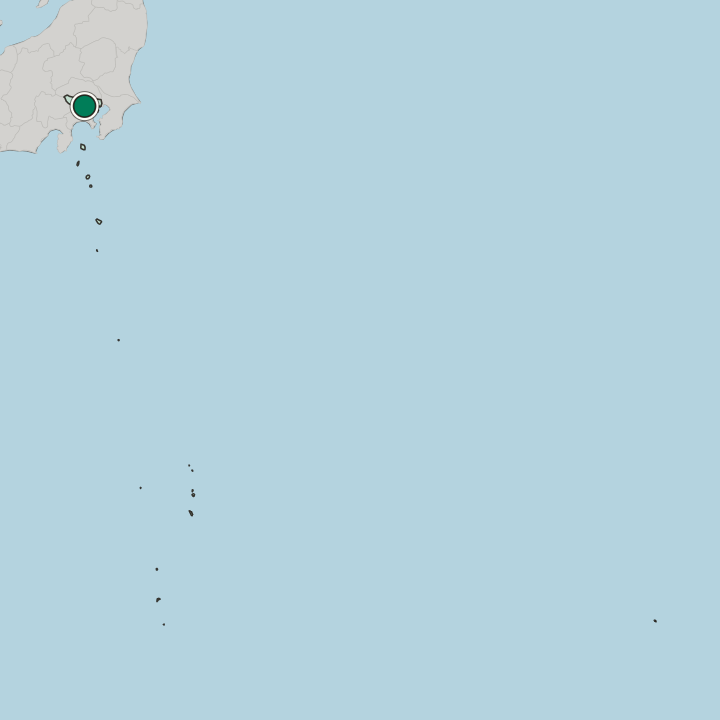
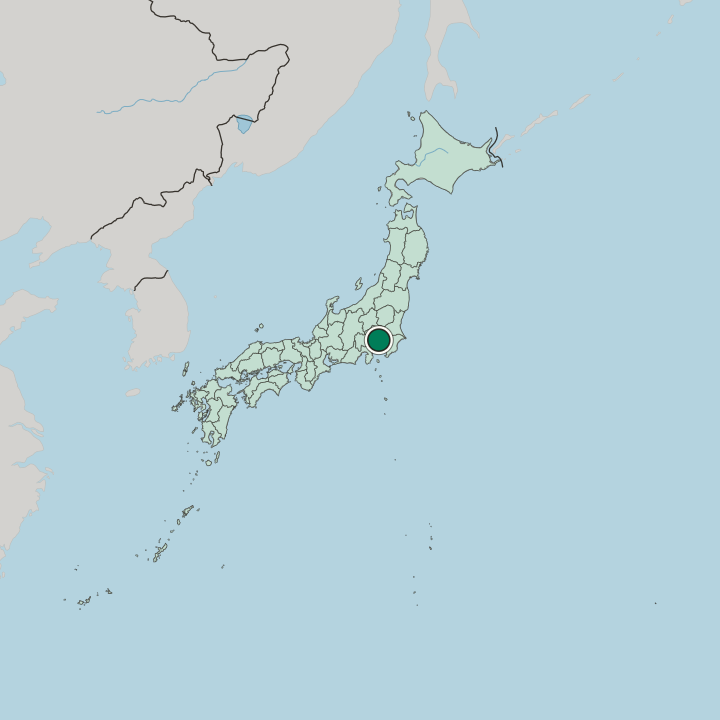
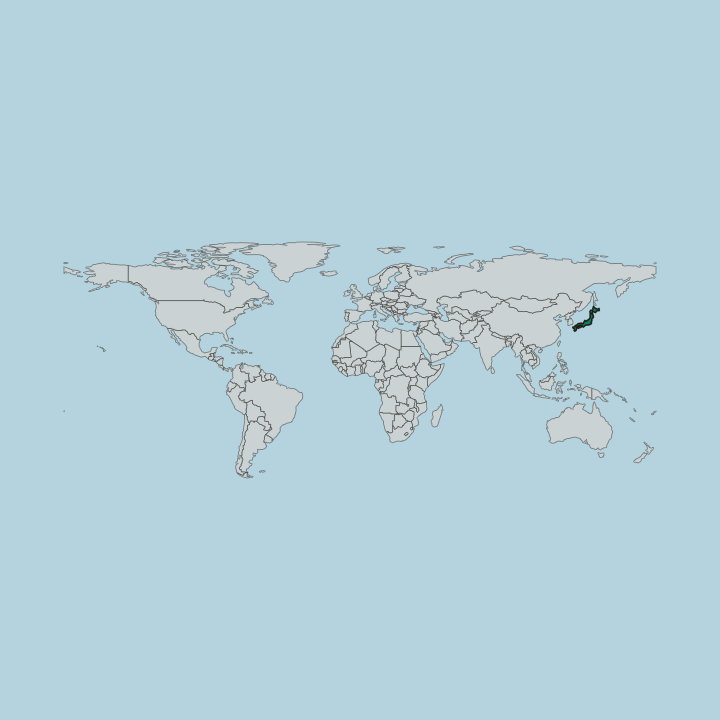
Twenty-one square kilometres of suburb. Tama occupies a stretch of the Tokyo Metropolis well out from the middle, built up almost throughout, with the station district at Tama Center forming the one obvious focus. Its climate belongs to the temperate zone.
A visitor here navigates by Sanrio Puroland, Parthenon Tama, and Keio Rail-Land, because the built plan offers no river bend or ridge line to steer by.
What is the climate of Tama?
Indoor days work in any season. Sanrio Puroland fills whatever the weather does, and that matters in a temperate band where the summer runs warm and the winter runs cold on the open station plazas. Walking between sites is the exposed part.
The stretch from Tama Center out to the Tokyo Metropolitan Archaeological Center or the Former Tama Seiseki Memorial Hall is done on foot or by train, and neither is pleasant in the worst of either season.
How do you get to Tama?
Tama Center is the arrival point. The train station carries the sign that greets visitors, and almost every trip into the city begins by stepping out of it, with Sanrio Puroland the immediate reason for most of them. Rail beats road here.
Keio Rail-Land, Parthenon Tama, and the KDDI Museum all sit within a suburban city of twenty-one square kilometres, close enough that a car saves less time than the connections do.
Common questions
What is the best area to stay in Tama?
Tama Center: Families arriving for a full day at Sanrio Puroland. The residential outskirts: Visitors circling Kyōdo-no-Mori and the Tokyo Metropolitan Archaeological Center.
Good for
More cities in Tokyo Prefecture
Updated September 2026