Morocco
Drâa-Tafilalet, Morocco — Towns & Travel Guide
Drâa-Tafilalet is Morocco's desert region, where the High Atlas drops toward the Sahara through date-palm oases.
Hotel links are affiliate links: booking through them may earn us a commission, at no extra cost to you. It never affects how places are ranked. How this works


Towns & cities in Drâa-Tafilalet
Pick a town or city — each links to where to stay.

 Morocco
Errachidia
Errachidia, formerly Ksar es-Souk, is the capital of the Drâa-Tafilalet region of Morocco and the seat of Errachidia Province.Where to stay →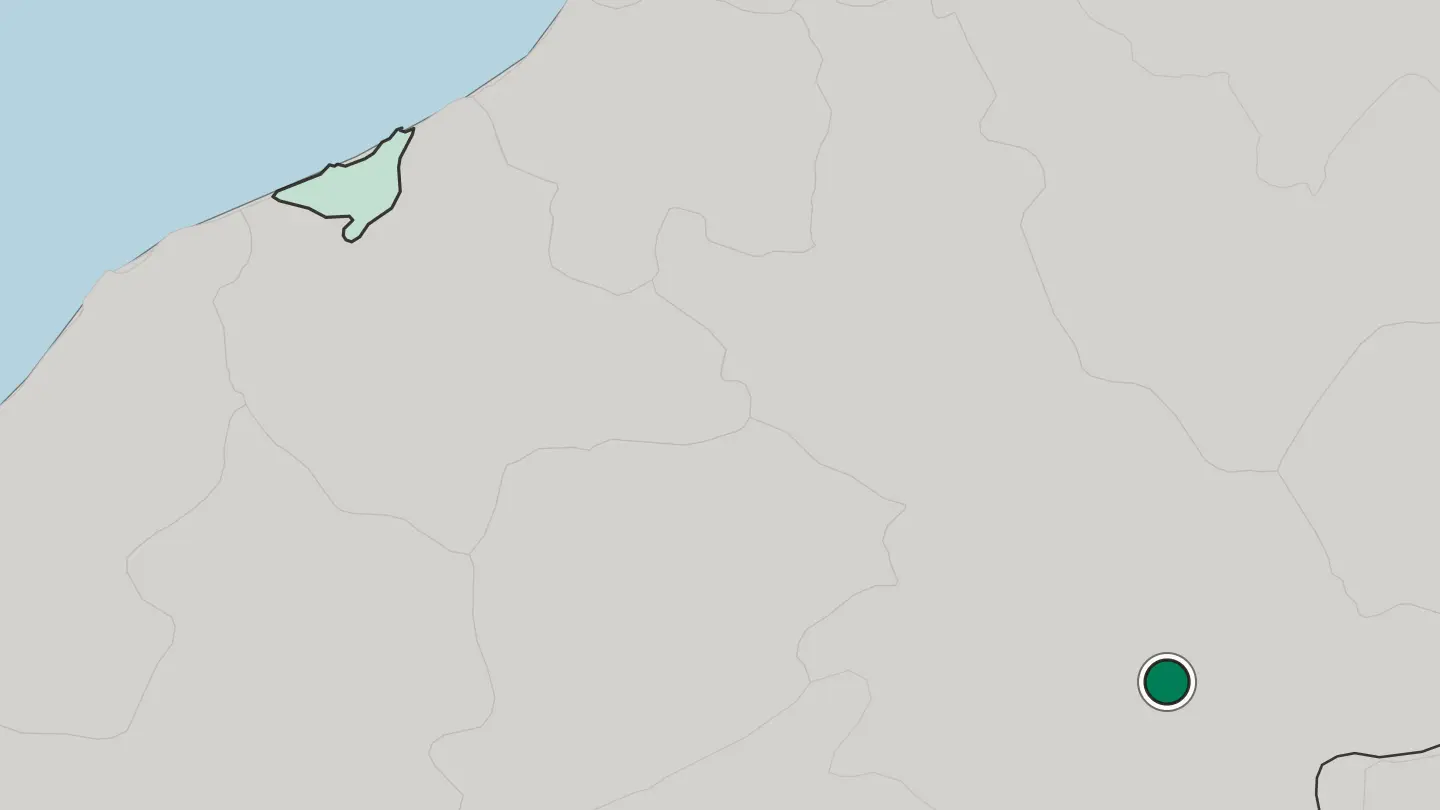
 Morocco
Ouarzazate
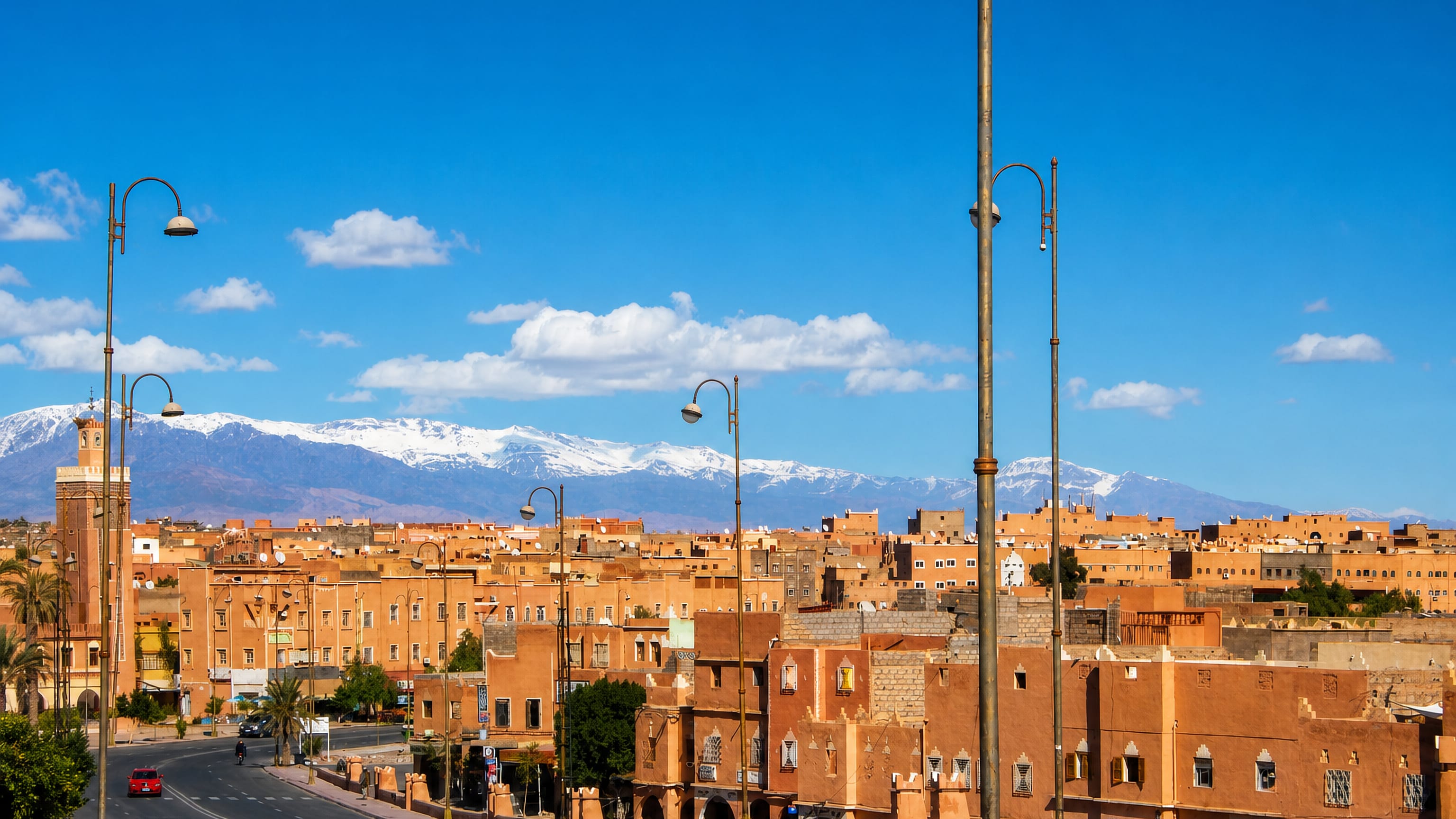
Ouarzazate is the door of the desert in southern Morocco, a mud-brick town of kasbahs where the Atlas mountains meet the Sahara.Where to stay →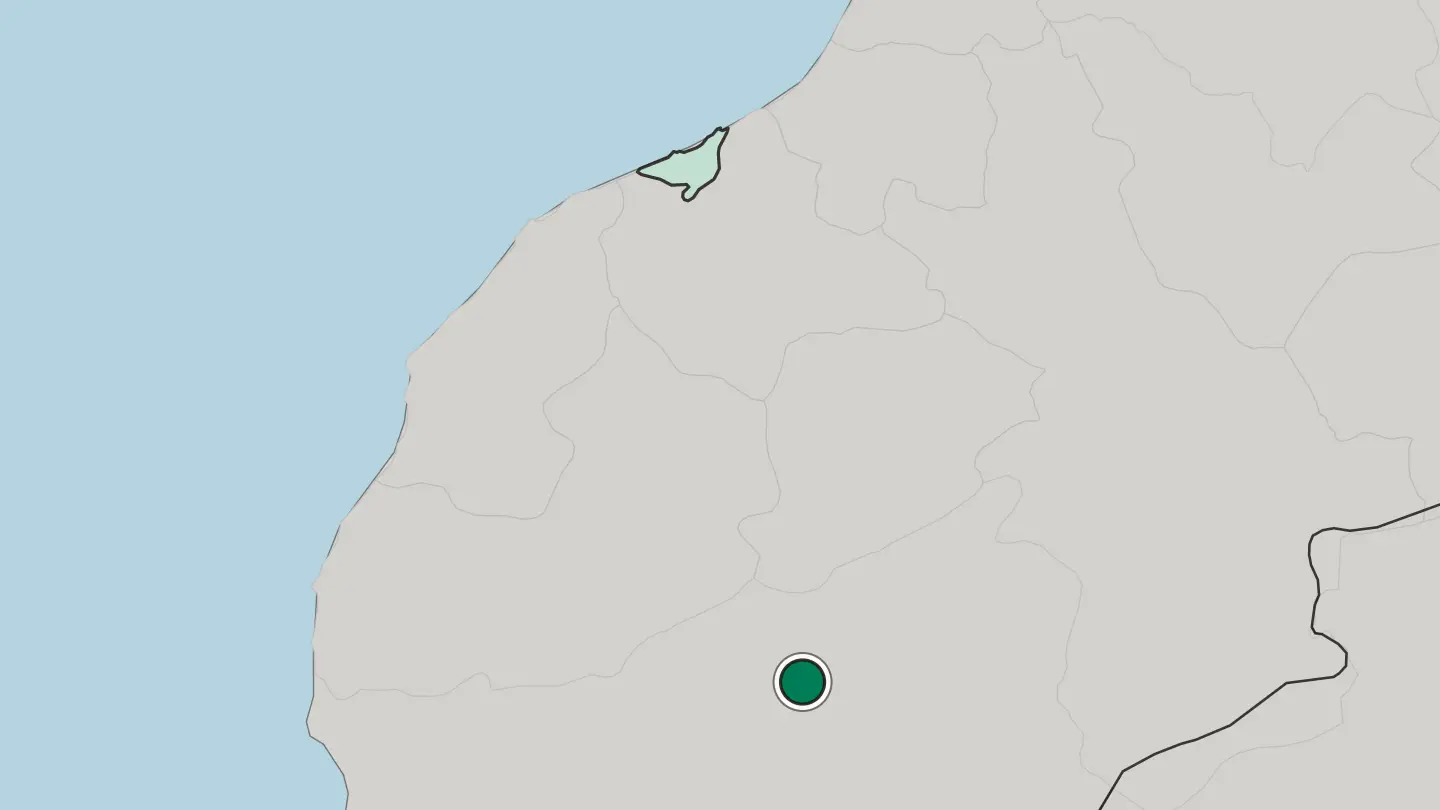
Hotel links are affiliate links: booking through them may earn us a commission, at no extra cost to you. It never affects how places are ranked. How this works
About Drâa-Tafilalet
This is the Morocco of the dunes.
What is Drâa-Tafilalet known for?
The dunes of Erg Chebbi, rising above Merzouga, are the image most travellers carry home. Ouarzazate anchors the western side, and its Atlas film studios have stood in for the whole ancient world on screen. Between the two spread the palm-groves of the Tafilalt and the earthen ksour of Aït Benhaddou, guarding old caravan roads.
The Todgha Gorge cuts a slot through limestone cliffs nearby.
Where is Drâa-Tafilalet?
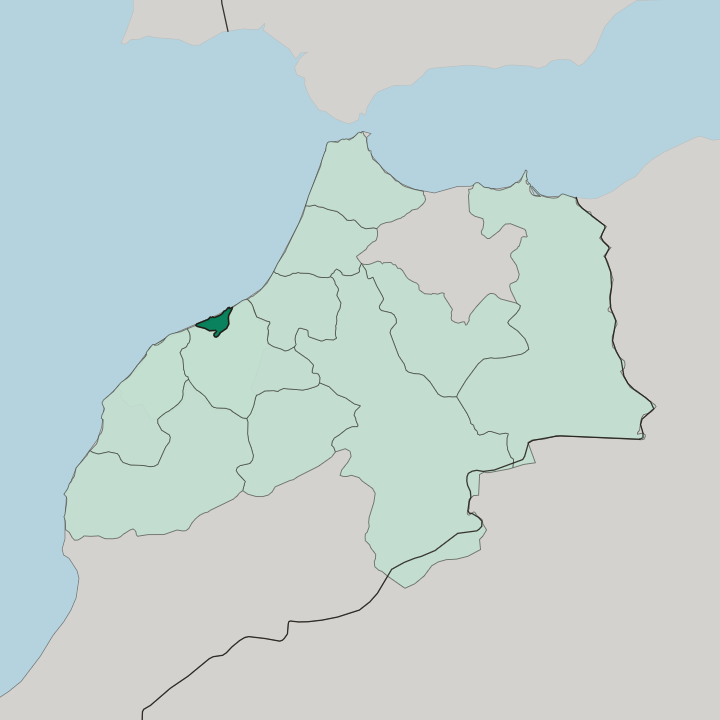
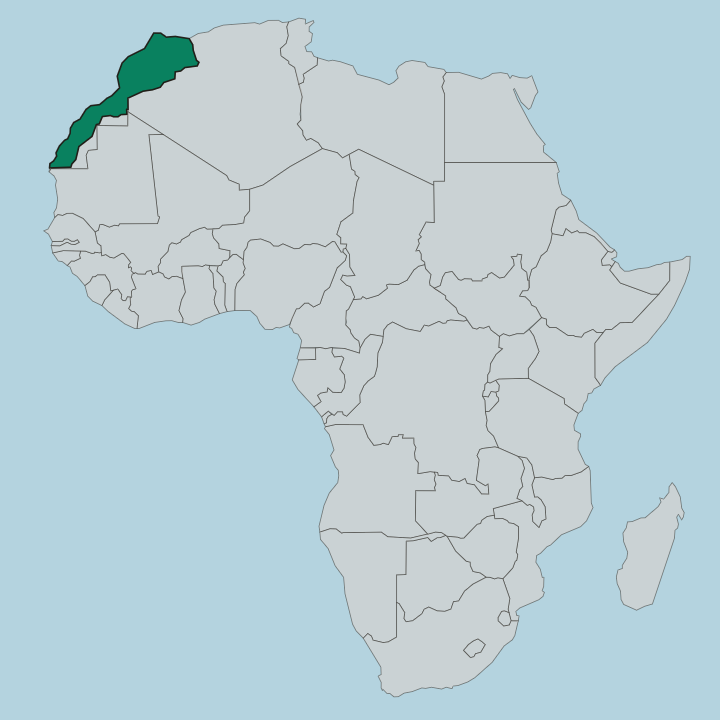
Drâa-Tafilalet fills the pre-Saharan south-east of Morocco, running from the crest of the High Atlas down to the Algerian frontier. It is one of the country's largest regions, and one of its emptiest. Two river systems organise almost everything here.
The Draa gathers the snowmelt of the western mountains and turns south, feeding a long ribbon of palm-groves before it bends toward the Atlantic far downstream. In the east the Ziz does the same work, carving gorges through the rock above Errachidia and pouring out into the Tafilalt, the great date oasis near Rissani. Between and around those green threads lies rock and sand.
The High Atlas walls off the region to the north, its passes climbing over snow-dusted ridges before dropping to the ochre plateaus below. South and east the ground shades into the Sahara proper, and at Merzouga the sand piles into the tall dunes of Erg Chebbi. Five provinces divide the territory, from Midelt under the mountains to Zagora deep in the Drâa valley.
Ouarzazate and Errachidia are the two poles, one commanding the western valleys and the other the eastern ones. Water decides where people live. The oases are narrow, the desert is wide, and the two never blur into each other.
What is Drâa-Tafilalet like?
This is Berber country first. Amazigh communities have farmed these oases for centuries, and Central Atlas Tamazight is heard in the markets alongside Arabic. Life follows the water and the palm.
The date harvest that ripens in the Tafilalt each autumn is both a livelihood and a festival, and Rissani's souk still trades in the fruit that once made the oasis rich. Craft traditions are distinct and local. Green-glazed pottery comes out of the kilns at Tamegroute in the Drâa valley, and the wool carpets of Taznakht carry patterns particular to their weavers.
The architecture is earth itself: the mud-brick ksour and kasbahs that cluster along the valleys, of which Aït Benhaddou is the most complete, are raised from the same rammed soil they stand on. Ouarzazate has added a second, stranger layer to all this. Its film studios have turned the surrounding desert into a stand-in for ancient Rome, Egypt and Jerusalem, so a walk outside town can lead past the plaster remains of a Roman set.
The old world and the invented one sit side by side. What holds through both is the desert measure of things, where shade, water and a good date palm still count for a great deal.
What is the history of Drâa-Tafilalet?
The Tafilalt has outsized weight in Morocco's story. In the eighth century Sijilmasa rose near present-day Rissani and grew into the northern terminus of the trans-Saharan gold and salt trade, sending caravans across the desert toward the Sahel. That wealth drew and made dynasties.
From this same oasis the 'Alawi dynasty, the house that still rules Morocco, first pushed north to the throne in the seventeenth century. The mud walls have crumbled since. The desert routes that built Sijilmasa faded once trade moved to the sea, but the oasis kept its name and its date palms.
What is the climate of Drâa-Tafilalet?
The climate is desert-dry. Rain is scarce across the pre-Saharan plateaus, and the oases survive on the Draa and the Ziz rather than the sky. Summer days on the sands around Merzouga turn fierce, while the desert nights swing cold enough for a blanket even after a scorching afternoon.
The High Atlas rim to the north is a different world, catching snow on its passes through the cold months. Spring and autumn are the kind seasons here.
How do you get to Drâa-Tafilalet?
Most travellers drive in over the mountains. Ouarzazate and Errachidia both have small airports with domestic flights, but the classic approach is the road south from Marrakech, climbing the High Atlas by the Tizi n'Tichka pass before it winds down toward the desert. From Ouarzazate a single long route threads east past the gorges and oases all the way to Merzouga.
The Ziz valley road carries the eastern traffic down from Errachidia into the Tafilalt. There is no railway out here; the car, the bus and the desert piste do the work.
Common questions
What is the best area to stay in Drâa-Tafilalet?
Ouarzazate: a first base for the western Drâa-Tafilalet. Merzouga: a night out on the Erg Chebbi dunes. Errachidia and the Ziz valley: the eastern Ziz corridor and Tafilalt. The Todgha and Dadès gorges: walkers heading into the Todgha Gorge.
Good for
More regions in Morocco
Updated September 2026