
Malaysia
Labuan, Malaysia — Towns & Travel Guide
Labuan is a Malaysian island territory off the coast of Borneo, known for wreck diving, duty-free trade and WWII history.
Hotel links are affiliate links: booking through them may earn us a commission, at no extra cost to you. It never affects how places are ranked. How this works


Towns & cities in Labuan
One town here has its own guide — it links to where to stay.

 Malaysia
Labuan
Labuan, officially Bandar Labuan and also called Victoria, is the capital of the Federal Territory of Labuan off the north coast of Borneo.Where to stay →
Hotel links are affiliate links: booking through them may earn us a commission, at no extra cost to you. It never affects how places are ranked. How this works
About Labuan
What is Labuan known for?
Labuan is Malaysia's duty-free island, so alcohol, tobacco and chocolate sell cheaper here than on the mainland. Divers know it for four shipwrecks. The Cement, Blue Water, American and Australian wrecks rest in Brunei Bay, and they rank among the best wreck dives in Southeast Asia.
The island also carries a heavy war history, with the surrender of Japanese forces on Borneo accepted here in 1945. Victoria, the capital, doubles as an offshore financial centre.
Where is Labuan?
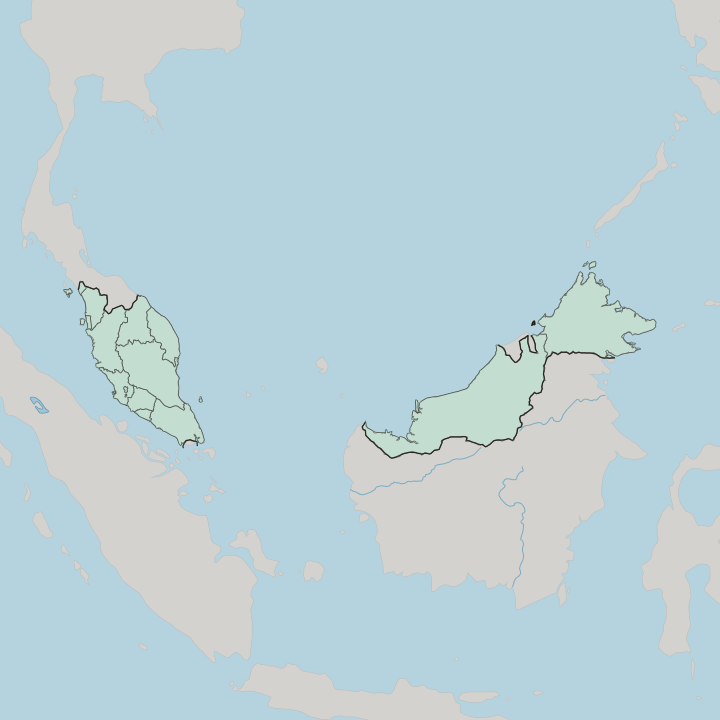
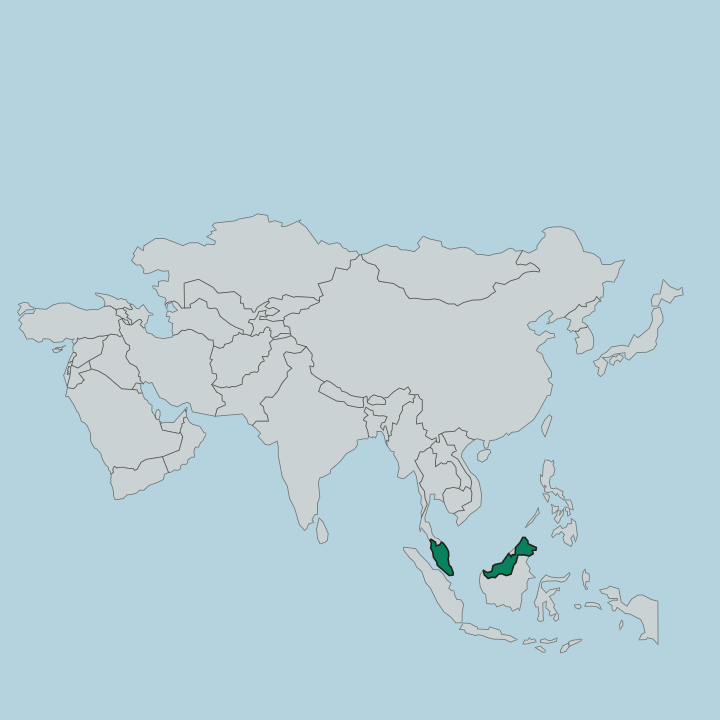
Labuan sits about 8 kilometres off the coast of Borneo, on the northern edge of Brunei Bay where the bay opens into the South China Sea. The territory is compact, its main island covering only about 92 square kilometres. The territory is really seven islands, one large and six little ones, and the main island covers roughly 92 square kilometres.
That main island is Labuan Island, low and gently undulating. More than 70 percent of its ground is still under vegetation, and its one real high point is Bukit Kubong, a hill in the north that rises to 148 metres above the sea. The island lies adjacent to the Malaysian state of Sabah and just north of Brunei, so it faces both across the water.
Brunei Bay wraps its southern and eastern flanks, while the open South China Sea runs off to the west. The capital, Victoria, occupies the south-eastern corner. Around the main island scatter the six smaller ones, among them Kuraman, Burung, Daat, Papan and the two Rusukan islands, most of them uninhabited fringes of sand and reef.
What is Labuan like?
Labuan feels closer to Brunei than to the rest of Malaysia, and that leaning shows plainly in its people and its trade. The largest community is the Kedayan and Bruneian Malay, whose kin live all around the shores of Brunei Bay. Chinese families and Kadazan-Dusun settlers fill out the mix.
Malay is the working language, English the tongue of the offshore-finance offices in Victoria. Duty-free status set the rhythm. Cheap alcohol, tobacco and chocolate pull weekend shoppers over from Sabah and from Brunei, where such goods are dearer or banned outright, and the ferries run heavy with them.
The war is the other constant. A tended Commonwealth war cemetery, the Peace Park and Surrender Point keep 1945 close to the surface of daily life. Fresh seafood and a small island's slow pace do the rest.
What is the history of Labuan?
The Sultan of Brunei ceded Labuan to Britain in 1846, and the Crown took it as a colony two years later, chiefly as a Royal Navy coaling station and a base against piracy. Coal made the early island. Mining began at Tanjung Kubong in 1847, and a tall brick chimney still stands there as its relic.
Japanese forces then held the island through the Second World War, until the surrender of their commander on Borneo was formally accepted here in the September of 1945. Sabah gave it up in 1984. Malaysia's federal government took it, and the offshore financial centre at Victoria followed.
What is the climate of Labuan?
Labuan has a tropical rainforest climate, hot and wet the year round with no true dry season. Rain can fall in any month. Temperatures hold steady between about 25 and 32 degrees, and the humidity off the South China Sea rarely lets up.
February and March run a little drier than the rest, which makes them the kinder months for diving the wrecks in Brunei Bay. Expect a downpour on almost any afternoon.
How do you get to Labuan?
Most travellers reach Labuan by air or by ferry. Labuan Airport takes short hops from Kota Kinabalu in Sabah, along with longer flights from Kuala Lumpur and Miri. Passenger ferries cross Brunei Bay from Kota Kinabalu, from Menumbok on the Bornean coast just half an hour away, and from the Serasa terminal in neighbouring Brunei.
Being an island, it has no road of its own to the mainland. Come by sea or by plane.
Common questions
What is the best area to stay in Labuan?
Victoria: a base beside the Brunei Bay ferry terminal. Tanjung Kubong: the coal-mining heritage and Geopark trails. The smaller islands: day trips to the wrecks and offshore sand.
Good for
More regions in Malaysia
Updated September 2026