Nigeria
Benue State, Nigeria — Towns & Travel Guide
Benue State is the Food Basket of Nigeria, a green farming region in the Middle Belt named after the Benue River.
Hotel links are affiliate links: booking through them may earn us a commission, at no extra cost to you. It never affects how places are ranked. How this works


Towns & cities in Benue State
One town here has its own guide — it links to where to stay.

 Nigeria
Makurdi
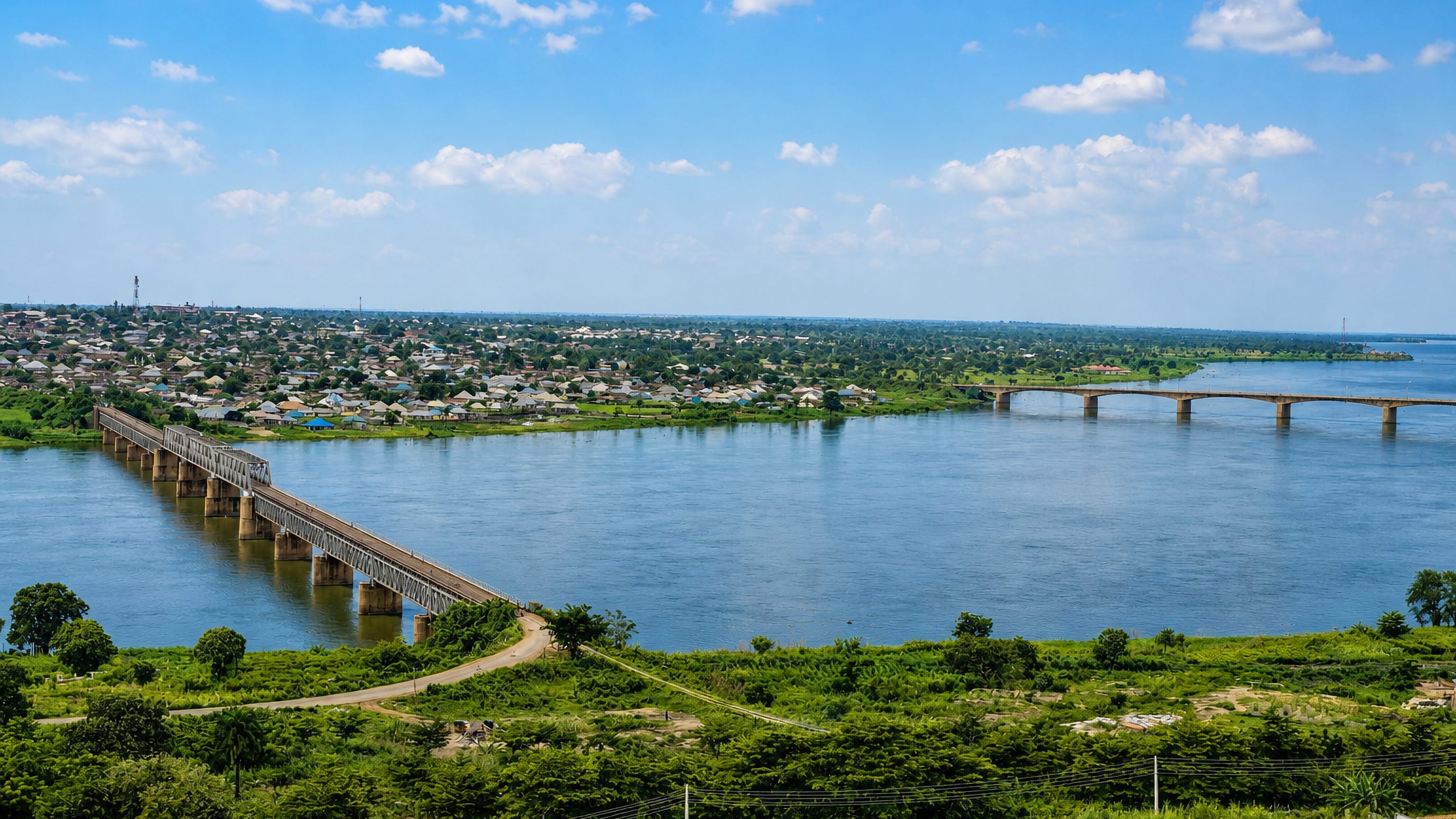
Makurdi is the capital of Benue State, a farming city on the Benue River in Nigeria's Middle Belt, with its founding dated to 1927.Where to stay →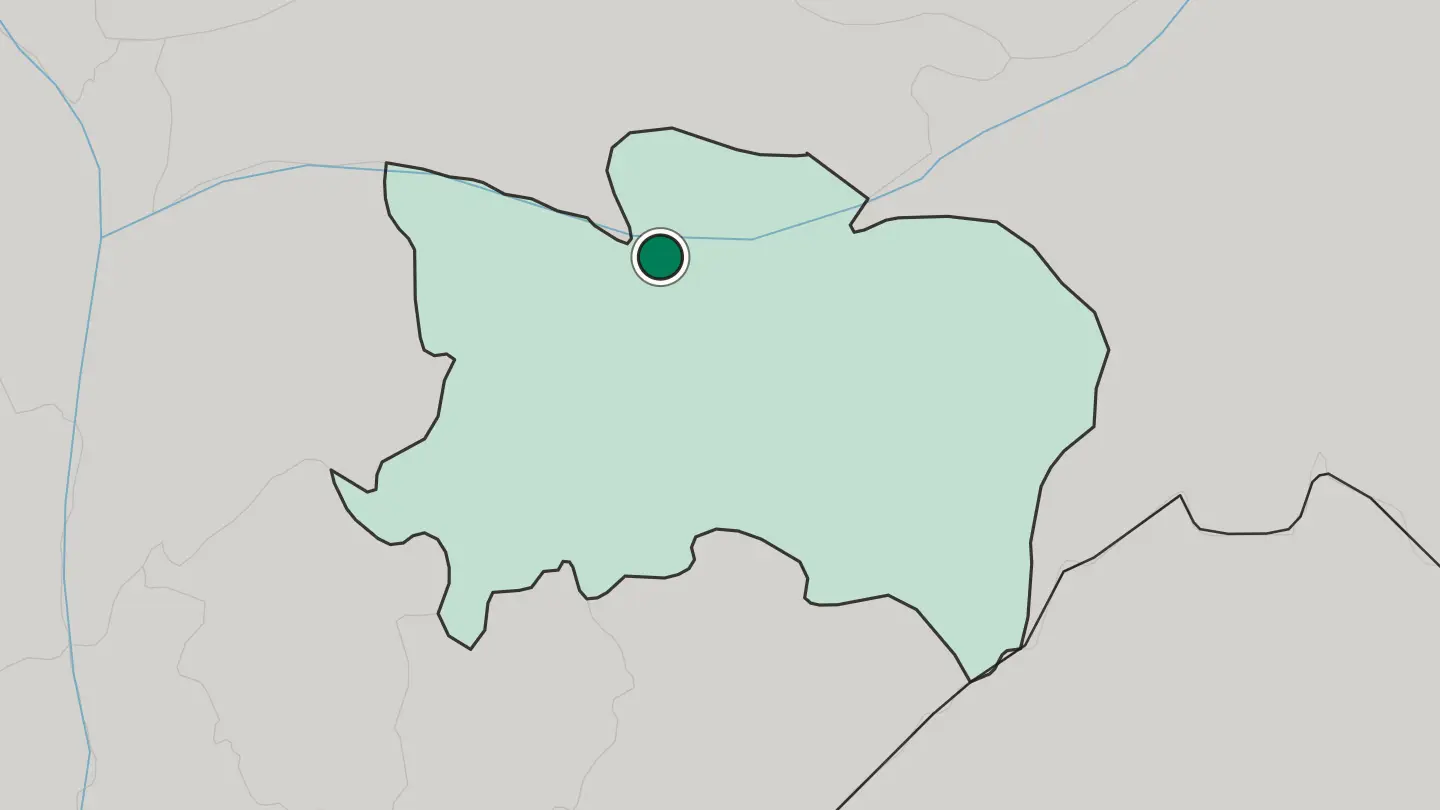
Hotel links are affiliate links: booking through them may earn us a commission, at no extra cost to you. It never affects how places are ranked. How this works
About Benue State
Farms define Benue.
What is Benue State known for?
Nigeria calls it the Food Basket of the Nation, and the fields around Makurdi, Gboko and Otukpo grow yams and cassava, oranges and mangoes, and most of the country's soya bean crop. The Benue River gives the state both its name and its central line, cutting west across the land toward its meeting with the Niger. It is Tiv, Idoma and Igede country above all, and the Tiv puppet theatre Kwagh-hir carries that identity onto the stage.
Where is Benue State?
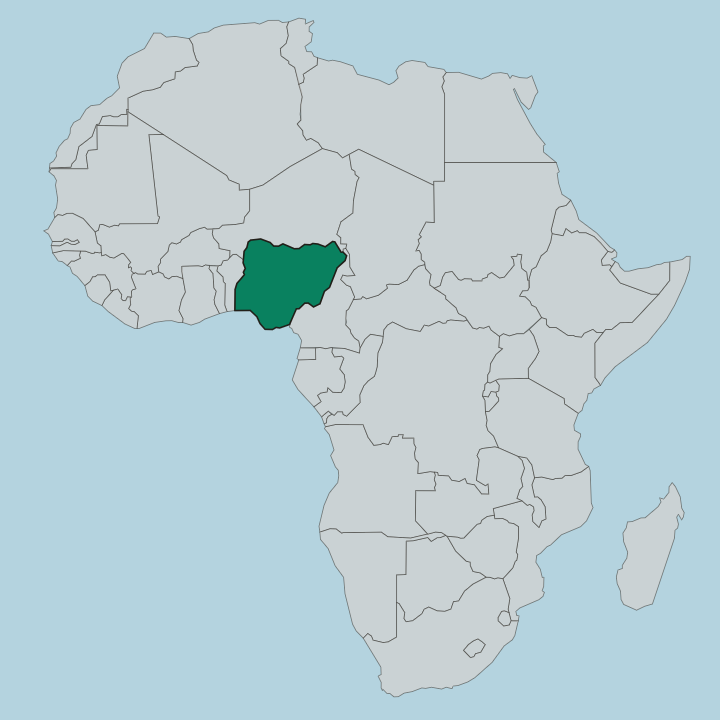
Benue lies in the North Central region of Nigeria, in the belt of country known as the Middle Belt that separates the Muslim north from the Christian south. The Benue River is the axis of it all. The second largest river in Nigeria after the Niger, it enters from the east near Cameroon and runs west across the state, splitting Makurdi into a north bank and a south bank before flowing on to join the Niger at Lokoja.
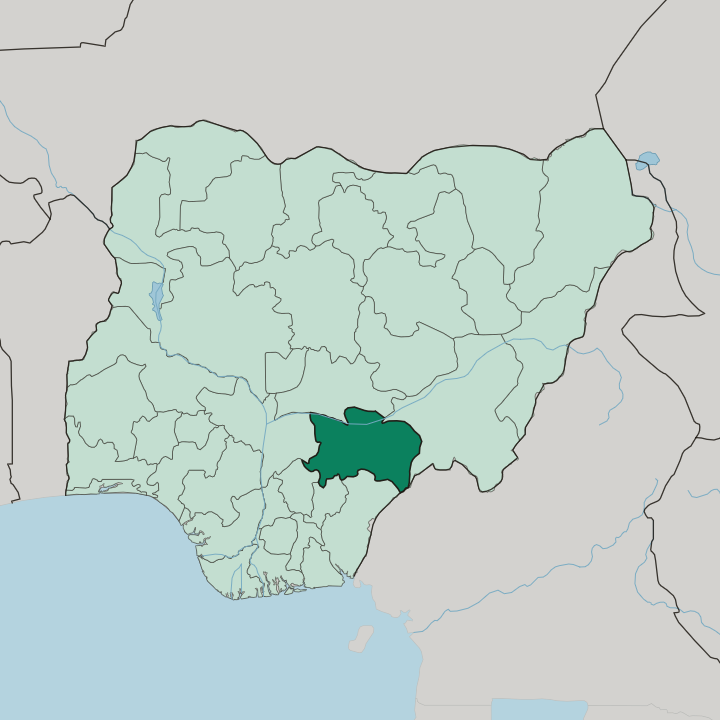
Nasarawa State lies to the north, Taraba to the east, Kogi to the west, Enugu to the south-west, and Ebonyi and Cross River to the south. The land is mostly open savanna and floodplain, low and fertile, which is why farming took hold here so completely. Cameroon meets the state at its south-eastern corner, its only international border.
Away from the river valley the ground rises into low hills, among them the Ushongo hills in Tiv country to the north-west. The soil is the wealth. That broad, well-watered plain along the Benue is what earned the state its name as the Food Basket of the Nation, and it is what most of the four-million-strong population works.
What is Benue State like?
Three peoples share Benue. The Tiv are the largest, spread across the north of the state around Gboko, and their Kwagh-hir puppet theatre carries whole moral tales through carved figures and masquerades set to music and dance, a form UNESCO added to its heritage list in 2019. Down south around Otukpo the Idoma hold sway, where the Och'Idoma reigns as paramount chief and the Aje-Alekwu masquerade honours the ancestors.
Smaller again, the Igede mark the yam harvest each September with the Agba festival. Agriculture threads through all of it. This is a farming society first, and the yam sits at the centre of both the plate and the calendar, with harvest festivals timing the year.
Swange, the Tiv circle dance, fills weddings and gatherings in the north. Music runs loud here, enough that Benue likes to call itself the entertainment heart of the Middle Belt. The mix is Christian and traditional rather than the Islam of the far north, part of what makes the Middle Belt its own place.
It is a state that farms hard and performs hard in equal measure.
What is the history of Benue State?
Benue State was carved out on 3 February 1976, one of seven states General Murtala Mohammed's government created from the older Benue-Plateau State. Its name is far older than that. It comes from the Benue River, which the Tiv first called Ber-nor, the river of the hippopotamus, before colonial administrators reshaped the word into Benue.
The Tiv and Idoma had farmed and governed this stretch of the river valley long before any state line was drawn around them, and Makurdi, already a river port and rail town, became the natural capital of the new state.
What is the climate of Benue State?
Benue runs on two seasons. The rains come from April to October, watering the yam and soya fields and swelling the Benue River, and then the dry season takes over from November to March. Heat is the constant either way, with warm days through most of the year and the hottest, dustiest stretch falling late in the dry months before the rains return.
This is tropical savanna country, and the farming calendar around Makurdi turns on that wet-and-dry rhythm more than on anything else.
How do you get to Benue State?
Most travellers reach Benue by road. Makurdi Airport, opened in 1983 on the edge of the capital, handles the state's flights, though many visitors fly instead into Abuja or Enugu and drive the rest of the way in. Buses run daily to Makurdi from Abuja, Lagos and Port Harcourt.
The old railway line that links Port Harcourt to Maiduguri still passes through Makurdi across its river bridge, but road remains the dependable way in and around the state.
Common questions
What is the best area to stay in Benue State?
Makurdi: the riverside capital and Benue's air gateway. Gboko: the heart of Tiv country. Otukpo: Idoma country and its festivals.
Good for
More regions in Nigeria
Updated September 2026