Nigeria
Oyo State, Nigeria — Towns & Travel Guide
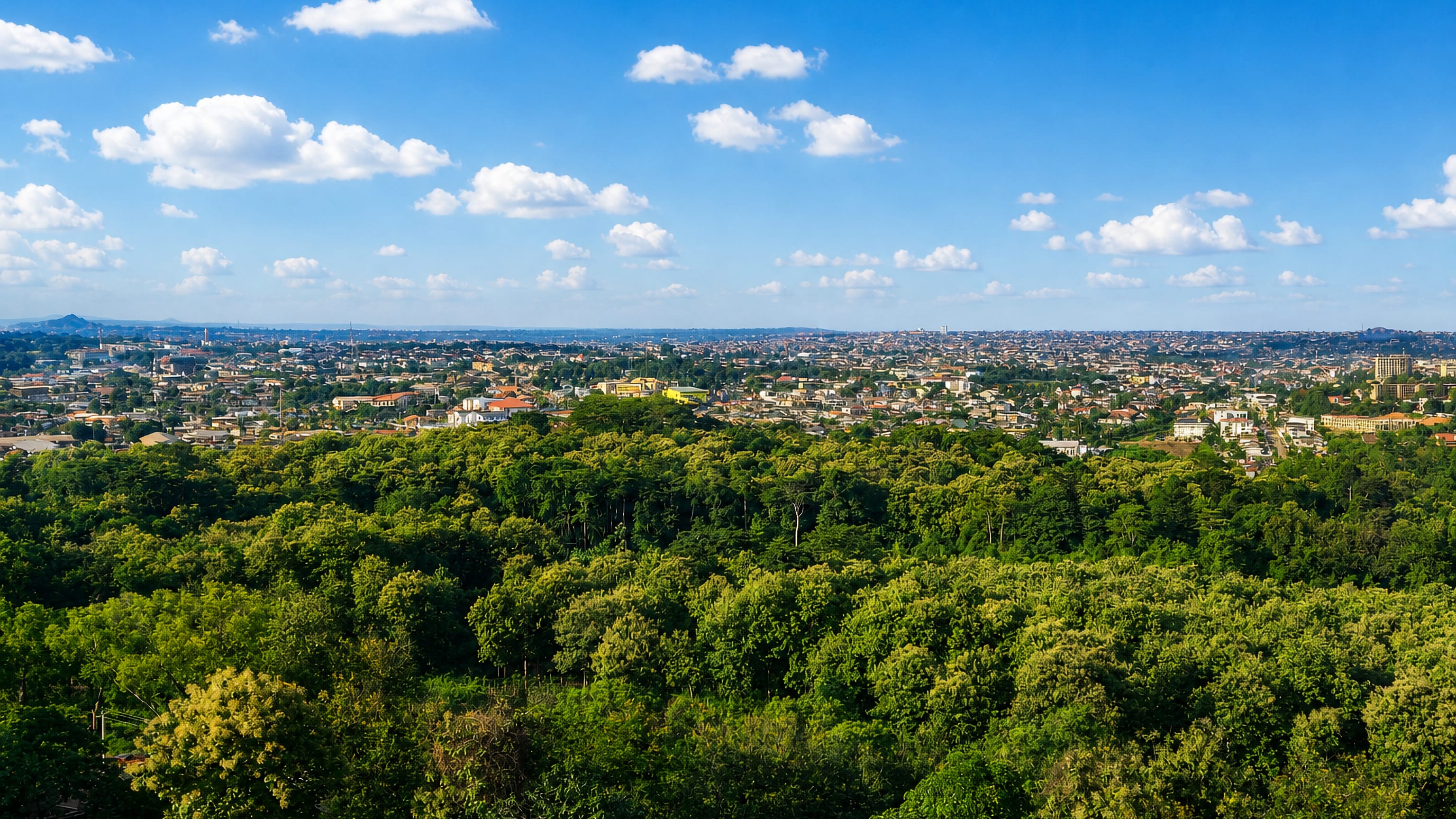
Oyo State fills the west of Yorubaland, its capital Ibadan sprawling in red-roof waves toward the savanna and the old Oyo Empire lands.
Hotel links are affiliate links: booking through them may earn us a commission, at no extra cost to you. It never affects how places are ranked. How this works


Towns & cities in Oyo State
Pick a town or city — each links to where to stay.

 Nigeria
Ibadan
Ibadan is a great Yoruba city of southwest Nigeria, capital of Oyo State, a vast spread of brown rooftops over the hills, once the strongest Yoruba town.Where to stay →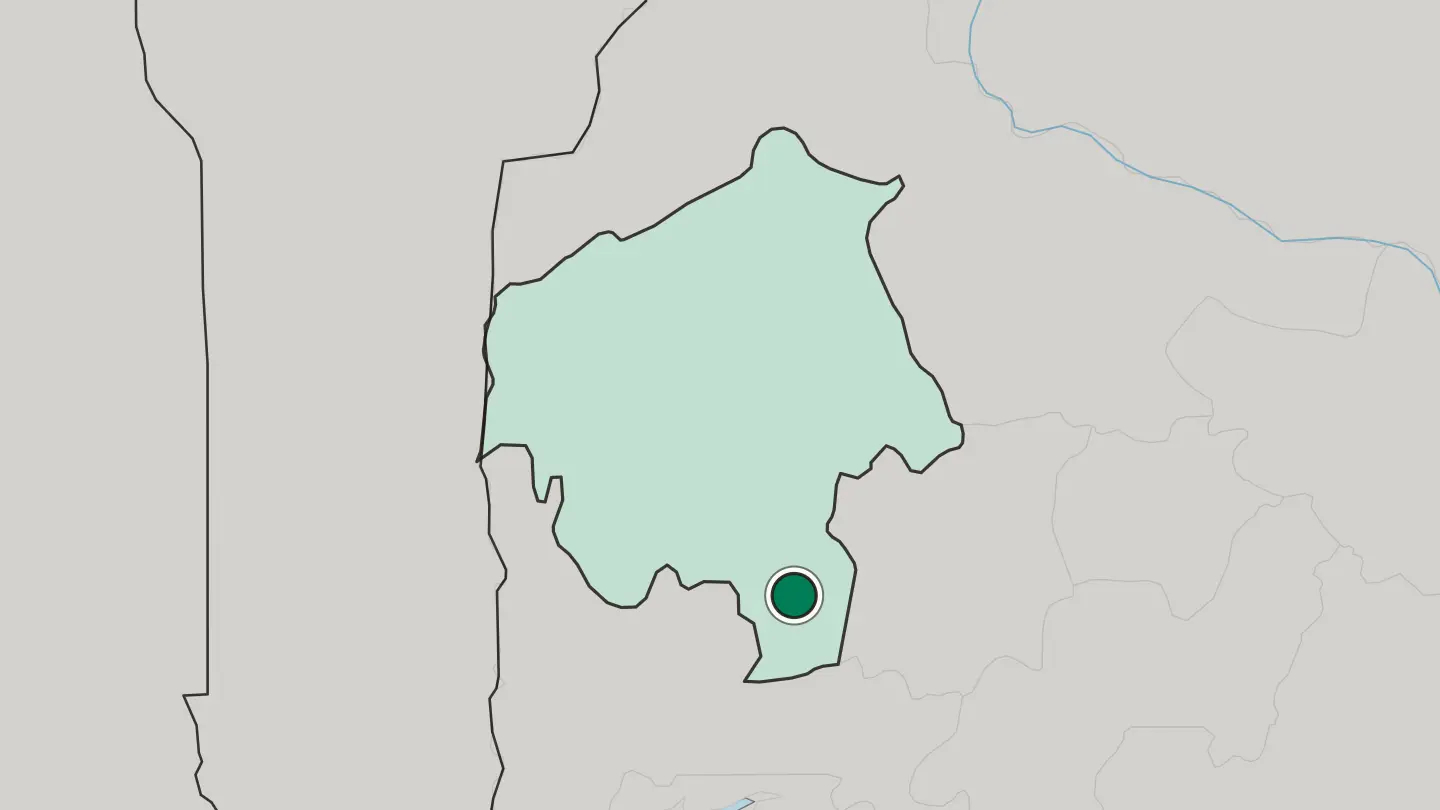 Nigeria
Oyo
Oyo is an ancient Yoruba city in Oyo State, Nigeria, founded in the 1830s as the successor capital to Oyo-Ile, the deserted Old Oyo to the north.Where to stay →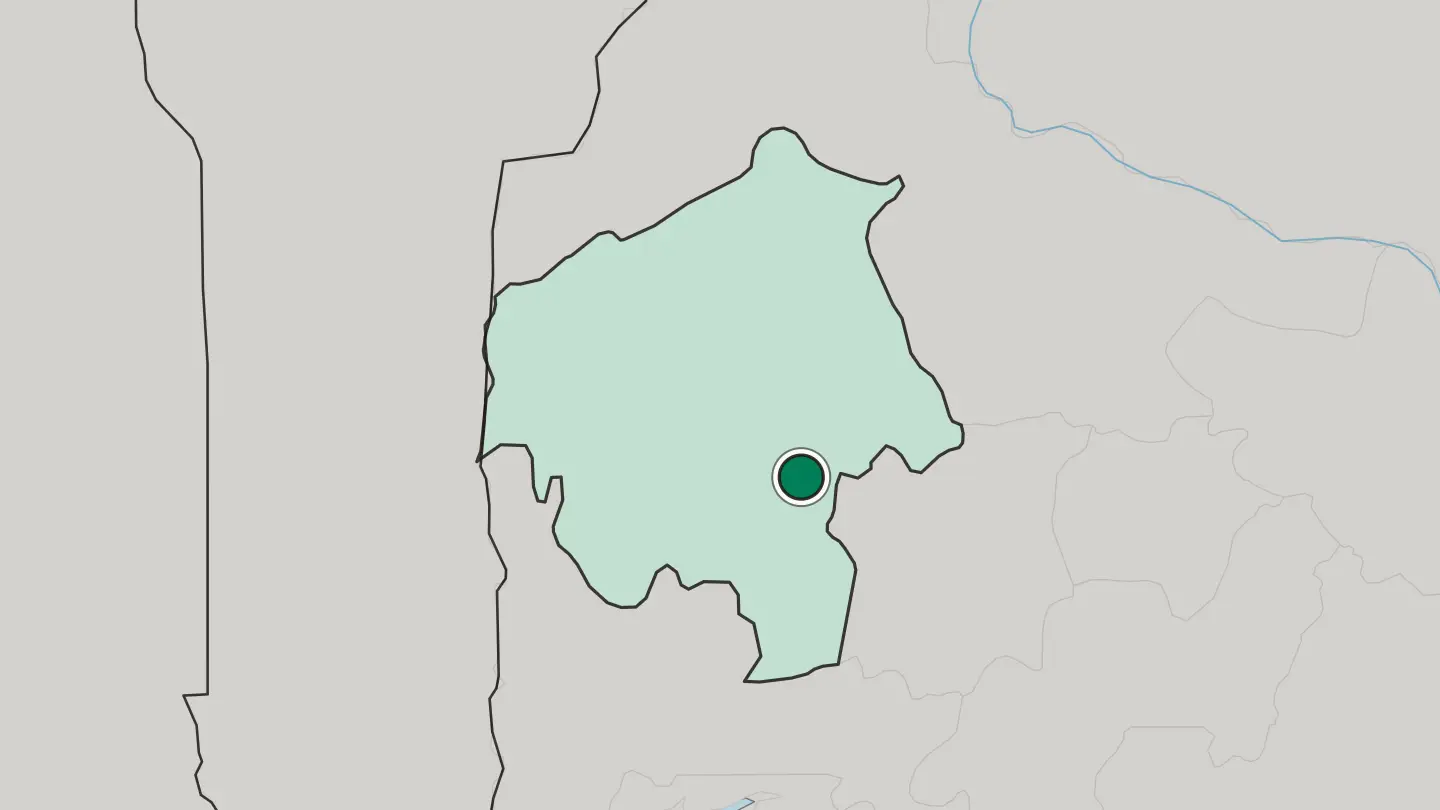
Hotel links are affiliate links: booking through them may earn us a commission, at no extra cost to you. It never affects how places are ranked. How this works
About Oyo State
Ibadan defines it.
What is Oyo State known for?
The capital ranks among the largest cities in Nigeria, a low tide of rusted rooftops that runs to the horizon. This was the heartland of the Oyo Empire, the Yoruba power that ruled much of the region for centuries before its fall. The University of Ibadan, opened in 1948, was the first university in the whole country, and Ibadan still carries that weight of learning and history.
Cocoa built the modern city, and the tower called Cocoa House is named for the crop.
Where is Oyo State?
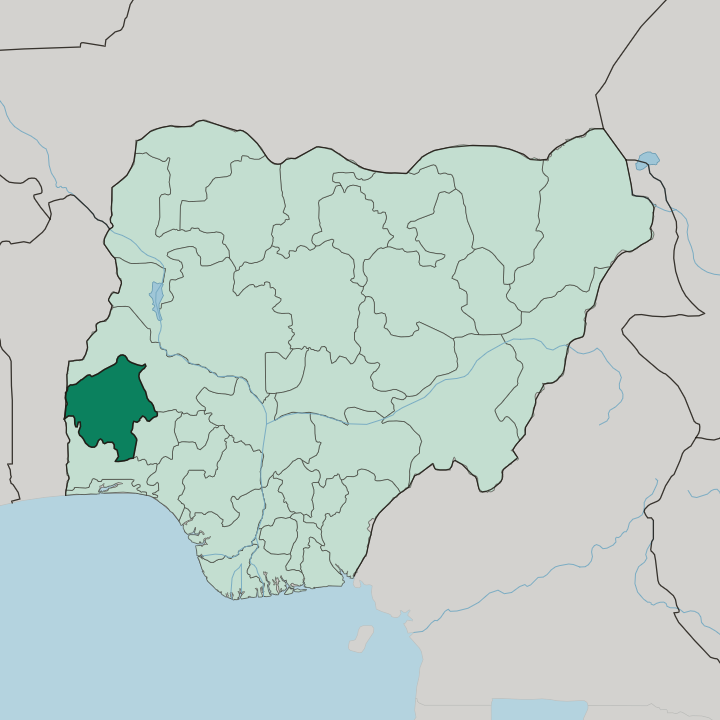
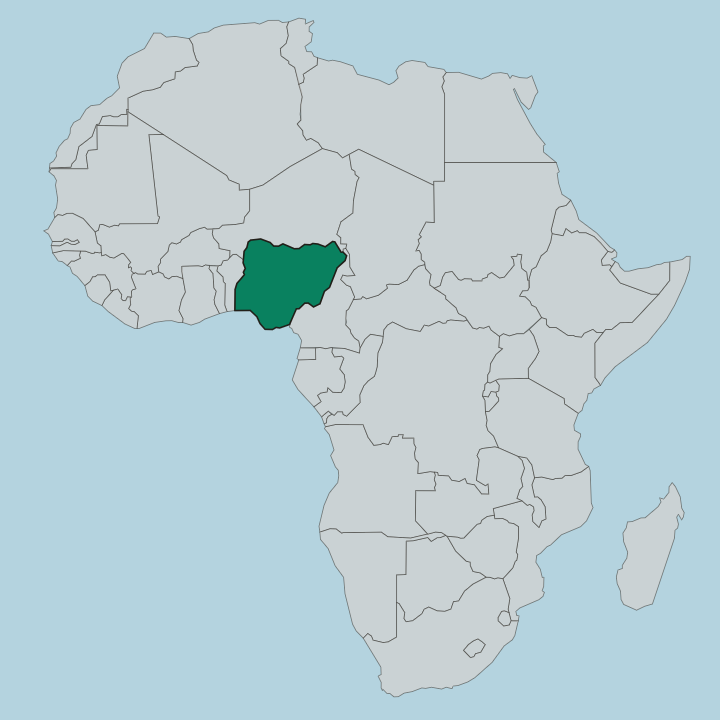
Oyo State sits in south-western Nigeria, inland from the coast and pressed against the border with the Republic of Benin to the west. Kwara State lies along its northern edge, Osun State to the east, and Ogun State closes it off to the south. The land tilts as you cross it. Around Ibadan in the south it is tropical forest fading into farmland, a near-continuous plain of low ground; the north rises through the Yoruba Hills to old hard rock and dome-shaped inselbergs that climb well above a thousand metres.
That rising ground is where the water starts. The Ogun, one of the state's principal rivers, gathers in these northern highlands along with the Oba, the Oyan and the Ofiki before running south toward the sea. Clearing and burning for farmland long ago turned the middle and north into a derived savanna of grass and scattered trees.
The suspended lake at Ado-Awaye hangs here too, resting on a hilltop rather than in a valley floor. The forest belt survives mainly in the humid south. Everything drier and higher lies to the north.
What is Oyo State like?
This is Yoruba country to the core. Almost everyone here is Yoruba, and Yoruba is the language of the market, the compound and the street, spoken alongside English. The town of Oyo itself keeps a palace and an Alaafin, the title the emperors of old carried, so the line of the vanished empire has never entirely gone quiet.
Ibadan wears its culture differently. The city grew as a nineteenth-century war camp of soldiers and refugees, and out of that rough beginning came a place of writers, scholars and musicians drawn to the first university in the country. Talking drums, the dùndún among them, still carry the tonal speech of the language into rhythm.
Textiles run deep in the state's small towns; Iseyin is known across the region for its handwoven aso-oke cloth, worked on narrow looms. Festivals mark the year, tied to the old deities and the founding lineages of each town. The pull between the market crowds of Ibadan and the slower savanna towns to the north is part of what the state is.
Old titles and new learning share the same ground here.
What is the history of Oyo State?
The story begins with the Oyo Empire. From a capital at Old Oyo, now called Oyo-Ile, the Yoruba state grew into a powerful empire, its cavalry and trade reaching far beyond the region for some four centuries. Civil war and the raids of Fulani horsemen from the north broke it apart in the early nineteenth century, and Old Oyo was abandoned.
Its scattered people founded new towns. Ibadan rose from a war camp in 1829, a rebuilt Oyo settled to the north under a new Alaafin, and the region reshaped itself around them. The present Oyo State was carved out of the old Western State in 1976.
What is the climate of Oyo State?
Oyo State's year turns on two seasons rather than four. The wet season runs from about April to October, the dry season from November to March. The difference is rain, not temperature.
Days stay warm right through, mostly in the mid-twenties to mid-thirties in Celsius. The forested south around Ibadan pulls in more rain than the drier savanna of the north, where the harmattan wind carries Saharan dust down over the Yoruba Hills in the dry months. Heat and humidity ease a little once the rains break.
How do you get to Oyo State?
Most travellers reach Oyo State overland from Lagos. Ibadan lies a short drive north of the coast, linked to Lagos by an expressway and by a rail line that runs between the two cities. Ibadan keeps a domestic airport, though many arrivals still fly into Lagos first and cross the rest by road.
Inside the state, roads fan out north from the capital through Oyo and Ogbomosho toward the savanna and the border with the Republic of Benin. Buses and shared taxis do the rest.
Common questions
What is the best area to stay in Oyo State?
Central Ibadan: an opening base for a first look at Oyo State. University and Agodi: quiet leafy stays near the campus. Ogbomosho: a night on the northern road. Iseyin and the north-west: reaching the old Oyo ruins and the hills.
More regions in Nigeria
Updated October 2026