Nigeria
Sokoto State, Nigeria — Towns & Travel Guide
Sokoto State fills the far north-west of Nigeria, the old seat of the Sokoto Caliphate on the dry savanna where the Rima River runs.
Hotel links are affiliate links: booking through them may earn us a commission, at no extra cost to you. It never affects how places are ranked. How this works


Towns & cities in Sokoto State
One town here has its own guide — it links to where to stay.

 Nigeria
Sokoto
Sokoto is the capital of Sokoto State and the seat of the former Sokoto Caliphate, near the confluence of the Sokoto River and the Rima River.Where to stay →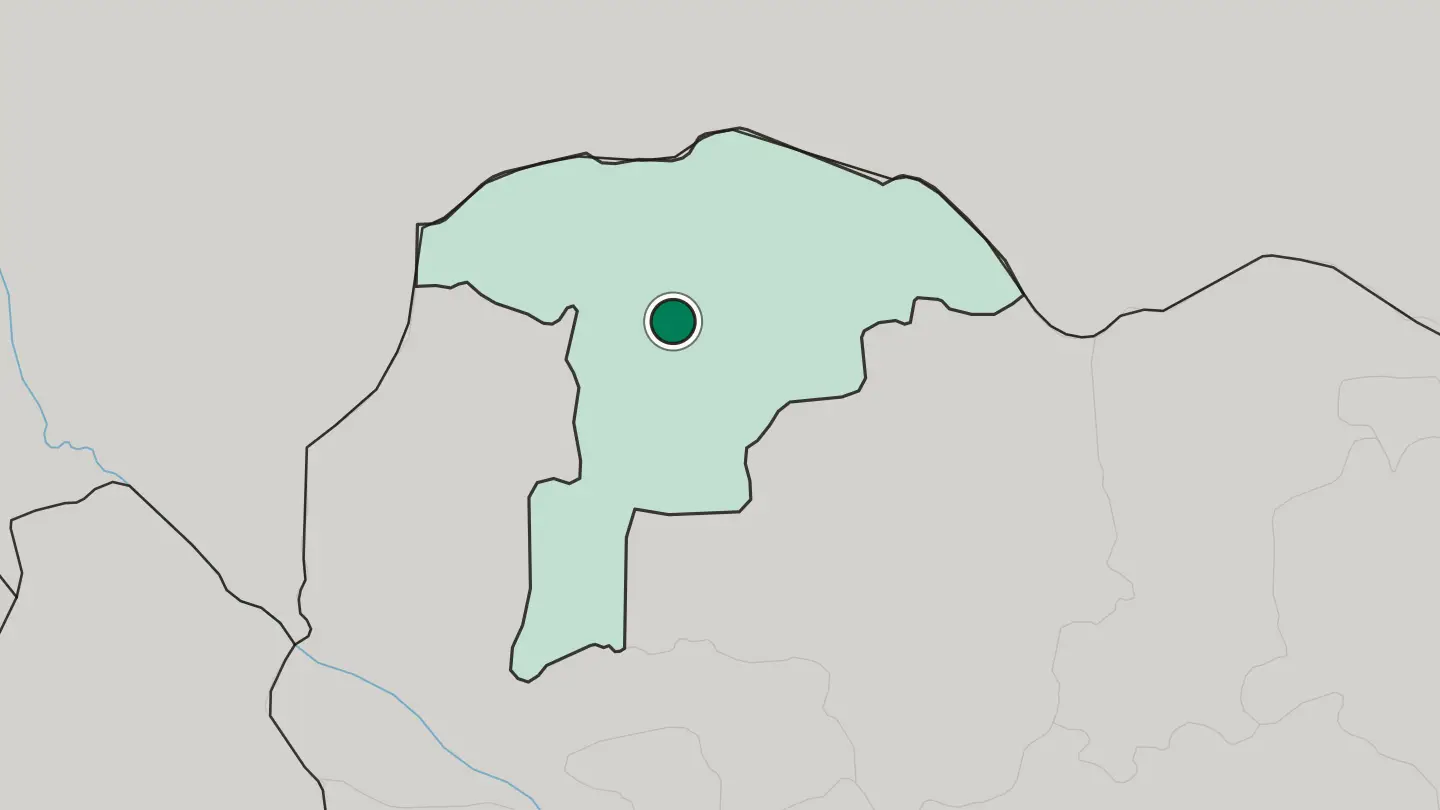
Hotel links are affiliate links: booking through them may earn us a commission, at no extra cost to you. It never affects how places are ranked. How this works
About Sokoto State
What is Sokoto State known for?
Sokoto State is known as the heartland of the Sokoto Caliphate, the Islamic state Usman dan Fodio founded in 1804 across the savanna of north-western Nigeria. Faith and history define it. Its capital, Sokoto, remains the seat of the Sultan of Sokoto, the foremost Muslim traditional authority in the country, and pilgrims still come to the Hubbare where dan Fodio lies buried.
The Republic of Niger runs along the state's northern and western edge, with Zamfara State to the east and Kebbe State to the south.
Where is Sokoto State?
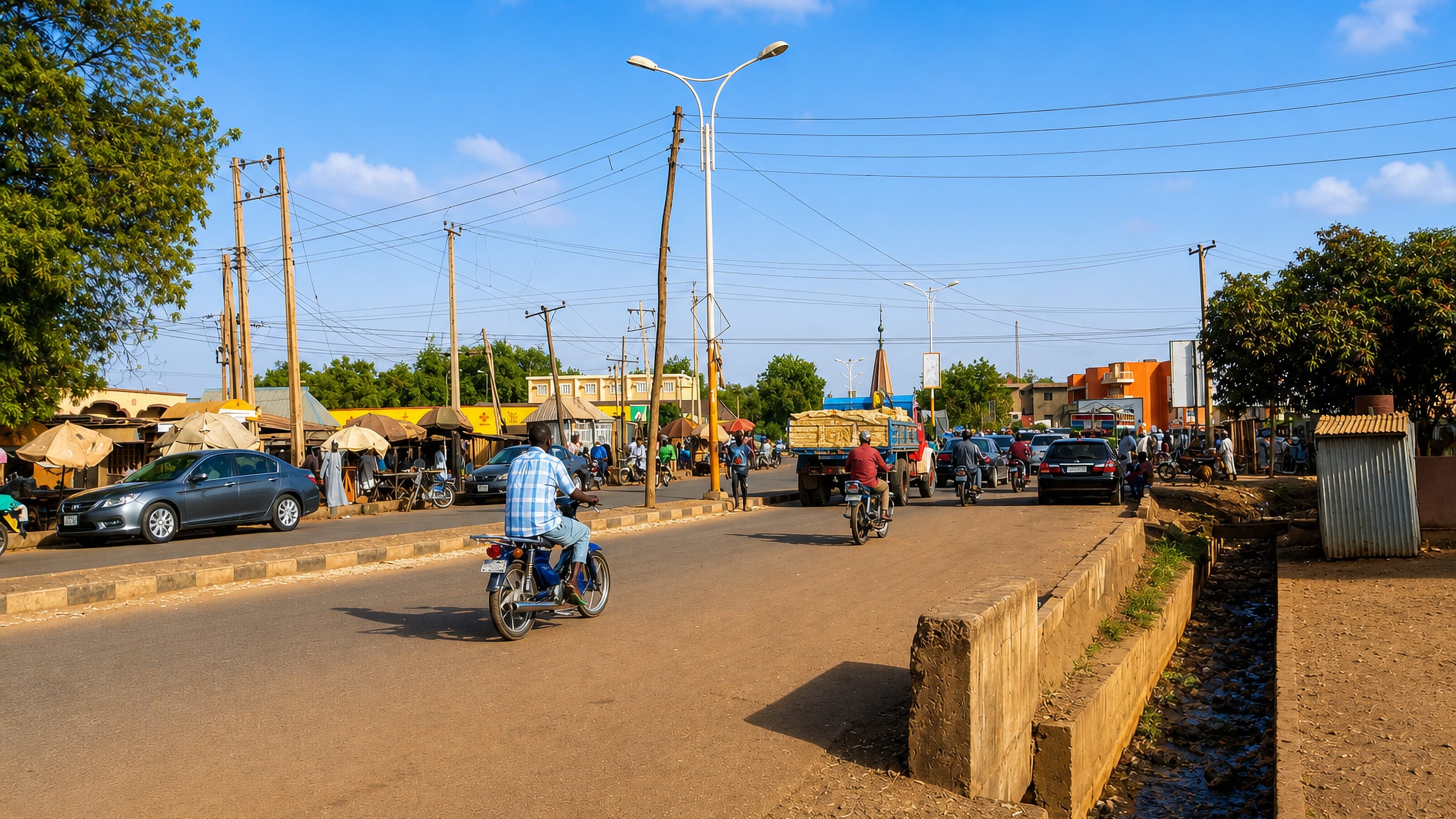
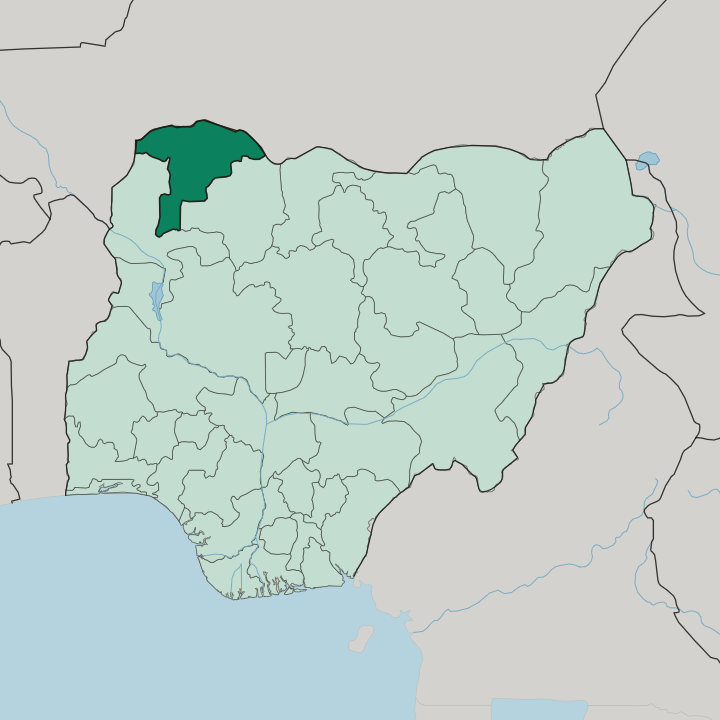
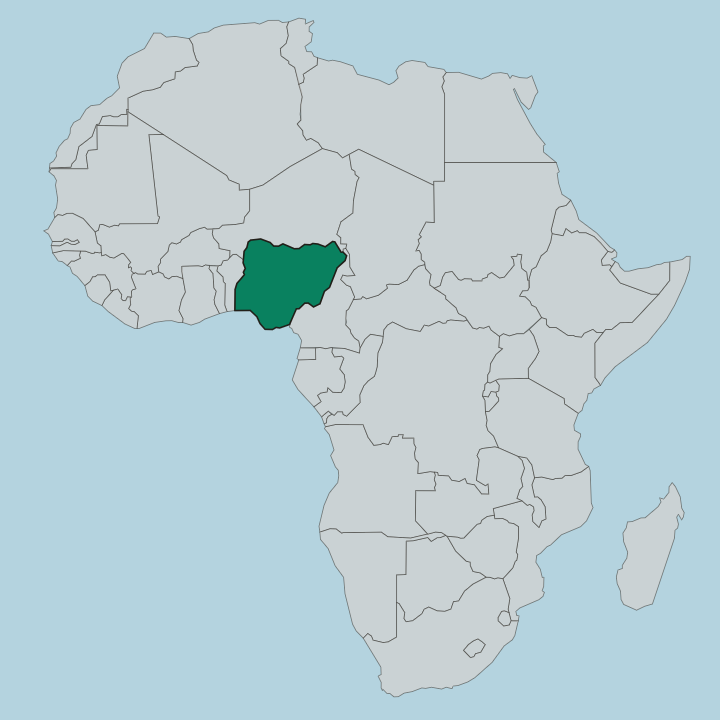
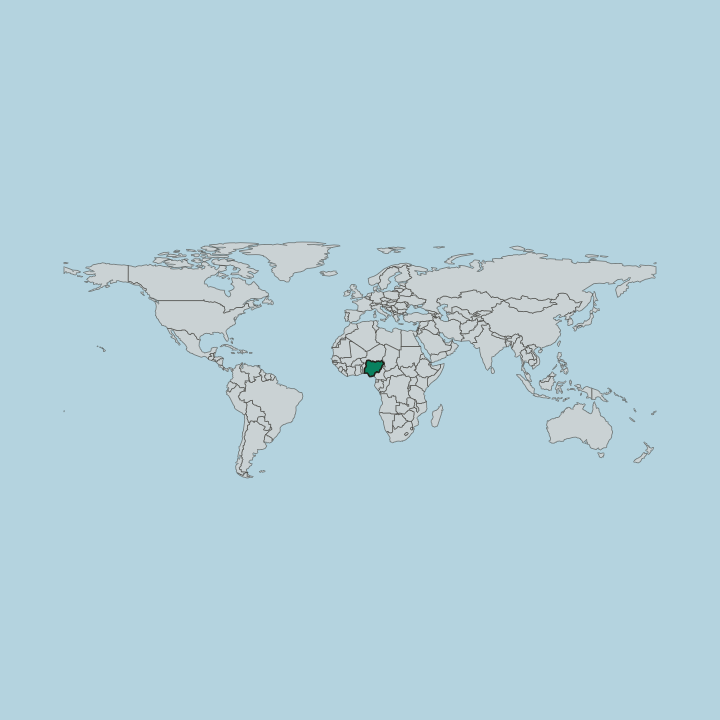
Sokoto State lies in the extreme north-west of Nigeria, a wide sweep of flat savanna plain pressed against the country's northern border. The land is low and open. Sandy alluvial plains run to the horizon under a Sudan savanna cover of scrub and scattered trees, the ground rising only in gentle folds far from any mountain.
The Republic of Niger frames it. The international frontier follows the state's northern and western edge for many miles, so that from Sokoto the desert reach of the Sahel begins just beyond the fields. Water gives the plain its shape.
The Sokoto River crosses the state from the south-east and is joined near the capital by the Rima River, and their combined valley carries the belt of irrigated ground that farmers depend on through the dry months. The Goronyo Dam holds the Rima. Built across that river to the east of Sokoto, the dam spreads a reservoir over the floodplain and feeds the Middle Rima valley's canals downstream.
Zamfara State borders it to the east and Kebbe State to the south, closing the land side of the state where the savanna runs on into the rest of northern Nigeria.
What is Sokoto State like?
Sokoto State carries the Islamic scholarly culture that the Sokoto Caliphate built into the north-western savanna. Hausa is the common tongue. It is spoken across the markets and villages alongside Fula, the language of the Fulani who followed Usman dan Fodio in the jihad that made the Caliphate, and the two peoples have shaped the state's life together for generations.
Learning runs through that heritage. The reformers of the Caliphate wrote hundreds of works on law, verse, and government, and Nana Asmau, dan Fodio's daughter, became a poet and teacher whose name is still honoured in the city. Craft belongs to the place as much as scripture does.
The Sokoto Red goat of the surrounding plains yields the tanned skins long traded across the Sahara as Morocco leather, and the dye pits and leatherworkers of the old town keep that trade alive. The Sultan anchors it all. Each year the durbar around the Sultan's Palace fills the streets with horsemen in ceremonial dress, a display of the emirate tradition that survived the fall of the Caliphate in 1903.
Faith orders the calendar. From the call to prayer over Sokoto to the Friday gathering at the great mosque, the rhythm of Islam sets the pace of a state that thinks of itself first as the home of the Sultanate.
What is the history of Sokoto State?
The story turns on 1804, when Usman dan Fodio launched the jihad that overthrew the Hausa kings and raised the Sokoto Caliphate across the north. Sokoto became its capital. From that city the caliphs ruled a network of emirates until a British force ended the Caliphate's power in 1903 and folded the land into Northern Nigeria, though the Sultan's title endured.
Sokoto State itself is younger, drawn in 1976 when the old North-Western State was split, giving the Caliphate's heartland its own borders within modern Nigeria.
What is the climate of Sokoto State?
Sokoto State ranks among the hottest parts of Nigeria, a dry Sudan savanna climate of long heat and one short rainy season. Sokoto's calendar falls into two clear halves. Rain falls from about May to October and greens the Rima valley, while the rest of the year stays parched, and from late October the Harmattan blows Saharan dust off the desert to the north, hazing the sky and cooling the nights.
Days on the open plain turn fierce once the dust lifts.
How do you get to Sokoto State?
Most travellers reach Sokoto State by air into the capital, landing at Sadiq Abubakar III International Airport a few miles from the city and named for a former Sultan. Flights come from the south. Domestic services link Sokoto with Lagos and Abuja, while long tarred roads cross the savanna from Zamfara State to the east and from Kebbe State to the south, and the border posts with the Republic of Niger carry trade north.
From the airport the city centre is a short drive.
Common questions
What is the best area to stay in Sokoto State?
Sokoto: the Sultan's Palace and the Hubbare tomb. The Rima valley: irrigated farm country and the Goronyo Dam.
Good for
More regions in Nigeria
Updated September 2026