Nigeria
Jigawa State, Nigeria — Towns & Travel Guide
Jigawa is a Sahel state in North-West Nigeria, its sandy plains reaching the Niger border and the Hadejia wetlands.
Hotel links are affiliate links: booking through them may earn us a commission, at no extra cost to you. It never affects how places are ranked. How this works


Towns & cities in Jigawa State
How the towns here differ, and where visitors usually base themselves.
Dutse is the practical base. It is the state capital and largest city, with the hotels clustered near the emir's palace below the granite hills, and it offers the fullest choice of beds anywhere in the state. Hadejia anchors the wet north-east, close to the Hadejia-Nguru wetlands and the Baturiya bird sanctuary.
Birnin Kudu, in the far south toward the Kano road, is the one for the rock paintings. Choose Dutse first. Head to Hadejia if the wetlands and their migratory birds are the reason you came.
About Jigawa State
Jigawa is farmland and water.
What is Jigawa State known for?
Its Hadejia-Nguru wetlands pull migratory birds down from Europe every dry season, and the Baturiya sanctuary in the marshes is the place to see them. Dutse, the capital, takes its name from the Hausa word for rock and sits below granite outcrops. Birnin Kudu, in the south, keeps rock paintings carved into shelters more than 2,000 years ago.
Hausa and Fulani markets fill Gumel, Hadejia and Kazaure. This is farming country of millet, rice and wheat.
Where is Jigawa State?
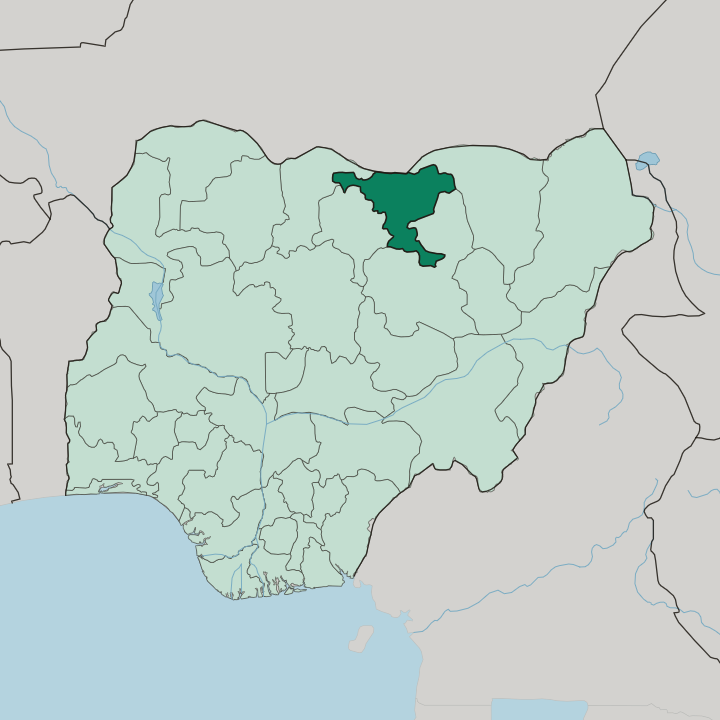
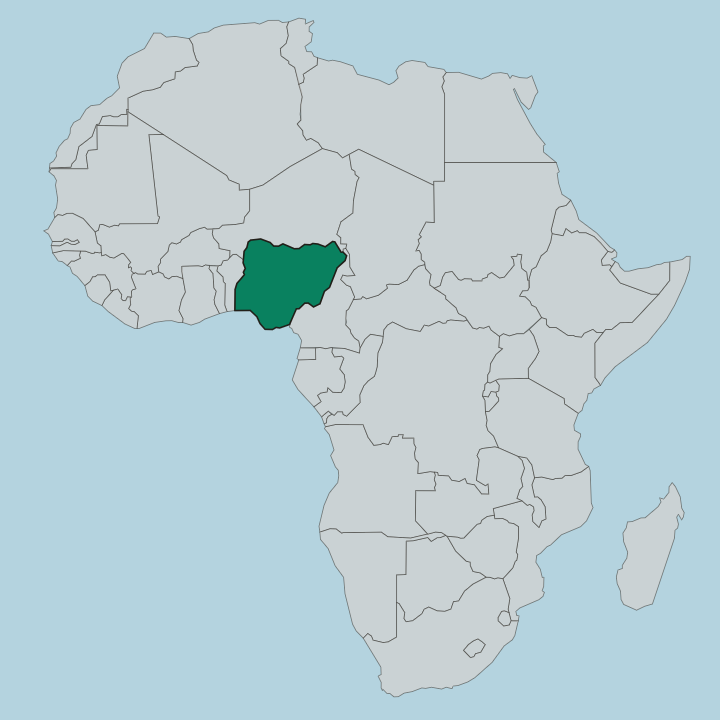
Jigawa lies in North-West Nigeria, on the country's northern edge where the savanna thins toward the Sahel. It shares a long land border with the Republic of Niger. Kano State wraps around its west and south, the two having been one until 1991. The land is flat and sandy.
Undulating plains carry dunes that stretch for kilometres in the drier north, while the southern reaches rest on the older basement rock that pushes up as the granite outcrops around Dutse. Water is what shapes the rest. The Hadejia and Kafin Hausa rivers run west to east across the state, gathering into the broad Hadejia-Nguru wetlands in the north-east and draining onward toward the Lake Chad Basin.
Those marshes flood and recede with the seasons, feeding rice, grazing and fish for the towns strung along the banks. Beyond the wetlands the ground dries fast. Dutse sits toward the south, Hadejia and Gumel out to the north-east and north, and the whole state tips gently down toward the water and the border.
What is Jigawa State like?
Jigawa is Hausa and Fulani country, and Islam sets the rhythm of the year. Hausa is the language of the markets and the street, spoken across Dutse, Gumel and Hadejia alike. The two great Muslim festivals, marking the end of Ramadan and the pilgrimage season, are the high points, and each is crowned by the durbar.
Horsemen in bright robes ride in procession to salute the emir, a mounted parade that goes back to the old cavalry musters of the Hausa states. The emirates still frame local life. Hadejia is one of them, an old Hausa town once called Biram and counted among the seven true Hausa states of legend.
Gumel and Kazaure each keep their own emir and palace. Craft runs through the towns as well. Weavers, potters and leatherworkers still supply the markets, and dyed cloth and tanned hide travel out along the trade roads north toward the Niger frontier.
Farming holds everything together. Millet, rice, wheat and groundnuts come off the plains and the wet margins, and the calendar bends around the single rainy season that makes them grow.
What is the history of Jigawa State?
Jigawa is young as a state but old as a place. Its towns were part of the Hausa world for centuries, and Hadejia, once called Biram, is remembered as one of the seven true Hausa states of the region's founding legend. The emirates of Hadejia, Gumel and Kazaure carried that order into the era of the Sokoto Caliphate in the early nineteenth century.
The modern state itself came late. It was carved out of the north-eastern corner of Kano State on 27 August 1991, with Dutse named as its capital.
What is the climate of Jigawa State?
Jigawa is hot and dry. Its Sahel climate splits cleanly into two seasons, with the rains arriving in a single burst from about June to September and the rest of the year staying parched. Winter brings the harmattan, a dusty wind off the Sahara that hazes the sky and cools the nights.
The wet season fills the Hadejia rivers and floods the Hadejia-Nguru wetlands, then the water recedes and the plains bake once more. Shade matters more than a coat here.
How do you get to Jigawa State?
Most travellers reach Jigawa through Kano, the big northern city just to the west that holds the region's main airport. From there it is a road run east into the state, with Dutse the usual first stop as the capital. Birnin Kudu sits along the southern road down from Kano, while Hadejia and Gumel lie out to the north-east toward the wetlands and the Niger border.
Roads carry you the rest.
Common questions
What is the best area to stay in Jigawa State?
Dutse: a first base in Jigawa. Hadejia: the wetlands and migratory birds. Birnin Kudu: the ancient rock paintings.
Good for
More regions in Nigeria
Updated September 2026