Nigeria
Edo, Nigeria — Towns & Travel Guide
Edo is a rainforest state in southern Nigeria, its capital Benin City the seat of the old kingdom that cast the Benin Bronzes.
Hotel links are affiliate links: booking through them may earn us a commission, at no extra cost to you. It never affects how places are ranked. How this works


Towns & cities in Edo
One town here has its own guide — it links to where to stay.

 Nigeria
Benin City
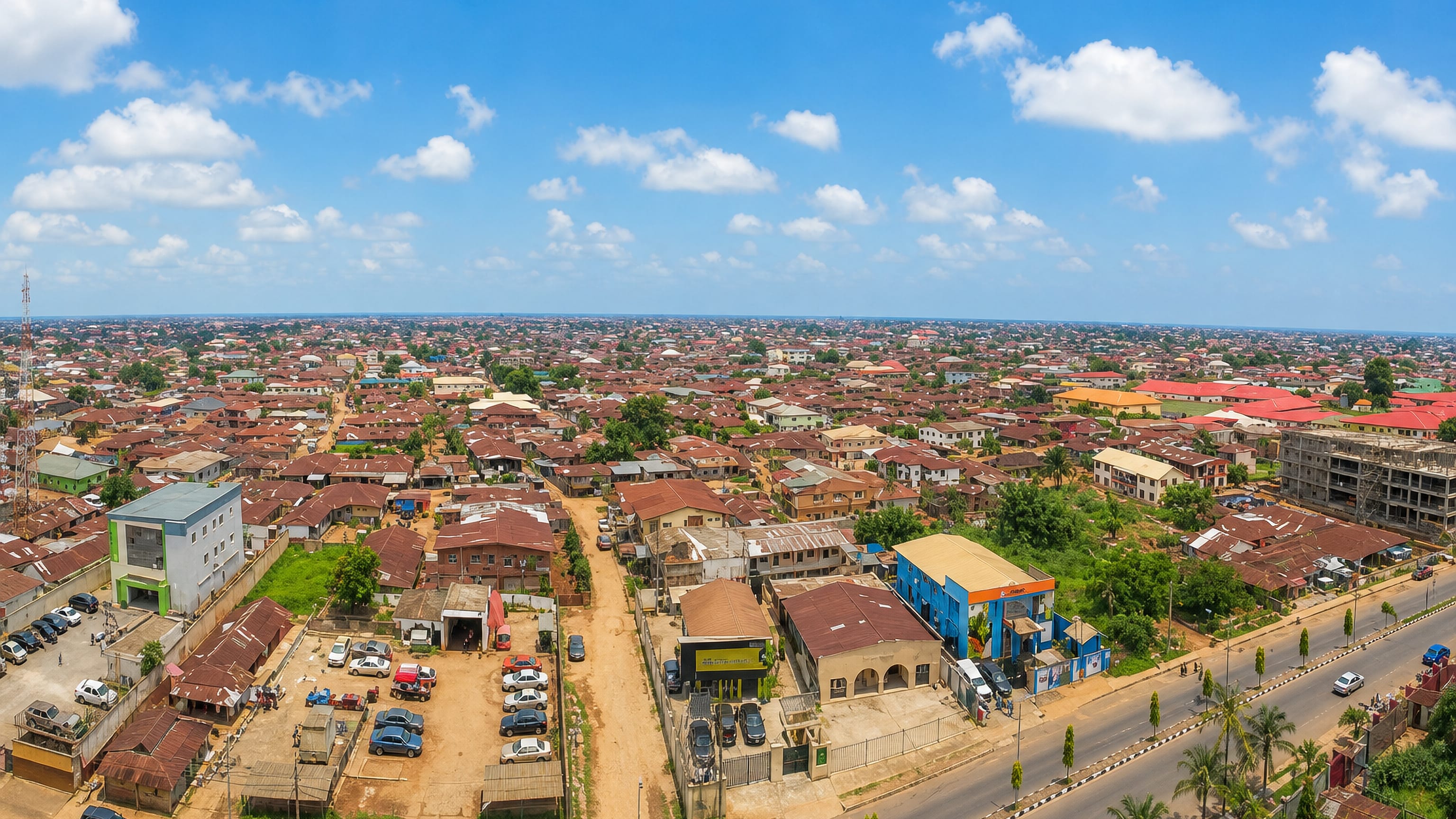
Benin City is the capital of Edo State in southern Nigeria, the ancient seat of the Kingdom of Benin and its famous bronze art.Where to stay →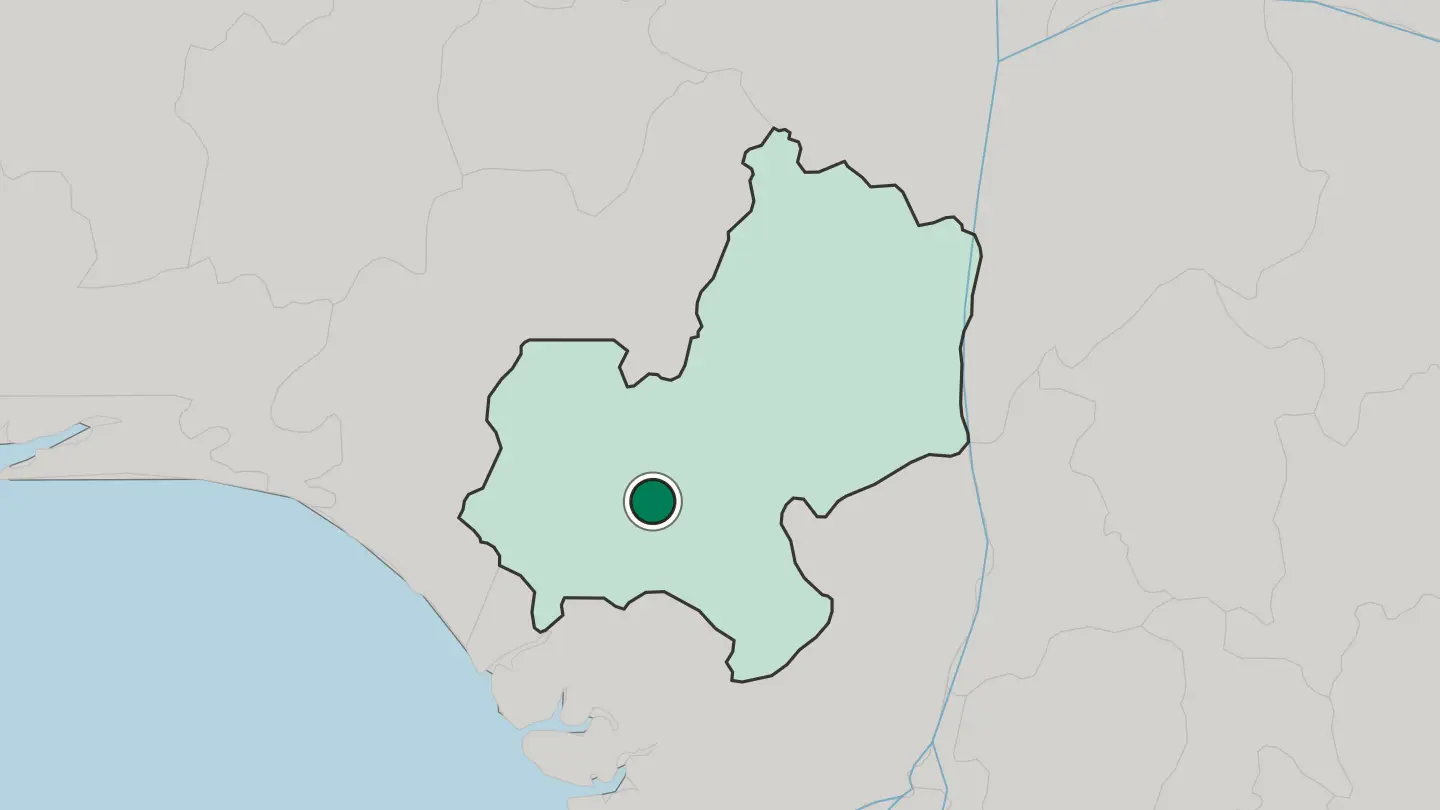
Hotel links are affiliate links: booking through them may earn us a commission, at no extra cost to you. It never affects how places are ranked. How this works
About Edo
Edo is court art and rainforest.
What is Edo known for?
Benin City, the capital, was for centuries the walled seat of the Kingdom of Benin, and its palace guilds cast the brass and ivory works looted by the British in 1897 and scattered across the world's museums as the Benin Bronzes. Bronze casters still work Igun Street. Beyond the city the land is rubber and oil-palm country, thinning from dense forest in the south to the drier Esan plateau in the north.
Where is Edo?
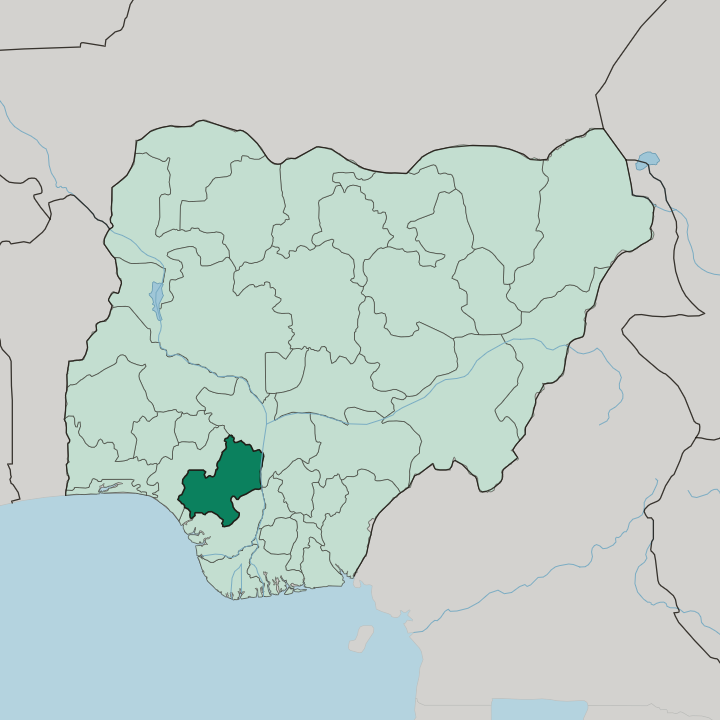
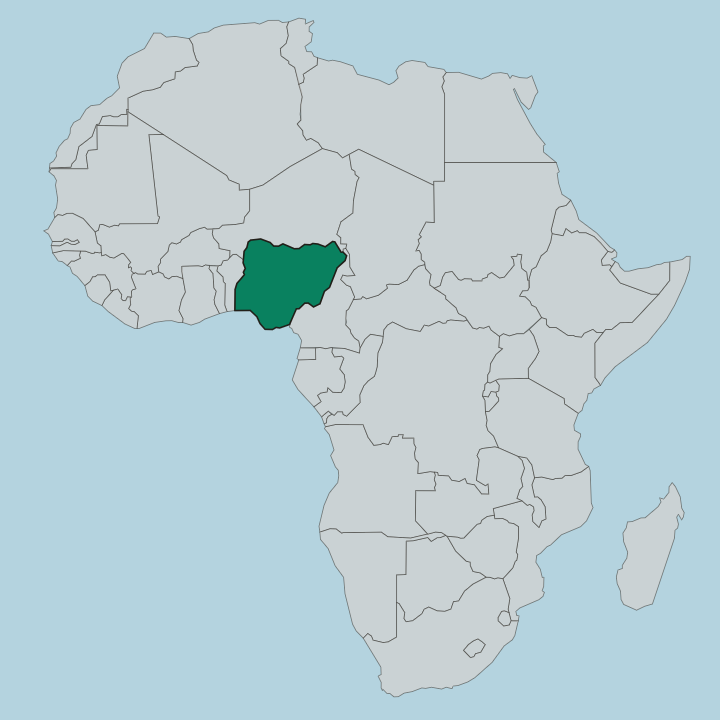
Edo sits in the South-South zone of Nigeria, inland from the Niger Delta yet still firmly in the country's forested south. Benin City stands near its heart, on a branch of the Benin River. The state's whole eastern edge is water: the Niger River runs down it, marking the border with Kogi to the north-east and, across the same channel, with Anambra.
Delta State wraps the south and south-east, and Ondo lies to the west. The land tells a clear story from south to north. Around Benin City it is low and heavily forested, Guinea-Congo rainforest laced with the Ikpoba and Ogba rivers that drain the capital.
Move north and the ground climbs. The Esan plateau rises east of the city toward Ekpoma and Uromi, and beyond it the Kukuruku Hills near Auchi reach some 183 metres while the Somorika Hills push higher still. Forest gives way to derived savanna woodland up there, a different Edo of open grass and rock.
Rubber and oil palm cover much of the middle belt between the two. It is a compact state that packs delta-edge forest, upland plateau and hill country into one short drive north.
What is Edo like?
Edo's identity is bound to the Kingdom of Benin. The Oba still reigns from his palace in Benin City, and the court's calendar of festivals, chieftaincy titles and shrine rituals remains a living institution rather than a museum piece. Igun Street proves the point best.
There the hereditary guild of brass casters works by the same lost-wax method that produced the Benin Bronzes centuries ago, turning out heads, plaques and figures for altars and collectors alike. The Bini people of the south speak Edo, or Ẹ̀dó in its own spelling, the language of the old capital. Away from the city the mix changes.
The Esan of the central plateau keep their own tongue and their loose confederation of onojie kingships, while the Afemai and Etsako communities of the north around Auchi carry a Muslim and Yoruba-tinged culture closer to the Niger. Music, masquerade and a deep respect for ancestry run through all of it. What holds these strands together is the memory of one of West Africa's great pre-colonial states, and a pride in the art that survived its sacking.
What is the history of Edo?
Two dynasties shaped it. Benin City was the capital of the Kingdom of Benin, ruled first by the Ogiso line from around the tenth century and then, from about 1200, by the Oba dynasty founded when Prince Oranmiyan came from Ife. That kingdom traded with the Portuguese, threw earthen walls around its capital, and cast the Benin Bronzes at its height.
British troops burned the city and looted the palace in 1897. The present state is far younger: Edo was carved from the northern half of Bendel State in 1991, taking Benin City as its capital.
What is the climate of Edo?
Edo is hot and humid year-round. The rains rule the calendar: a long wet season runs from April to November, peaking around September when storms drench Benin City almost daily, then a hotter, hazier dry season from December to March. The forested south stays wetter and greener than the Esan plateau to the north, where the derived savanna dries out harder between the rains.
February and March bring the fiercest heat. Rain, not temperature, marks the turning of the year here.
How do you get to Edo?
Most travellers fly into Benin City. Its airport handles domestic flights, linking the capital to Lagos and Abuja in under two hours, and there is no international gateway of Edo's own. By road the state sits on the trunk route from Lagos east toward the Niger, so long-distance buses and taxis pour through Benin City daily.
Auchi and the northern towns lie along the highway climbing toward the Kogi border. Inside Edo, road is the only real way to move between the capital, the Esan plateau and the hills.
Common questions
What is the best area to stay in Edo?
Benin City: the Benin Bronzes and the Oba's palace. Auchi: the northern hill country and its markets. The Esan plateau: the Esan uplands around Ekpoma.
More regions in Nigeria
Updated September 2026