Norway · Telemark fylke
Where to Stay in Åmot, Telemark fylke
Åmot is a valley village in the north-western part of Telemark, in south-eastern Norway, the heart of the old Vinje district.
Hotel links are affiliate links: booking through them may earn us a commission, at no extra cost to you. It never affects how places are ranked. How this works


Where to stay in Åmot
How the choice of base plays out on the ground.
The village core of Åmot is the natural base. It gathers the everyday services of Vinje into a small centre at the meeting of the valley roads, with the Vest-Telemark Museum and the timber rooms of Vinjestoga within easy reach. Staying here puts you in the middle of the north-western part of Telemark, close to Vinje kirke and a short drive from the upland parishes that ring the village.
The outlying hamlets offer a quieter alternative. Nesland, set above the water with its heritage Nesland kirke, and the parish of Øyfjell with Øyfjell kirke and the Øyfjell bygdemuseum, spread back into the fells. Out in the hamlets, lodging is sparse.
Choose the Åmot centre first if you want services within walking distance. Pick a fjellside hamlet only if you want silence and don't mind the drive. Both suit a mountain trip in Telemark.
Find hotels in Åmot
Direct booking searches for these neighbourhoods.
Åmot village centre
The Åmot centre gathers Vinje's services at the meeting of the valley roads, with the Vest-Telemark Museum, Vinjestoga and Vinje kirke all within an easy walk or short drive.Find hotels in Åmot village centreQuiet fjellside parishes near Øyfjell kirke and Nesland kirkeØyfjell and Nesland
The upland hamlets of Øyfjell and Nesland, with their heritage stave-era churches and the Øyfjell bygdemuseum, offer silent fjellside rooms a drive out from the Åmot centre. Beds are limited here, so book early.Find hotels in Øyfjell and NeslandHotel links are affiliate links: booking through them may earn us a commission, at no extra cost to you. It never affects how places are ranked. How this works
Things to do in Åmot
Ranked by global recognition; descriptions from Wikidata (CC0).
Museums & Galleries
3- Vest-Telemark Museum heritage institution
- Vinjestoga museum in Vinje
- Øyfjell bygdemuseum
Churches & Religious Sites
3- Vinje Church Heritage
- Nesland Church Heritage
- Øyfjell kyrkje Heritage
worth knowingacross 2 categories in Åmot
About Åmot
Åmot is the village at the centre of Vinje.
What is Åmot known for?
It serves the scattered mountain parishes of the north-western part of Telemark, and visitors come for the heritage churches and the museums that hold the upland's culture. The Vest-Telemark Museum and the old Vinjestoga keep the regional story. Folk memory runs deep here.
What are the main landmarks in Åmot?
Churches mark the valley. Vinje kirke stands near the Åmot centre, with the heritage Nesland kirke above the water and Øyfjell kirke serving the southern parish of the north-western part of Telemark. Three museums account for the rest.
The Vest-Telemark Museum, the timber Vinjestoga and the Øyfjell bygdemuseum together keep the culture of Vinje.
What is the history of Åmot?
The fells shaped Åmot. This village grew as the gathering point of Vinje, the parish that fills the north-western part of Telemark, where farms clung to the valley floor and the slopes above the water and the church marked the centre of upland life. Faith built early.
The medieval Vinje kirke, the heritage Nesland kirke above its water and the southern Øyfjell kirke each served a scattered congregation across the high country. Memory was preserved deliberately here. The Vest-Telemark Museum gathered the buildings and crafts of the district, while the old Vinjestoga and the Øyfjell bygdemuseum keep the homestead and folk traditions of the valley.
Vinje gave Norway its poets and its folk song, and Åmot settled into its role as the quiet administrative heart of the region while the churches and the collections held the long memory of the fells.
Where is Åmot?
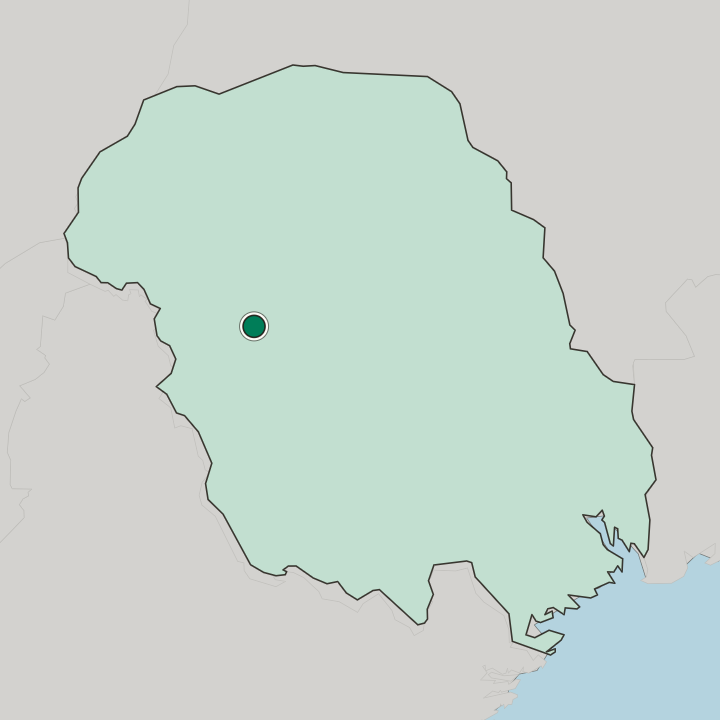
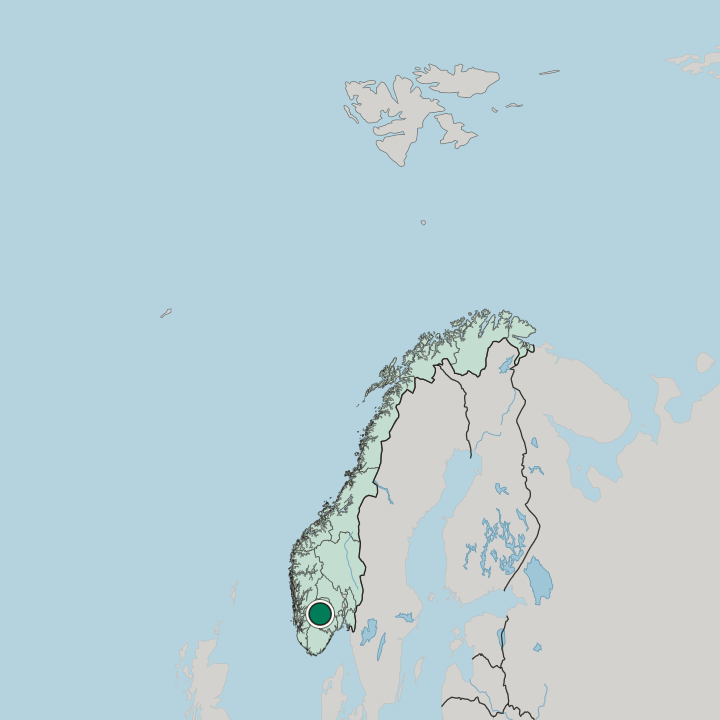
Åmot lies on the valley floor of Vinje, in the north-western part of Telemark, where the fells rise steeply on either side of the water. The small centre sits at the meeting of the roads, while Nesland clings to the slopes above and the parish of Øyfjell spreads south into the high country. The mountains hem it in.
Steep upland and narrow valleys give this corner of Telemark its scattered, fjellside shape.
What is the climate of Åmot?
The fells keep Åmot cool. High in the north-western part of Telemark, the village sees long, snow-bound winters and short bright summers typical of the inland uplands of Vinje. Altitude rules the weather.
Hard frost over Øyfjell and the high parishes, then a brief green flush along the valley floor, gives this corner of Telemark its sharp mountain seasons.
How do you get to Åmot?
Åmot sits where the valley roads meet. It is the road junction of Vinje in the north-western part of Telemark, reached by the highways that climb in from the lowlands of south-eastern Norway and cross the fells toward the west coast. Travel is by road.
Most visitors arrive overland by car or bus into the village centre, with the outlying parishes of Nesland and Øyfjell reached by the smaller fjellside roads.
Common questions
What is the best area to stay in Åmot?
Åmot village centre: Valley-floor base by the Vest-Telemark Museum and Vinjestoga. Øyfjell and Nesland: Quiet fjellside parishes near Øyfjell kirke and Nesland kirke.
Good for
More cities in Telemark fylke
Updated October 2026